How to Style a J.Crew Necklace Crystal Piece in 2026
Discover how to style the iconic J.Crew necklace crystal pieces in 2026. We analyze materials, layering techniques, and heritage trends.

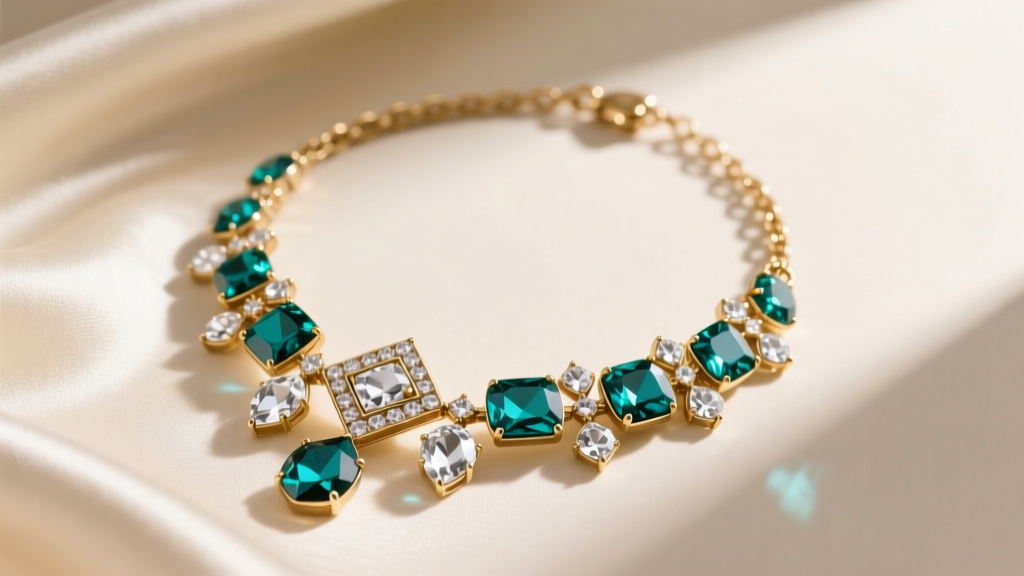
The Resurgence of Heritage Sparkle: Why J.Crew Crystals Dominate 2026
When evaluating the modern costume jewelry market, the j crew necklace crystal aesthetic remains a benchmark for accessible luxury and eclectic styling. In 2026, the fashion landscape has fully embraced what trend forecasters call 'Heirloom Revival'—a movement that rejects ultra-minimalist, quiet luxury in favor of bold, vintage-inspired statement pieces that carry visual weight and historical nostalgia. J.Crew has long been a pioneer in this space, consistently delivering rhinestone, glass, and enamel pieces that mimic the grandeur of mid-century fine jewelry without the prohibitive price tag.
The appeal of these pieces lies in their deliberate imperfection and maximalist charm. Unlike the sterile precision of modern lab-grown diamond tennis necklaces, a classic J.Crew crystal bib or pendant features slight variations in stone faceting, antique-washed brass or zinc-alloy settings, and rich, saturated colors. According to Vogue's 2026 trend report, the modern consumer is actively seeking 'conversation pieces' that blend high and low fashion, making these crystal-laden necklaces a staple for both boardroom layering and evening wear.
Material Science: What Are J.Crew Crystals Actually Made Of?
To properly style and care for these necklaces, one must first understand their material composition. While the term 'crystal' is often used colloquially in fashion jewelry, J.Crew primarily utilizes high-grade faceted glass, acrylic resins, and occasionally lead-free crystal. The brilliance of these stones is rarely achieved through the material's natural refractive index alone; instead, it relies on specialized backing techniques.
| Material Type | Weight & Feel | Brilliance Mechanism | Durability & Weak Points |
|---|---|---|---|
| Foil-Backed Glass | Heavy, cool to touch | Silver or gold metallic vapor foil glued to the pavilion | High scratch resistance; foil will oxidize and turn black if exposed to moisture |
| Acrylic / Resin | Lightweight, warms to skin | Molded-in color and surface faceting | Prone to micro-scratches; can melt or warp if exposed to high heat or alcohol |
| Lead-Free Crystal | Medium weight, sharp facets | High refractive index glass composition | Chips easily on impact; requires careful prong maintenance |
| Enamel Accents | N/A (Used in settings) | Fired glass powder on metal alloy | Will shatter or chip if dropped on hard surfaces like marble |
The Gemological Institute of America (GIA) notes that the distinction between glass and true crystal often comes down to the presence of lead oxide or barium, which increases light dispersion. J.Crew's modern pieces prioritize safety and weight distribution, opting for lead-free glass with mirrored backings to achieve that coveted 'chandelier' sparkle. Understanding this is crucial: you are wearing a masterclass in optical illusion, not solid gemstones.
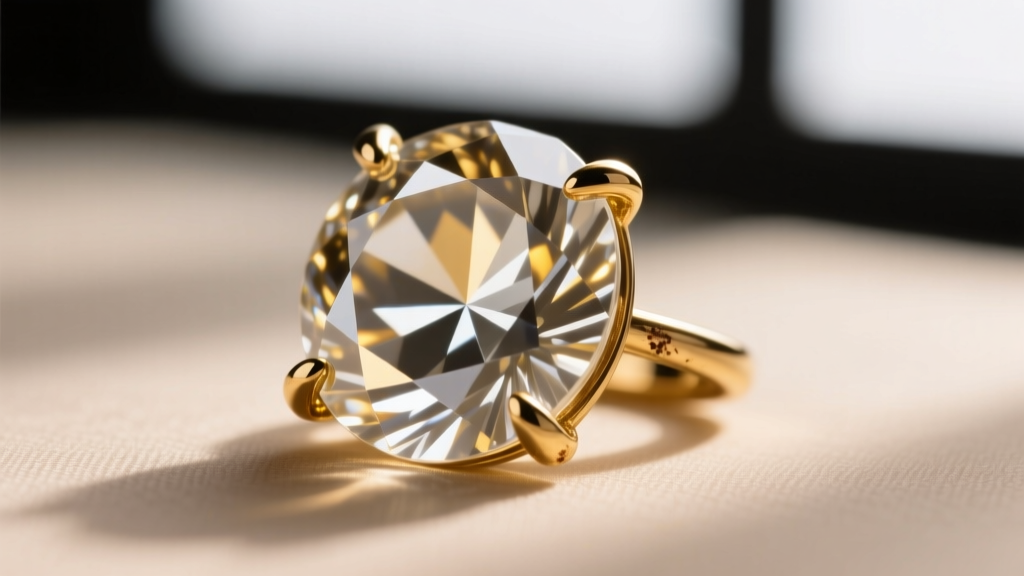
Mastering the High-Low Layering Stack
The most critical styling mistake consumers make with statement costume jewelry is wearing it in isolation. In 2026, the dominant styling technique is the 'High-Low Stack,' which grounds a heavy, vintage-style J.Crew crystal piece with delicate, modern fine or semi-fine chains. This creates a curated, personal look rather than a catalog-perfect appearance.
The 3-Point Layering Framework
- The Anchor (14-16 inches): Start with a delicate 18-gauge or 20-gauge gold-filled cable chain or a simple pearl choker. This sits at the base of the neck and provides a clean visual baseline.
- The Statement (17-19 inches): This is where your J.Crew crystal necklace sits. Whether it is a floral-motif pendant or an Art Deco-inspired geometric drop, it must fall at least 1.5 inches below the anchor chain to prevent tangling and visual clutter.
- The Terminator (22-24 inches): Finish with a lightweight, textured chain, such as a 14-gauge rope chain or a matte-finish snake chain. This draws the eye downward, elongating the torso and balancing the visual weight of the crystal piece.
When mixing metals, do not be afraid to clash. J.Crew's antique gold-tone settings often feature oxidized recesses that pair beautifully with bright, polished 14k yellow gold chains, creating a deliberate contrast between 'aged' and 'new' metals.

Neckline Pairing Matrix for Statement Crystals
The architecture of your clothing dictates the geometry of your necklace. A crystal bib that looks breathtaking over a silk blouse can look entirely disproportionate over a heavy wool turtleneck. Use this matrix to ensure perfect harmony between your garment and your jewelry.
1. The Crewneck and Turtleneck
High, tight necklines require necklaces that sit entirely above the fabric line or dramatically below it. Avoid 18-inch drops that will get swallowed by the collar. Instead, opt for a 14-inch crystal choker or a 24-inch long-chain crystal lariat that creates a vertical 'V' illusion over the solid block of fabric.
2. The V-Neck and Wrap Dress
The V-neck provides a natural frame. The ideal J.Crew crystal piece here is a Y-drop or a pendant that mirrors the angle of the neckline. Ensure the tip of the crystal pendant rests exactly one inch above the apex of the V-neck to maintain visual tension without overlapping the fabric seam.
3. The Sweetheart and Strapless Neckline
This is the traditional home for the massive, multi-strand crystal collar or the wide crystal bib necklace. Because the collarbone and chest are entirely exposed, you need high-volume pieces with wide horizontal spreads (often 6 to 8 inches across) to fill the negative space and balance the bare shoulders.
Preservation: Protecting Foil-Backed Stones
The greatest vulnerability of any fashion jewelry crystal is the foil backing. The metallic layer that gives the glass its mirror-like brilliance is incredibly thin and susceptible to chemical degradation. When the adhesive seal around the prongs fails, moisture, sweat, and cosmetics seep behind the stone, causing the foil to oxidize, cloud, and eventually turn black.
Strict Care Protocols
- The 'Last On, First Off' Rule: Always apply your perfume, hairspray, and lotions at least 10 minutes before putting on your crystal necklace. The alcohol and volatile organic compounds (VOCs) in cosmetics can dissolve the adhesives used in costume jewelry settings.
- Never Use Ultrasonic Cleaners: The high-frequency vibrations will shatter the glass or strip the foil backing entirely. Furthermore, liquid immersion is strictly forbidden.
- Dry Polishing Only: Use a clean, dry, untreated microfiber cloth to gently buff the surface of the stones. If a stone becomes cloudy on the top, use a slightly damp cotton swab with a tiny drop of mild dish soap, but avoid the edges where the prongs meet the glass.
- Climate-Controlled Storage: Store your necklaces flat in a velvet-lined box with silica gel packets. Humidity is the enemy of foil-backed glass. Never hang heavy crystal bibs by their chains, as the weight will stretch the brass links and weaken the solder joints over time.
'The beauty of a vintage-inspired crystal piece isn't in its monetary value, but in its ability to capture light and command a room. Treat it with the same respect you would a sapphire, and it will outlast the trends that birthed it.'
Ultimately, styling a J.Crew crystal necklace in 2026 is about embracing the theatricality of fashion. By understanding the material science, mastering the layering stack, and adhering to strict preservation protocols, you can elevate these accessible pieces into permanent fixtures of your personal style archive.


