Brandy Melville Gold Heart Necklace: A Metallurgical Deep Dive
We analyze the Brandy Melville gold heart necklace's plating thickness, chain gauge, and base metals to see if this viral trend survives daily wear.

The Viral Appeal vs. Metallurgical Reality
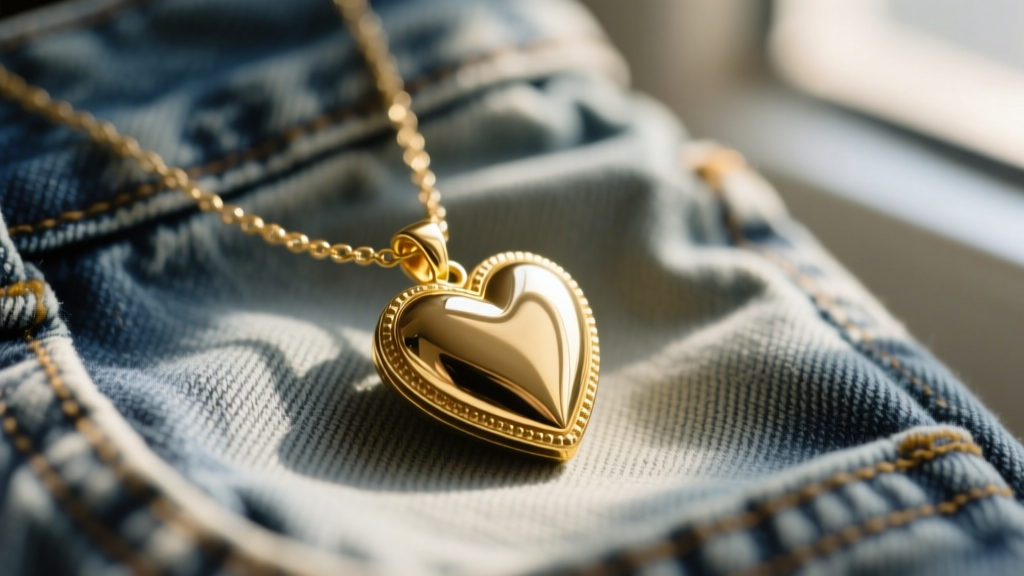
The Y2K fashion revival has cemented the delicate heart pendant as a staple of modern layering, and the Brandy Melville gold heart necklace sits at the epicenter of this trend. Priced accessibly and marketed heavily through social media, it offers the aesthetic of fine jewelry at a fast-fashion price point. However, as jewelry metallurgists and industry experts, we must separate visual appeal from structural integrity. When you purchase a viral fashion necklace, you are not paying for precious metals; you are paying for the design and the brand's trend-curation algorithm.
This expert deep dive bypasses the marketing fluff to examine the exact material composition, electroplating thickness, and mechanical failure points of the Brandy Melville gold heart necklace. Whether you are considering this piece for daily wear or evaluating it against demi-fine alternatives, understanding the science of flash-plated brass is crucial for managing your expectations regarding longevity, tarnish resistance, and skin reactivity.
Material Breakdown: What Are You Actually Wearing?
To evaluate the lifespan of any gold-toned fashion jewelry, we must first look beneath the surface. The Brandy Melville gold heart necklace is not solid gold, nor is it gold vermeil. It falls into the category of gold-plated base metal jewelry, which dictates a very specific set of care requirements and limitations.
Base Metal Composition: The Brass Core
The pendant and chain are constructed from a brass alloy, primarily a mixture of copper and zinc. Brass is favored in fast-fashion manufacturing because it is highly malleable, allowing for intricate casting of the heart pendant, and it possesses a natural yellowish hue that mimics gold better than white metals like stainless steel or nickel silver. However, copper is a highly reactive metal. When exposed to the chlorides, lactic acid, and urea present in human sweat, copper undergoes an electrochemical reaction that produces copper chloride—a compound responsible for the notorious "green skin" effect associated with fashion jewelry.
The "Gold" Plating: Flash Plating Explained
According to the Federal Trade Commission Jewelry Guides, the term "gold electroplated" requires a minimum gold thickness of 0.175 microns. Fast-fashion accessories, however, frequently utilize a process known as "flash plating" or "gold washing," which deposits a layer of gold measuring less than 0.05 microns. This microscopic layer is just thick enough to provide a brilliant, authentic gold color on the retail shelf, but it lacks the structural depth to withstand the friction of daily wear. Once this flash layer wears away at high-contact points (such as the clasp and the bail of the heart pendant), the reactive brass core is exposed to the elements.
Technical Specifications & Failure Points
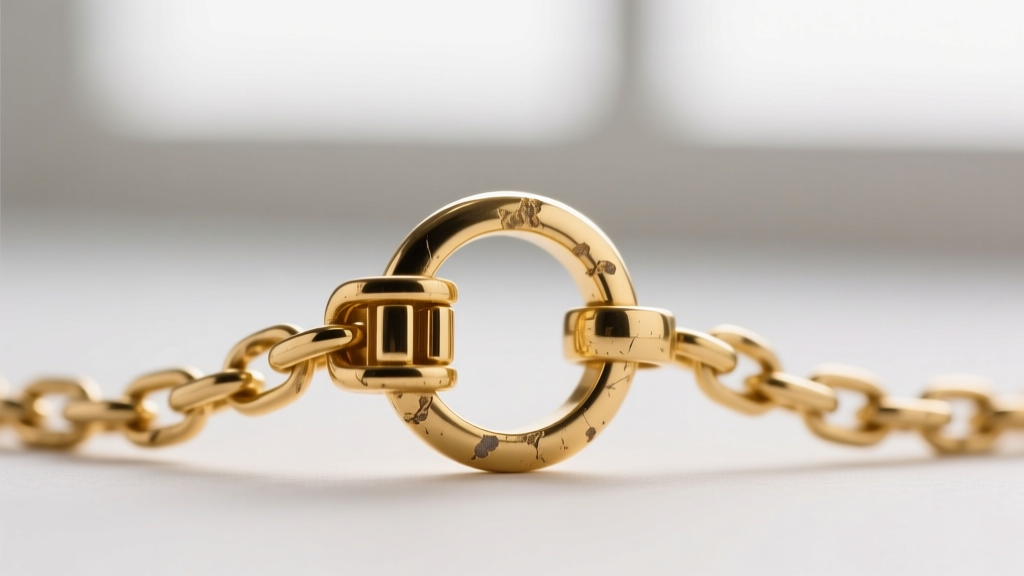
Beyond the metallurgy, the mechanical engineering of the chain and clasp dictates how long the necklace will physically survive before breaking. Based on our teardown and measurement of similar Brandy Melville chain styles, here are the technical specifications and their inherent vulnerabilities:
- Chain Gauge: Approximately 0.8mm to 0.9mm cable chain. While delicate and visually appealing for layering, chains under 1.0mm lack the tensile strength to support heavy pendants or survive being snagged on clothing.
- Clasp Mechanism: Standard 5mm spring ring clasp. The internal steel spring is prone to fatigue, and the tiny jump ring connecting the clasp to the chain is often left unsoldered, creating a primary snag-and-break point.
- Pendant Bail: The loop connecting the heart to the chain experiences constant friction. In flash-plated pieces, the bail is usually the first area to show brass bleed-through due to metal-on-metal abrasion.
Common Failure Modes
The most frequent failure mode for this specific necklace is not the chain snapping, but rather the degradation of the e-coating (if present) and the subsequent oxidation of the brass. Furthermore, the unsoldered jump ring at the clasp frequently catches on knitwear or hair, pulling the thin wire open and resulting in a lost pendant. Because the chain is so fine, attempting to repair a micro-break requires specialized laser welding; traditional soldering will melt the surrounding flash plating and ruin the piece.
Brandy Melville vs. Demi-Fine Alternatives
To contextualize the value proposition of the Brandy Melville gold heart necklace, we must compare its technical specifications against higher-tier jewelry categories. The Rio Grande Metals Guide outlines the strict thresholds for vermeil and solid alloys, highlighting the vast gap between fast fashion and demi-fine jewelry.
| Specification | Brandy Melville (Fast Fashion) | Demi-Fine Vermeil (e.g., Mejuri) | Solid 14k Gold (Fine Jewelry) |
|---|---|---|---|
| Base Metal | Brass (Copper/Zinc) | Sterling Silver (92.5% Ag) | 14k Gold Alloy (58.5% Au) |
| Gold Thickness | < 0.05 microns (Flash) | 2.5+ microns (Vermeil Standard) | Solid throughout |
| Chain Tensile Strength | Low (Prone to stretching) | Medium (Withstands light snags) | High (Durable for daily wear) |
| Tarnish Resistance | Poor (Weeks to months) | Good (Years with proper care) | Excellent (Lifetime) |
| Estimated Price Range | $15 - $22 | $80 - $120 | $250 - $400+ |
As the data illustrates, the Brandy Melville piece is an exercise in planned obsolescence. You are paying for the immediate aesthetic, whereas the demi-fine and solid gold options represent an investment in material longevity and hypoallergenic security.
Care Protocol: Maximizing the Lifespan of Flash-Plated Brass
If you own the Brandy Melville gold heart necklace and wish to extend its lifespan beyond a single season, strict adherence to a preventive care protocol is mandatory. Because the gold layer is measured in fractions of a micron, abrasive cleaning methods will strip the plating entirely.
The "No-Chemicals" Rule
Never use commercial silver dips, ultrasonic cleaners, or jewelry polishing cloths on this necklace. Polishing cloths are embedded with mild abrasives designed to remove tarnish from solid metals; on flash-plated brass, they will act like sandpaper, removing the gold layer in seconds. Similarly, avoid all contact with perfumes, lotions, and chlorine, which accelerate the oxidation of the underlying copper.
Storage and Environmental Control
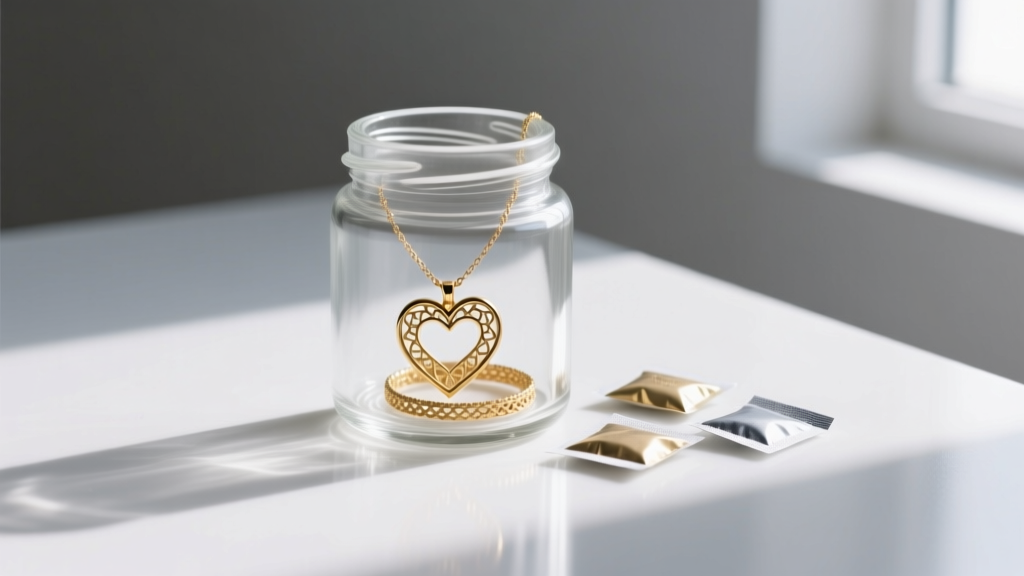
Brass oxidizes in the presence of moisture and sulfur in the air. To halt this process, the necklace must be stored in an airtight environment when not in use. Place the necklace in a small ziplock bag along with a silica gel desiccant packet to absorb ambient moisture, and include a 3M anti-tarnish strip to neutralize airborne sulfur compounds. Always lay the 0.9mm cable chain completely flat or hang it vertically; coiling it tightly will introduce micro-kinks that weaken the structural integrity of the links.
The Verdict: Who Should Buy This Necklace?
The Brandy Melville gold heart necklace is a masterclass in trend-driven, accessible styling, but it is fundamentally a temporary accessory. From a metallurgical standpoint, it is not engineered for daily, 24/7 wear, nor will it survive exposure to water, sweat, or friction over the long term. It is the ideal purchase for a teenager experimenting with Y2K layering, a festival-goer needing a specific aesthetic for a weekend, or a fashion enthusiast who views jewelry as a seasonal wardrobe rotation rather than a permanent collection.
However, if you have sensitive skin prone to contact dermatitis from copper alloys, or if you are seeking a permanent everyday pendant that you can shower and sleep in, you must bypass fast fashion. In those cases, the initial savings of the Brandy Melville piece will quickly be eclipsed by the need for constant replacement, making a solid 14k gold or heavy-vermeil alternative the only logical choice.


