Is the Brandy Melville Thick Silver Chain Necklace Worth It in 2026?
We assess the true value of the Brandy Melville thick silver chain necklace, analyzing its materials, tarnish resistance, and better sterling alternatives.

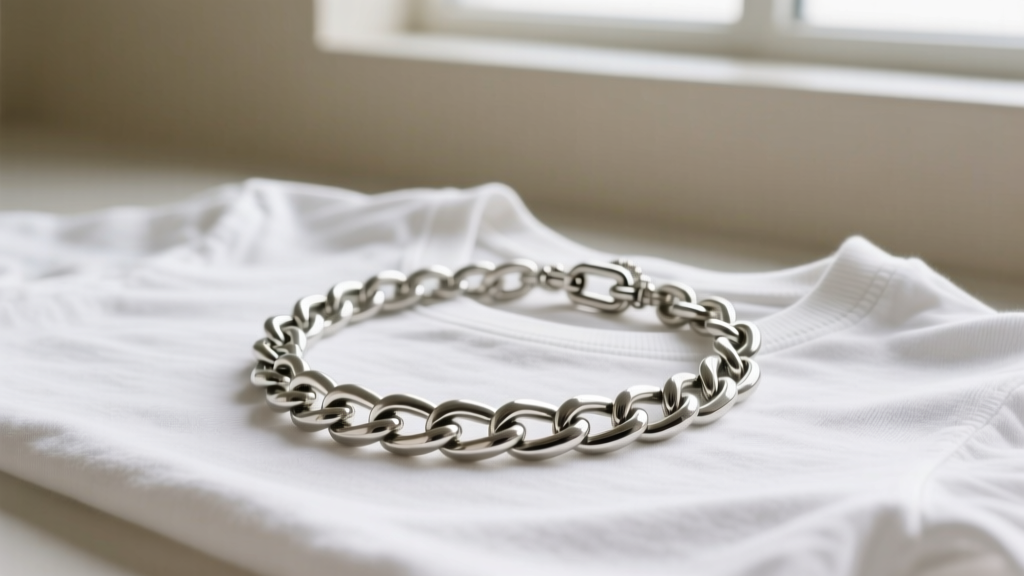
The Y2K aesthetic revival has kept chunky, oversized metal jewelry at the forefront of fast-fashion trends for years. Among the most sought-after pieces for teenagers and young adults is the brandy melville thick silver chain necklace. With its bold paperclip or curb link designs and highly accessible price point, it appears to be the perfect everyday statement piece. But when you strip away the trendy branding and minimalist packaging, what are you actually paying for?
In this comprehensive budget and value assessment, we put the brandy melville thick silver chain necklace under the metallurgical microscope. We will analyze its material composition, real-world tarnish timelines, and overall cost-per-wear to determine if it deserves a spot in your jewelry box, or if your budget is better spent elsewhere in 2026.
The Allure of the Y2K Chunky Chain Aesthetic
There is no denying the visual appeal of a thick silver chain. It adds an instant edge to a simple white baby tee, elevates a slip dress, and layers perfectly with delicate pendant necklaces. Brandy Melville has mastered the art of curating this exact aesthetic. Their thick chains typically feature elongated paperclip links or classic curb links, measuring anywhere from 5mm to 10mm in width, and are usually priced between $18 and $24.
At this price point, the necklace is marketed as an impulse buy—a low-risk investment in current trends. However, in the jewelry industry, price is almost always a direct reflection of material integrity and manufacturing processes. To understand the true value of this piece, we must examine what lies beneath the shiny exterior.
Material Breakdown: What Are You Actually Buying?
The most critical factor in assessing jewelry value is the base metal and the plating thickness. Despite the silvery appearance, the brandy melville thick silver chain necklace is not solid sterling silver. It is a base-metal alloy (typically a mix of zinc, copper, and brass) that has been flash-plated with a microscopically thin layer of silver or a silver-toned rhodium finish.
The FTC Stamp Rule and Missing Hallmarks
According to the Federal Trade Commission Jewelry Guides, any item sold in the United States as 'silver', 'sterling', or '925' must contain at least 92.5% pure silver. Furthermore, the FTC mandates that precious metal items bear a quality stamp (like '925') and a registered trademark hallmark if they make such claims.
Expert Insight: Fast-fashion chains rarely feature a '925' stamp because they do not meet the legal threshold for solid silver. If your chain lacks this hallmark, you are purchasing a silver-toned costume accessory, not a precious metal investment.
The plating used on fast-fashion jewelry is known as 'flash plating.' While high-quality electroplating might deposit 0.5 to 2.5 microns of precious metal, flash plating is often less than 0.05 microns thick. This means the silver layer is merely a cosmetic wash that will wear away with friction, body oils, and environmental exposure.
The Tarnish Timeline and Failure Modes
Because the core of the necklace is a copper/brass/zinc alloy, the inevitable failure mode is rapid oxidation and tarnishing. When the micro-thin plating wears off at high-friction points (like the clasp, the links that rub together, and the back of the neck), the base metal is exposed to the elements.
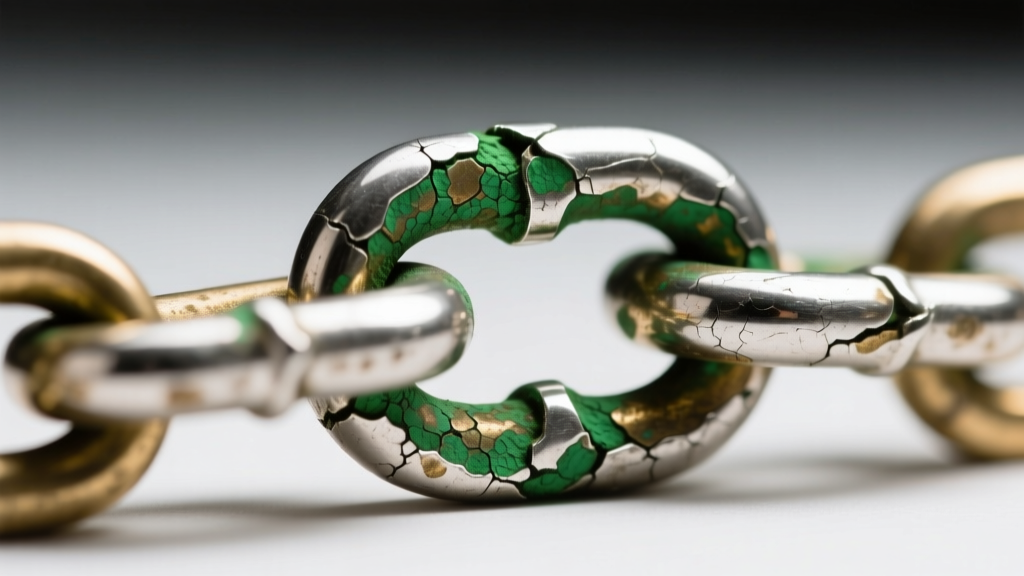
Human sweat contains lactic acid and sulfur compounds. When these compounds react with the copper in the brass alloy base, they create copper chloride and copper sulfide—resulting in the notorious green or black residue left on your skin. For daily wearers, the brandy melville thick silver chain necklace typically shows signs of base-metal bleed and irreversible tarnishing within 4 to 8 weeks of consistent use.
Common Failure Points:
- The Clasp Mechanism: Spring-ring and lobster clasps on flash-plated items often seize or turn black first due to the internal steel springs and high friction.
- Link Intersections: The interior of the paperclip links rubs against adjacent links, sanding away the flash plating through natural movement.
- Skin Contact Zones: The back of the neck accumulates sweat, lotions, and hair products, accelerating the chemical breakdown of the topcoat.
Price-to-Value Ratio: A 2026 Market Comparison
To accurately assess the budget value, we must compare the Brandy Melville option against other popular market tiers available in 2026. Cost-per-wear is the ultimate metric for jewelry value. A $20 necklace that lasts one month costs you $20 a month. A $60 solid sterling necklace that lasts five years costs you $1 a month.
| Brand / Source | Material Composition | Plating / Finish | Avg. Price (2026) | Expected Daily Lifespan |
|---|---|---|---|---|
| Brandy Melville | Brass/Zinc Alloy Base | Flash Silver (<0.1μm) | $18 - $24 | 1 - 3 Months |
| Gorjana | Brass Base | Silver/Rhodium Plate (~0.5μm) | $45 - $65 | 6 - 12 Months |
| Mejuri | 925 Sterling Silver | Solid (No plating) | $60 - $90 | Lifetime (with care) |
| Etsy / Amazon 925 | 925 Sterling Silver | Solid (No plating) | $25 - $45 | Lifetime (with care) |
As the data illustrates, while the initial out-of-pocket cost for the fast-fashion option is the lowest, the long-term value is remarkably poor. If you prefer the look of silver, entry-level solid 925 sterling silver chains from specialized online vendors offer a vastly superior return on investment, often costing only $10 to $20 more than the fast-fashion alternative.
Better Alternatives for the Same Budget
If your budget is strictly capped at the $25 to $40 range, you do not have to settle for base metals that turn your skin green. The secondary market and direct-to-consumer sterling silver vendors have made authentic materials more accessible than ever.
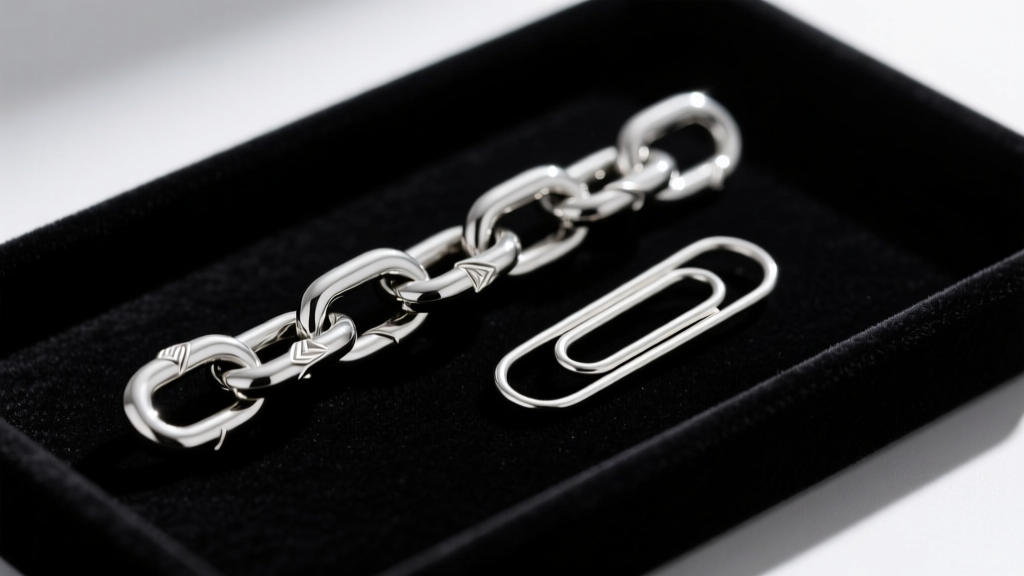
What to Look For Instead:
- Search for '925' in the Title: When shopping online, explicitly filter for '925 sterling silver paperclip chain' or 'solid sterling curb chain'.
- Check the Weight: Fast-fashion chains are often hollow or made from low-density alloys. Solid sterling silver has a distinct, satisfying weight and a cooler touch to the skin.
- Verify the Clasp: High-quality sterling chains will feature a sturdy lobster clasp stamped with '925' and a clear manufacturer's mark.
Care and Maintenance (If You Already Own It)
If you have already purchased the brandy melville thick silver chain necklace or received it as a gift, you can take specific steps to delay the inevitable tarnishing process. The Gemological Institute of America (GIA) notes that minimizing exposure to moisture and chemicals is the best defense for plated jewelry.
- The 'Last On, First Off' Rule: Always put your chain on after applying perfume, hairspray, and lotion. Remove it immediately upon returning home.
- Water Avoidance: Never wear flash-plated jewelry in the shower, pool, or ocean. Chlorine and saltwater will strip the micro-plating in a matter of days.
- Storage: Store the necklace in an airtight anti-tarnish ziplock bag with a silica gel packet to absorb ambient humidity.
- Friction Barriers: Some wearers apply a thin coat of clear nail polish to the inside of the links and the clasp to create a physical barrier between the base metal and their skin. While temporary, this can prevent green skin stains for a few weeks.
Final Verdict: Is It Worth Your Money?
From a strict budget and value assessment perspective, the brandy melville thick silver chain necklace is a poor long-term investment. You are paying a premium for the brand name and the in-store aesthetic experience, rather than the intrinsic value of the materials. It is a costume accessory designed for a fleeting season, not a lasting wardrobe staple.
Who should buy it? Trend-focused shoppers who only plan to wear the piece for a specific event, a short vacation, or a few weeks of seasonal styling, and who do not mind discarding it once the plating fades.
Who should skip it? Anyone looking for a daily-wear chain, individuals with sensitive skin or nickel/copper allergies, and buyers who value cost-per-wear and material longevity. For those consumers, redirecting that $24 toward a verified 925 sterling silver alternative will yield a vastly superior, tarnish-resistant piece that can be polished and worn for a lifetime.


