Yellow Turquoise Necklace: Value, Pricing & Buyer Guide
Discover the truth behind yellow turquoise necklaces. Learn how to assess value, spot dyed imitations, and find fair pricing for your jewelry budget.

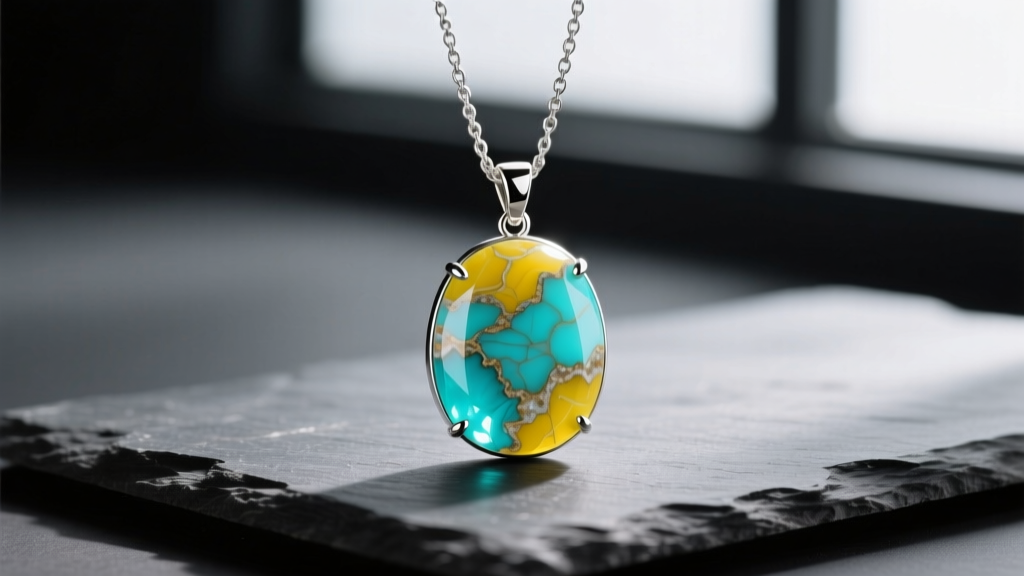
The Gemological Reality: What is "Yellow Turquoise"?
When shopping for a yellow turquoise necklace, the most critical step in your budget and value assessment is understanding what you are actually looking at. From a strict mineralogical standpoint, natural turquoise is a hydrous phosphate of copper and aluminum. The copper content is strictly responsible for its iconic blue hues, while iron impurities shift the color toward green. Because of this chemical makeup, natural yellow turquoise does not exist.
According to the Mindat.org mineral database, any stone marketed as "yellow turquoise" falls into one of three categories: dyed howlite, dyed magnesite, or a trade-name misnomer for yellow jasper or serpentine. In the 2026 artisan jewelry market, transparency is paramount. Reputable jewelers will disclose if a stone is a turquoise imitation or a dyed substitute. If a seller claims their bright yellow stones are natural, untreated turquoise, you are likely looking at a scam or a severely misinformed vendor.
Value Assessment: What Are You Actually Buying?
To accurately assess the budget required for your necklace, we must break down the actual materials used in the market. The value of your jewelry is dictated by the base stone, the treatment methods, and the hardware. Below is a comprehensive value matrix to help you determine if a price tag is fair or inflated.
| Material Sold as "Yellow Turquoise" | Treatment | Mohs Hardness | Fair Market Value (Necklace) | Durability & Failure Modes |
|---|---|---|---|---|
| Dyed Howlite | Aniline Dyes / Resin | 3.5 | $25 - $65 | Prone to scratching; dye bleeds with sweat/perfume. |
| Dyed Magnesite | Heat & Color Infusion | 4.0 - 4.5 | $30 - $80 | Better matrix mimicry; dye can fade under UV light. |
| Yellow Jasper (Trade Name) | None (Natural Stone) | 6.5 - 7.0 | $75 - $150 | Highly durable; will not fade or bleed color. |
| Serpentine (New Jade) | Sometimes Dyed | 2.5 - 5.5 | $40 - $90 | Soft and easily chipped; reacts poorly to acids. |
As noted by the Gemological Institute of America (GIA), treatments like dyeing and resin-impregnation must be disclosed to the consumer. A necklace featuring dyed howlite set in plated brass should never exceed $45. However, if that same stone is set in heavy 925 sterling silver with secure bezel settings, the $80–$120 range is justified due to the intrinsic value of the precious metal hardware.
How to Spot Dyed Imitations and Overpriced Fakes
When evaluating a yellow turquoise necklace in person or upon delivery, employ these professional authentication techniques to ensure your budget is being respected:
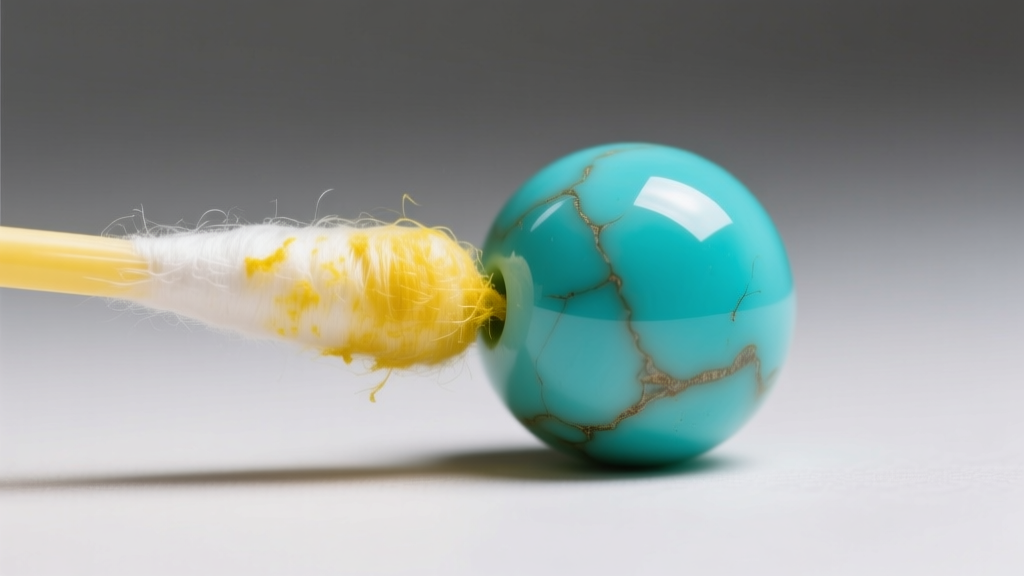
- The Acetone Test: Dip a cotton swab in nail polish remover (acetone) and rub it vigorously on an inconspicuous area of the bead. If the swab turns yellow, the stone is dyed howlite or magnesite. Natural jasper will not shed color.
- Magnification Inspection: Use a 10x jeweler's loupe to examine the stone's matrix (the webbing). In dyed stones, you will see "dye pooling"—dark concentrations of yellow or brown pigment trapped in the natural crevices and cracks of the howlite. Natural stones have organic, evenly distributed inclusions.
- The Hot Pin Test (Use Caution): Heating a needle and touching it to the stone can reveal resin treatments. If the stone melts, emits a plastic odor, or leaves a black burn mark, it has been heavily stabilized with polymers. Note: This is a destructive test and should only be used on loose beads or with the seller's permission.
- Price Red Flags: If a seller is asking $300+ for a strand of perfectly uniform, bright yellow beads with black webbing, walk away. Uniformity in dyed stones is easy to achieve in a factory, but impossible in nature. High prices for uniform "yellow turquoise" are a hallmark of tourist-trap pricing.
Hardware and Construction: Where the Real Value Lies
Because the "yellow turquoise" stones themselves possess low intrinsic gemological value, the hardware and construction of the necklace dictate its long-term worth and cost-per-wear. A budget assessment must heavily weigh the metals used.
Chain and Clasp Metallurgy
Avoid necklaces that use magnetic clasps or unmarked base metals. Base metals (often zinc alloys or brass) will oxidize rapidly when exposed to the oils from your skin, leaving a green or black residue on your neck. Furthermore, the Federal Trade Commission (FTC) strictly regulates metal stamping; a legitimate piece will feature a "925" stamp for sterling silver or a "14K" / "GF" (Gold Filled) stamp. If the clasp lacks a hallmark, assume it is plated base metal and adjust your maximum budget to under $35.
Stringing vs. Wire Wrapping
For beaded yellow turquoise necklaces, examine the stringing material. Silk thread with French knots between each bead is a sign of high-end craftsmanship, preventing total loss if the strand snaps. Conversely, cheap tiger-tail wire with crimp beads can saw through softer stones like howlite over time, leading to structural failure.
Care and Maintenance for Treated Stones
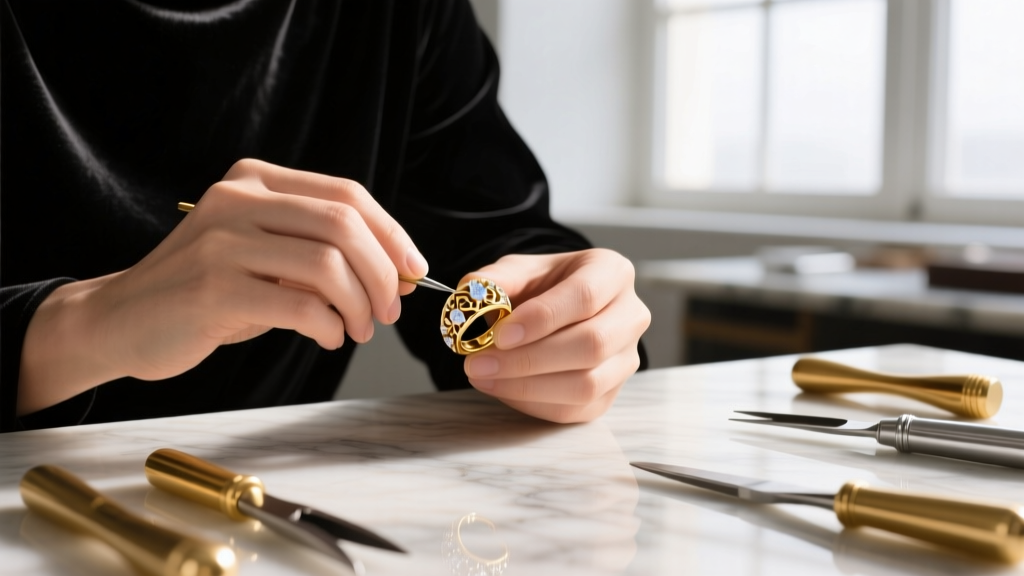
If your budget assessment leads you to purchase a dyed howlite or magnesite yellow turquoise necklace, you must adapt your care routine to prevent value degradation. These stones are highly porous. Ultrasonic cleaners and commercial jewelry dips will strip the dye and dissolve the resin stabilizers, leaving you with a chalky, white, ruined stone. Clean your necklace only with a soft, dry microfiber cloth. Always apply perfumes, hairsprays, and lotions before putting on the necklace to prevent chemical reactions with the aniline dyes.
Final Verdict: Is It Worth the Investment?
From a strict financial investment perspective, a yellow turquoise necklace is not an appreciating asset. You are purchasing fashion jewelry, not a heirloom gemstone. However, from a style and utility perspective, it offers incredible value if priced correctly. A beautifully crafted sterling silver pendant featuring high-quality dyed magnesite can provide years of vibrant, bohemian style for under $100. By understanding the gemological reality, demanding proper hardware, and utilizing the authentication tests above, you can confidently navigate the market and secure a stunning piece without falling victim to inflated, deceptive pricing.


