Sun and Moon Matching Necklaces: Value & Buying Guide
Evaluate sun and moon matching necklaces by price, material grade, and longevity. Learn to spot quality celestial jewelry and avoid cheap fads.

The Celestial Market: Navigating the Hype
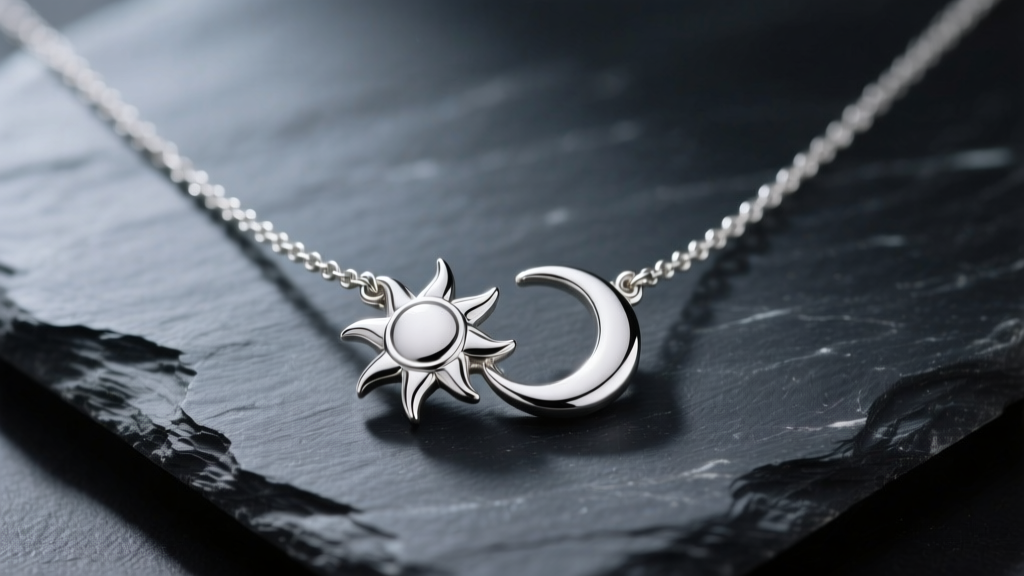
The celestial motif has remained a cornerstone of romantic, couple, and friendship jewelry for decades. However, the massive surge in demand for sun and moon matching necklaces has created a heavily saturated market. From $12 dropshipped brass pendants to $400 solid gold artisan casts, the price variance is staggering. For consumers, this raises a critical question: how do you accurately assess the value of a matching set before checking out?
As a jewelry appraiser and style analyst, I evaluate necklaces not just on their aesthetic appeal, but on their metallurgical integrity, mechanical longevity, and true cost-per-wear. This guide breaks down the exact material grades, chain mechanics, and pricing tiers you need to know to make an informed investment in celestial jewelry.
Material Breakdown: What You Are Actually Paying For
The foundation of any necklace's value lies in its base metal and surface treatment. When evaluating sun and moon matching necklaces, you will generally encounter three primary material categories. Understanding the difference between flash plating and true vermeil is the single most important factor in avoiding buyer's remorse.
1. Brass and Copper Alloys (The Budget Trap)
Most necklaces priced under $25 are cast from brass or copper. These base metals are inexpensive and easy to mold into intricate sunburst and lunar crater details. However, they react poorly to human sweat and environmental humidity. The copper content oxidizes rapidly, leading to the dreaded 'green skin' effect. To mask this, manufacturers apply a microscopic 'flash' plating of gold or silver (usually less than 0.1 microns thick). This plating wears off within weeks of daily use, exposing the reactive brass beneath.
2. 925 Sterling Silver (The Demi-Fine Standard)
Sterling silver is an alloy containing 92.5% pure silver and 7.5% copper. The copper adds necessary tensile strength, as pure silver is too soft for daily-wear chains. According to Fire Mountain Gems, sterling silver is the industry standard for quality demi-fine jewelry. When shopping for silver celestial sets, look for a rhodium plating over the silver; this prevents the copper alloy from tarnishing and gives the piece a bright, white-gold-like finish.
3. Solid 10k and 14k Gold (The Investment Tier)
Solid gold requires no plating and will never flake or turn your skin green. 14k gold (58.5% pure gold) offers the perfect balance of rich color and structural durability. While the upfront cost is significantly higher, solid gold sun and moon pendants retain intrinsic scrap value and can be easily polished or repaired by a bench jeweler if scratched.
Pricing Tiers and Value Matrix
To help you benchmark the market, I have categorized the current landscape of sun and moon matching necklaces into three distinct pricing tiers. Use this matrix to determine if a retailer's price tag aligns with their manufacturing costs.
| Tier | Price Range (Set) | Base Material | Plating / Finish | Expected Lifespan |
|---|---|---|---|---|
| Fast Fashion | $15 - $35 | Brass / Copper | Flash Plated (less than 0.1 microns) | 3 - 6 Months |
| Demi-Fine | $50 - $110 | 925 Sterling Silver | Gold Vermeil (2.5+ microns) or Rhodium | 2 - 5 Years |
| Fine Jewelry | $180 - $450+ | Solid 10k / 14k Gold | Solid Alloy (No plating required) | Lifetime / Heirloom |
Pro Tip: The Federal Trade Commission Jewelry Guides strictly dictate that a piece can only be marketed as 'Gold Vermeil' if it has a sterling silver base and a gold plating thickness of at least 2.5 microns. If a brand claims 'vermeil' but sells the set for $25, they are likely violating FTC guidelines and misrepresenting the plating thickness.
Chain Gauge and Clasp Mechanics: Hidden Value Indicators
Pendants get all the attention, but the chain and clasp dictate the actual survivability of the necklace. A beautiful 14k gold moon pendant is worthless if it falls off and gets lost due to cheap hardware.
Chain Gauge and Link Soldering
Budget matching sets typically use 1.0mm or 1.2mm unsoldered cable chains. Unsoldered means the tiny oval links are simply bent shut, not welded. Under just 2 to 3 pounds of tension—such as a pendant getting snagged on a sweater—these links will pull apart. High-value sets utilize 1.4mm to 1.6mm chains with soldered links (often rolo or welded cable chains), ensuring the chain will break only under extreme force.
Clasp Failure Modes
Cheap sets rely on small spring-ring clasps. The internal spring mechanism in a $2 spring ring is notorious for failing, leaving the clasp permanently open or stuck closed. Value-driven brands invest in lobster clasps or reinforced trigger clasps, which feature a stronger internal tension spring and a wider trigger lever for easy one-handed operation.
The Jump Ring Test
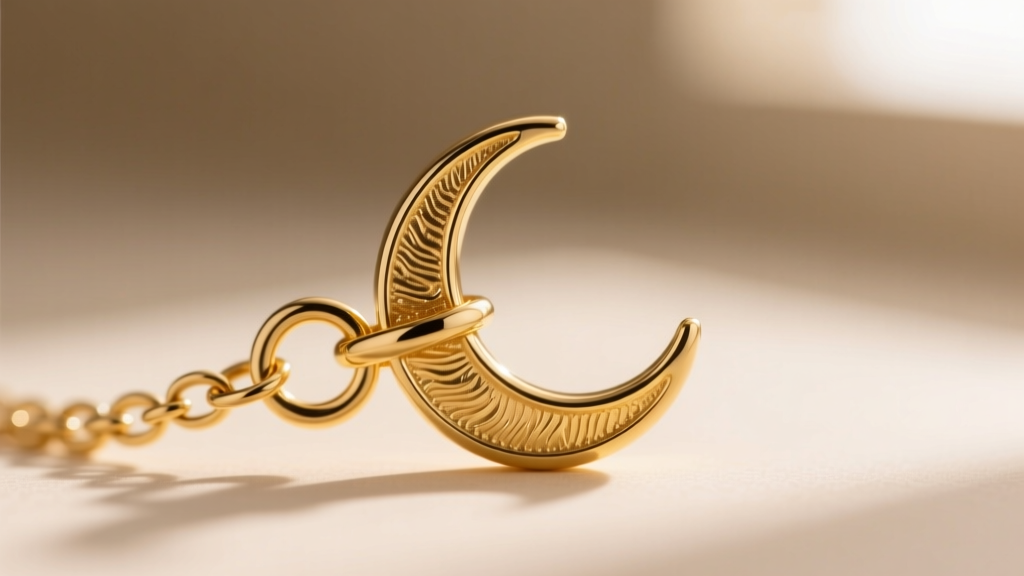
Look closely at the jump ring connecting the sun or moon pendant to the chain. In premium jewelry, this jump ring is soldered shut. In mass-produced jewelry, it is merely split. A split jump ring will eventually warp open from the friction of the chain sliding back and forth, resulting in a lost pendant.
Enamel and Detail Work: Where Cheap Necklaces Fail
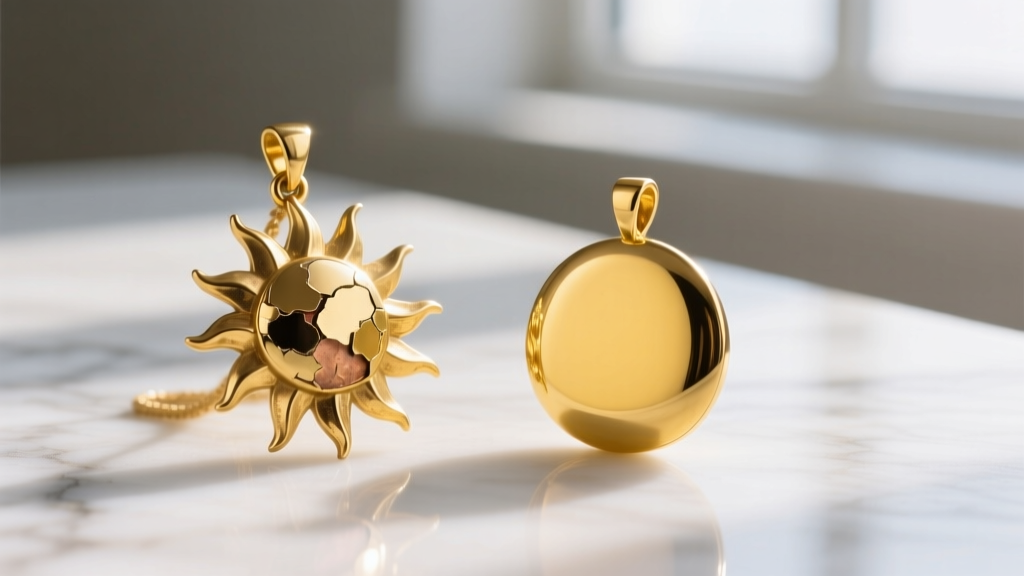
Many sun and moon matching necklaces feature black or blue backgrounds to make the celestial rays pop. The method used to apply this color is a massive indicator of overall value.
- Cold Enamel (Epoxy Resin): Used in budget tiers. This is essentially painted resin. It chips easily, yellows when exposed to UV light, and degrades when exposed to perfumes and lotions. You can spot cold enamel by its slightly domed, plastic-like appearance.
- Vitreous Enamel (Glass): Used in high-end artisan pieces. Glass powder is fused to the metal at temperatures exceeding 1400°F. It is highly scratch-resistant, UV-stable, and possesses a deep, glassy luster that epoxy cannot mimic. If a brand uses vitreous enamel, they will explicitly advertise it as a selling point.
How to Spot Overpriced Dropshipped Celestial Jewelry
The most common trap in the celestial jewelry market is the 'dropship markup.' Many Instagram and TikTok boutique brands source identical brass sun and moon pendants from overseas wholesale marketplaces for $3 per set. They rebrand them with aesthetic packaging and sell them for $65, marketing them as 'handcrafted' or 'ethically sourced.'
To protect your budget, perform a reverse image search on the product photos. If the exact same sun and moon pendant appears on AliExpress, Temu, or Amazon under five different brand names, you are looking at a mass-produced dropshipped item. In these cases, paying more than $20 is a poor allocation of your jewelry budget. True artisan jewelers will provide photos of their casting process, hallmark stamps (like '925' or '14k' deeply stamped into the metal, not just laser-etched on a tag), and original design sketches.
Final Verdict: Maximizing Your Celestial Investment
Sun and moon matching necklaces are a beautiful way to symbolize a connection, but the emotional value shouldn't blind you to poor metallurgical quality. If you are buying a novelty gift for a teenager, a $20 brass set is perfectly acceptable. However, if you are purchasing a meaningful piece for a partner, a best friend, or yourself to wear daily, bypass the fast-fashion tier entirely.
Aim for the $60 to $100 demi-fine sweet spot. Ensure the product description explicitly guarantees a 925 sterling silver base, a minimum of 2.5 microns of gold vermeil (or rhodium plating), soldered jump rings, and a lobster clasp. By demanding these specific manufacturing standards, you ensure your celestial connection shines brightly for years, rather than tarnishing in a matter of weeks.


