Jordon Hudson Wore a 'Banned' Necklace to the UNC Game: Care and Cleaning Guide
After Jordon Hudson wore a 'banned' necklace to the UNC game, custom pendants went viral. Here is the expert guide to cleaning and maintaining them.

The Viral Appeal of Custom Message Jewelry
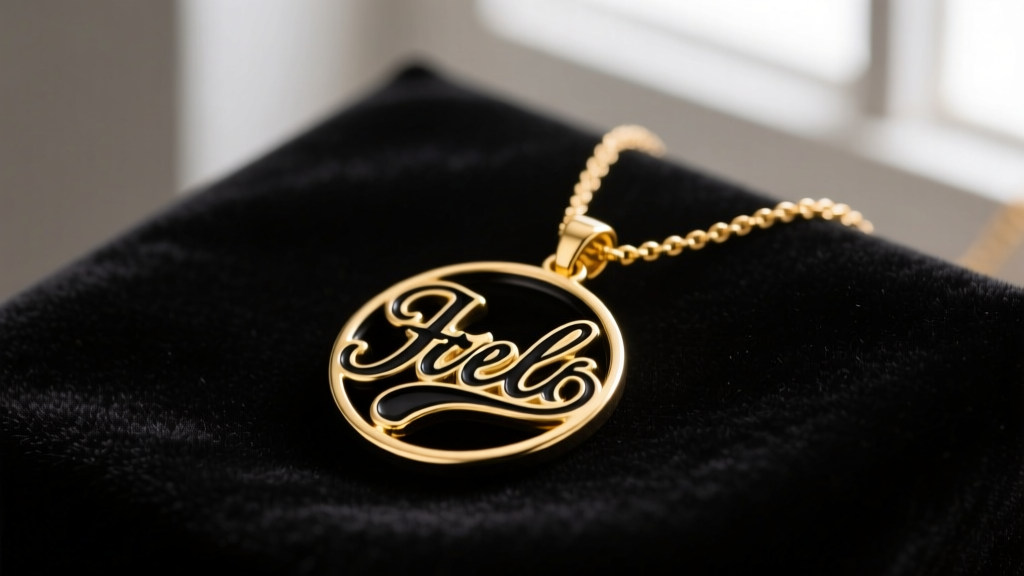
When the internet noticed that Jordon Hudson wore a 'banned' necklace to the UNC game, it wasn't just the controversial message that caught the eye of jewelry enthusiasts—it was the bold, custom-crafted nature of the piece itself. High-profile statement necklaces, particularly those featuring custom typography, enamel work, or mixed-media pendants, are designed to draw attention. However, as we move through 2026, the trend of wearing highly visible, custom-message jewelry means these pieces are subjected to intense scrutiny, frequent handling, and environmental stressors.
Whether you are wearing a custom pendant to a high-stakes football game or a high-profile gala, maintaining the pristine condition of the materials is paramount. Custom message necklaces often rely on delicate finishes like vitreous enamel, cold epoxy resin, or gold vermeil to make their text pop. Improper cleaning can strip these finishes, ruin the contrast of the typography, or weaken the structural integrity of the chain. This comprehensive care guide will walk you through the exact maintenance protocols required to keep custom statement pendants in flawless condition.
Material Breakdown: What Makes Up a Statement Pendant?
Before applying any cleaning solution, you must identify the exact materials used in your custom pendant. The 'banned' aesthetic often relies on high-contrast materials, which typically fall into two categories:
Vitreous Enamel vs. Cold Enamel
- Vitreous (Fired) Enamel: This is powdered glass fused to a metal base (usually sterling silver or solid gold) at temperatures exceeding 1,400°F. It is highly durable, scratch-resistant, and retains its color indefinitely. However, it is brittle and can chip or crack upon hard impact.
- Cold Enamel (Epoxy Resin): A two-part synthetic resin poured into metal recesses and air-cured. It is cheaper and more impact-resistant than vitreous enamel but is highly susceptible to UV yellowing, chemical degradation from alcohols, and scratching. Many modern custom message necklaces use cold enamel for intricate, multi-colored typography.
The Metal Base and Plating
Custom pendants are frequently crafted from 925 sterling silver and finished with a layer of gold vermeil (a minimum of 2.5 microns of 10k, 14k, or 18k gold over sterling silver). According to the Gemological Institute of America (GIA), vermeil requires specialized care, as harsh chemicals will strip the gold layer, exposing the silver beneath and leading to rapid tarnishing.
The Step-by-Step Cleaning Protocol for Custom Pendants
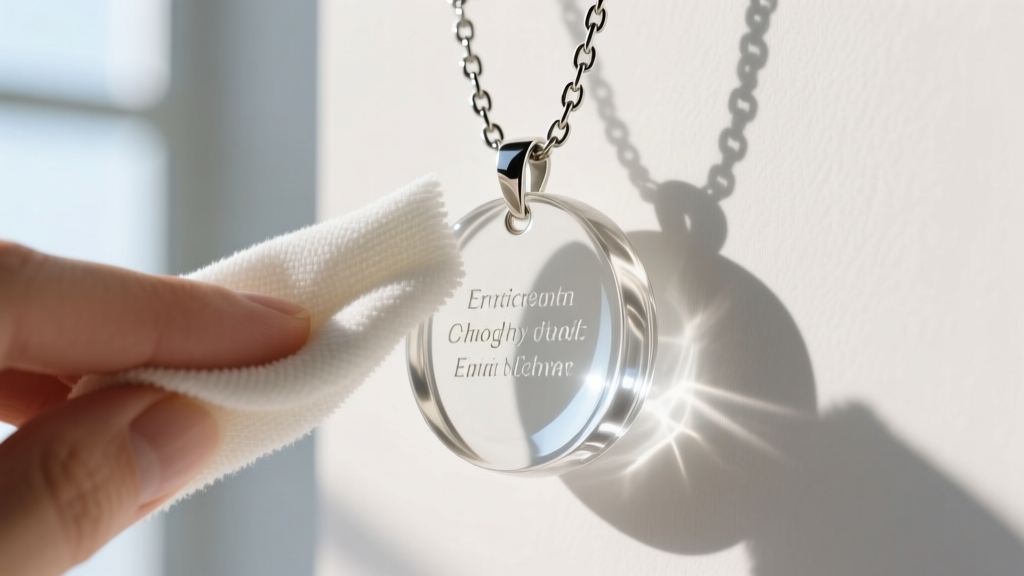
Never use ultrasonic cleaners or steamers on custom message jewelry. The high-frequency vibrations of an ultrasonic bath can shatter vitreous enamel, while the intense heat of a steamer will melt and cloud cold epoxy resin. Instead, follow this manual cleaning protocol:
- Prepare the Solution: Mix three drops of a mild, phosphate-free dish soap (such as original blue Dawn) into a bowl of lukewarm distilled water. Avoid tap water, as the chlorine and hard minerals can leave microscopic deposits on the enamel surface.
- Target the Chain: Submerge only the metal chain into the solution for 3 to 5 minutes. Use an extra-soft baby toothbrush to gently agitate the links, focusing on the areas near the clasp where skin oils accumulate.
- Clean the Pendant: Do not submerge the enamel pendant. Instead, dip a lint-free microfiber cloth into the soapy solution, wring it out until it is barely damp, and gently wipe the surface of the custom typography. For recessed enamel areas, use a dry, soft-bristled makeup brush to sweep out dust and debris.
- Rinse and Dry: Wipe the pendant with a cloth dampened with plain distilled water. Immediately dry the entire piece with a fresh microfiber cloth to prevent water spots on the metal base.
Material Compatibility Chart
Using the wrong chemical agent is the fastest way to destroy a custom pendant. Refer to this compatibility matrix before attempting to clean your jewelry:
| Material | Safe Cleaning Agents | Avoid At All Costs |
|---|---|---|
| Vitreous Enamel | Mild dish soap, distilled water, microfiber | Ultrasonic cleaners, hard impacts, hydrofluoric acid |
| Cold Enamel (Resin) | Damp microfiber cloth, mild soap suds | Rubbing alcohol, acetone, steamers, UV exposure |
| Gold Vermeil | Soap, water, specialized gold polishing cloth | Silver dip, ammonia, toothpaste, abrasive pastes |
| Sterling Silver Base | Silver polishing cloth, mild soap | Bleach, saltwater, prolonged humidity exposure |
For deep tarnish removal on the exposed silver edges of a pendant, experts at Rio Grande recommend using a treated silver polishing cloth rather than liquid dips, which can seep under the enamel and cause the metal to oxidize from the inside out.
Hardware Stress Points: Bails and Jump Rings
When a heavy custom pendant is worn to an active environment—like a crowded stadium or a lively tailgate—the hardware takes a massive amount of kinetic stress. The bail (the loop that holds the pendant) and the jump ring connecting it to the chain are the most common failure points.
Upgrading Your Jump Rings
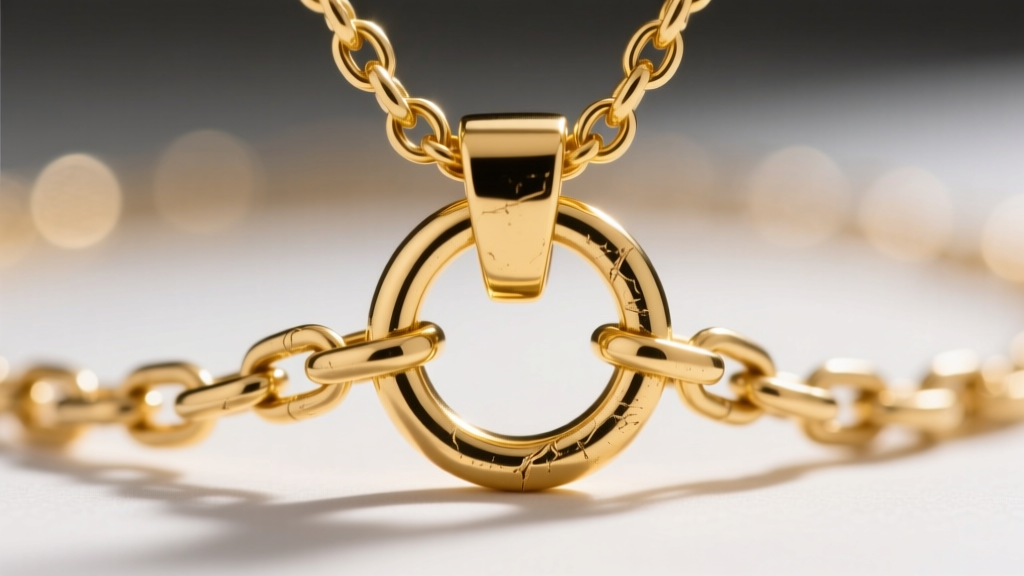
Most commercial custom necklaces are assembled with standard 20-gauge or 22-gauge open jump rings. These are simply bent wires with a slit. The weight of a solid enamel pendant, combined with the motion of walking, will eventually cause an open jump ring to pull apart, resulting in a lost necklace.
The Expert Fix: Take your custom pendant to a local jeweler and have the open jump ring replaced with a 16-gauge or 18-gauge solid soldered jump ring. A soldered ring is a continuous circle of metal fused shut with a laser or torch. It can withstand over 40 pounds of tensile stress, ensuring your statement piece stays securely attached to a heavy-duty rolo or cable chain, no matter how animated the game gets.
Storage and Preservation for High-Contrast Pieces
Proper storage is just as critical as cleaning, especially for pieces that rely on stark visual contrast. Tarnished silver borders around black enamel can make a custom message look muddy and neglected.
- Use Anti-Tarnish Strips: Store the necklace in an airtight polyethylene zip-lock bag along with a 3M anti-tarnish strip. These strips absorb sulfur compounds in the air that cause sterling silver to turn black. Replace the strips every 6 months.
- Control Humidity: Add a small silica gel desiccant packet to the storage bag to keep moisture levels below 40%, which is the threshold where rapid silver oxidation begins.
- Prevent Scratching: Never store multiple custom pendants in the same compartment. The metal edge of one pendant will easily scratch the cold enamel surface of another. Use individual soft flannel pouches or a jewelry box with velvet-lined, divided slots.
Statement necklaces are designed to spark conversation, make a bold claim, and turn heads. By understanding the specific material science behind your custom pendants and adhering to strict, gentle cleaning protocols, you ensure that your jewelry remains as impactful and pristine as the day it was first worn.


