Necklaces That Connect: Guide to Layering Clasps and Magnetic Links
Discover how necklaces that connect work. Learn about multi-strand layering clasps, magnetic pendants, hardware grades, and styling tips.

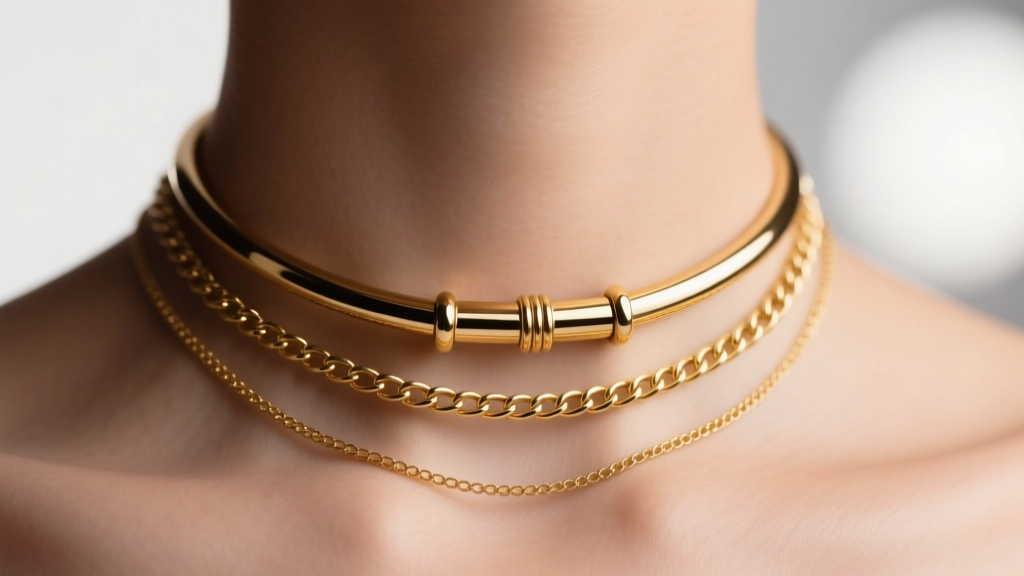
The jewelry landscape in 2026 is heavily focused on modularity and intention. Among the most searched and highly coveted accessories are necklaces that connect—a category that spans two distinct but equally fascinating design philosophies. On one hand, you have the hardware-driven world of multi-strand layering connectors, designed to keep stacked chains perfectly aligned and tangle-free. On the other, you have symbolic interlocking and magnetic pendants that physically connect to represent bonds between wearers. Whether you are trying to master the art of the untangled necklace stack or shopping for a high-grade magnetic couple’s pendant, understanding the metallurgy, mechanics, and failure modes of these connecting components is essential.
What Are Necklaces That Connect?
When jewelers and stylists refer to necklaces that connect, they are generally talking about one of two structural categories:
- Multi-Strand Layering Hardware: Specialized clasps, tube sliders, and ring connectors that join two to five separate chains into a single, cohesive necklace. This prevents the chains from twisting around each other and distributes the weight evenly across the clasp.
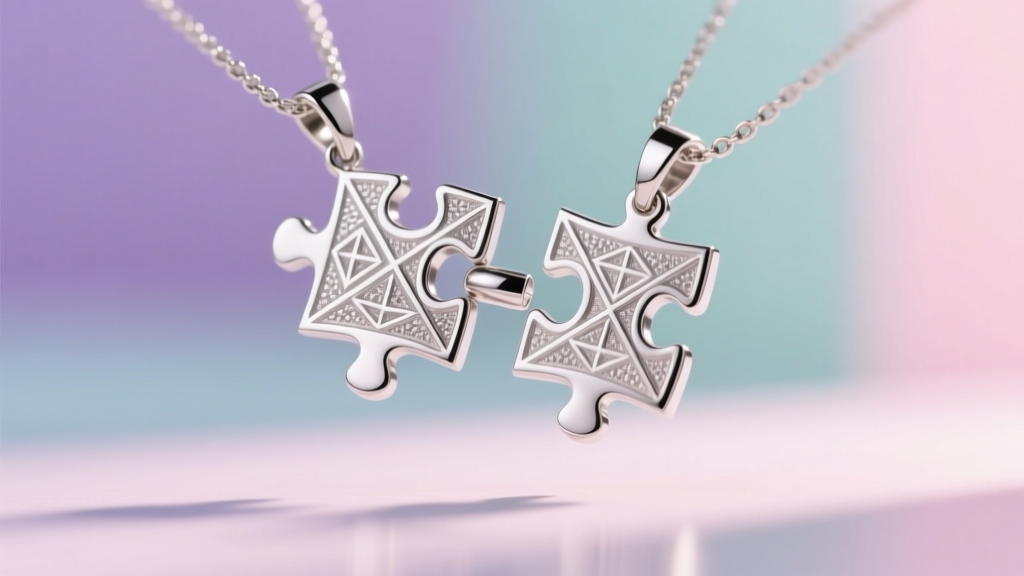
- Interlocking and Magnetic Pendants: Pendant pieces designed with hidden neodymium magnets or precision-milled puzzle joints that snap together when two wearers stand close, or that allow a single wearer to attach modular charms seamlessly.
While both categories rely on physical connection, the engineering requirements are vastly different. Layering hardware must endure constant tensile stress and friction, while magnetic connectors must balance holding force with wearability and safety.
The Mechanics of Multi-Strand Layering Connectors
Layering multiple chains without a connector usually results in a frustrating, tangled mess. Multi-strand connectors solve this by acting as a centralized anchor point. The two most common types are tube sliders and soldered ring connectors.
Tube Sliders vs. Ring Connectors
Tube sliders are cylindrical beads with multiple parallel holes (usually 2 to 5 holes, ranging from 2.5mm to 4.0mm in diameter). The chains thread completely through the tube, allowing the wearer to adjust the spacing between the chains. Ring connectors, conversely, feature a central hub with multiple soldered jump rings. Each chain is attached to its own ring via a small lobster clasp or an unsoldered jump ring.

According to manufacturing guidelines from Rio Grande, a leading jewelry supply authority, the integrity of a multi-strand piece relies entirely on the gauge of the jump rings connecting the chains to the central hub. For a three-strand necklace bearing a combined weight of over 15 grams, jewelers recommend using a minimum of 18-gauge (1.0mm thick) jump rings that are fully soldered shut to prevent the chains from pulling the rings open.
| Connector Type | Material Grade | Price Range | Best For | Common Failure Mode |
|---|---|---|---|---|
| Tube Slider | 14k Gold Vermeil | $45 - $90 | Adjustable spacing, 2-3 chains | Plating wear inside holes from friction |
| Soldered Ring Hub | Solid 14k Gold | $180 - $350 | Heavy pendants, 3-5 chains | Lobster clasp spring fatigue |
| Silicone Spacer | Medical-Grade Silicone | $12 - $25 | Lightweight chains, casual wear | Silicone tearing under heavy tension |
Magnetic and Interlocking Pendants: How They Work
For necklaces that connect symbolically, magnetic pendants are the industry standard. However, not all magnets are created equal. Cheap novelty necklaces often use weak ferrite magnets that separate if the wearer moves too quickly. High-end jewelry in 2026 utilizes N52 grade neodymium magnets.
Neodymium Magnet Grades in Jewelry
Neodymium magnets are graded by their maximum energy product, measured in Mega-Gauss Oersteds (MGOe). An N52 magnet is the strongest commercially available grade, offering a pull force that can easily support a 20-gram silver pendant half without accidental detachment. Because neodymium contains nickel—a common allergen—reputable jewelers encapsulate the magnet in a 316L surgical stainless steel or rhodium-plated brass shell. The Gemological Institute of America (GIA) frequently notes that proper encapsulation is critical not just for preventing contact dermatitis, but also for protecting the brittle neodymium core from shattering upon impact.
Expert Care Tip: Never store magnetic connecting necklaces near mechanical watches, credit cards, or pacemakers. The N52 magnetic field is strong enough to magnetize the hairspring of a mechanical watch, causing it to run inaccurately until demagnetized by a professional.
Step-by-Step: How to Build a Connected Layered Stack
If you are using a multi-strand connector to build a layered stack, the lengths and weights of your chains must be mathematically balanced to prevent the connector from tilting or flipping upside down.
- Select the Anchor Chain: Start with an 18-inch, 2.0mm cable chain. This will be the bottom layer and must bear the most visual weight.
- Choose the Connector: Use a 3-hole tube slider or a 3-ring soldered hub. Ensure the hub is centered.
- Add the Middle Layer: Attach a 16-inch, 1.5mm rope chain. The 2-inch difference ensures the chains drape without overlapping the exact same space.
- Add the Top Layer: Attach a 14-inch, 1.0mm box chain, ideally featuring a small bezel-set gemstone.
- Secure the Master Clasp: Because the combined weight of three chains and a metal connector can exceed 25 grams, do not use a standard 7mm spring ring clasp. Upgrade the master clasp at the nape of the neck to a 10mm or 12mm lobster clasp to ensure the tension spring does not fail.
Maintenance and Troubleshooting Common Hardware Failures
Even the finest necklaces that connect require specific maintenance. The most frequent point of failure in multi-strand necklaces is the master clasp at the back of the neck. Because the connector at the front pulls the chains taut, the back clasp experiences constant outward lateral tension. If you notice your clasp frequently unhooking, the internal spring mechanism has likely fatigued. Take the piece to a jeweler to have the master jump ring soldered shut and the clasp replaced with a heavier-duty trigger clasp.
For magnetic pendants, the primary issue is the degradation of the adhesive holding the magnet inside its metal shell. If you hear a rattling sound when you shake the pendant, the internal epoxy has failed. Stop wearing it immediately to prevent the magnet from falling out and being lost, and have a jeweler re-set it using a jewelry-grade, two-part cyanoacrylate adhesive.
Final Thoughts on Connected Jewelry
Whether you are investing in a solid 14k gold multi-strand slider to perfect your daily layering routine, or purchasing an N52 magnetic pendant set to symbolize a relationship, understanding the hardware elevates your jewelry game. By paying attention to gauge sizes, magnet grades, and clasp mechanics, you ensure that your necklaces that connect remain secure, beautiful, and functional for years to come.


