How to Clean, Style, and Preserve an Opal Ruby Necklace
Learn how to safely clean, store, and style an opal ruby necklace. Expert tips on managing Mohs scale differences and preserving gemstone brilliance.

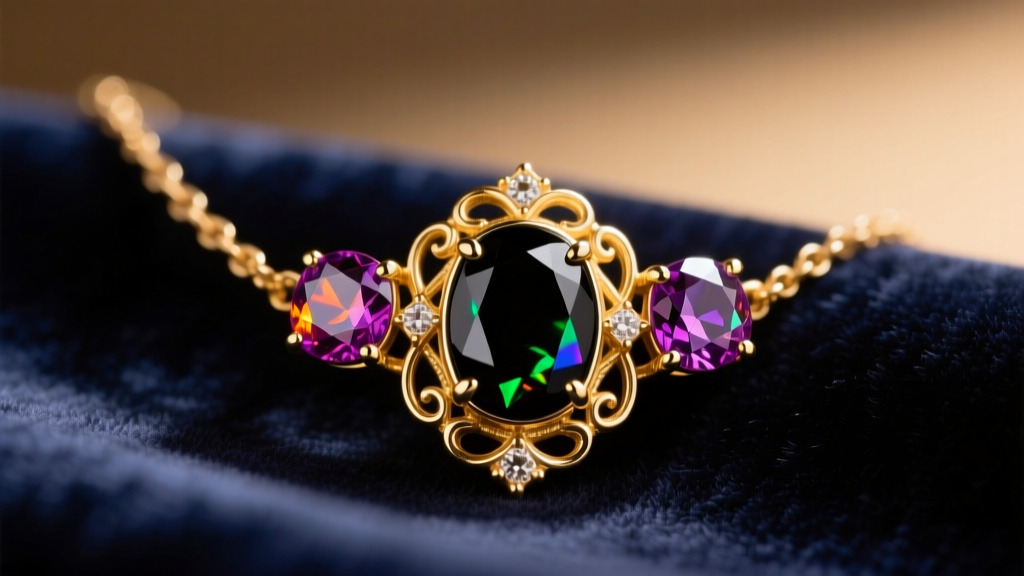
Combining the fiery, passionate depths of a ruby with the ethereal, color-shifting play of an opal creates a masterpiece of contrasting gemology. An opal ruby necklace is not just a striking piece of jewelry; it is a complex assembly of minerals with vastly different physical properties. While rubies are among the hardest natural substances on earth, opals are relatively soft, fragile, and water-dependent.
For jewelry collectors and daily wearers alike, understanding how to care for, style, and preserve this specific multi-gemstone combination is critical. A single mistake in cleaning or storage can permanently damage the opal while leaving the ruby completely unscathed. In this comprehensive guide, we break down the exact protocols for maintaining your opal ruby necklace, ensuring both stones retain their brilliance for generations.
The Gemological Challenge: Mohs Scale Disparity
To properly care for an opal ruby necklace, you must first understand the extreme gemological disparity between the two stones. The Mohs scale of mineral hardness dictates how gems interact with each other and their environment. Ruby (a variety of corundum) scores a 9 on the Mohs scale, making it exceptionally resistant to scratching. Opal (hydrated silica), however, scores between 5.5 and 6.5.
This massive gap in hardness means that if the stones are allowed to knock against each other, or if they are stored improperly, the ruby will easily scratch and dull the opal's delicate polish. Furthermore, their internal structures demand entirely different environmental conditions.
| Property | Natural Ruby (Corundum) | Natural Opal (Hydrated Silica) |
|---|---|---|
| Mohs Hardness | 9.0 | 5.5 - 6.5 |
| Cleavage / Fracture | No true cleavage; conchoidal fracture | No cleavage; highly susceptible to crazing |
| Water Content | 0% | 3% - 21% |
| Ultrasonic Cleaning | Generally Safe (unless heavily included) | NEVER - Will cause shattering |
| Steam Cleaning | Safe | NEVER - Heat causes cracking |
| Avg. Price per Carat (Fine) | $1,000 - $15,000+ | $100 - $10,000+ (Black Opal) |
Step-by-Step Cleaning Protocol
Because you cannot use standard commercial jewelry cleaners, ultrasonic machines, or steamers on an opal ruby necklace, you must rely on a meticulous manual cleaning process. Here is the safest, professional-grade method to remove skin oils and environmental dust without risking the opal's structural integrity.
Step 1: Dry Dusting and Inspection
Before introducing any moisture, use a clean, ultra-soft makeup brush or a dedicated jewelers' duster to gently sweep away loose dust. This prevents you from rubbing abrasive silica particles into the opal during the wet wash. Take a moment to inspect the prongs holding the ruby and the bezel or gallery holding the opal. If you notice any lifting or catching, stop and take it to a jeweler.
Step 2: The Lukewarm Soak
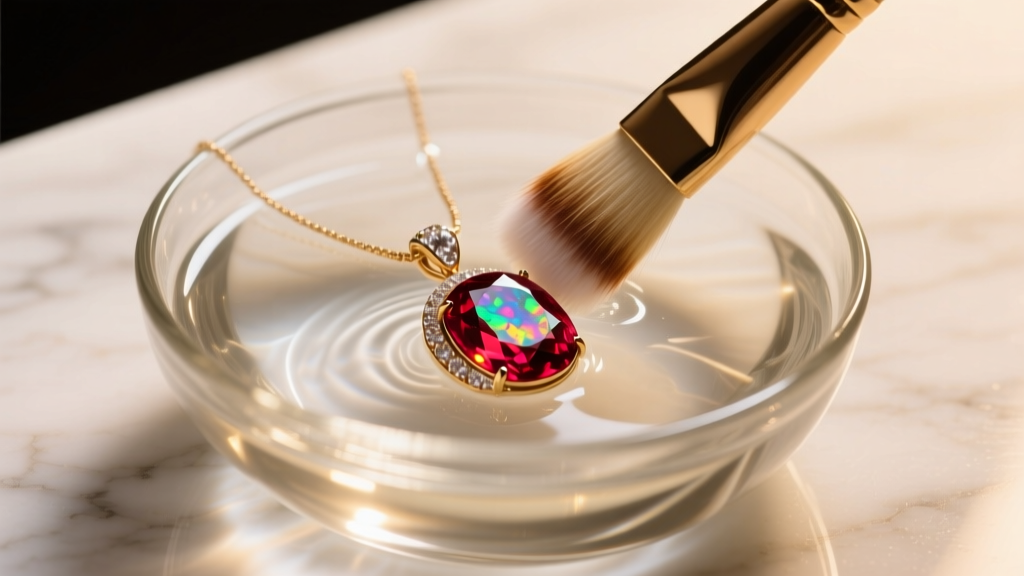
Fill a small glass bowl with distilled, lukewarm water. Never use hot or cold water, as thermal shock can cause the opal to craze (develop a network of fine internal cracks). Add a single drop of pH-neutral, fragrance-free dish soap. Submerge the necklace for no more than three to five minutes. This brief soak is enough to loosen sebum and cosmetics without allowing water to penetrate any micro-fissures in the opal.
Step 3: Targeted Agitation
Using a baby toothbrush (which has the softest bristles available), gently flick the bristles around the ruby's pavilion (the underside) where grease accumulates. You can apply slightly more pressure to the ruby. When you move to the opal, do not scrub. Merely glide the wet brush over the dome of the cabochon to lift dissolved oils.
Step 4: Rinsing and Drying
Rinse the necklace under a gentle stream of lukewarm distilled water. Do not use the stopper in the sink; always use a strainer or a towel in the basin to prevent accidental loss down the drain. Pat the piece dry with a lint-free microfiber cloth. Allow the necklace to air dry completely flat on a towel for an hour before storing. According to the Gemological Institute of America (GIA), ensuring the opal is completely dry at room temperature prevents moisture trapping in the setting.
Proper Storage and Humidity Control
Storage is where most multi-gemstone necklaces meet their demise. The primary enemy of the opal is crazing—the loss of internal water that leads to irreversible cracking. The primary enemy of the necklace as a whole is the ruby scratching the opal.
- Isolate the Stones: If the necklace design allows the stones to move freely and touch, you must store it laid completely flat in a dedicated jewelry box where the stones cannot swing into one another.
- Humidity Management: Opals thrive in environments with stable humidity. If you live in an arid climate or use central heating during winter, store the necklace in a sealed silk pouch alongside a small, damp (not wet) cotton ball enclosed in a separate plastic baggie to maintain ambient moisture.
- Avoid Light Exposure: Prolonged exposure to direct sunlight or intense display lighting can dehydrate the opal over time. Store the piece in a dark drawer or safe.
Expert Tip: Never store an opal ruby necklace in a standard safety deposit box for long periods without a humidity buffer. The extremely dry, climate-controlled environment of a bank vault is notorious for causing opals to craze and crack.
Choosing the Right Metal and Setting Architecture
When commissioning or buying an opal ruby necklace, the metal and setting style are just as important as the stones. Platinum is incredibly secure for holding diamonds and rubies, but its rigid nature means that a hard knock can transfer shock directly to an opal. 18k yellow or rose gold offers a microscopic amount of flex, which can actually absorb impact better for softer stones.
Furthermore, the setting architecture must be tailored to each gem. The ruby should be held in a classic four-prong or six-prong setting to allow maximum light entry into its facets. The opal, however, should always be set in a bezel or a rubbed-over setting. Prongs on an opal leave the edges exposed to chipping, and because opals are often cut en cabochon with a domed surface, a bezel provides a protective metal bumper against daily wear and tear.
Styling and Layering Your Opal Ruby Necklace
Beyond maintenance, mastering the visual impact of an opal ruby necklace requires an understanding of color theory and neckline geometry. The deep crimson of a ruby (especially the coveted 'pigeon's blood' hue) acts as a warm, grounding anchor, while the opal's play-of-color introduces dynamic, shifting tones.
Color Theory and Wardrobe Pairing
To make the red of the ruby and the spectral flashes of the opal truly pop, leverage complementary and triadic color schemes.
- Emerald and Forest Greens: Green is the direct complement to red. A deep green silk blouse will make the ruby look incredibly saturated, while providing a dark canvas for the opal's fire to shine.
- Charcoal and Slate Grey: Neutral, cool-toned greys allow the warm ruby and the multi-colored opal to take center stage without competing with loud patterns.
- Navy Blue: Navy provides a rich, regal backdrop that enhances the blue and green flashes commonly found in Australian black opals.

Neckline Matching
The length of your necklace dictates its ideal neckline. A 16-inch choker or collar-length opal ruby piece pairs best with a boatneck or off-the-shoulder top, allowing the gems to rest directly on the skin. An 18-inch princess-length pendant is universally flattering and sits perfectly in the negative space of a V-neck or scoop-neck blouse. For a 20-to-24-inch matinee or opera length, layer it with a simple, 14k gold paperclip chain to create a textured, multi-dimensional look that draws the eye downward.
When to Seek Professional Maintenance
Even with meticulous home care, an opal ruby necklace requires professional attention. Because opals are often cut en cabochon and rubies are faceted, they require different setting styles, which wear down differently over time.
You should take your necklace to a certified bench jeweler every 12 to 18 months for the following services:
- Prong Re-tipping: The ruby's prongs can wear down over time, risking stone loss.
- Bezel Burnishing: The metal surrounding the opal can lift or warp slightly upon impact, creating gaps where moisture and dirt can enter.
- Professional Polishing: While the ruby's facets can withstand standard polishing wheels, the opal requires a specialized, gentle cerium oxide polish to restore its luster if it becomes scratched. The GIA's ruby care guidelines also recommend checking for fracture-fillings in rubies, which can be damaged by standard jeweler's torches during sizing or repair.
Owning an opal ruby necklace is a commitment to both art and science. By respecting the distinct mineralogical needs of both the hydrated silica and the crystalline corundum, you ensure that this breathtaking juxtaposition of fire and water remains a vibrant, enduring part of your collection.


