Diamond Necklace Mom Guide: Troubleshooting Daily Wear Issues
Discover how to choose, protect, and troubleshoot a diamond necklace mom can wear daily. Solve chain breakage, dull stones, and toddler-pulling issues.


The Reality of Motherhood and Fine Jewelry
Finding the right diamond necklace mom can wear every day requires more than just picking a pretty stone in a display case. Active motherhood introduces a unique set of hazards to fine jewelry. From the sudden, high-tension yank of a toddler's hand to the daily application of zinc oxide sunscreens and lipid-heavy baby lotions, standard diamond necklaces often fail within the first year of daily wear. According to repair data from the Jewelers of America, chain breakage and prong snagging account for over 65% of all maternal jewelry repairs.
This troubleshooting guide moves beyond generic styling advice. We will diagnose the specific failure points of maternal jewelry and provide actionable, metallurgical, and structural solutions to ensure your diamond pendant survives the chaos of parenting while maintaining its brilliance.
Problem 1: Chain Snapping and Clasp Failure
The most common point of failure for any necklace worn by a mother of young children is the chain and clasp mechanism. A toddler grabbing a pendant can exert upwards of 15 to 20 pounds of instantaneous tensile force. Most delicate jewelry chains are rated for less than 5 pounds of tension before permanent deformation or snapping occurs.
The Metallurgy of Survival: 14k vs. 18k Gold
While 18k gold (75% pure gold) is prized for its rich color and hypoallergenic properties, it is inherently softer and more prone to micro-abrasions and stretching. For a mom constantly lifting car seats, carrying heavy diaper bags, and managing active children, 14k gold (58.5% pure gold) is the superior choice. The higher alloy content (typically zinc, copper, and silver) significantly increases the Vickers hardness of the metal, making 14k gold chains up to 30% more resistant to stretching and snapping under sudden tension.
Upgrading the Weakest Link: Clasp Mechanics
Standard spring-ring clasps are notorious for failing under stress. The internal spring mechanism is delicate, and the tiny lever is easily bent when snagged on a baby carrier strap.
- Avoid: Spring-ring clasps and magnetic clasps. Magnetic clasps can easily be pulled apart by a curious toddler or snap onto metal stroller frames, causing loss.
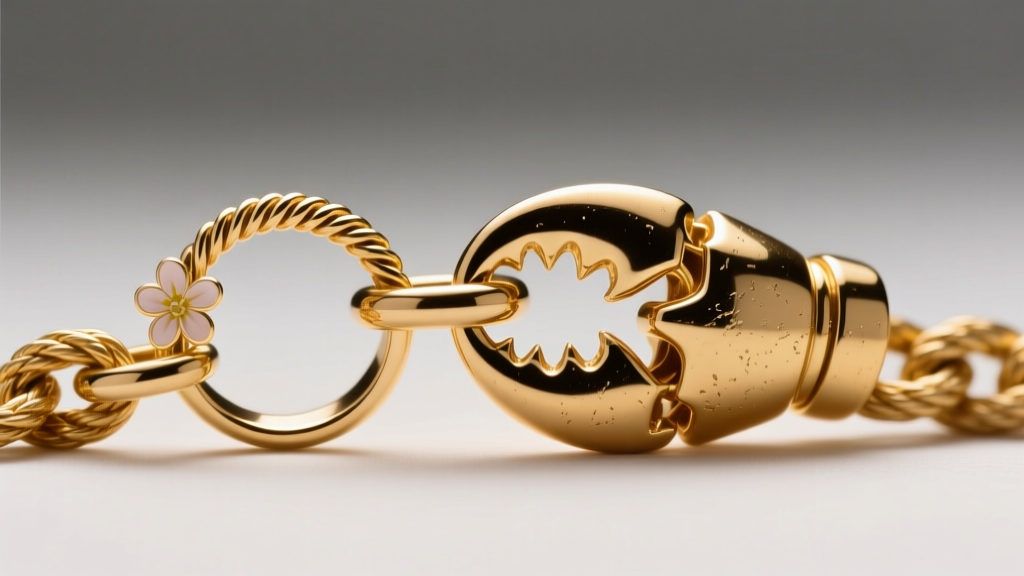
- Upgrade to: A solid lobster clasp. Lobster clasps feature a robust, spring-loaded lever that locks securely into the jump ring and can withstand significantly higher lateral tension.
Problem 2: The 'Danger Zone' Pendant Placement
Necklace length dictates not just aesthetics, but survival. A pendant that rests in the 'danger zone'—typically between the hollow of the throat and the upper sternum—is perfectly positioned for little hands to grab, twist, and pull.
Troubleshooting Length for Active Moms
The industry standard 16-inch choker length keeps the pendant high on the collarbone, largely out of reach of infants, but can feel restrictive during postpartum body fluctuations or while nursing. The standard 18-inch length places the diamond directly in the grabbing zone of a toddler sitting on your lap or in a front-facing carrier.
The Solution: Opt for a 20-inch chain that allows the pendant to rest below the toddler's natural reach, or invest in an 18-inch chain with a sturdy 2-inch extender. This allows you to wear the necklace longer during high-activity days (park visits, grocery runs) and adjust it shorter for evening wear or when the kids are asleep.
Problem 3: Prong Snags and Impact Damage
Traditional prong settings, such as the classic 4-prong martini or 6-prong Tiffany setting, elevate the diamond to maximize light return. However, exposed girdles and protruding metal prongs act like tiny grappling hooks. They catch on knit sweaters, diaper bag linings, and the nylon webbing of baby carriers. Worse, an elevated diamond is highly susceptible to impact damage if you lean over and strike the stone against a changing table or car door.
Setting Durability Comparison
| Setting Type | Snag Risk | Impact Protection | Mom-Life Verdict |
|---|---|---|---|
| 4-Prong Martini | High | Low | Avoid for daily active wear |
| 6-Prong Tiffany | Medium | Medium | Acceptable for older children |
| Halo Pave | High | Medium | Micro-prongs catch on fabrics |
| Full Bezel | Very Low | High | The ultimate mom-proof choice |
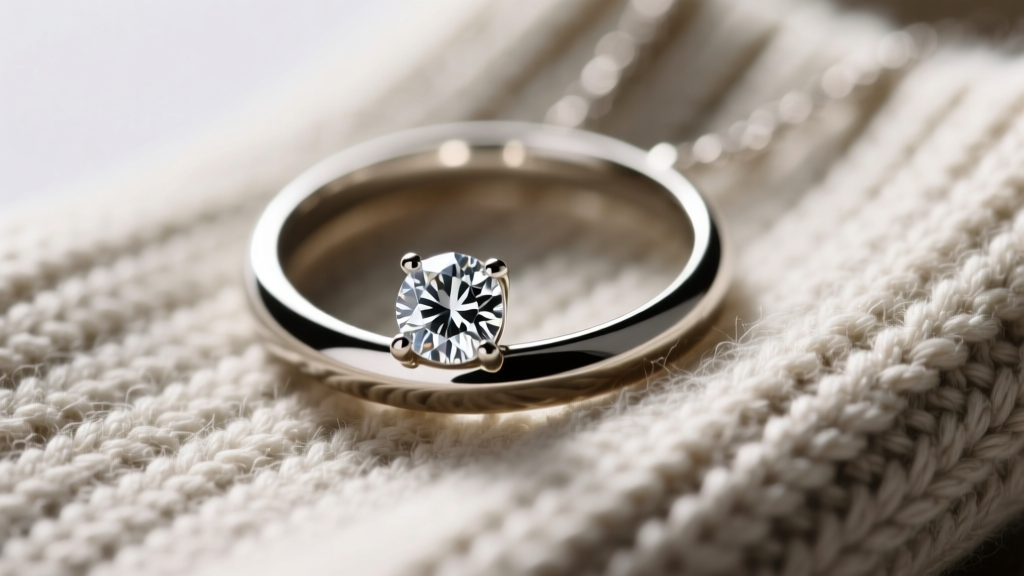
A full bezel setting encases the entire circumference (girdle) of the diamond in a smooth rim of metal. According to the Gemological Institute of America (GIA), bezel settings offer the highest level of protection for the stone's edges, which are the most vulnerable to chipping. A low-profile bezel eliminates snagging entirely and acts as a shock absorber against daily impacts.
Problem 4: The Lipid Film (Dullness from Lotions)
A frequent complaint among mothers is that their diamond necklace loses its sparkle within weeks of purchase. This is rarely a defect in the stone's cut; it is a chemical reality. Diamonds are highly lipophilic, meaning they naturally attract and hold onto oils and lipids.
The daily application of baby lotion, coconut oil, zinc-based sunscreens, and even natural skin oils creates a microscopic, opaque film over the pavilion (bottom) of the diamond. This film blocks light from entering and reflecting back through the crown, making even a flawless, D-color diamond look cloudy and gray.
The Mom-Proof Maintenance Routine
Many moms make the mistake of using toothpaste or baking soda to clean their jewelry. These are highly abrasive and will cause micro-scratches on the gold alloy and potentially the diamond's polished surface over time. Furthermore, ultrasonic cleaners, while effective, can vibrate loose the adhesives in fracture-filled diamonds or damage micro-pave accent stones if used weekly.
Step-by-Step Safe Cleaning Protocol
- The Soak: Fill a small bowl with warm (not hot) water and add three drops of mild, ammonia-free dish soap (like original Dawn). The surfactants in dish soap are specifically designed to break down lipid bonds.
- The Agitation: Let the necklace soak for 15 minutes. This softens the hardened sunscreen and lotion buildup.
- The Brush: Use a brand-new, ultra-soft baby toothbrush. Gently brush the back of the diamond (the pavilion), where the majority of oil accumulates. Do not scrub the gold chain aggressively.
- The Rinse: Rinse under lukewarm running water, ensuring the drain is securely plugged.
- The Dry: Pat dry with a lint-free microfiber cloth. Avoid paper towels, as the wood pulp fibers can leave microscopic scratches on soft gold alloys.
Summary: Building a Resilient Jewelry Wardrobe
Troubleshooting a diamond necklace for a mother isn't about sacrificing beauty for durability; it is about making intelligent, structural choices. By selecting a 14k gold rope or wheat chain, upgrading to a secure lobster clasp, opting for a low-profile bezel setting, and implementing a lipid-breaking cleaning routine, you ensure the piece remains a lasting, sparkling testament to her journey through motherhood. Fine jewelry should adapt to your life, not the other way around.


