Is a Dainty Lariat Necklace Worth It? 2026 Value Guide
Discover if a dainty lariat necklace is worth your budget in 2026. We analyze material grades, friction failure modes, and true cost-per-wear.

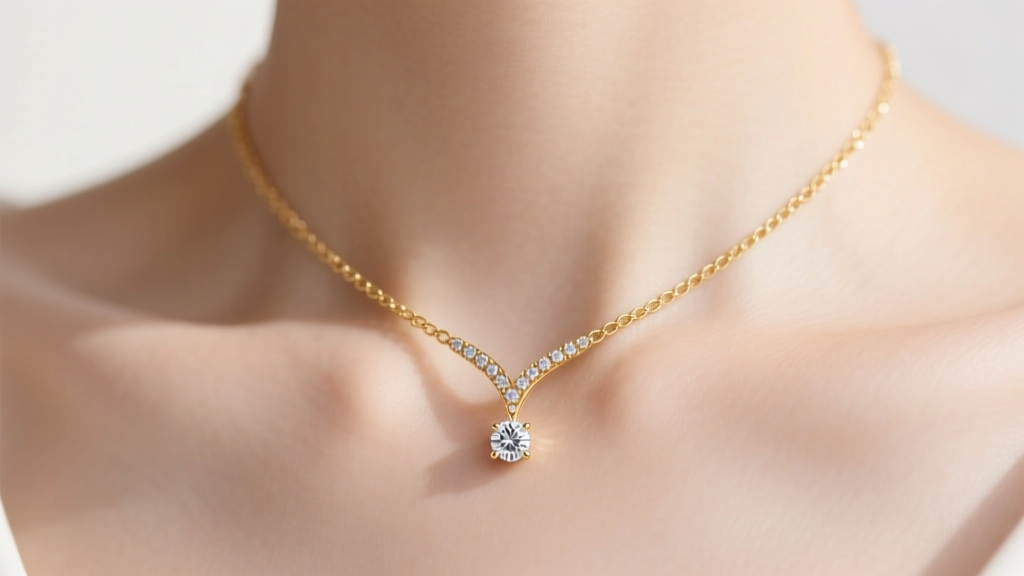
The dainty lariat necklace—often referred to as a Y-necklace or lasso necklace—has cemented its place as a modern jewelry staple. Characterized by a delicate chain that drops down into a vertical tail, usually bypassing a traditional clasp in favor of a slide bead or an open ring, this style offers unparalleled versatility. But as inflation and precious metal fluctuations reshape the 2026 jewelry market, consumers are asking a critical question: Is investing in a dainty lariat necklace actually worth the money, or are budget-friendly alternatives a smarter financial move?
When evaluating the budget and value of any fine or semi-fine jewelry piece, the initial price tag is only a fraction of the equation. True value is determined by material longevity, structural integrity, and cost-per-wear. In this comprehensive assessment, we break down the hidden costs, common failure modes, and material realities of the dainty lariat necklace to help you allocate your jewelry budget with absolute precision.
The Anatomy of a Dainty Lariat: Where Costs Hide
To assess value, you must first understand the mechanics of the lariat design. Unlike standard chain necklaces that distribute tension evenly across the links, a lariat necklace introduces a concentrated point of friction: the slide mechanism. This is the component (usually a small metal bead, a silicone-lined O-ring, or a soldered jump ring) that the vertical tail passes through to secure the necklace around the neck.
In budget-friendly lariats, manufacturers often cut costs at this exact junction. A hollow, thinly plated slide bead will quickly wear down from the daily friction of the chain pulling back and forth. Furthermore, the chain type itself dictates both the manufacturing cost and the lifespan of the piece. While snake chains and box chains look sleek and cost less to produce in lower karat alloys, they are notoriously poor choices for lariat designs due to their susceptibility to kinking and work-hardening when bent repeatedly through a tight slide ring.
Material Grades & Pricing Tiers (2026 Market Breakdown)
The term 'dainty' usually implies a lightweight, sub-millimeter chain, which means less precious metal is used overall. However, the base metal and plating thickness drastically alter the pricing and lifespan. Below is the 2026 market breakdown for dainty lariats.
| Material Grade | Avg. Price Range (2026) | Expected Lifespan | Friction Resistance |
|---|---|---|---|
| Gold Plated (Brass Base) | $15 - $35 | 3 - 6 Months | Poor (Plating rubs off at slide bead) |
| Gold Vermeil (Sterling Base) | $45 - $85 | 1 - 2 Years | Moderate (Requires careful handling) |
| Gold-Filled (14k/20) | $60 - $120 | 3 - 5+ Years | High (Thick mechanically bonded layer) |
| Solid 14k Gold | $180 - $350+ | Lifetime | Excellent (No plating to wear away) |
According to guidelines outlined by the Federal Trade Commission, gold-filled items must contain a minimum of 5% gold by weight, making it a vastly superior budget alternative to standard plating. For a lariat necklace, where friction is unavoidable, gold-filled or solid gold are the only materials that guarantee long-term value.
Common Failure Modes in Budget Lariats
When conducting a budget assessment, you must factor in the 'replacement tax'—the hidden cost of buying a cheap necklace multiple times because it fails. Dainty lariats are particularly prone to specific structural failures that buyers often overlook until it is too late.
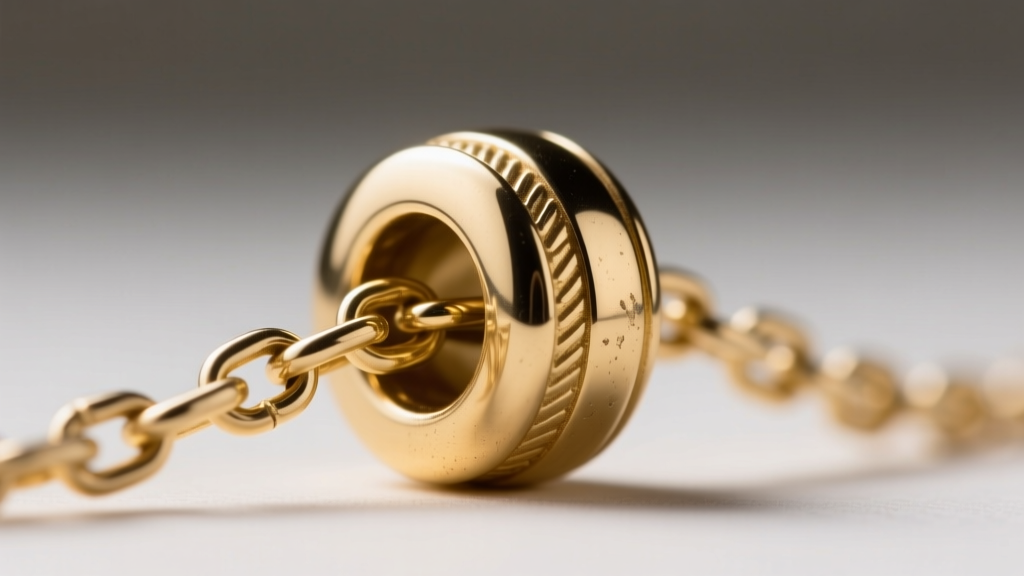
The Chain Gauge Dilemma
'Dainty' is a marketing term, but in jewelry manufacturing, it translates to specific gauge measurements. Most dainty lariats range from 0.4mm to 0.8mm in thickness. While a 0.4mm chain looks incredibly elegant and delicate, it is a massive liability for a lariat design. The act of pulling the vertical tail through the slide bead to adjust the fit puts sheer stress on the links. Over time, a 0.4mm cable chain will stretch, and a 0.4mm snake chain will snap. For optimal value and durability, seek out a dainty lariat with a minimum chain thickness of 0.55mm to 0.65mm. This provides the delicate aesthetic you want while retaining the tensile strength required for the lariat mechanism.
The Friction Point Wear
As noted by the Gemological Institute of America (GIA), gold plating on jewelry is measured in microns. Budget plated lariats often feature a mere 0.5-micron flash plating. Because the chain constantly saws back and forth against the interior of the slide bead or O-ring, that microscopic layer of gold is stripped away within weeks, leaving a dull brass or copper ring that can turn your skin green and ruin the aesthetic of the necklace. If you are buying on a strict budget, a gold-filled slide bead on a gold-filled chain is the absolute minimum threshold for acceptable friction resistance.
How to Evaluate Value Before Buying
When shopping online or in-store, use this rapid value-assessment checklist to determine if a dainty lariat necklace is worth your hard-earned money:
- Check the Chain Type: Opt for cable, rolo, or mariner chains. Avoid snake, omega, or box chains for lariat styles, as they cannot withstand the repeated bending required to thread through the slide mechanism.
- Inspect the Slide Mechanism: Does the vertical tail pass through a soldered ring or a bead? Beads offer better grip and prevent the necklace from slipping, but ensure the bead is solid or heavily plated. If it's an open jump ring, check that the gap is flush; otherwise, the chain will catch and fray.
- Verify the Clasp Quality: Even though the front is a lariat, the back still needs a clasp. Budget brands use tiny, fragile spring ring clasps that break easily. A high-value piece will feature a sturdy lobster clasp or a secure magnetic clasp, even on a delicate chain.
- Look for a Silicone Stopper: Some premium brands include a tiny, transparent silicone O-ring inside the metal slide bead to increase grip and reduce metal-on-metal friction. This is a hallmark of thoughtful, high-value engineering.
Styling ROI: Cost Per Wear Analysis
Value is not just about how long a piece lasts; it is about how often you wear it. The dainty lariat necklace boasts one of the highest Returns on Investment (ROI) in the jewelry box due to its styling versatility. Unlike a rigid choker or a fixed-length pendant, a lariat is infinitely adjustable.

You can wear it long and relaxed over a silk blouse for the office, adjust it to a shorter Y-drop for a deep V-neck evening dress, or even wrap it twice around the neck for a layered, choker-like effect. This adaptability means the cost-per-wear drops significantly compared to trend-heavy, single-use statement pieces. A $120 gold-filled lariat worn three times a week over two years yields a cost-per-wear of just $0.46. Compare this to a $40 plated trend necklace that tarnishes after five wears ($8.00 per wear), and the financial superiority of investing in quality becomes undeniable.
Final Verdict: Where to Allocate Your Budget
Is a dainty lariat necklace worth it? Absolutely—but only if you bypass the ultra-cheap, flash-plated tiers. The mechanical reality of the lariat design demands materials that can withstand constant friction and tension.
If your budget is under $50, you are better off saving your money or opting for a high-quality sterling silver lariat (which can be polished when it tarnishes) rather than buying a gold-plated piece that will inevitably fail at the slide bead. If you can stretch your budget to the $80–$150 range, a 14k gold-filled dainty lariat with a 0.6mm cable chain offers the perfect intersection of luxury aesthetics, structural durability, and long-term financial value. By prioritizing chain gauge and friction-resistant materials over brand names, you secure a timeless piece that will elevate your wardrobe for years to come.
For more insights on maintaining your jewelry investments and identifying industry standards, consult resources from Jewelers of America to ensure your purchases meet professional benchmarks for quality and craftsmanship.


