Karla Jordan Necklace Troubleshooting: Tangling & Repairs
Is your Karla Jordan necklace tangled, tarnished, or broken? Discover expert troubleshooting tips, repair hacks, and maintenance routines for delicate chains.

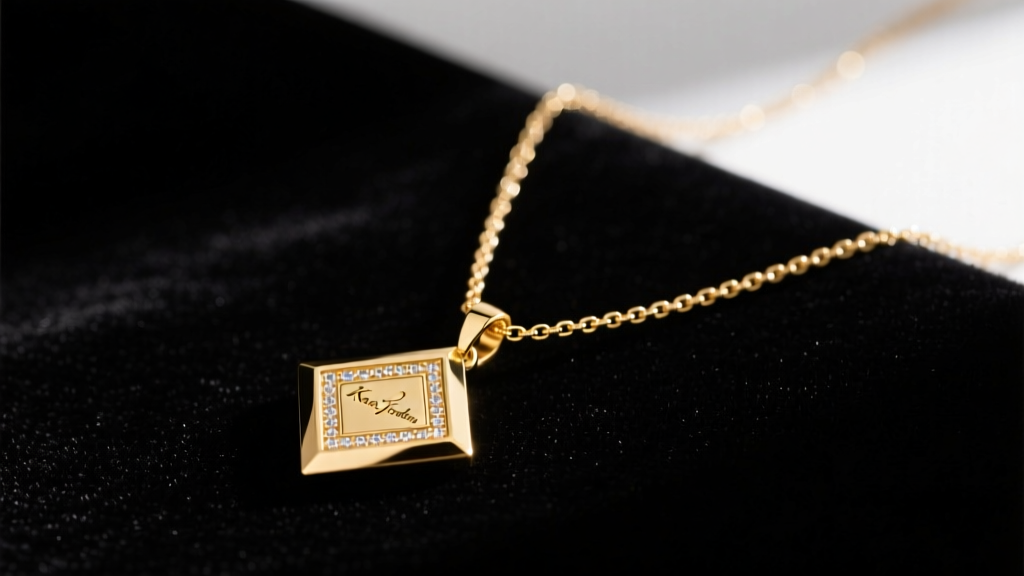
The modern minimalist jewelry market is saturated with delicate chains, but few have achieved the cult following of the Karla Jordan necklace. Known for its ultra-fine cable links, subtle geometric pendants, and lightweight layering capabilities, this piece is a staple in contemporary jewelry boxes. However, the very features that make this necklace so aesthetically pleasing—its gossamer-thin gauge and flexible drape—also make it highly susceptible to tangling, clasp fatigue, and premature tarnishing.
If you are struggling with a knotted chain, fading gold tones, or a stubborn clasp, you are not alone. Troubleshooting fine jewelry requires a shift away from brute force and toward precision mechanics and chemical awareness. In this comprehensive guide, we will break down the exact failure modes of delicate designer chains and provide actionable, jeweler-approved solutions to restore your Karla Jordan necklace to its original condition.
The Anatomy of Delicate Designer Chains
Before attempting any repairs, it is crucial to understand the physical properties of your jewelry. The standard Karla Jordan necklace typically features a cable chain measuring between 0.8mm and 1.1mm in width, crafted from sterling silver and heavily plated with 14k gold vermeil. According to the Gemological Institute of America (GIA), true vermeil must feature a gold layer of at least 2.5 microns over a sterling silver base. This thin, soft gold layer is highly prone to micro-abrasions if handled with standard steel jewelry pliers.
Furthermore, the tensile strength of a 0.9mm sterling silver cable chain is remarkably low. Applying more than a few pounds of lateral pressure will permanently stretch the links, transforming perfectly round ovals into elongated, weak points that are highly likely to snap under the weight of a pendant.
Troubleshooting Matrix: Common Karla Jordan Necklace Issues
| Symptom | Root Cause | DIY Fix | Professional Cost Estimate |
|---|---|---|---|
| Severe Micro-Knots | Friction, static, and body oils acting as an adhesive on fine links. | Mineral oil and dual sewing needle technique. | $25 - $45 (Bench fee) |
| Gold Fading / Brass Tones | Depletion of the 2.5-micron gold layer; silver sulfide oxidation. | Gentle polishing with a treated silver cloth. | $60 - $120 (Re-plating) |
| Clasp Refuses to Close | Degraded internal spring or bent lever mechanism. | Replacement of the lobster or spring-ring clasp. | $35 - $65 (Parts + Labor) |
| Stretched / Warped Links | Snagging on clothing; sleeping in the necklace. | None (Irreversible structural damage). | $50+ (Chain rebuilding) |
Issue 1: The Dreaded Micro-Knot
Because the links on a Karla Jordan necklace are so small, they easily slip inside one another, creating dense, multi-layered micro-knots. The worst mistake you can make is pulling the ends of the chain. This tightens the knot and warps the individual links, making professional repair nearly impossible without cutting the chain.
The Dual-Needle Extraction Method
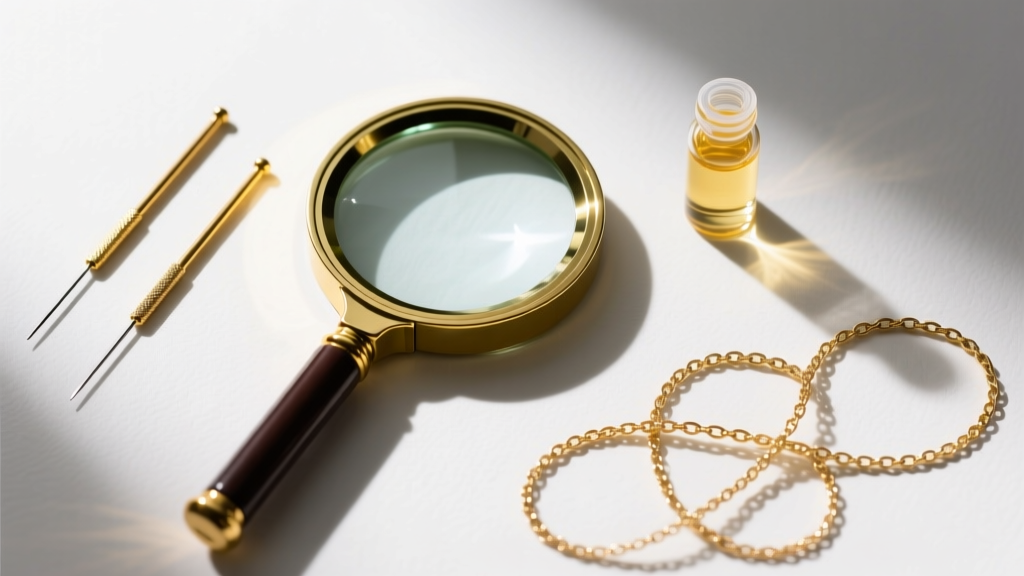
To safely untangle your necklace, you need to eliminate friction. Avoid baby oil or olive oil, as these leave behind sticky residues that attract dust and accelerate tarnish. Instead, use pure, food-grade mineral oil.
- Preparation: Lay the necklace flat on a hard, non-porous surface like a glass table or ceramic tile. Avoid fabric, which creates static and absorbs the oil.
- Lubrication: Apply a single drop of mineral oil directly to the center of the knot using a cotton swab.
- Extraction: Take two fine-tipped sewing needles. Insert the tips into the centermost link of the knot. Gently wiggle the needles in opposite directions to create a microscopic gap.
- Patience: Work outward from the center link by link. Never pull the chain ends. Once the knot is loose, use a soft-bristled baby toothbrush and mild dish soap to remove the mineral oil.
Issue 2: Vermeil Tarnish and Fading
When your Karla Jordan necklace begins to look dull, brassy, or dark, you are witnessing a chemical reaction. Tarnish on vermeil is not the gold itself changing color; it is the sterling silver core oxidizing and bleeding through microscopic pores in the gold plating. When silver reacts with sulfur compounds in the air, sweat, or cosmetics, it forms silver sulfide—a dark, dull film.
Safe Cleaning Protocols
Never use liquid chemical silver dips or ultrasonic cleaners on gold vermeil. Chemical dips strip the gold layer entirely, while ultrasonic vibrations can shake the delicate cable links apart at the solder joints. The Jewelers of America recommends using only a specialized, chemically treated polishing cloth designed for gold-plated items. Gently rub the chain between your fingers using the cloth, applying zero downward pressure. For the pendant, use a soft microfiber cloth dampened with warm water and a drop of pH-neutral soap.
Clasp and Jump Ring Failures: DIY vs. Jeweler
The clasp is the most mechanically complex part of any necklace, and on lightweight chains, it takes the brunt of the physical stress. The Karla Jordan necklace typically utilizes a small lobster clasp or a spring-ring clasp attached via a jump ring.
Diagnosing the Jump Ring Gap
If your pendant keeps slipping off, or the clasp feels loose, the jump ring (the tiny circular wire connecting the components) has likely pulled open. This happens when the necklace is tugged. To close a jump ring properly, you must never pull the ends apart laterally like a hinge. Instead, use two pairs of nylon-jaw pliers to twist the ends of the wire past each other, then twist them back to the center. This maintains the structural integrity and circular tension of the metal.
When to Replace the Clasp
If a spring-ring clasp will not snap shut, the internal micro-spring is likely corroded or broken. This is not a DIY fix. A professional jeweler will laser-solder a new clasp onto the existing end-ring. Laser welding is mandatory here; traditional torch soldering generates too much ambient heat and will melt the fine 0.9mm chain links adjacent to the clasp.
Preventative Storage Framework
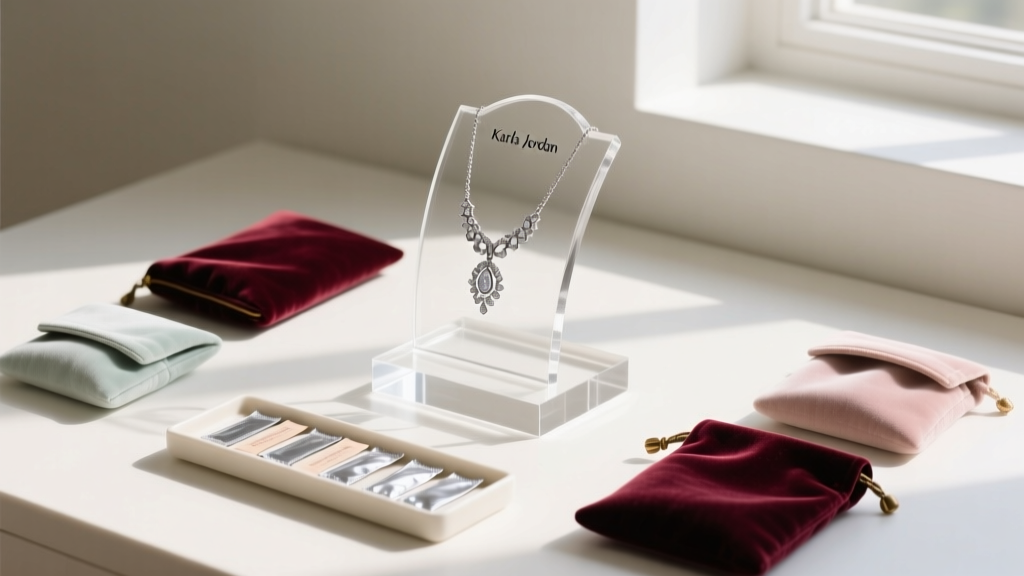
Troubleshooting is reactive; proper storage is proactive. The primary enemies of delicate gold vermeil chains are humidity, airborne sulfur, and physical friction. To protect your investment, implement the following storage framework:
- The Straw Method for Travel: When packing, unclasp the necklace, thread one end through a standard plastic drinking straw, and re-clasp it. This keeps the chain perfectly taut and physically prevents the links from crossing over one another, eliminating 100% of travel-related tangles.
- Anti-Tarnish Environments: Store the necklace in an airtight ziplock bag along with a 3M anti-tarnish strip or a piece of Pacific Silvercloth. These materials actively absorb sulfur compounds from the trapped air, halting the oxidation process before it begins.
- Isolation: Never store your Karla Jordan necklace in a communal jewelry box alongside heavier pieces, such as chunky silver bangles or gemstone rings. The Mohs hardness scale dictates that harder materials will easily scratch the relatively soft 14k gold vermeil surface.
When to Seek Professional Restoration
While micro-knots and light tarnish can be managed at home, certain damage requires the intervention of a master jeweler. If your necklace has suffered a clean break in the middle of the chain, do not attempt to use jewelry glue or wire-wrapping. Glue will ruin the vermeil finish, and wire-wrapping will look clumsy on a delicate 0.9mm cable chain.
Take the piece to a jeweler who specializes in laser welding. Laser welding uses a highly focused beam of light to fuse a microscopic piece of matching sterling silver wire into the broken link without transferring heat to the surrounding gold plating. Once soldered and lightly polished, the break will be virtually invisible, allowing your Karla Jordan necklace to remain a flawless staple in your layering rotation for years to come.


