Gold Lavalier Necklace Buying Guide: What to Look For
Discover what to look for when buying a gold lavalier necklace. Learn about karat weights, chain pairings, bail types, and pricing in our expert guide.

The Anatomy of a True Lavalier Necklace
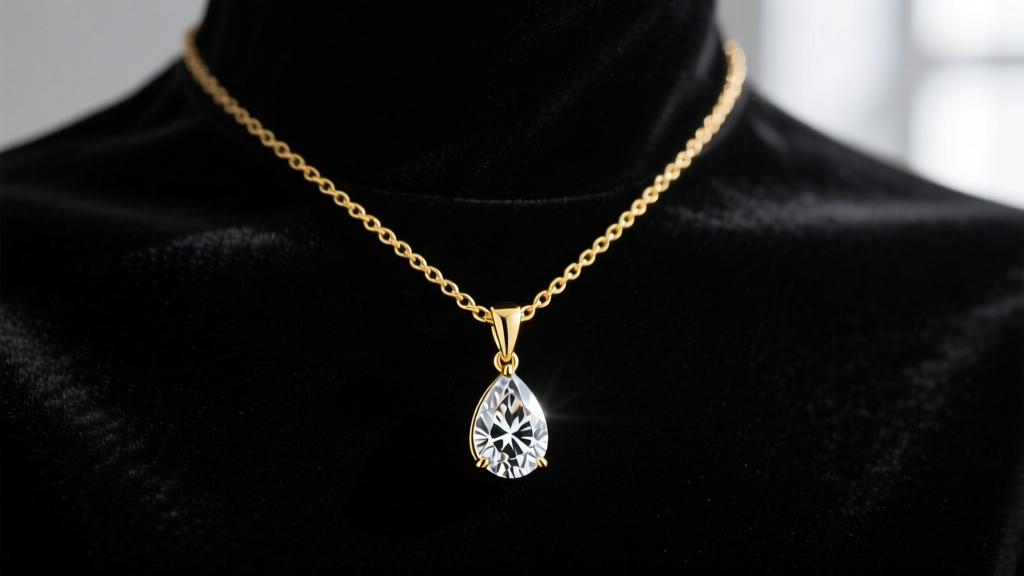
When navigating the nuanced world of vintage and modern fine jewelry, the gold lavalier necklace stands out as a masterclass in elegant verticality. Unlike standard pendants that sit flat against the collarbone, a true lavalier (often spelled lavalière) is defined by its distinct vertical drop. According to the Antique Jewelry University, the style originated in the late 19th century, characterized by a central motif that suspends a secondary drop—often a briolette gemstone, a natural pearl, or an articulated metal teardrop—creating a subtle Y-shape or an elongated silhouette.
In the 2026 fine jewelry market, the lavalier has evolved beyond its Edwardian roots. Modern interpretations frequently feature detachable drops, mixed-metal accents, and tension-set briolettes. However, the fundamental engineering challenge remains the same: supporting a concentrated, swinging weight at the end of a delicate gold chain without compromising the structural integrity of the links or the clasp mechanism.
Selecting the Right Gold Karat for Drop Pendants
The gold purity you choose dictates both the aesthetic warmth of the piece and its tensile strength. Because a lavalier pendant acts as a pendulum, the chain and the bail endure continuous kinetic stress.
14k Gold (58.5% Pure)
Alloyed with copper, silver, and zinc, 14k gold offers superior tensile strength. It is the optimal choice for ultra-fine chains (under 1.0mm wire gauge) tasked with holding heavier articulated drops. The trade-off is a slightly paler yellow hue, though modern rhodium or high-polish finishing techniques easily elevate its luster.
18k Gold (75% Pure)
Prized for its rich, buttery yellow color, 18k gold is softer and more prone to stretching under heavy loads. If you prefer 18k gold for your lavalier necklace, ensure the chain features a thicker wire gauge (minimum 1.2mm) and a robust clasp, such as a reinforced lobster or a custom box clasp with a safety figure-eight.
22k Gold (91.6% Pure)
Rarely used for the chains themselves due to extreme malleability, 22k gold is occasionally found in the pendant bodies of vintage Middle Eastern or Indian lavalier designs. These pieces require specialized care and should be worn strictly as occasional-wear statement pieces rather than daily staples.
Chain Pairing and the 1:4 Weight Ratio Rule
The most common point of failure in drop-style necklaces is an improperly matched chain. Jewelers utilize the 1:4 weight ratio rule to ensure longevity and proper drape. This rule dictates that the total weight of the gold chain must be at least four times the weight of the lavalier pendant.
If your gold lavalier drop weighs 3.5 grams, your chain must weigh a minimum of 14 grams. Failing to meet this ratio results in the clasp constantly migrating to the front of the neck and significantly increases the risk of the chain snapping at the link adjacent to the bail due to kinetic shock.
Chain Style Performance Matrix
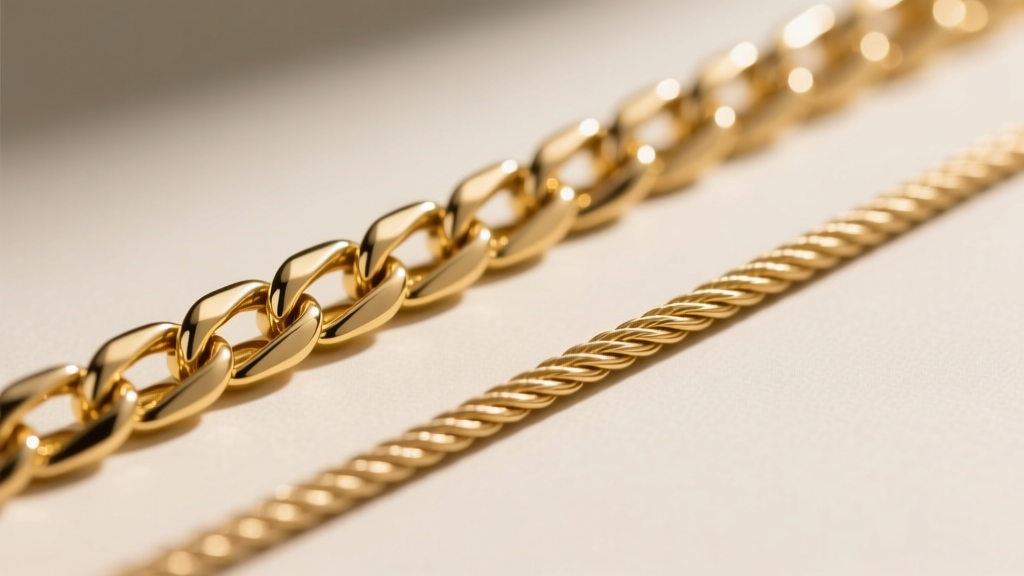
| Chain Style | Wire Gauge | Kink Resistance | Best Lavalier Application |
|---|---|---|---|
| Box Chain | 1.0mm - 1.5mm | Excellent | Heavy gemstone briolette drops; Y-shaped lavaliere styles. |
| Cable Chain | 0.8mm - 1.2mm | Moderate | Lightweight, minimalist metal teardrops; vintage reproductions. |
| Rope Chain | 1.5mm - 2.5mm | High | Substantial, multi-stone articulated drops; statement pieces. |
| Snake Chain | 1.0mm - 2.0mm | Poor | Avoid for lavaliere pendants; prone to permanent bending from drop weight. |
Bail Mechanics: How the Drop Connects
The bail is the critical hardware component that bridges the chain and the lavalier drop. The type of bail used affects both the security of the pendant and its visual presentation.
- Standard V-Bail: A soldered, V-shaped metal loop. It provides the highest security for heavy metal drops but adds visible hardware above the gemstone.
- Hidden Bail: A metal tube drilled directly through the top of the gemstone or pearl. This creates the illusion that the lavalier drop is floating freely on the gold chain. It requires precise lapidary work to prevent the stone from cracking under stress.
- European Bail: Integrates seamlessly into the pendant's decorative cap, offering a streamlined look while distributing the weight of the drop evenly across the top mounting.
Pricing Tiers and Market Value
Understanding the pricing architecture of gold lavalier necklaces prevents overpaying for mass-produced items and helps identify genuine value in artisan or antique pieces.
Entry-Level ($350 - $900)
In this tier, expect solid 14k gold chains paired with simple, polished metal teardrops or modest semi-precious stones like citrine or amethyst. The drops are typically cast rather than hand-fabricated, and the bails are standard soldered loops.
Mid-Range Artisan ($1,500 - $5,500)
This bracket features 18k gold, intricate metalwork, and diamond melee accents. You will find articulated drops (where the bottom teardrop swings independently from the top motif), hidden bails, and precision-set briolette sapphires or emeralds. Brands in this space often utilize hand-forged box chains for superior durability.
Antique and High-End ($6,000 - $25,000+)
Authentic Edwardian or Belle Époque lavaliere necklaces command premium prices. These pieces often feature 18k or 22k gold, natural saltwater pearls, and old European cut diamonds. Provenance, original hallmarks, and the condition of the antique clasp mechanisms heavily influence the final valuation.
Verifying Authenticity and Hallmarks
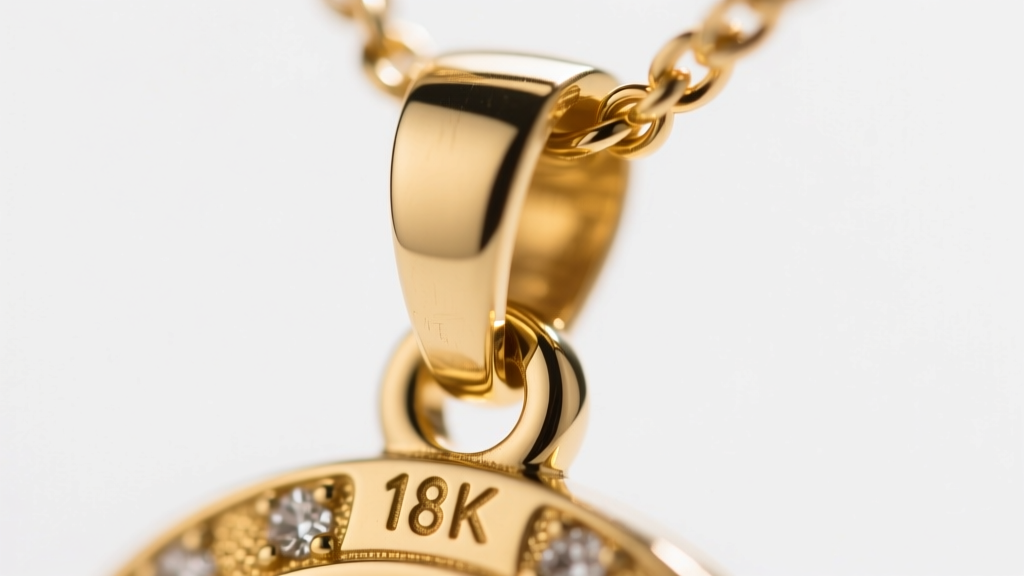
When investing in a gold lavalier necklace, particularly in the secondary or vintage market, verifying the metallurgy is non-negotiable. According to GIA gold standards, legitimate pieces must bear a purity stamp (e.g., 585 for 14k, 750 for 18k) alongside a registered maker's mark.
On antique lavalier pendants, these stamps are often located on the interior of the bail or the edge of the pendant cap, areas prone to wear. If the hallmark is illegible, request an XRF (X-ray Fluorescence) scan from the jeweler. This non-destructive test provides an exact elemental breakdown of the gold alloy, ensuring you are not purchasing a gold-plated or gold-filled reproduction masquerading as solid gold.
Final Considerations for the Buyer
A gold lavalier necklace is an investment in vertical elegance. Prioritize the structural harmony between the chain's wire gauge and the pendant's mass. Insist on high-quality clasp hardware, and never compromise on the precision of the bail. By focusing on these mechanical and metallurgical details, you will secure a piece that not only captures the historical romance of the lavaliere style but also withstands the physical demands of modern wear.


