The Meaning of a Choker Necklace: Value, History & Buying Guide
Discover the historical meaning of a choker necklace and learn how to assess its true market value, from vintage cameos to modern gold bands.

The Historical Meaning of a Choker Necklace and Its Impact on Value
When evaluating fine and fashion jewelry, understanding the meaning of a choker necklace goes far beyond its physical dimensions. Sitting snugly at 14 to 16 inches in length, the choker is one of the oldest and most culturally loaded adornments in human history. For the modern collector and budget-conscious buyer, this historical weight directly influences market value, resale potential, and brand premiums in the 2026 jewelry landscape.
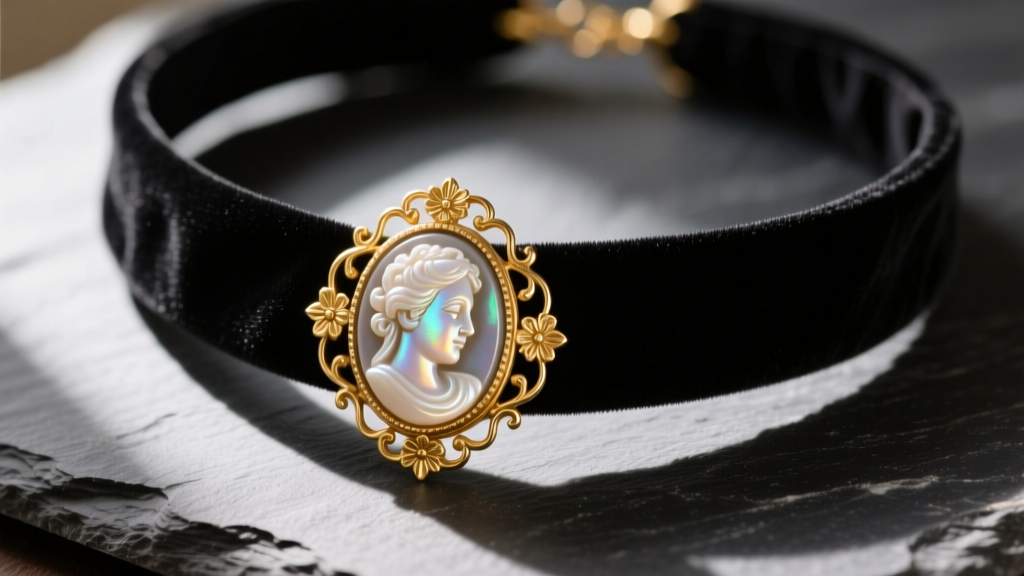
The choker’s origins are steeped in stark contrasts. During the French Revolution, women wore red ribbons around their necks as a somber tribute to those lost to the guillotine. Decades later, the narrative shifted dramatically. According to the Victoria and Albert Museum, Alexandra, Princess of Wales (later Queen Alexandra), popularized the 'dog collar' choker in the late 19th century to conceal a childhood scar on her neck. Her adoption of wide, multi-strand pearl and diamond chokers transformed the piece into an ultimate symbol of aristocratic wealth. Today, authentic Victorian-era pearl and diamond collar chokers command astronomical prices at auction, often starting above $15,000, purely due to their royal provenance and historical meaning.
'The choker is a paradox in jewelry design: it is simultaneously a symbol of rebellion and a marker of high-society opulence, depending entirely on the materials used and the era it represents.' — Jewelry Historian Archive
Material Tiers: Assessing the True Cost of Modern Chokers
If you are budgeting for a choker, you must separate the 'meaning' and aesthetic from the intrinsic material value. The 2026 market has seen a significant spike in precious metal prices, making material assessment more critical than ever. Below is a value assessment matrix to help you determine if a choker's price tag aligns with its physical worth.
| Material Category | 2026 Price Range | Intrinsic Value Retention | Best Use Case |
|---|---|---|---|
| Base Metal / Alloy (Brass, Nickel) | $15 - $60 | 0% (Depreciates immediately) | Fast fashion, seasonal trends |
| Alternative (Leather, Velvet, Silk) | $40 - $150 | Low (Condition-dependent) | Everyday wear, gothic/boho styles |
| Sterling Silver (925) | $85 - $350 | Medium (Scrap + Craftsmanship) | Baseline investment, daily luxury |
| 14k Solid Gold (585) | $650 - $1,800 | High (Tracks gold spot price) | Heirloom pieces, sensitive skin |
| Vintage Bakelite / Celluloid | $200 - $1,200+ | High (Collector-driven market) | Art Deco collectors, archivists |
When shopping, always verify the hallmark. According to the Gemological Institute of America (GIA), a legitimate 14k gold choker will bear a '585' or '14k' stamp, usually located on the clasp or the jump ring. If a seller is charging over $500 for a 'gold' choker without a verifiable hallmark or an accompanying assay certificate, you are likely paying a massive premium for gold-plated brass, which holds virtually zero secondary market value.
Brand Heritage vs. Intrinsic Worth: Are Designer Chokers a Good Investment?
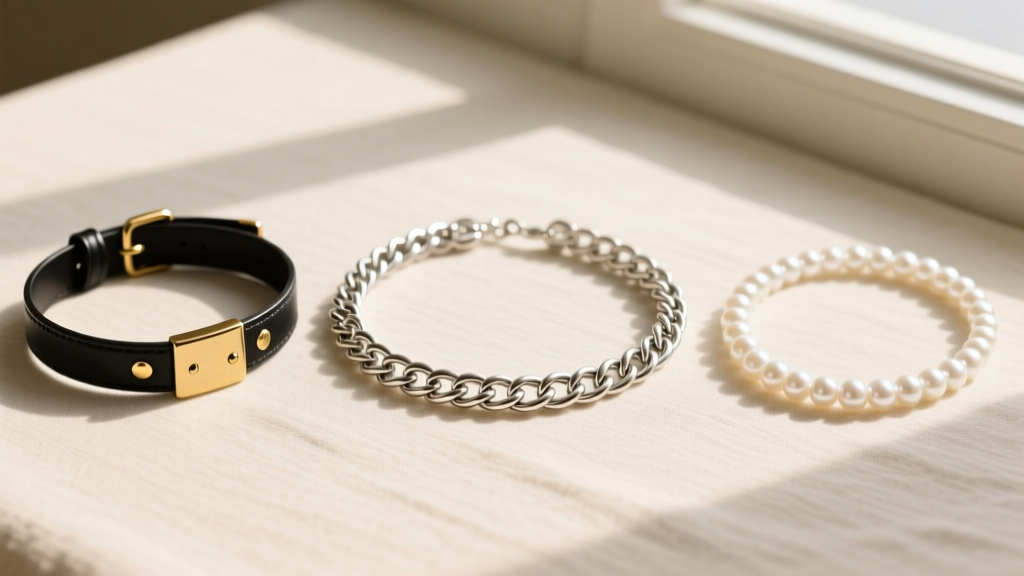
The meaning of a choker necklace in contemporary pop culture is heavily tied to designer branding. In the secondary market, certain brand signifiers can artificially inflate the value of otherwise inexpensive materials. Take, for example, the iconic Vivienne Westwood orb choker. Crafted largely from brass and cubic zirconia, its intrinsic material value is under $20. Yet, authenticated vintage pieces from the 1990s and early 2000s routinely resell for $300 to $600.
The Depreciation Trap of Trend-Driven Brands
While Vivienne Westwood holds collector value due to its punk-royalty heritage, buyers must be wary of contemporary 'hype' brands. A choker from a trending streetwear label may cost $400 at retail but will drop to $50 on resale platforms the moment the trend cycle shifts. If your budget is strictly tied to value retention, avoid paying brand premiums for non-precious metals unless the piece is an archived, historically significant runway artifact.
When to Pay the Brand Premium
- Chanel Gripoix Glass: Chanel’s vintage chokers featuring hand-poured Gripoix glass (often mistaken for emeralds or rubies) are highly sought after. The value lies in the lost artisanal technique, not gemological rarity.
- Tiffany & Co. Elsa Peretti: Peretti’s mesh and leather chokers from the 1970s and 80s hold incredible value due to their sculptural significance and museum-level design recognition.
How to Evaluate a Vintage Choker's Resale Value
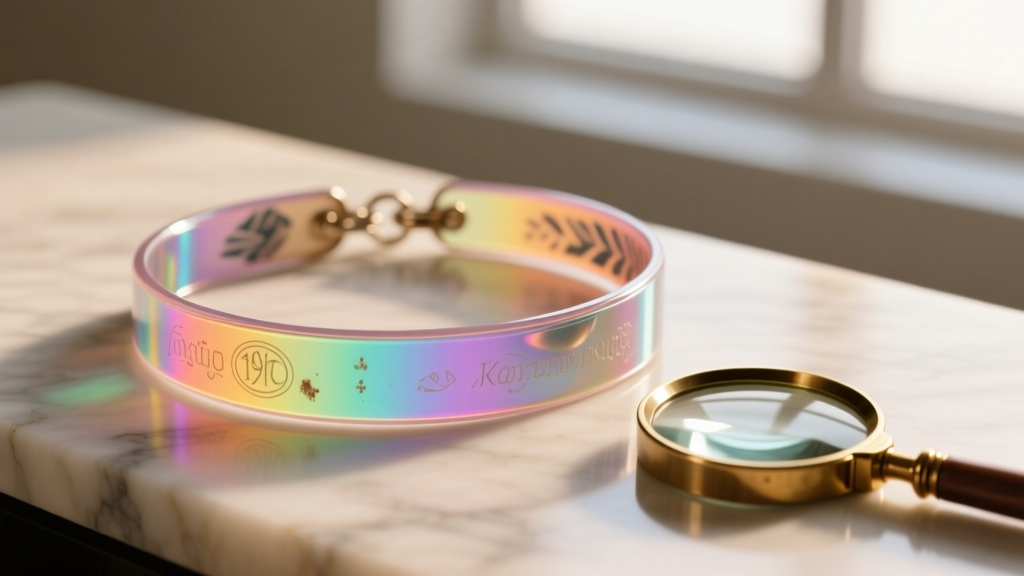
If you are hunting in estate sales or vintage markets, knowing the true meaning of a choker necklace from a specific era can help you spot undervalued treasures. The 1990s 'tattoo' choker (made of woven nylon or plastic) has seen a massive resurgence, but not all 90s chokers are created equal. Here is a professional appraisal checklist to use before handing over your cash.
1. The Clasp Test
Turn the choker over and examine the closure. Antique and high-end vintage chokers will feature a C-clasp (a simple 'C' shaped hook without a moving part) or a box clasp with a figure-eight safety. If the piece claims to be Victorian or Edwardian but features a modern lobster claw clasp, it has either been heavily altered (which destroys its collector value) or is a modern reproduction.
2. Material Degradation Checks
For mid-century (1920s-1950s) rigid chokers, you are often looking at Bakelite or early plastics. To assess value, you must verify the material. Authentic Bakelite is heavy, has a distinct chemical smell when rubbed vigorously, and will test positive with Simichrome polish (turning the cloth yellow). A Bakelite choker with carved motifs and original brass findings can easily fetch $400 to $800, whereas a later celluloid or Lucite imitation is worth less than $40.
3. Provenance and Hallmarks
Look for the maker's mark, not just the metal purity stamp. A simple '925' stamp means it is sterling silver, but a '925' alongside a recognized silversmith mark (like Georg Jensen or William B. Kerr) multiplies the baseline silver scrap value by five to ten times based on craftsmanship and historical meaning.
Final Verdict: Budgeting for Meaning and Material
Ultimately, the meaning of a choker necklace is whatever you assign to it—but the market assigns value based on verifiable data. If your budget is under $100, lean into high-quality alternative materials like genuine leather or silk, and avoid metal alloys that will tarnish and cause contact dermatitis. If your budget ranges from $300 to $1,000, you are in the sweet spot for acquiring solid 14k gold chains or authenticated vintage pieces that will retain their financial and cultural value. By understanding the intersection of history, material science, and brand heritage, you can build a choker collection that is both deeply meaningful and financially sound.


