Restore a Tarnished Coach Silver Necklace: Expert Fixes
Learn how to clean, untangle, and repair a tarnished Coach silver necklace. Expert troubleshooting for 925 sterling silver clasps and oxidation.

The Anatomy of a Coach Sterling Silver Necklace
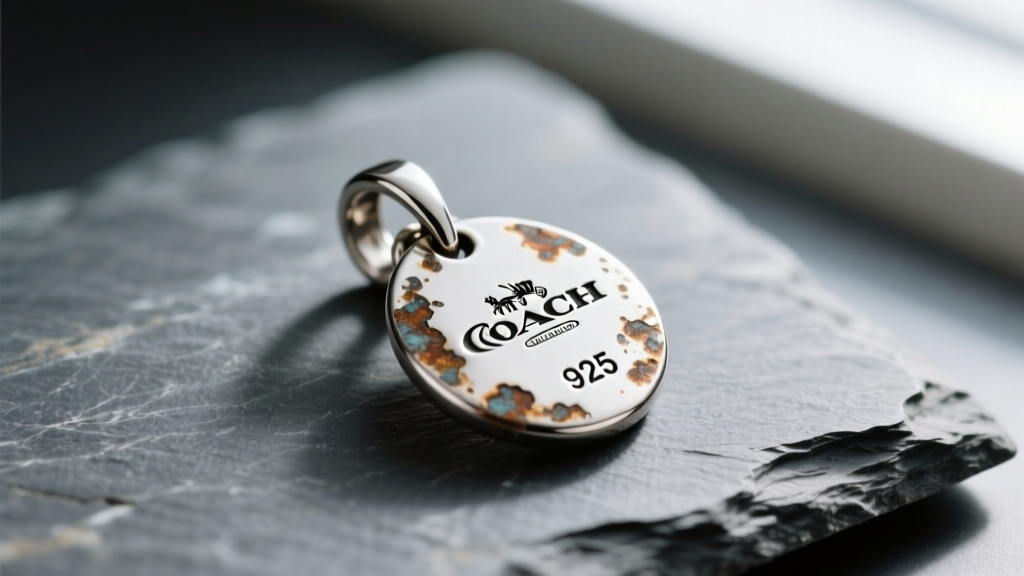
Owning a Coach silver necklace means investing in a piece of fashion history, but maintaining its brilliance requires understanding its metallurgical makeup. Authentic Coach silver jewelry is crafted from 925 sterling silver, an alloy consisting of 92.5% pure silver and 7.5% copper. This copper addition is necessary because pure silver is too soft to hold the intricate shapes of Coach’s signature C-logo charms and structural pendants. However, this exact copper content is the root cause of most troubleshooting issues owners face, from stubborn tarnish to the dreaded 'green skin' reaction.
Many modern Coach necklaces also feature a microscopic flash-plating of rhodium or palladium over the sterling silver base. This plating provides a bright, white-metal finish and acts as a temporary barrier against oxidation. When this plating wears away from friction against the collarbone, the underlying copper is exposed to sulfur and moisture in the air, initiating the tarnishing process. Understanding whether your specific piece is rhodium-plated or raw sterling silver is the first step in selecting the correct restoration method.
Troubleshooting Severe Tarnish and Oxidation
When your Coach silver necklace turns a dull yellow or deep black, you are looking at silver sulfide (Ag2S). According to the Gemological Institute of America (GIA), silver sulfide forms when sulfur compounds in the atmosphere react with the silver alloy. While many home remedies suggest using toothpaste, this is a catastrophic mistake. Toothpaste contains hydrated silica, an abrasive that will permanently scratch the high-polish finish of your Coach pendant and leave micro-abrasions that actually accelerate future tarnishing.
The Electrochemical Reduction Method
For solid sterling silver Coach chains and pendants without porous gemstones, the safest and most effective restoration technique is electrochemical reduction. This process reverses the chemical reaction, converting silver sulfide back into pure silver without removing any metal.
- Line a glass baking dish with heavy-duty aluminum foil, shiny side up.
- Place your necklace on the foil, ensuring the tarnished silver makes direct contact with the aluminum.
- Boil water and carefully pour it over the necklace until fully submerged.
- Immediately add 2 tablespoons of baking soda and 1 tablespoon of sea salt. The water will effervesce as the chemical reaction occurs.
- Let it sit for 3 to 5 minutes, then remove with wooden tongs, rinse in distilled water, and pat dry with a lint-free cloth.
Critical Warning: Never use this boiling method on Coach necklaces featuring enamel detailing, turquoise, pearls, or opaque cabochons. The extreme heat and alkaline environment will melt the jeweler's epoxy and permanently cloud or crack porous stones. For mixed-media pieces, use a specialized liquid silver dip applied only with a cotton swab.
Why Your Neck Turns Green
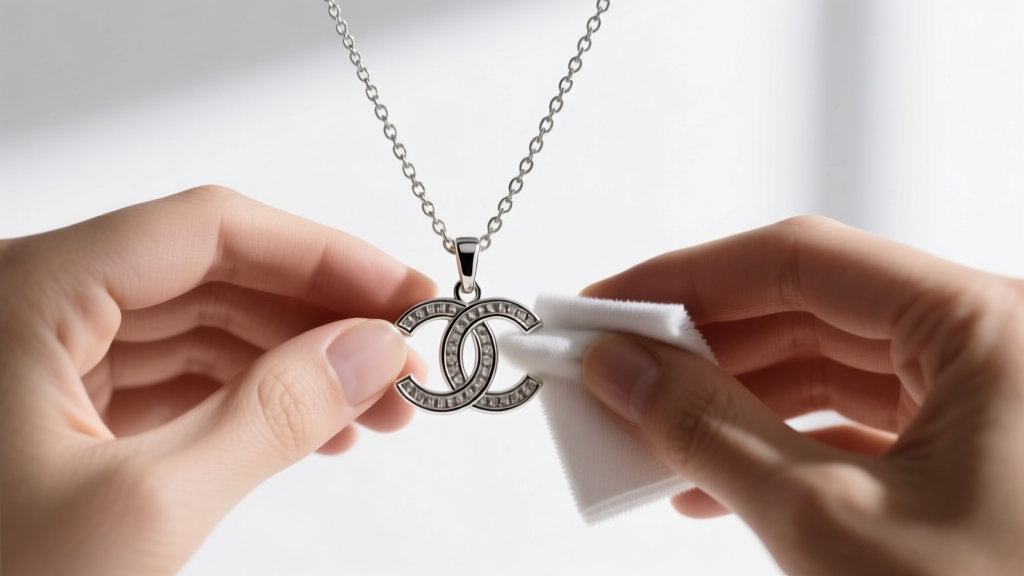
If your Coach silver necklace is leaving a green or black smudge on your décolletage, the piece is not necessarily fake. The 7.5% copper in sterling silver reacts with the acids, lotions, and sweat on your skin to create copper salts. To solve this, wipe the chain daily with a soft cloth to remove acidic buildup, and apply perfumes or body lotions at least 15 minutes before putting on your jewelry to allow the chemicals to absorb and evaporate.
Fixing Mechanical Failures: Clasps and Jump Rings
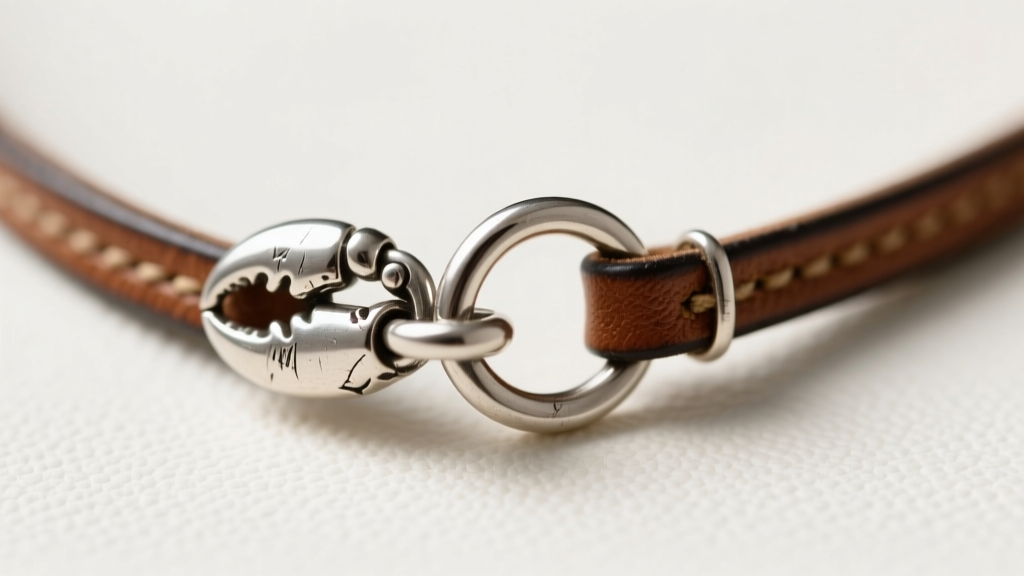
Beyond cosmetic tarnish, mechanical failure is the most common reason a Coach silver necklace ends up in a repair box. Coach typically utilizes 5mm or 7mm sterling silver lobster clasps. While the outer shell is 925 silver, the internal spring mechanism is usually made of stainless steel to maintain tension. When the clasp fails to snap shut, it is almost always due to a compromised internal spring or a buildup of debris in the lever track.
| Component | Common Failure Mode | Expert Troubleshooting & Repair |
|---|---|---|
| Lobster Clasp (5mm/7mm) | Lever sticks or fails to snap shut | Flush with isopropyl alcohol to remove lotion buildup. If the spring is broken, the entire clasp must be soldered and replaced. |
| Jump Ring (Connecting Clasp) | Pulls apart under tension | Coach often uses 22-gauge jump rings. Upgrade to a soldered 18-gauge sterling silver jump ring for permanent security. |
| Chain Link (Cable/Box) | Stretched or separated links | Do not pinch links with pliers. Use a laser welder or micro-soldering to fuse the broken link without melting adjacent joints. |
If the jump ring connecting the clasp to the chain has pulled apart, do not simply squeeze it back together with flat-nose pliers. Work-hardened sterling silver will snap if repeatedly bent. According to repair standards outlined by Jewelers of America, a pulled jump ring should be replaced with a heavier gauge (such as 18-gauge) or professionally soldered shut to prevent the loss of the pendant.
Untangling Micro-Link Chains Without Breaking Them
Coach’s delicate silver cable and box chains are prone to severe knotting, especially when stored loosely in a jewelry box. Pulling at a tight knot will stretch the individual oval links, permanently ruining the chain's structural integrity and drape.
To safely untangle a micro-link Coach chain, lay the necklace flat on a smooth, dark surface. Apply a single drop of baby oil or a light dusting of talcum powder directly to the center of the knot to reduce metal-on-metal friction. Instead of using tweezers—which can crush delicate 1mm links—use two fine sewing needles or beading awls. Gently work the needles into the center of the knot, wiggling them in opposite directions to loosen the tension. Once the knot is loosened, carefully pull the chain ends outward, wipe away the oil with a microfiber cloth, and store the necklace hanging vertically.
Authenticity Checks: Is Your Coach Necklace Real 925?
When troubleshooting a heavily tarnished or broken piece, verifying its authenticity is crucial before attempting chemical or physical repairs. Counterfeit necklaces often use base metals with a thin silver flash that will blister or peel during the electrochemical cleaning process.
- The Hallmark Test: Inspect the back of the pendant and the small oval tag near the clasp. Authentic Coach silver will feature a clear '925' stamp alongside the Coach copyright logo. Faded, shallow, or misaligned stamps are red flags.
- The Magnet Test: Pure silver and sterling silver are paramagnetic, meaning they should not stick to a strong neodymium magnet. However, remember that the internal spring of an authentic Coach lobster clasp is steel and will magnetically react. If the chain links or pendant stick to the magnet, the piece is likely brass or steel plated in silver.
- The Odor Test: Rub the chain vigorously between your fingers. Sterling silver is odorless. If you detect a distinct metallic, sulfurous, or 'penny-like' smell, the necklace is likely a copper or brass alloy with a silver wash.
Preventative Maintenance for Long-Term Wear
Once you have successfully restored your Coach silver necklace, implementing a strict storage protocol will drastically reduce the need for future troubleshooting. The Federal Trade Commission (FTC) recommends storing fine jewelry in low-humidity environments. Keep your necklace in its original Coach flannel pouch or an airtight ziplock bag equipped with a 3M anti-tarnish silica strip. These strips absorb atmospheric sulfur and moisture, effectively pausing the oxidation process and ensuring your sterling silver remains brilliant for years to come.


