The 2026 Diamond Necklace Diamond Pendant Gift Guide
Discover the ultimate 2026 gift guide for diamond necklace diamond pendants. Learn how to match carat, clarity, and setting styles to every milestone.

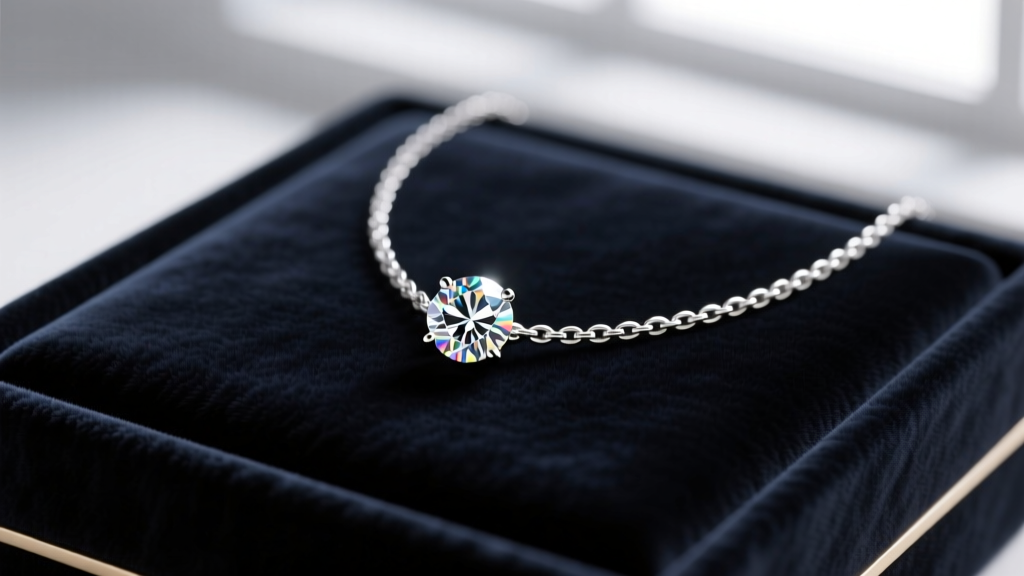
Introduction to Gifting Diamonds in 2026
Gifting a diamond pendant is a timeless gesture, but the landscape of diamond jewelry has evolved significantly. As we navigate 2026, buyers are presented with an unprecedented array of choices, from precision-cut lab-grown stones to ethically sourced natural gems. Whether you are celebrating a milestone anniversary, a graduation, or a significant promotion, selecting the right piece requires moving beyond generic jewelry store advice. When sourcing a diamond necklace diamond pendant, the physical distance between the stone and the observer’s eye fundamentally changes how the 4Cs should be prioritized compared to an engagement ring. This comprehensive guide will equip you with the gemological insights and stylistic frameworks necessary to make a confident, high-value purchase.
Decoding the 4Cs for Pendant Gifting
The Gemological Institute of America (GIA) established the 4Cs as the universal standard for diamond evaluation. However, applying these metrics to a necklace pendant requires strategic compromises to maximize your budget without sacrificing visual impact.
Carat Weight: Size vs. Spread
For pendants, carat weight dictates the physical footprint of the stone on the chest. A 0.25-carat stone measures roughly 4.1mm in diameter, offering a subtle, everyday sparkle. A 0.50-carat stone (5.2mm) is the most popular gifting tier, striking a balance between presence and affordability. For major milestones, a 1.00-carat diamond (6.5mm) provides undeniable luxury. Remember that a well-cut 0.90-carat diamond can face up nearly as large as a poorly cut 1.00-carat stone, saving you up to 20% in price due to the 'magic size' premium.
Clarity: The Distance Advantage
Unlike engagement rings, which are viewed from 12 to 18 inches away, a necklace pendant rests 24 to 30 inches from the observer's eye. Because of this increased viewing distance, inclusions that would be visible in a ring are completely masked in a pendant. You can confidently drop your clarity grade to SI1 (Slightly Included 1) or even SI2, provided the stone is 'eye-clean.' This single adjustment can shave hundreds of dollars off your total cost.
Color: Matching the Metal
Color grading should be directly tied to your choice of chain metal. For platinum or 18k white gold settings, stick to the G-H color range (Near Colorless) to prevent any yellowish tint from reflecting against the bright white metal. If you are gifting a pendant in 14k or 18k yellow gold, you can safely drop to the I-J color range, as the warm reflections of the gold will naturally mask the faint warmth in the diamond.
Cut: The Non-Negotiable Metric
Cut is the only 'C' you should never compromise on. A diamond's brilliance, fire, and scintillation are entirely dependent on its cut quality. According to the American Gem Society (AGS), an Ideal or Excellent cut grade ensures that light entering the stone is reflected back to the viewer rather than leaking out the bottom. In a pendant, where the stone moves dynamically with the wearer's body, superior cut quality is what creates that captivating 'flash' across the room.
Matching the Occasion: A 2026 Gifting Matrix
To ensure your gift aligns with the significance of the event, use this structured matrix to guide your carat and setting choices.
| Occasion | Recommended Carat | Ideal Setting Style | Best Metal Choice |
|---|---|---|---|
| High School / College Graduation | 0.25ct - 0.33ct | Bezel or Flush | 14k White or Yellow Gold |
| Valentine's Day / First Anniversary | 0.50ct | 4-Prong Solitaire | 14k Rose Gold |
| 5th - 10th Wedding Anniversary | 0.75ct - 1.00ct | Halo or Martini | 18k Gold or Platinum |
| Push Present / Major Milestone | 1.00ct - 2.00ct | Three-Stone or Solitaire | Platinum |
Expert Gifting Tip: If you are unsure of the recipient's personal style, a 0.50-carat round brilliant solitaire in a 4-prong 14k white gold basket setting remains the most universally appreciated and versatile pendant configuration in the market.
Setting Styles That Define the Gift
The setting not only secures the diamond but heavily influences the pendant's overall aesthetic and durability.
- The Martini Setting (3-Prong): This minimalist setting uses three prongs to hold the stone, allowing maximum light entry from the sides. It creates a subtle martini glass silhouette from the profile. However, it offers slightly less security than a 4-prong setting.
- The 4-Prong Basket: The classic choice. It provides excellent security and a traditional look. Ensure the basket has a small 'bail' that allows the chain to pass through smoothly without kinking.
- The Bezel Setting: A continuous rim of metal surrounds the diamond's girdle. While it sacrifices about 10% of the stone's visible diameter, it is the ultimate choice for active recipients, such as nurses, athletes, or mothers with young children, as it prevents snagging on clothing.
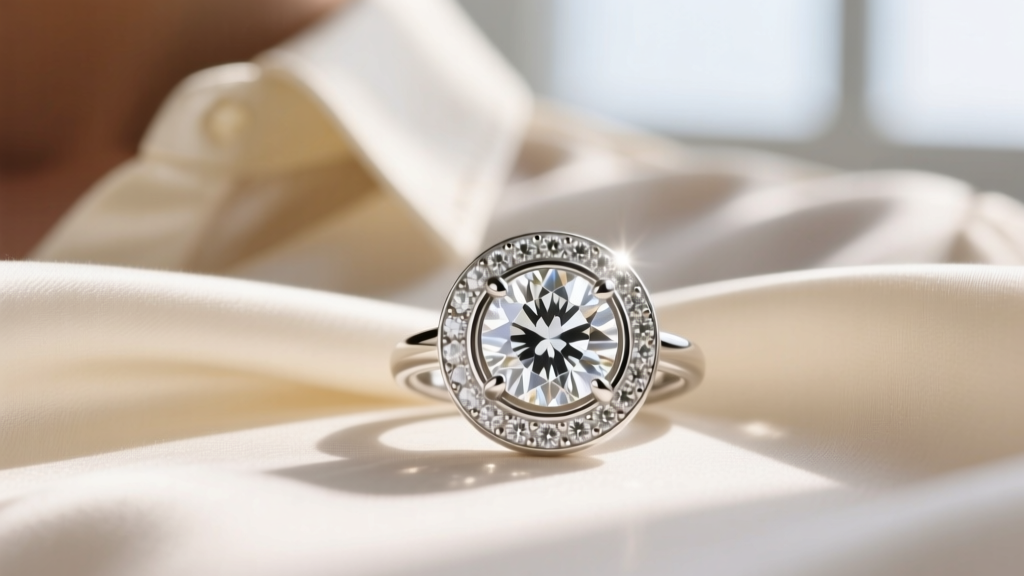
- The Halo Setting: A center stone surrounded by a pavé circle of smaller diamonds. This style maximizes the visual 'spread' of the pendant, making a 0.50-carat center stone look closer to 1.00 carat in total face-up size.

The Chain: Structural Integrity and Aesthetics
A common mistake in gifting is pairing a high-value diamond pendant with a flimsy, low-quality chain. The chain must be engineered to support the weight of the pendant while complementing its design.
Chain Types and Durability
For pendants weighing under 0.50 carats, a standard 0.8mm to 1.0mm cable chain or rope chain is perfectly adequate and offers a delicate, feminine look. However, for pendants exceeding 0.75 carats, you must upgrade to a box chain with a minimum thickness of 1.2mm. Box chains are constructed from square interlocking links that lie flat, resist kinking, and possess a significantly higher tensile strength than cable chains.
Clasp Mechanics
Avoid spring-ring clasps for any diamond pendant. They are notoriously difficult to operate with one hand and prone to mechanical failure. Always insist on a lobster clasp, which features a secure, spring-loaded lever mechanism. For platinum or heavy gold chains, a dual-safety latch lobster clasp provides peace of mind against accidental drops.
Lab-Grown vs. Natural Diamonds in 2026
The 2026 jewelry market has seen lab-grown diamonds (LGDs) capture a massive share of the gifting sector. Produced primarily via Chemical Vapor Deposition (CVD) or High Pressure High Temperature (HPHT) methods, LGDs are chemically, physically, and optically identical to mined diamonds.
From a budgeting perspective, a lab-grown diamond pendant will cost approximately 70% to 85% less than its natural counterpart. This allows a buyer with a $1,500 budget to gift a flawless, 1.50-carat lab-grown pendant rather than a heavily included 0.40-carat natural stone. However, be aware that natural diamonds retain a higher resale value and carry a traditional prestige that some recipients may still prefer for milestone anniversaries. Always disclose the origin of the stone, as mandated by the Federal Trade Commission (FTC) Jewelry Guides, to ensure complete transparency.
Budgeting Benchmarks for 2026
To help you plan your purchase, here are the current retail price ranges for round brilliant solitaire pendants (set in 14k gold with a 16-18 inch chain):
- 0.25ct (SI1 Clarity, G-H Color): $450 - $700 (Natural) | $150 - $250 (Lab-Grown)
- 0.50ct (VS2 Clarity, G-H Color): $1,100 - $1,800 (Natural) | $300 - $500 (Lab-Grown)
- 1.00ct (VS2 Clarity, G-H Color): $3,500 - $5,500 (Natural) | $700 - $1,100 (Lab-Grown)
Final Gifting Checklist
Before finalizing your order, run through this essential checklist to guarantee a flawless gifting experience:
- Verify the Grading Report: Ensure the diamond comes with a legitimate certificate from GIA, AGS, or IGI (for lab-grown stones).
- Check the Bail Size: Confirm that the pendant's bail (the loop that holds the chain) is large enough to accommodate the thickness of your chosen chain.
- Measure the Neckline: Standard lengths are 16 inches (choker/collarbone), 18 inches (base of the throat/most popular), and 20 inches (lower chest). When in doubt, 18 inches is the safest universal fit.
- Review the Return Policy: Ensure the jeweler offers a minimum 30-day return or exchange window in case the recipient prefers a different metal color or chain length.
By prioritizing cut quality, strategically selecting clarity and color based on the setting metal, and matching the carat weight to the specific occasion, you will secure a diamond necklace diamond pendant that serves as a cherished, lifelong heirloom.


