How to Fix Tarnish on a Black Necklace Gold Chain & Clasp
Learn how to troubleshoot, clean, and restore a fading black necklace gold chain. Expert fixes for black rhodium wear, enamel chips, and clasp tarnish.

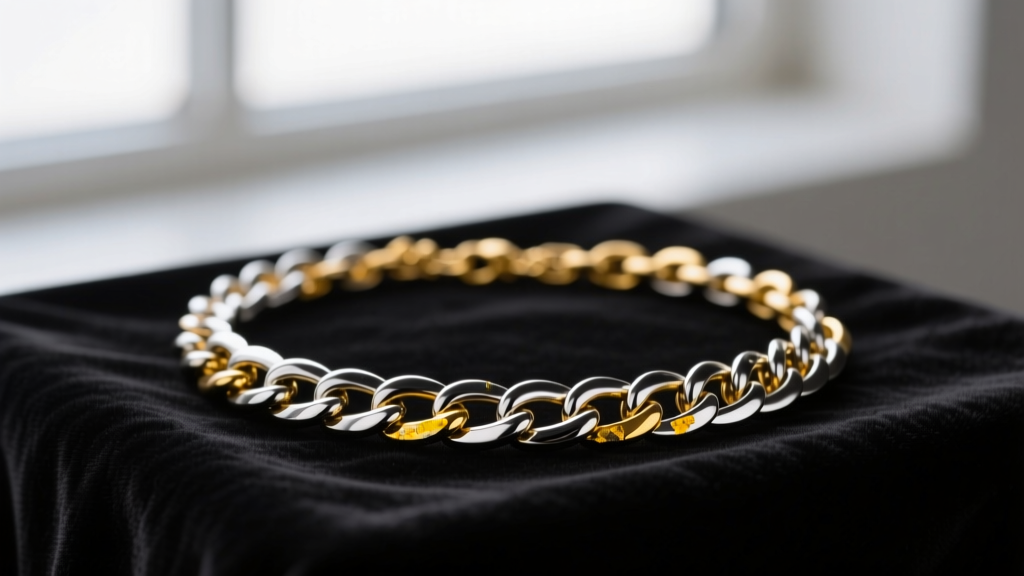
The striking contrast of a black and gold necklace provides an edgy, modern aesthetic that has dominated contemporary jewelry trends. However, maintaining a black necklace gold chain or pendant comes with a unique set of chemical and structural challenges. Unlike traditional yellow or white gold, black gold jewelry is almost never solid; it is typically achieved through black rhodium plating, ruthenium alloying, or black enamel application over a 14k or 18k gold base. When paired with black leather cords or oxidized hardware, the combination is highly susceptible to friction wear, sweat degradation, and localized tarnishing.
If your favorite black necklace gold hardware is showing signs of wear, fading, or skin discoloration, do not panic. This comprehensive troubleshooting guide will walk you through the exact chemistry behind these failures and provide actionable, professional-grade solutions to restore your jewelry.
The Anatomy of Black Gold Jewelry
Before attempting any restoration, you must identify how the black color was achieved. The repair method for a plated chain will destroy an enameled pendant if misidentified.
- Black Rhodium/Ruthenium Plating: The most common method for black gold chains. A microscopically thin layer (usually 0.1 to 0.5 microns) of black rhodium or ruthenium is electroplated over a yellow or white gold base. It provides a metallic, gunmetal-black finish but is highly susceptible to friction wear.
- Black Enamel: Often used in pendants and signet rings. Vitreous glass enamel is fired into recessed gold bezels. It is highly colorfast but brittle and prone to chipping upon impact.
- Oxidized Gold Alloys: A rare technique where specific gold-copper alloys are treated with liver of sulfur to create a dark patina. This is usually reserved for artisan, textured pieces and wears away quickly on high-friction surfaces.
Troubleshooting Matrix: Symptoms, Causes, and Fixes
Diagnosing the exact failure point of your jewelry is the first step in the restoration process. Use the matrix below to identify your specific issue and the corresponding professional or DIY solution.
| Symptom | Root Cause | Recommended Fix | Estimated Cost |
|---|---|---|---|
| Yellow/white spots on black chain links | Plating wear from friction | Professional replating (Electroplating bath) | $60 - $150 |
| Chipped black patches on pendant | Enamel fracture from impact | Cold enamel epoxy or kiln-fired enamel repair | $80 - $250 |
| Green/black skin discoloration near clasp | Copper alloy reaction to acidic sweat | Rhodium flash barrier on clasp interior | $30 - $50 |
| Gold clasp turning dull or brown | Sulfur transfer from black leather cord | Ultrasonic cleaning + mild polishing | $0 (DIY) |
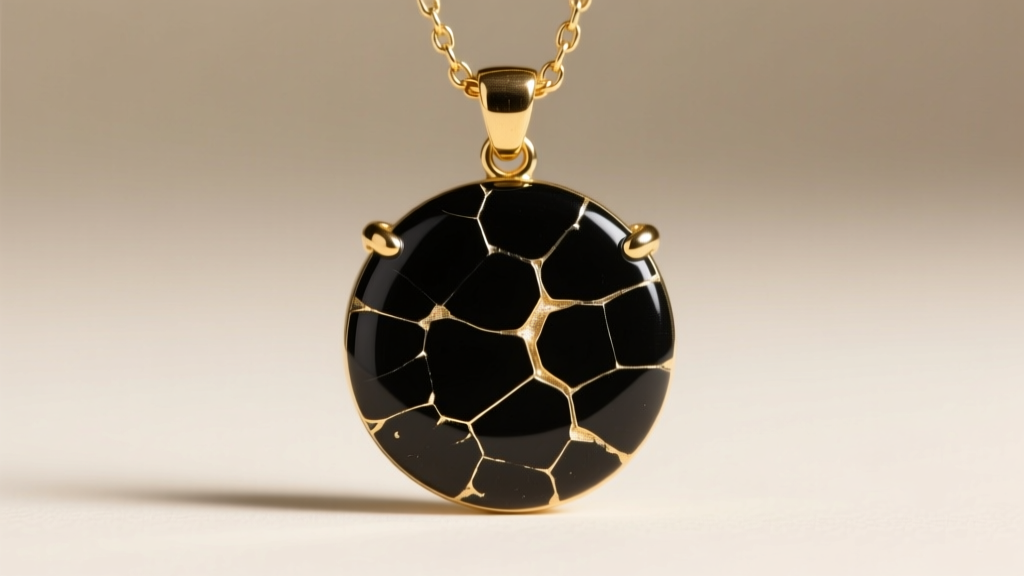
Step-by-Step Restoration Guide for Black Rhodium Gold
The most common complaint from collectors is the "bleeding" effect, where the underlying yellow or white gold begins to show through the black rhodium plating on high-contact areas like the clasp and the center of the chain links. According to the Gemological Institute of America (GIA), rhodium plating is a surface treatment that will inevitably wear down over time due to its microscopic thickness.
What NOT to Do
Never use silver dip, ultrasonic cleaners, or abrasive polishing cloths on a black rhodium chain. Silver dips contain thiourea and hydrochloric acid, which will instantly strip the remaining black rhodium, leaving you with a patchy, ruined chain. Ultrasonic vibrations can cause micro-fractures in the plating, accelerating the peeling process.
The Safe DIY Cleaning Method
To remove oils and dead skin cells that accelerate plating degradation without damaging the finish:
- Mix 5 drops of pH-neutral dish soap (like Dawn) into 8 ounces of distilled water. (Avoid tap water, as chlorine and heavy minerals can react with the ruthenium alloy).
- Submerge the necklace for exactly 3 minutes.
- Gently agitate the water. Do not scrub the links with a brush.
- Rinse under a gentle stream of distilled water and pat dry with a lint-free microfiber cloth.
The Professional Replating Process
Once the base metal is exposed, DIY fixes are impossible. You must take the piece to a bench jeweler who specializes in PVD (Physical Vapor Deposition) or traditional electroplating. The jeweler will strip the remaining black rhodium using a mild chemical bath, polish the underlying gold to a mirror finish (crucial for plating adhesion), and submerge it in a black rhodium or black ruthenium plating tank. Request a "heavy flash" of at least 0.5 microns to ensure longevity.
Preventing Hardware Tarnish and Cord Degradation
A frequent design in contemporary jewelry is a black leather or suede cord paired with a polished 14k or 18k gold clasp. Many wearers are shocked to find their gold clasp tarnishing or turning brown. This is not a defect in the gold; it is a chemical reaction caused by the cord.
"Black leather cords are heavily dyed and treated with sulfur-based compounds during the tanning process. When exposed to the slightly acidic pH of human sweat (typically 4.5 to 7.0), the leather degrades and off-gasses sulfur dioxide. This sulfur reacts with the copper and silver alloys in 14k gold, creating silver sulfide and copper sulfide—the brown and black tarnish you see on your clasp."
Upgrading Your Cord Materials
If you constantly battle clasp tarnish on a black cord necklace, the troubleshooting solution is material substitution. According to care guidelines from Jewelers of America, minimizing contact between reactive alloys and organic materials is key to preventing tarnish.
- PVD-Coated Titanium Cords: These offer the exact matte black aesthetic of leather but are completely inert and will not off-gas sulfur.
- Nylon-Coated Stainless Steel Wire: Highly durable, sweat-proof, and maintains a sleek black profile without degrading.
- Vulcanized Rubber: A great alternative to leather, though you must ensure the rubber is fully cured to prevent sulfur transfer.
Addressing Skin Discoloration (The "Green Neck" Effect)
If your black necklace leaves a green or black smudge on your collarbone, the issue lies in the clasp or the jump rings. Solid 24k gold does not react with human skin, but the 14k and 18k gold used for structural components like clasps contains copper and zinc. When your sweat mixes with cosmetics, lotions, or environmental humidity, it creates a corrosive micro-environment that oxidizes the copper, transferring the green salts to your skin.
The Fix: Ask your jeweler to apply a clear, hypoallergenic rhodium barrier coat to the interior of the clasp and the back of the pendant. This creates an inert shield between the copper alloy and your skin. For a temporary DIY fix, a microscopically thin layer of clear nail polish on the back of the clasp can provide a 2-to-3 week barrier, though it will eventually peel and require reapplication.
When to See a Professional Jeweler
While basic cleaning and cord swapping can be done at home, certain structural failures require immediate professional intervention to prevent total loss of the piece:
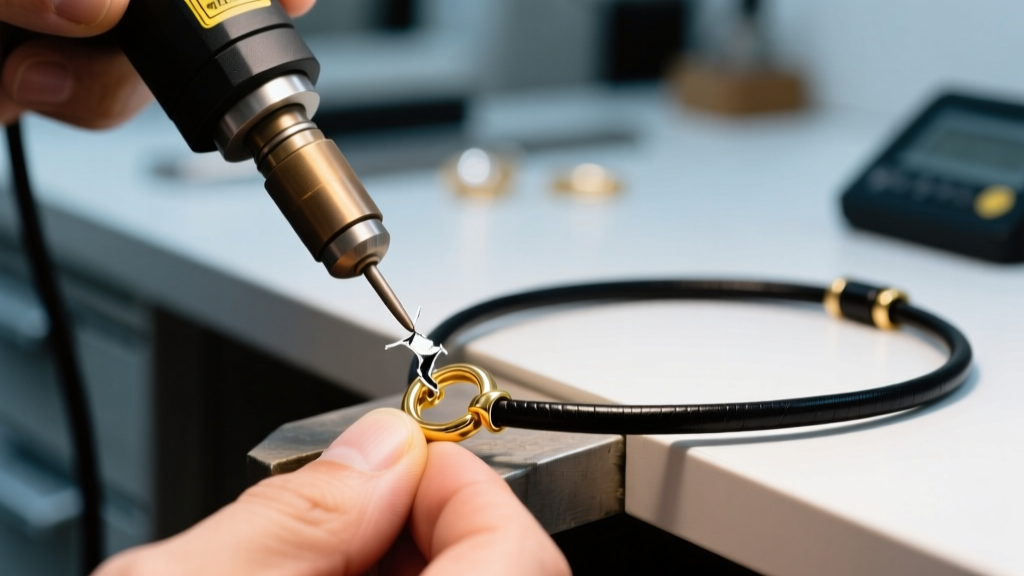
- Cracked Jump Rings: If the black plating is hiding a stress fracture in the gold jump ring connecting the clasp, the necklace will snap. A jeweler can use a laser welder to fuse the ring without melting the surrounding black rhodium.
- Enamel Delamination: If black enamel is lifting away from the gold bezel, do not use superglue. Cyanoacrylate adhesives will cloud the enamel and ruin the gold finish. A jeweler must use specialized two-part jewelry epoxies or re-fire the piece in a kiln.
Conclusion
Owning a black necklace gold chain requires a proactive approach to jewelry care. By understanding the difference between plating wear and chemical tarnish, upgrading reactive leather cords to inert alternatives, and utilizing professional electroplating services when the base metal shows through, you can preserve the dramatic, high-contrast aesthetic of your jewelry for decades. Treat the black finish as a delicate, high-maintenance surface, and your pieces will remain as striking as the day you bought them.


