Care Guide: Cleaning Your Necklace Eyeglasses Holder Chain
Learn how to clean, maintain, and repair your necklace eyeglasses holder. Expert tips on silicone grips, acetate beads, and metal chain care.

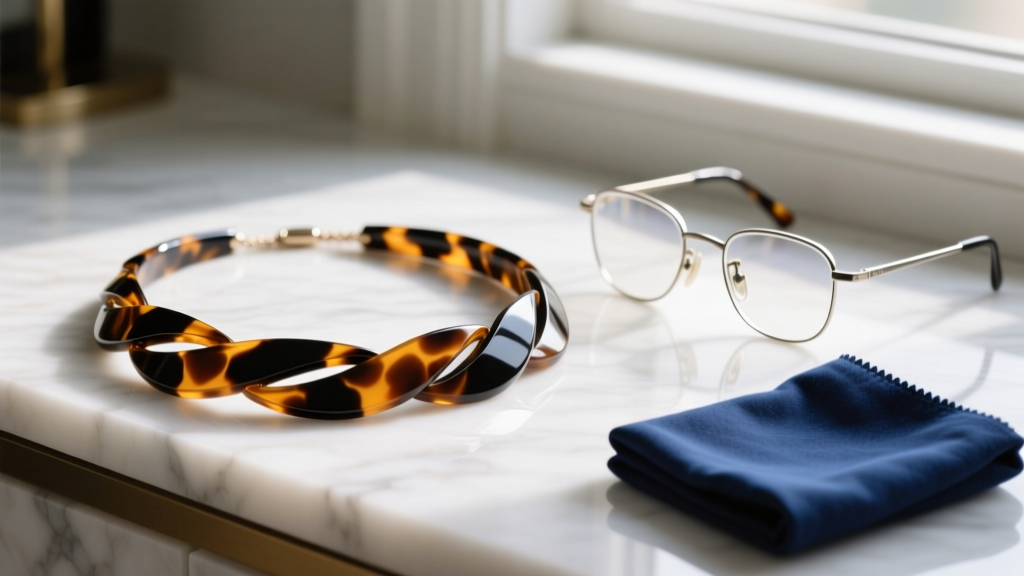
The Anatomy of an Eyeglass Holder Necklace
Before applying any cleaning agents, it is crucial to understand the material composition of your necklace eyeglasses holder. Unlike standard pendants, these functional accessories endure constant friction, exposure to facial sebum, and contact with optical lens chemicals. A typical high-quality holder consists of three distinct zones: the primary chain or bead strand, the connector findings (usually 4mm, 20-gauge jump rings), and the temple tension grips. These grips are most commonly made from silicone elastomers, rubberized heat-shrink tubing, or mechanical metal clips. Each material reacts differently to moisture, solvents, and UV exposure, requiring a segmented approach to maintenance to prevent structural failure and aesthetic degradation.
Step-by-Step Cleaning Protocols by Material
According to guidelines from Jewelers of America, treating mixed-media jewelry requires isolating the most delicate component. For eyeglass chains, this usually means protecting the tension grips while cleaning the chain, or vice versa.
Metal Chains (Gold-Filled, Sterling Silver, Stainless Steel)
For 14k gold-filled or sterling silver chains, avoid commercial silver dips, which can strip the outer gold layer or oxidize the copper core. Instead, create a lukewarm bath using a few drops of pH-neutral dish soap (such as Dawn) and distilled water. Submerge the metal chain for exactly three to five minutes. Use an extra-soft baby toothbrush to gently agitate the links, paying special attention to the crevices near the clasp where skin oils accumulate. Rinse thoroughly with distilled water to prevent hard water spot mineral deposits, and dry immediately with a lint-free microfiber cloth. Never use ultrasonic cleaners on eyeglass necklaces if the silicone grips or glued resin beads are still attached, as the high-frequency cavitation will tear the elastomers and shatter adhesive bonds.
Acetate and Resin Beads
Cellulose acetate is a highly prized material for premium necklace eyeglasses holders due to its rich color depth and hypoallergenic properties. However, acetate relies on chemical plasticizers to maintain its flexibility and luster. Never clean acetate beads with alcohol, ammonia, or acetone. These solvents will leach the plasticizers to the surface, resulting in a permanent, cloudy white haze known as 'crazing.' To clean acetate, simply wipe the beads with a damp microfiber cloth. If the beads have lost their shine due to micro-scratches, apply a tiny amount of Novus No. 2 Fine Scratch Remover to a soft cotton pad and buff in circular motions until the optical clarity is restored.
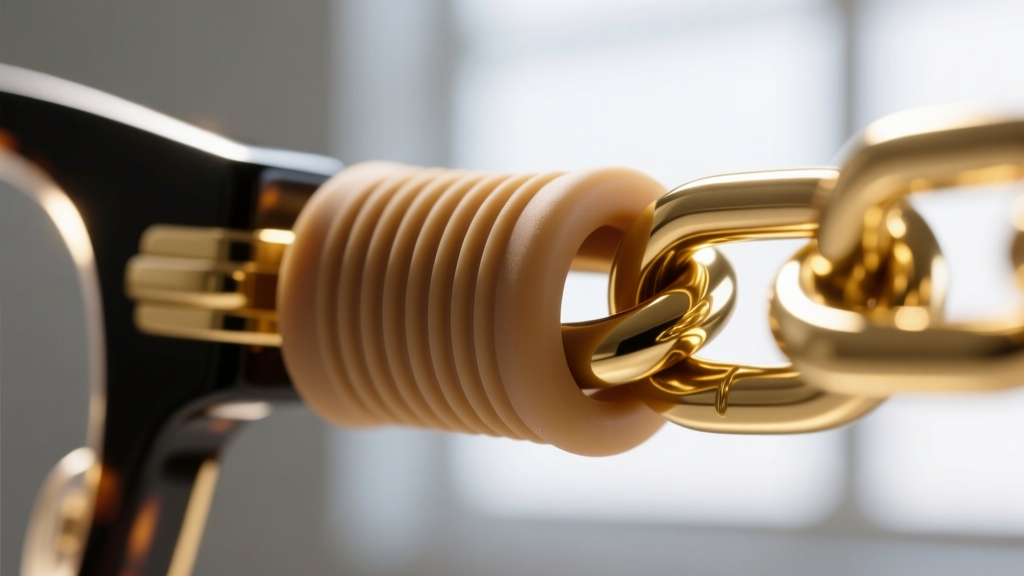
Silicone and Rubber Tension Grips
The silicone loops that grip your eyeglass temples are the most critical failure point on the necklace. Over time, these loops absorb facial oils and sweat, which breaks down the polymer chains and lowers the durometer hardness (typically rated at Shore 40A for optimal grip). To deep clean silicone loops without removing them from the chain, dip a cotton swab in 70% isopropyl alcohol and meticulously swab the inside ridge of the loop. The alcohol will dissolve the sebum buildup that causes the glasses to slip. Ensure the alcohol does not drip onto adjacent acetate beads or porous gemstones like turquoise or opal.
The Lens Spray Hazard: Preventing Chemical Damage
One of the most common ways a necklace eyeglasses chain is damaged is through 'overspray.' When users clean their reading glasses or sunglasses with commercial optical sprays while the necklace is still attached, the aerosolized mist settles onto the jewelry. As noted by optical care experts at All About Vision, many lens cleaners contain isopropyl alcohol or harsh surfactants designed to strip oils from glass and polycarbonate. While safe for lenses, these chemicals are devastating to jewelry finishes. They will instantly strip the lacquer off brass findings, dull the finish on gold-plated components, and degrade the porous surface of natural pearls or coral accents. Always remove your eyeglass holder necklace before spraying your lenses, or apply the cleaning solution directly to the microfiber cloth rather than spraying the air.
Troubleshooting Common Eyeglass Necklace Failures
Even with meticulous cleaning, functional jewelry experiences mechanical wear. Below is a diagnostic framework for resolving the most frequent issues encountered with eyeglass holder chains, utilizing techniques standard in professional jewelry benchwork as outlined by Rio Grande Jewelry Supply.
| Failure Mode | Root Cause | Actionable Solution |
|---|---|---|
| Grips Slipping on Temples | Silicone polymer degradation from UV and sebum exposure dropping the Shore A tension. | Submerge just the silicone grips in boiling water for 45 seconds to shrink and restore tension; replace if visibly cracked. |
| Cloudy Acetate Beads | Alcohol-based lens sprays stripping essential plasticizers from the cellulose acetate. | Buff gently with a specialized plastic polish like Novus No. 2; never use chemical solvents or abrasive pastes. |
| Jump Rings Pulling Open | Lateral stress from heavy sunglasses pulling the 20-gauge wire finding apart. | Use two pairs of chain-nose pliers to twist the ring closed laterally; never pull the ends apart outward. |
| Magnetic Clasp Weakness | Neodymium (NdFeB) magnet face clogged with microscopic metal dust and debris. | Press a piece of masking tape firmly against the magnet face and peel away to lift embedded ferrous debris. |
Proper Storage to Prevent Tangling and Degradation
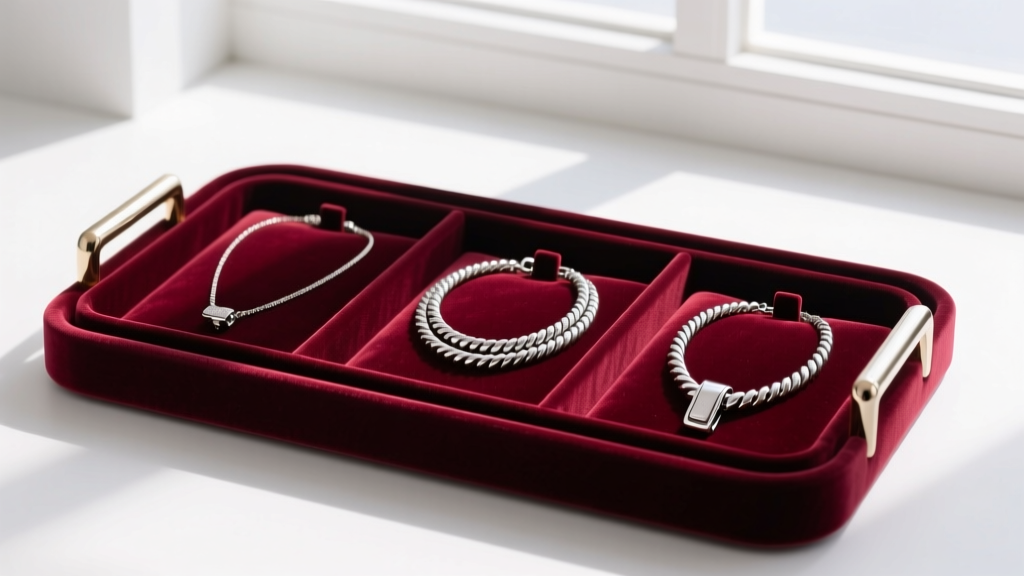
How you store your necklace eyeglasses holder when not in use directly impacts its lifespan. Hanging the necklace by the silicone grips on a hook or valet stand is a critical error. The constant gravitational pull of the heavy metal chain or bead strand places continuous tension on the elastomer loops, causing them to permanently stretch and deform over a period of weeks. Instead, always unhook the necklace from your glasses and lay it flat. For optimal storage, coil the chain loosely into a figure-eight pattern to prevent the links from kinking, and place it in a divided velvet jewelry tray or a dedicated anti-tarnish ziplock bag. If your necklace features a magnetic breakaway safety clasp, ensure the magnets are clasped together during storage; leaving them unclasped allows the neodymium cores to attract loose metal particles from your vanity or dresser surface, which can eventually scratch the protective epoxy coating on the magnet face.
Daily Maintenance Habits for Longevity
Incorporating a few micro-habits into your daily routine will drastically extend the life of your eyeglass chain. At the end of each day, take three seconds to run the chain through a clean, dry microfiber cloth. This simple friction removes the day's accumulation of acidic sweat, sunscreen, and cosmetic foundation before it has time to etch into metal finishes or stain porous beads. If you wear your necklace in high-humidity environments or while exercising, rinse the silicone grips with fresh water immediately afterward to prevent salt crystallization, which acts like sandpaper against both the rubber and your eyeglass temples. By treating your necklace eyeglasses holder as a precision optical accessory rather than a standard piece of costume jewelry, you ensure it remains both functional and visually impeccable for years of daily use.


