Silver Greek Key Necklace: 2026 Trend & Styling Guide
Discover how to style the silver Greek key necklace in 2026. Explore Hellenistic trends, silver grades, layering techniques, and buying advice.

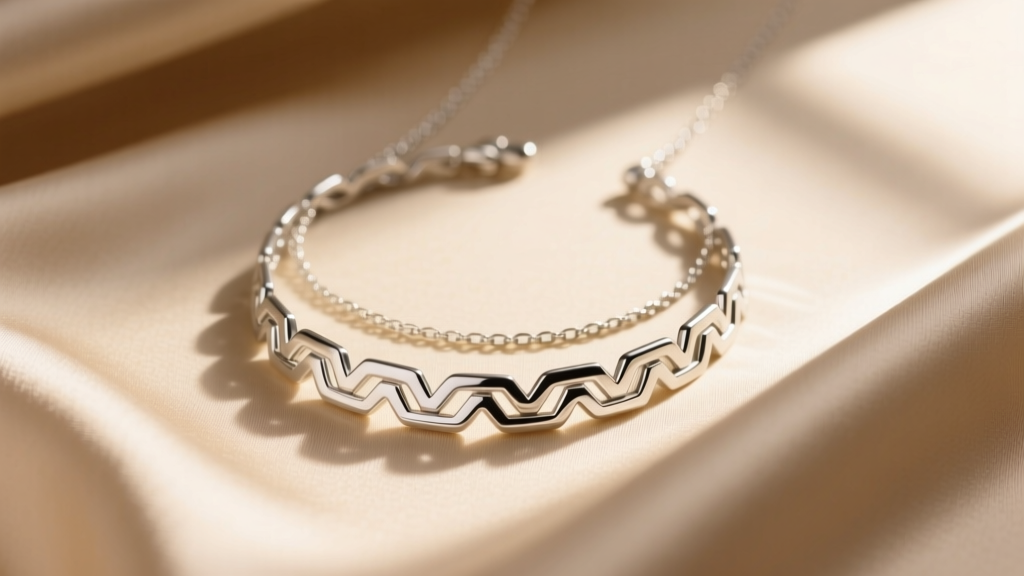
The Hellenistic Revival: Why the Silver Greek Key is Dominating 2026
As the jewelry landscape shifts away from the chaotic maximalism of the early 2020s, 2026 has ushered in a refined era of structured minimalism and historical reverence. At the forefront of this neo-classical movement is the silver Greek key necklace. Also known as the meander pattern, this continuous, interlocking geometric motif represents infinity, eternal flow, and the bonds of friendship in ancient Hellenistic culture. According to historical archives at the Metropolitan Museum of Art, the meander was a staple of Greek architectural friezes and pottery, symbolizing the meandering course of the Maeander River in Asia Minor.
Today, the silver Greek key necklace is no longer relegated to souvenir shops or overly traditional bridal suites. Modern jewelers are reimagining the motif with razor-sharp, high-polish edges, matte-brushed finishes, and micro-pavé diamond accents. The 2026 trend focuses on architectural precision—transforming an ancient symbol into a sleek, everyday talisman that bridges the gap between classical heritage and contemporary industrial fashion.
Decoding the Metal: 925 Sterling vs. Argentium Silver
When investing in a Greek key necklace, the specific silver alloy you choose is critical due to the design's intricate topography. The deep, right-angled crevices of the meander pattern are notorious for trapping moisture, skin oils, and environmental sulfur, which accelerates tarnishing. Understanding your silver grades is essential for long-term wearability.
925 Sterling Silver: The industry standard, comprising 92.5% pure silver and 7.5% copper. While beautiful and affordable, the copper content makes it highly susceptible to oxidation, particularly in the recessed grooves of a Greek key design. If you live in a humid climate, a standard 925 silver meander necklace will require weekly polishing to prevent the crevices from turning black.
Argentium Silver: The superior choice for intricate motifs in 2026. Argentium replaces a portion of the copper alloy with germanium. When exposed to oxygen, the germanium forms a transparent, protective layer of germanium dioxide on the surface. According to metallurgical standards outlined by the Gemological Institute of America (GIA), this makes Argentium highly tarnish-resistant. For a Greek key necklace, Argentium ensures that the deep geometric grooves remain bright and reflective without the need for constant chemical cleaning.
Proportion & Scale: Choosing the Right Meander Width
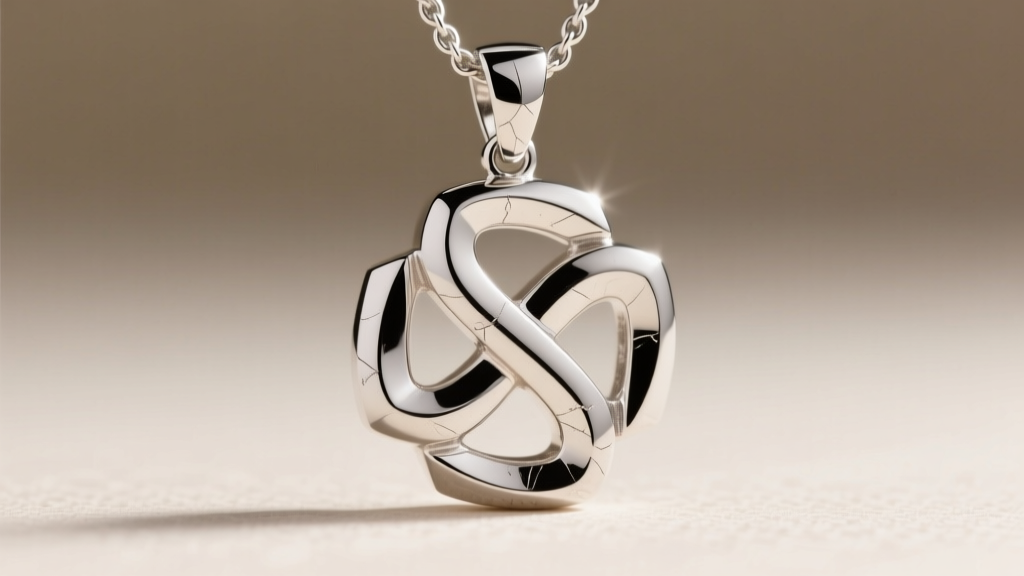
The visual weight of a Greek key necklace is dictated by the width of the chain links or the pendant's border. Selecting the correct scale is vital for balancing your neckline and personal style. Below is a structural framework for choosing the right meander width based on proportion and occasion.
| Width (mm) | Style Profile | Best Necklines | Ideal Chain Length |
|---|---|---|---|
| 1.5mm - 2.5mm | Delicate, subtle, everyday layering base | Deep V-neck, scoop neck, silk blouses | 16" (Choker) or 18" (Princess) |
| 3.0mm - 5.0mm | Statement, structured, standalone focal point | Crew neck, boat neck, tailored blazers | 18" (Princess) or 20" (Matinee) |
| 6.0mm - 8.0mm | Bold, architectural, high-fashion editorial | Open collar, strapless, off-the-shoulder | 20" (Matinee) or 24" (Opera) |
| 10.0mm+ | Avant-garde, heavy menswear-inspired cuff style | Plunging necklines, bare skin | 14" - 16" (Collar/Choker) |
For the quintessential 2026 office-to-evening look, the 3.0mm to 5.0mm range offers the perfect balance. It provides enough surface area to showcase the geometric precision of the key pattern without overwhelming the collarbone.
The 2026 Layering Framework: Mixing Classical and Industrial
Wearing a Greek key necklace in isolation can sometimes lean too traditional. The dominant styling technique this year is the "Industrial-Classical Contrast"—pairing the ancient, structured geometry of the meander with raw, modern chain styles. This creates a dynamic visual tension that feels distinctly current.
The 3-Piece Neo-Classical Stack
- Layer 1 (The Anchor): A 16-inch, 1.5mm silver Greek key choker. This sits high on the collarbone, framing the face and establishing the historical motif.
- Layer 2 (The Bridge): An 18-inch, 3mm silver herringbone or snake chain. The fluid, liquid-like drape of the herringbone contrasts beautifully with the rigid, right-angled turns of the Greek key above it.
- Layer 3 (The Edge): A 22-inch, 5mm hollow silver paperclip chain or elongated curb chain. The industrial, open-link structure adds a modern, utilitarian edge that grounds the stack and prevents it from looking like a vintage costume piece.
When executing this stack, ensure all pieces share the same metal finish. Mixing a high-polish Greek key with a matte-brushed paperclip chain can look disjointed. Uniformity in the silver tone ties the disparate historical eras together into a cohesive, intentional aesthetic.
Price vs. Craftsmanship: What You Should Actually Pay
The market is flooded with silver Greek key necklaces ranging from $20 to over $500. Understanding the manufacturing process will protect you from overpaying for subpar craftsmanship.
Mass-Market Cast Pieces ($25 - $60): These are typically produced using rubber mold casting. While affordable, cast silver often suffers from microscopic porosity. In a Greek key design, this means the sharp inner corners may appear rounded, soft, or pitted under magnification. The edges lack the crisp, architectural bite that defines a high-quality meander.
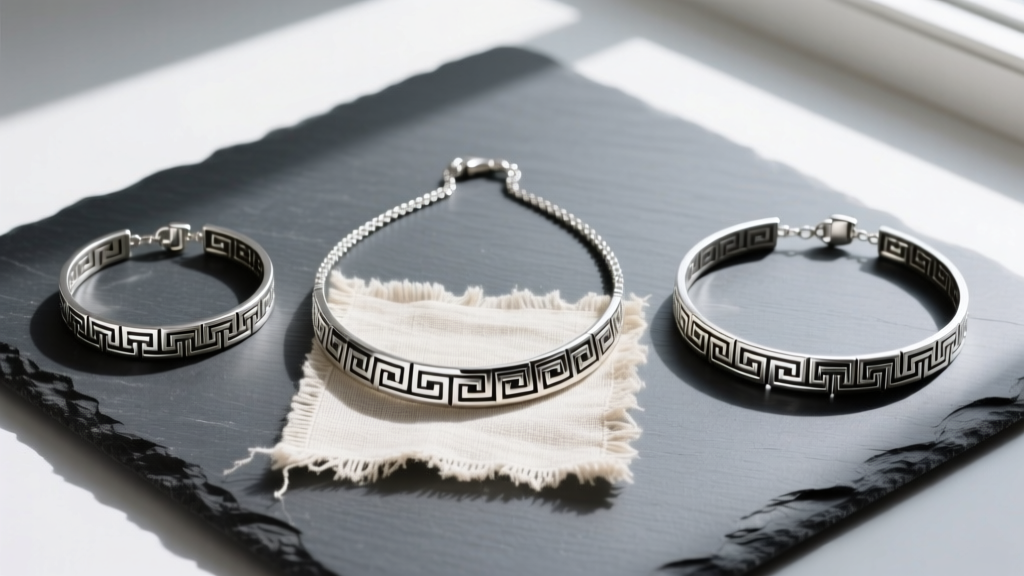
Die-Struck & Hand-Finished Artisan Pieces ($120 - $350): Premium brands utilize die-striking or advanced CNC milling to create their Greek key links. This process compresses the silver, resulting in a denser, more durable metal with razor-sharp geometric edges. Hand-finished pieces will also feature intentional oxidation (patina) applied only to the recessed grooves, creating a striking two-tone contrast that makes the pattern pop. If you are paying over $100, demand this level of crisp detail and finishing.
Care and Maintenance for Intricate Silver Motifs
Cleaning a silver Greek key necklace requires a specialized approach. The deep grooves of the meander pattern are delicate, and improper cleaning can ruin the piece's structural integrity or aesthetic contrast.
Avoid Chemical Dips: Never use liquid silver dip solutions on a Greek key necklace. These harsh chemicals strip away all oxidation instantly. If your piece features intentional dark patina in the grooves to highlight the geometric pattern, a chemical dip will ruin the contrast, leaving the necklace looking flat and lifeless.
The Horsehair Brush Method: For routine cleaning, mix a few drops of mild, phosphate-free dish soap with lukewarm water. Submerge the necklace for three minutes to loosen oils. Then, using a clean, extra-soft horsehair detailing brush, gently sweep the bristles along the directional flow of the meander pattern. The horsehair is stiff enough to dislodge debris from the 90-degree corners but soft enough not to scratch the high-polish surfaces. Rinse with distilled water and pat dry with a microfiber cloth. This method preserves both the brilliant shine of the raised edges and the necessary depth of the recessed grooves, ensuring your Hellenistic masterpiece remains a cornerstone of your 2026 wardrobe.


