How to Make a Shell Necklace: Advanced Drilling & Stringing Guide
Learn how to make a shell necklace using expert drilling techniques, material preservation, and professional stringing methods for high-end jewelry.

The Material Science of Marine Shells in Jewelry
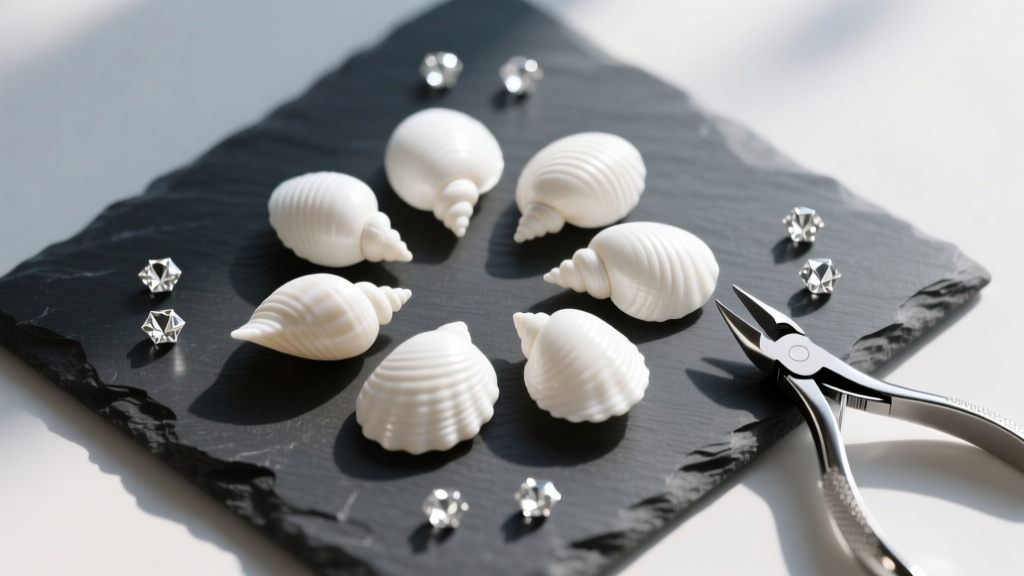
When researching how to make a shell necklace, most tutorials treat marine shells like standard glass or stone beads. This is a fundamental error that leads to high breakage rates and degraded materials. To craft high-end, durable shell jewelry, you must understand the material science of what you are working with. According to the Gemological Institute of America (GIA), shells are primarily composed of calcium carbonate, structured in microscopic layers of aragonite or calcite. This gives them a Mohs hardness rating between 2.5 and 3.5.
While this makes them relatively easy to carve, it also means they are highly brittle and susceptible to thermal shock. The aragonite layers are held together by an organic protein matrix called conchiolin. When high-speed rotary tools generate excessive friction heat, this protein matrix denatures, and the calcium carbonate layers delaminate, resulting in catastrophic micro-fractures. Mastering shell crafting is less about brute force and more about thermal management and structural stabilization.
Essential Tools for Precision Shell Crafting
Amateur crafters often reach for a standard rotary tool (like a basic Dremel) and steel drill bits. This approach guarantees chipped edges and blown-out exit holes. Professional lapidaries and jewelers rely on specialized equipment to maintain low temperatures and high precision. Below is a technical comparison of drilling setups for shell work.
| Tool Type | Max RPM | Torque Control | Best Use Case |
|---|---|---|---|
| Rotary Tool (Standard) | 35,000 | Low | Rough shaping of thick conch shells; not recommended for drilling. |
| Flex Shaft (e.g., Foredom) | 18,000 | High | Precision drilling, detailed carving, and edge smoothing. |
| Micro Hand Drill (Pin Vise) | 0 (Manual) | Absolute | Fragile antique shells, seed shells, and clearing drill dust. |
For drill bits, abandon standard high-speed steel (HSS) or carbide bits. You must use diamond-coated twist drills or diamond core bits, typically ranging from 0.8mm for delicate seed shells to 2.5mm for heavy puka or cowrie shells. As noted by Rio Grande Jewelry Supply, diamond grit shears the calcium carbonate cleanly without grabbing and tearing the organic matrix, provided the RPM is kept below 5,000.
Step-by-Step: The Submerged Drilling Technique
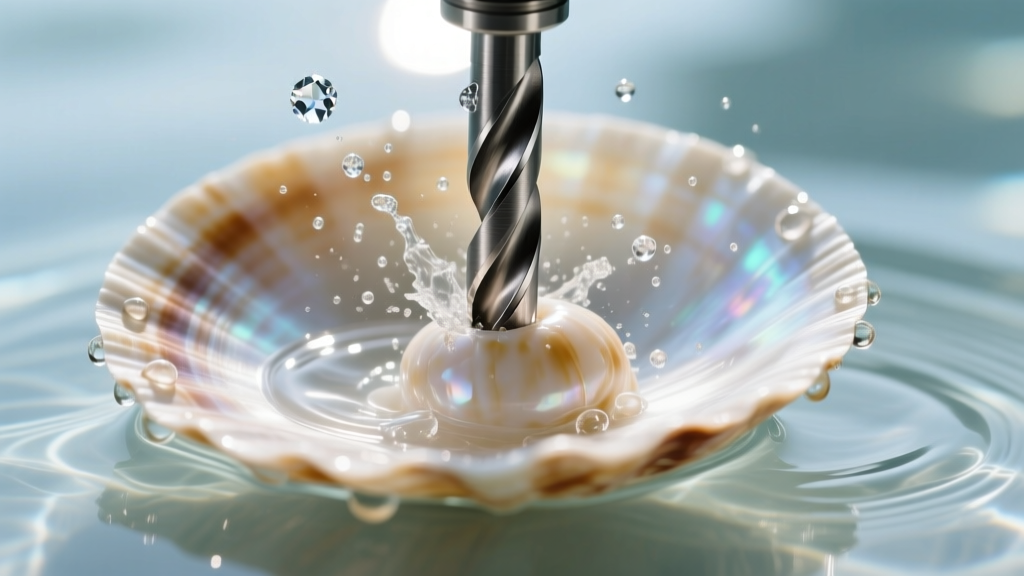
The single most critical step in learning how to make a shell necklace that lasts is mastering the submerged drilling technique. This method simultaneously cools the drill bit, lubricates the cutting surface, and flushes away abrasive calcium carbonate dust that can bind the bit and crack the shell.
Preparation and Surface Stabilization
Before drilling, apply a piece of high-tack painter's tape or masking tape over the exact entry and exit points. This tape serves two purposes: it provides a visual guide for your drill bit, and more importantly, it holds the brittle surface layers together, preventing "spalling" (the flaking away of the shell's natural enamel layer) as the bit bites into the material.
The Water Bath and Drilling Execution
Place your shell in a shallow glass or acrylic tray filled with just enough distilled water to submerge the piece. Using your flex shaft set to a low speed (around 3,000 RPM), bring the diamond bit to the taped surface at a strict 90-degree angle. Apply zero downward pressure; let the weight of the handpiece and the diamond grit do the cutting. Use a "pecking" motion—drill for two seconds, lift the bit to allow water to flow into the hole and clear the dust, then resume.
Preventing Exit Hole Blowout
The most common failure point in shell drilling is the exit hole. As the bit breaks through the bottom of the shell, the lack of underlying support causes the bottom layers to blow out in a jagged crater. To prevent this, always place the shell on a sacrificial backer board made of dense rubber, acrylic, or end-grain wood. When the bit breaks through the shell, it immediately bites into the backer, supporting the fragile bottom layers of the shell and ensuring a clean, factory-like exit hole.
Edge Sealing and Friable Shell Stabilization
Not all shells are perfectly calcified. Many beach-found shells suffer from environmental degradation, leaving them "chalky" or friable. If you are working with softer shells like sand dollars, urchins, or weathered conch, you must consolidate the material before stringing.
Professional conservators and jewelers use Paraloid B-72, an ethyl methacrylate copolymer. By dissolving Paraloid B-72 pellets in pure acetone (creating a 5% to 10% solution by weight), you can brush the solution onto the friable edges of the shell. The acetone flashes off rapidly, leaving the acrylic resin deep within the microscopic pores of the calcium carbonate, effectively turning chalky shell edges into a durable, drillable composite without altering the natural luster or color.
Advanced Stringing: Combating the Abrasion Factor
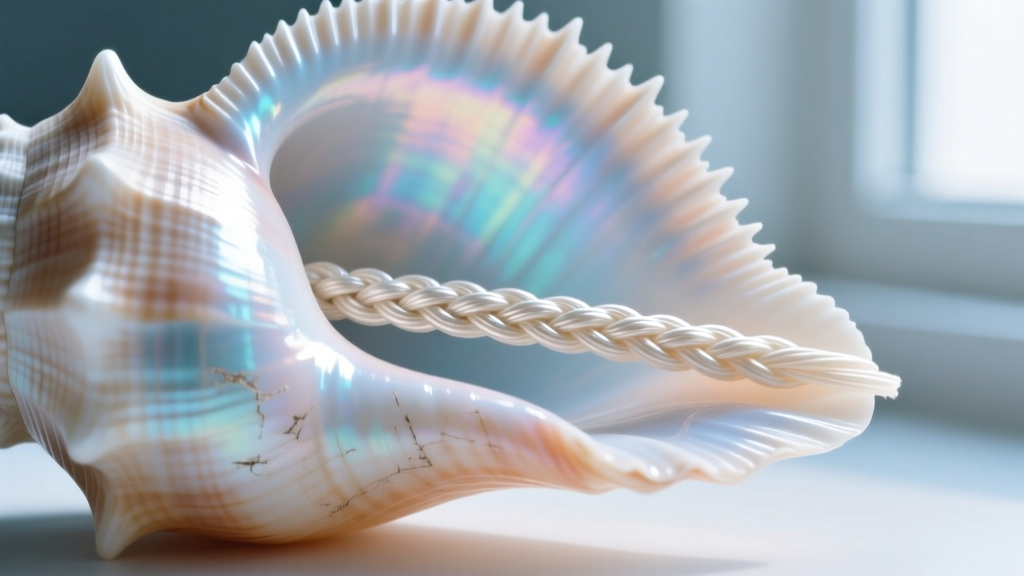
The interior aperture of a natural shell is rarely smooth. It is lined with microscopic, razor-sharp aragonite crystals that will slice through traditional stringing materials in a matter of weeks. When figuring out how to make a shell necklace that won't snap and lose expensive components, your choice of stringing medium is paramount.
- Silk Thread: Traditional for pearls, but entirely unsuitable for raw or semi-polished shells. The sharp inner edges will fray and snap silk under minimal tension.
- Nylon Beading Thread (e.g., Nymo): Better than silk, but still susceptible to abrasion over time when rubbing against calcium carbonate edges.
- UHMWPE Braided Thread (e.g., Fireline, PowerPro): Ultra-High Molecular Weight Polyethylene is the industry standard for shell stringing. It possesses immense tensile strength (often exceeding 8 lbs for a 6lb test diameter) and is virtually impervious to the abrasive edges of marine shells.
- Coated Stainless Steel Wire: Necessary for heavy, large-format shells. However, wire must be protected at the stress points using sterling silver or gold-filled wire guards (French wire) to prevent the shell from cutting through the nylon coating of the wire.
The Surgeon's Knot and Adhesive Protocol
When terminating your UHMWPE thread, standard square knots will slip due to the material's low surface friction. You must use a double surgeon's knot. After pulling the knot tight, apply a microscopic drop of cyanoacrylate (CA) glue directly to the knot using a micro-applicator tip. The CA glue wicks into the braided fibers, locking them permanently in place without creating a bulky, visible glue blob that would detract from the necklace's aesthetics.
Finishing and Hardware Selection
The final step in professional shell necklace construction is integrating the hardware. Because shells are organic and sensitive to chemical reactions, avoid base metals or cheap plated alloys that can oxidize and stain the porous calcium carbonate green or black. Stick to solid sterling silver, 14k/18k gold, or surgical-grade titanium.
Instead of crushing metal crimp beads directly against the delicate edges of the shell, use wire guardians and bead tips. If you are using UHMWPE thread, terminate the ends with high-quality sterling silver clamshell bead tips. This encases the knot, hides the adhesive, and provides a smooth, rounded metal loop that attaches cleanly to your chosen clasp via a seamless jump ring. By combining material science, precision tooling, and advanced stringing polymers, you elevate the simple craft of shell jewelry into a durable, heirloom-quality discipline.