How to Clean, Repair, and Restore a Shell and Pearl Necklace
Learn how to clean, restring, and restore a damaged shell and pearl necklace. Expert troubleshooting for luster loss, broken silk, and dull shells.

The Anatomy of Shell and Pearl Degradation
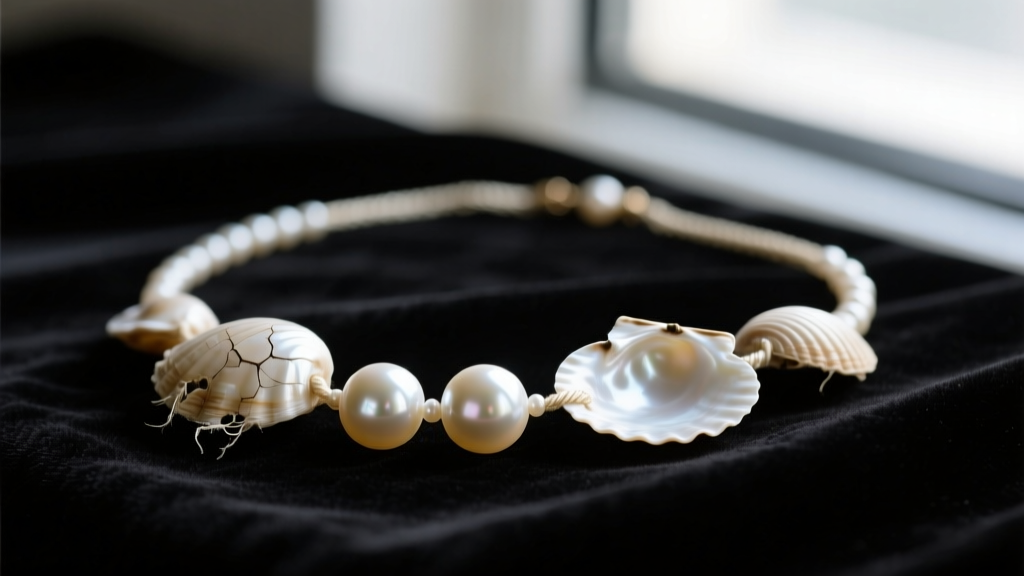
A shell and pearl necklace is a masterpiece of organic jewelry, but its very composition makes it uniquely vulnerable to environmental and chemical damage. Both pearls and decorative shells are primarily composed of calcium carbonate (aragonite and calcite) held together by an organic protein matrix called conchiolin. On the Mohs hardness scale, these materials rank between 2.5 and 4.0, making them exceptionally soft compared to crystalline gemstones. When a shell and pearl necklace begins to look dull, chalky, or structurally compromised, it is almost always due to the degradation of the conchiolin or the dissolution of the outer calcium carbonate layers. Understanding this biological makeup is the first step in effective troubleshooting and restoration.
Troubleshooting Luster Loss: Pearls vs. Shells
Luster is the defining characteristic of any pearl and the iridescent inner layer (mother-of-pearl) found in many shells. When luster fades, owners often mistakenly attempt to polish the jewelry using abrasive compounds meant for metals. This is a catastrophic error. Polishing a pearl or shell literally sands away the delicate nacre layers, causing irreversible damage.
The 'Tooth Test' and Surface Diagnostics
Before attempting any restoration, diagnose the surface condition. Gently rub the pearl or shell against the edge of your front tooth. A healthy pearl will feel slightly gritty or sandy due to its microscopic crystalline structure. If it feels perfectly smooth like glass, the nacre has been entirely worn away or it is a synthetic imitation. For natural shells, look for 'crazing'—a network of fine, shallow cracks on the surface. Crazing indicates that the conchiolin has dried out and contracted, often due to storage in low-humidity environments or exposure to intense heat.
Safe Rehydration and Cleaning Protocols
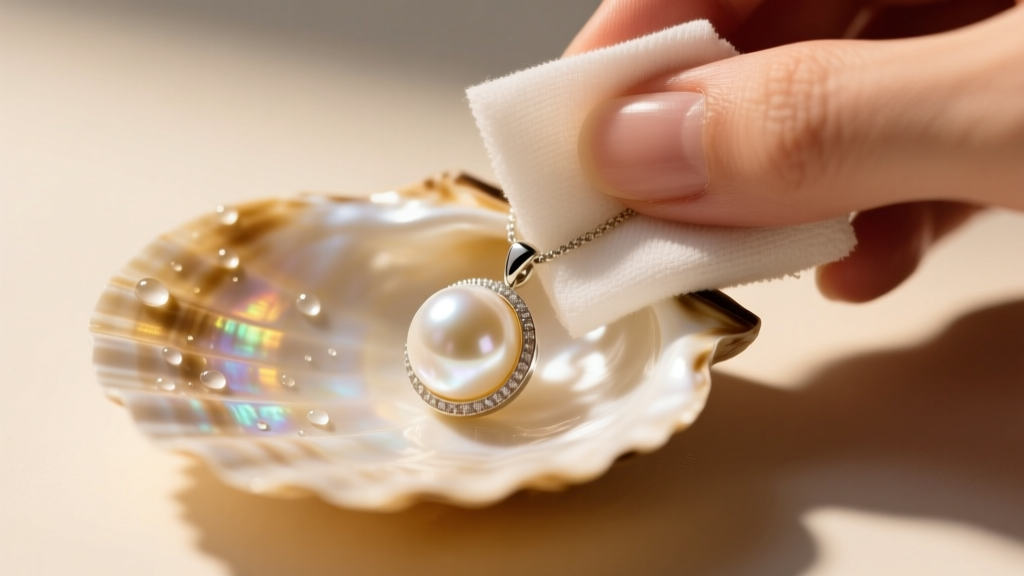
If your shell and pearl necklace has lost its luster due to surface oils, sweat, or cosmetic buildup, you must clean it without stripping its natural moisture. According to the Gemological Institute of America (GIA), pearls and shells should never be submerged in water or subjected to ultrasonic cleaners, as water can seep into the drill holes and rot the internal silk thread or cause the bead to crack from the inside out.
- The Wipe-Down Method: Use a lint-free microfiber cloth slightly dampened with distilled water (never tap water, which contains chlorine and trace minerals) to gently wipe each bead.
- Mild Surfactants: For stubborn grime, use a single drop of pH-neutral Castile soap diluted in a cup of distilled water. Dip the cloth, wring it out completely, and wipe the beads.
- Olive Oil Rehydration: For severely dried-out shells exhibiting minor crazing, apply a microscopic drop of high-grade olive oil to a cotton swab and gently buff the shell. This can temporarily restore the optical refraction of the surface, mimicking luster while rehydrating the conchiolin.
Restringing and Knotting: Solving Structural Failures
The most common point of failure in a shell and pearl necklace is the stringing material. Traditional silk thread is preferred for organic beads because it is soft and will not wear down the drill holes like synthetic nylon or wire. However, silk is a natural protein fiber that stretches, frays, and eventually rots when exposed to moisture and skin acidity. If your necklace has visible gaps between the knots, or if the thread looks dark and frayed near the clasp, it requires immediate restringing.
Silk Thread Sizing and Drill Hole Compatibility
Choosing the correct silk thread gauge is critical. If the thread is too thick, it will fray against the sharp inner edge of the shell's drill hole. If it is too thin, the knots will slip through the holes, leading to a total strand failure. Below is a professional grading chart used by master stringers:
| Silk Thread Size | Diameter (mm) | Best Application (Bead Hole Size) |
|---|---|---|
| Size 0 (Very Fine) | 0.30 mm | Small seed pearls (2-4mm) with 0.4mm holes |
| Size 2 (Standard) | 0.45 mm | Standard 5-7mm pearls and thin shell discs |
| Size 4 (Heavy) | 0.55 mm | Large 8-10mm drilled shells and baroque pearls |
| Size 6 (Extra Heavy) | 0.70 mm | Heavy focal puka shells and 12mm+ pearls |
When restringing, always use a bead needle and ensure that a hand-tied overhand knot is placed between every single pearl and shell. This not only prevents the beads from rubbing against each other—which would grind away the nacre at the drill holes—but also ensures that if the necklace snaps, you only lose one bead rather than the entire strand. For the final three beads near the clasp, use French wire (also known as gimp) to protect the silk from the metal friction of the clasp jump ring.
Chemical Hazards: What to Absolutely Avoid
Troubleshooting a damaged shell and pearl necklace often involves identifying what the owner accidentally exposed it to. Because calcium carbonate is highly reactive to acids, and conchiolin is reactive to alcohols, everyday cosmetics are the primary culprits of degradation. As noted by experts at Pearl Paradise, the 'last on, first off' rule is non-negotiable for organic jewelry.
- Acetic Acid (Vinegar/Citrus): Will instantly etch the surface of pearls and shells, leaving permanent dull, matte spots. Never use jewelry dips containing ammonia or acids.
- Alcohol (Perfume/Hairspray): Extracts the natural moisture from conchiolin, leading to severe drying, yellowing, and eventual flaking of the nacre.
- Chlorine (Pools/Tap Water): Reacts with the calcium carbonate to form calcium chloride, which weakens the structural integrity of the shell and causes a chalky white residue.
- Ultrasonic Cleaners: The high-frequency vibrations will literally shatter the delicate crystalline layers of both pearls and thin decorative shells.
Clasp and Hardware Upgrades
Often, a shell and pearl necklace is ruined not by the beads themselves, but by cheap base-metal clasps that corrode, turn the skin green, and snap under the weight of the shells. When restoring your necklace, upgrade the hardware. Replace standard spring-ring clasps with a 14k gold-filled or solid sterling silver lobster clasp. For heavier shell and pearl necklaces, a sterling silver box clasp with a figure-eight safety latch is the most secure option, distributing the tension evenly across the silk thread and preventing sudden drops.
Preventative Storage and Maintenance Framework
Once your shell and pearl necklace is cleaned and restrung, proper storage is vital to prevent future troubleshooting. Never store organic jewelry in a plastic ziplock bag or a safety deposit box for long periods; these environments are too dry and will dehydrate the conchiolin. Instead, store the necklace flat (never hung, which stretches the silk) in a breathable linen or cotton pouch. Keep it in a room with stable, moderate humidity (around 40-50%). By understanding the biological and chemical needs of these organic gems, you can ensure your shell and pearl necklace remains luminous and structurally sound for generations.


