Bluetooth Speaker Necklace Guide: 2026 Material & Audio Properties
Explore how housing alloys affect audio resonance in a bluetooth speaker necklace. Our 2026 material guide compares titanium, ceramic, and polymer builds.

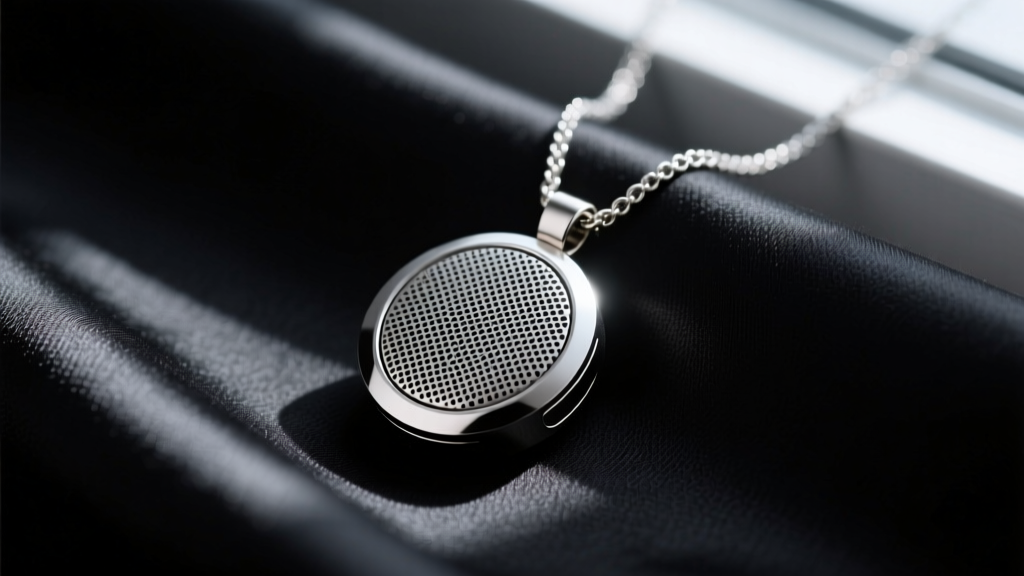
The Evolution of Wearable Audio: Beyond the Earbud
As we navigate through 2026, wearable technology has decisively moved past the wrist and the ear. The modern bluetooth speaker necklace is no longer a novelty item or a clunky piece of early-2010s tech; it is a sophisticated piece of audio jewelry that merges high-fidelity directional sound with high-end metallurgy. Driven by the widespread adoption of Bluetooth LE Audio and Auracast broadcasting, today’s chest-worn transducers deliver studio-grade spatial audio without isolating the wearer from their environment. However, the secret to a premium audio jewelry experience lies not just in the digital signal processor, but in the physical materials used to construct the pendant housing and the chain.
Unlike traditional over-ear headphones where the acoustic chamber is large and hidden, a wearable audio pendant rests directly against the sternum. The housing material dictates acoustic impedance, thermal dissipation, and skin biocompatibility. In this comprehensive material comparison, we break down the exact metallurgical and polymer properties that separate a premium acoustic necklace from a subpar gadget.
Acoustic Resonance: How Pendant Materials Shape Sound
The pendant of a bluetooth speaker necklace functions as a micro-acoustic chamber. When the internal 10mm x 4mm neodymium micro-transducer fires, the sound waves bounce off the interior walls of the housing before exiting through the directional mesh grille. The density and rigidity of the housing material fundamentally alter the frequency response.
Titanium (Ti-6Al-4V) vs. Zirconia Ceramic
Aerospace-grade titanium, specifically the Ti-6Al-4V alloy, is the gold standard for premium audio jewelry in 2026. With a density of 4.43 g/cm³, titanium is incredibly rigid. This rigidity prevents the housing from vibrating at high volumes, eliminating the "muddy" bass distortion common in cheaper plastics. Titanium reflects high-frequency sound waves efficiently, resulting in crisp, articulate treble and vocal clarity. However, its high acoustic impedance means it can sometimes introduce a slight metallic "ringing" in the upper-midrange if the internal dampening foam is poorly applied.
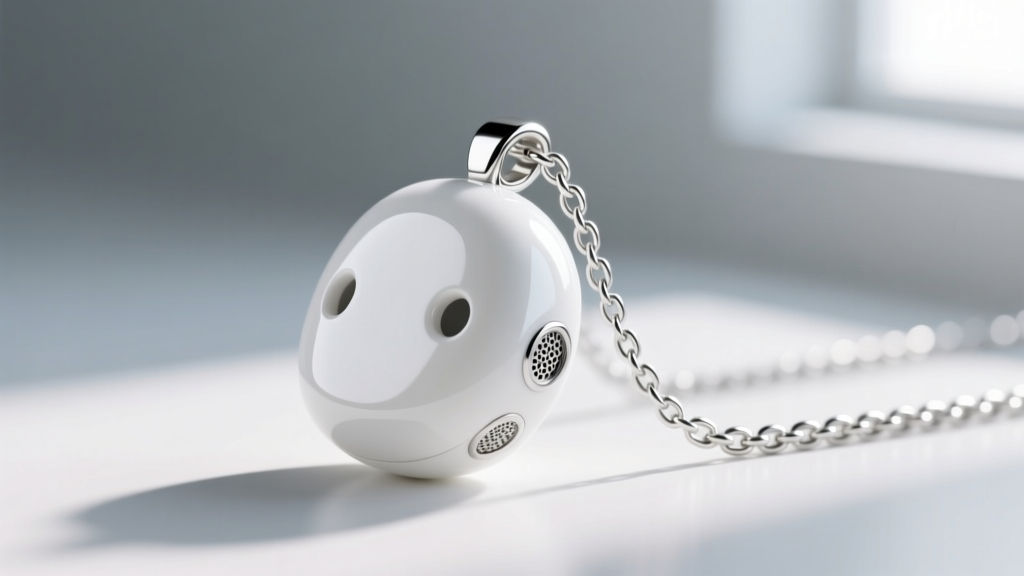
Conversely, yttria-stabilized zirconia ceramic (density ~6.0 g/cm³) offers a vastly different acoustic profile. Ceramic is acoustically "dead" compared to metal, meaning it absorbs micro-vibrations rather than reflecting them. A ceramic bluetooth speaker necklace housing yields a warmer, richer midrange and deeply resonant bass, as the material naturally dampens harsh high-frequency spikes. The trade-off is weight; a solid ceramic pendant can feel heavy on the cervical spine if the chain is not properly counterbalanced.
Material Durability & Skin Sensitivity Matrix
The skin on the neck and upper chest is significantly thinner and more prone to contact dermatitis than the skin on the wrists or earlobes. When evaluating a bluetooth speaker necklace, the biocompatibility of the housing and the grille is paramount. Below is a comparative matrix of the most common housing materials used in 2026 audio jewelry.
| Material | Density (g/cm³) | Acoustic Profile | Nickel Migration (EN 1811) | Typical IPX Rating |
|---|---|---|---|---|
| Ti-6Al-4V Titanium | 4.43 | Bright, crisp highs; tight bass | Zero (Hypoallergenic) | IPX7 |
| Zirconia Ceramic | 6.00 | Warm mids; smooth, roll-off treble | Zero (Inert) | IPX8 |
| 316L Surgical Steel | 8.00 | Resonant; prone to midrange coloring | Low (Passes EU limits) | IPX5 |
| Polycarbonate/ABS | 1.05 - 1.20 | Muffled highs; boomy, loose bass | Zero (Synthetic) | IPX4 |
| PU-Coated Zinc Alloy | 6.60 | Flat, heavily dampened | High risk if coating chips | IPX3 |
For users with severe metal allergies, zirconia ceramic and medical-grade titanium are the only safe choices. 316L stainless steel, while generally safe for ear piercings, can cause erythema (redness) on the chest during prolonged wear in hot, humid climates due to trace nickel content and sweat-induced oxidation.
Thermal Dissipation and Battery Swelling
A frequently overlooked aspect of wearable audio is thermal management. Modern bluetooth speaker necklaces utilize high-density lithium-polymer (LiPo) batteries packed into incredibly small pendant housings. When streaming high-bitrate LE Audio via Auracast for extended periods, the internal DAC and amplifier generate noticeable heat.
Metal housings like aluminum or titanium act as passive heat sinks. They draw heat away from the battery and the printed circuit board (PCB), preventing thermal throttling of the amplifier. However, this means the pendant itself can become uncomfortably warm against the skin. Ceramic and polycarbonate, on the other hand, are thermal insulators. While they remain cool to the touch on the outside, they trap heat internally. In low-quality polymer necklaces, this trapped heat accelerates LiPo battery degradation, leading to the dreaded "battery swelling" failure mode, which can crack the plastic housing and expose the user to volatile chemicals. Premium 2026 designs solve this by using a titanium outer shell lined with a micro-layer of aerogel insulation, keeping the electronics cool without transferring heat to the wearer's chest.
Chain Microphonics: The Hidden Audio Variable
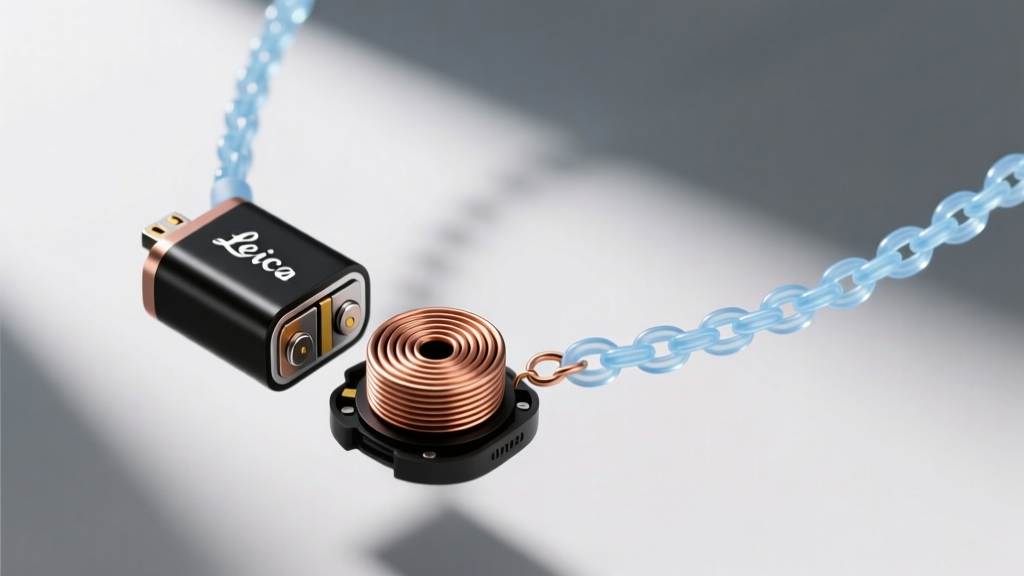
The chain of a bluetooth speaker necklace is not merely a suspension system; it is a mechanical conduit for vibration. "Microphonics" refers to the unwanted noise generated when physical vibrations travel up the chain and resonate against the pendant or the wearer's collarbones.
- Solid Metal Chains (Curb, Figaro, Rope): While aesthetically striking, solid silver or steel chains are highly susceptible to microphonics. Every step the wearer takes causes the metal links to clink together, transmitting low-frequency mechanical noise directly into the pendant's microphone array (if equipped for voice calls) and creating a subtle rattling sensation against the chest.
- TPU and Silicone Encapsulated Chains: High-end audio jewelry brands have pivoted to thermoplastic polyurethane (TPU) or medical-grade silicone chains. These elastomers possess high vibration-dampening coefficients. They absorb the kinetic energy of walking or running, ensuring the pendant remains acoustically isolated and physically stable.
- Hybrid Cables: Some 2026 models feature a braided Kevlar core wrapped in woven cotton or leather. These offer the tensile strength required to support heavy ceramic pendants while providing excellent acoustic dampening and a luxurious, non-technical aesthetic.
Final Verdict: Choosing Your Acoustic Jewelry
Selecting the right bluetooth speaker necklace requires balancing acoustic preferences, skin sensitivity, and lifestyle. If you prioritize audiophile-grade treble clarity and require a lightweight, sweat-proof design for active use, a Ti-6Al-4V titanium pendant paired with a TPU chain is the undisputed champion. If you prefer a warmer, more analog sound signature and view your wearable tech primarily as a high-fashion accessory, a zirconia ceramic housing offers unmatched elegance and acoustic dampening. Avoid zinc alloys and cheap ABS plastics, as they compromise both audio fidelity and long-term skin health. By understanding the material science behind the housing, you can invest in a piece of audio jewelry that sounds as exquisite as it looks.


