Chrome Hearts Paper Clip Necklace Care and Cleaning Guide
Learn how to clean and maintain your Chrome Hearts paper clip necklace without stripping its signature oxidation. Expert .925 silver care tips.

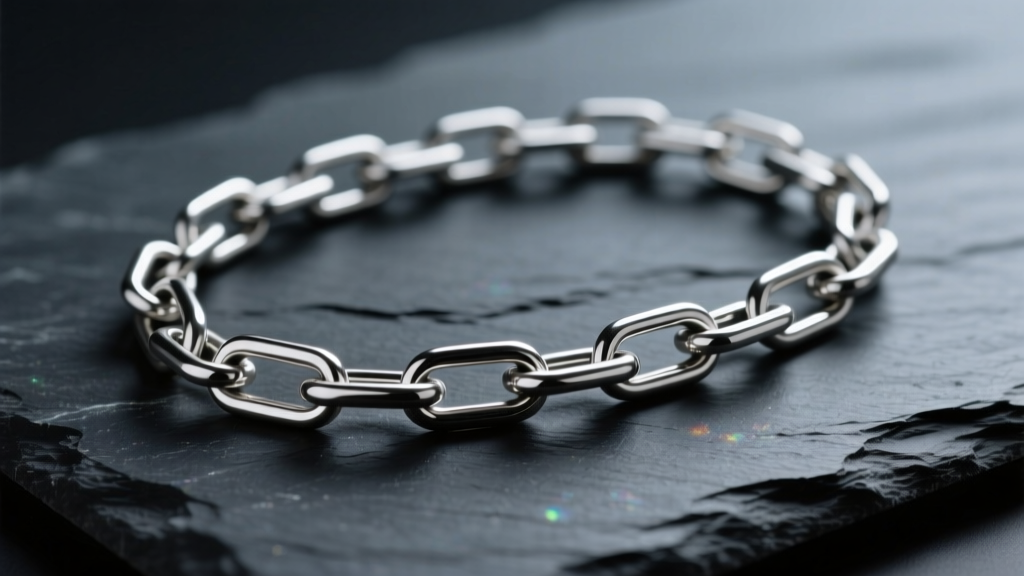
The Weight of Luxury: Understanding Your Investment
Owning a Chrome Hearts paper clip necklace is more than just a fashion statement; it is a substantial investment in wearable art. Ranging anywhere from $1,500 to over $4,000 on the secondary market depending on the length, weight, and specific motifs (such as the CH Plus or Dagger clasps), these pieces demand a highly specialized approach to maintenance. Unlike delicate, mass-produced jewelry, Chrome Hearts chains are renowned for their heavy gauge, solid cast construction, and signature darkened crevices. However, this very weight and the brand's specific finishing techniques mean that standard jewelry cleaning methods can cause irreversible damage. In this comprehensive guide, we will explore the exact protocols required to maintain the structural integrity and aesthetic brilliance of your piece in 2026 and beyond.
The Anatomy of .925 Silver and Intentional Oxidation
To properly care for your chain, you must first understand its metallurgical makeup. Chrome Hearts utilizes premium .925 sterling silver, which consists of 92.5% pure silver and 7.5% copper. According to the Gemological Institute of America (GIA), it is the copper alloy that makes sterling silver durable enough for heavy casting, but it is also the copper that reacts with sulfur and oxygen in the environment to create tarnish.
Chrome Hearts intentionally accelerates this process during manufacturing. The brand uses a chemical compound, typically liver of sulfur (potassium sulfide), to force a rapid, deep black oxidation into the recessed areas of the links and motifs. This creates the high-contrast, gothic aesthetic that defines the brand. The outer, high-friction surfaces are then hand-polished to a bright, mirror-like finish. Your primary goal during cleaning is to remove external oils, skin acids, and environmental grime without stripping the deliberate liver-of-sulfur patina hidden within the crevices.
The Silver Dip Disaster: What to Avoid at All Costs
The most common and catastrophic mistake owners make is using commercial liquid silver dips (such as Tarn-X). These chemical baths rely on thiourea and strong acids to instantly strip tarnish through a redox reaction. While this might sound efficient, it is entirely indiscriminate. A silver dip will strip the brand's intentional black oxidation in seconds, leaving your necklace looking flat, artificially bright, and stripped of its signature depth. Once the factory-applied patina is chemically removed, it is nearly impossible to replicate the exact factory finish at home, significantly diminishing the piece's resale value and aesthetic appeal.
Furthermore, avoid ultrasonic cleaners. The high-frequency cavitation bubbles generated by ultrasonic machines can weaken the soldered joints on heavy cast links and potentially loosen any semi-precious stones set into specialty clasps or pendant attachments.
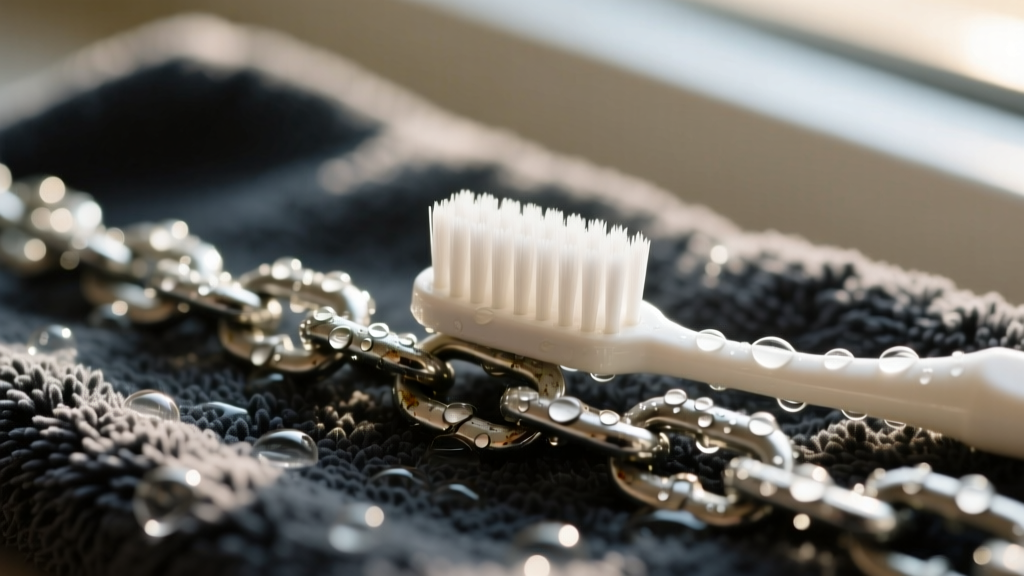
Step-by-Step Safe Cleaning Protocol
For routine maintenance, a gentle, manual approach is the only safe method. This process lifts sebum and environmental dirt while preserving the dark antiquing.
Materials Required
- Premium pH-neutral liquid dish soap (e.g., original blue Dawn, free of citrus extracts or harsh degreasers)
- Distilled water (tap water contains chlorine and minerals that can cause micro-spotting on high-polish silver)
- An ultra-soft baby toothbrush (adult brushes have bristles that are too stiff and can cause micro-scratches on the polished outer planes)
- Lint-free microfiber polishing cloths
The Washing Process
- Prepare the Solution: Mix three drops of pH-neutral dish soap into a bowl of lukewarm distilled water. Avoid hot water, as extreme temperature shifts can stress the metal over time.
- Submerge and Soak: Place the necklace into the solution and let it soak for exactly three to five minutes. This softens hardened sebum and cosmetic residues trapped between the tight tolerances of the paper clip links.
- Gentle Agitation: Using the baby toothbrush, gently brush the links. Focus on the flat outer surfaces where skin contact is highest. When brushing near the crevices, use a light, sweeping motion rather than digging the bristles deep into the joints, which could dislodge the dark patina.
- Rinse Thoroughly: Rinse the chain under a gentle stream of cool distilled water to remove all soap residue. Soap left behind will dry into a dull, cloudy film.
- Dry Immediately: Pat the chain dry with a clean microfiber cloth. Do not air dry, as water spots will form. Ensure the inside of the links and the clasp mechanism are completely bone-dry.
Structural Maintenance: Preventing Link Stretch and Clasp Failure
The paper clip chain design features elongated, rectangular links. While visually striking, this geometry distributes mechanical stress differently than traditional oval cable chains. The flat, elongated planes are susceptible to corner stress and warping if the heavy chain is snagged or pulled aggressively. Over time, repeated tension can cause the rectangular links to stretch, leading to a permanent, uneven drape. Always support the weight of the chain when taking it off, and never pull it over your head if the clasp is still engaged.
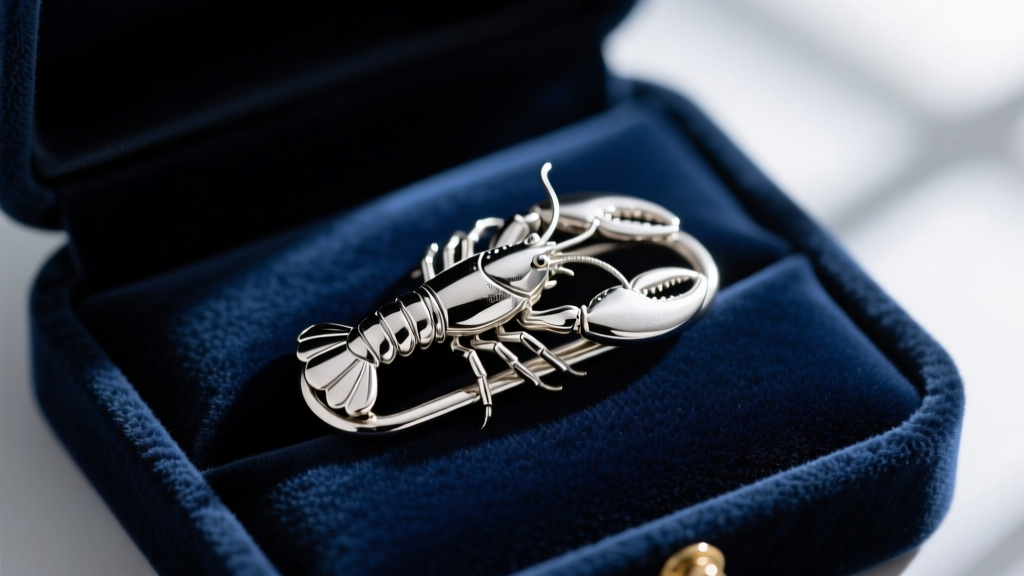
Additionally, pay close attention to the clasp. Chrome Hearts often utilizes heavy cast lobster clasps or their signature dagger clasps. Inside a standard lobster clasp is a tiny steel spring. While the exterior is sterling silver, this internal spring is susceptible to rust if exposed to saltwater, sweat, or prolonged humidity. According to The Silver Institute, keeping mechanical jewelry components completely dry is essential for longevity. If the clasp begins to feel stiff or fails to snap shut crisply, a microscopic drop of synthetic watch oil applied to the hinge pin with a needle can restore its function.
Cleaning Agent Comparison Matrix
Not all silver cleaners are created equal. Use this matrix to ensure you are selecting the right product for your oxidized luxury jewelry.
| Cleaning Method | Verdict | Impact on Chrome Hearts Silver |
|---|---|---|
| Liquid Silver Dips (Thiourea) | NEVER USE | Strips intentional black oxidation instantly; ruins factory finish. |
| Baking Soda & Aluminum Foil | AVOID | Electrochemical reaction removes all tarnish, including recessed patina. |
| Ultrasonic Cleaners | AVOID | Vibrations can weaken soldered joints on heavy cast links. |
| Treated Polishing Cloths (Rouge) | USE WITH CAUTION | Safe for outer high-polish surfaces only; avoid rubbing into crevices. |
| pH-Neutral Soap & Distilled Water | HIGHLY RECOMMENDED | Safely removes oils and dirt without affecting chemical patina. |
Storage Protocols for Heavy Silver Chains
How you store your Chrome Hearts paper clip necklace is just as critical as how you clean it. Sterling silver tarnishes primarily due to exposure to hydrogen sulfide in the air and high humidity. To slow this natural oxidation process, never leave your chain sitting out on a bathroom counter or dresser.
Store the necklace in a dedicated, dark velvet pouch or an airtight acrylic jewelry box. For optimal preservation, place a 3M anti-tarnish strip or a small silica gel desiccant packet inside the storage container. The anti-tarnish strip works by absorbing airborne sulfur compounds before they can react with the copper in the sterling silver alloy. Finally, always store the chain laid flat or loosely coiled; hanging a heavy 100-gram paper clip chain on a standard jewelry tree can place unnecessary, continuous tension on the top links and the clasp spring, accelerating metal fatigue.


