How to Choose a High-Quality Plated Gold Necklace
Discover how to choose a durable plated gold necklace. Learn about PVD vs electroplating, micron thickness, and the best base metals for everyday wear.

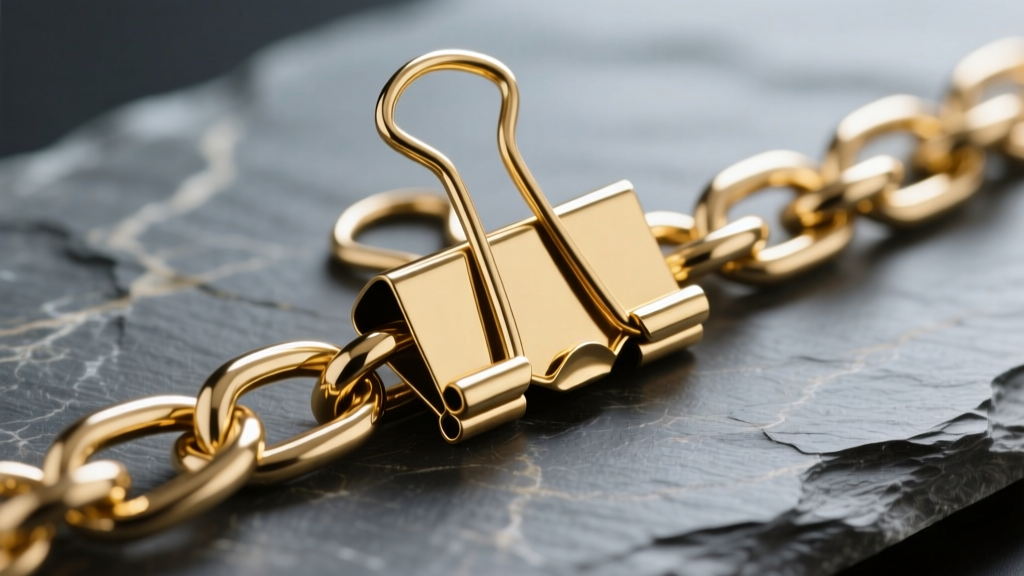
The market for gold-toned jewelry has exploded, but navigating the terminology can feel like deciphering a secret code. When shopping for a plated gold necklace, consumers are often bombarded with marketing terms like "gold dipped," "gold vermeil," and "PVD coated." While they may look identical in a dimly lit boutique, their molecular structures, base metals, and manufacturing processes dictate whether your necklace will last a lifetime or turn your skin green in three weeks.
As we move through 2026, advancements in coating technologies have blurred the lines between fine jewelry and fashion accessories. However, the fundamental rules of metallurgy remain unchanged. This comprehensive buying guide will equip you with the technical knowledge to evaluate base metals, decode micron thickness, and identify the manufacturing red flags that separate premium investments from disposable fast fashion.
The Core Foundation: Evaluating Base Metals
A plated necklace is only as durable as the metal hiding beneath its golden surface. The base metal determines the piece's weight, structural integrity, and hypoallergenic properties. More importantly, it dictates whether the manufacturer had to use a "strike" layer—a crucial intermediary coating that prevents atomic migration.
- Brass and Copper Alloys: The most common base for affordable jewelry. Brass is highly malleable and captures intricate casting details perfectly. However, copper reacts aggressively with human sebum and sweat, creating copper chloride (the culprit behind "green skin"). High-quality manufacturers apply a palladium or nickel strike layer before the gold to block this migration. If a brand skips the strike layer to save pennies, the necklace will tarnish from the inside out.
- Sterling Silver (.925): The foundation of Gold Vermeil. Sterling silver is inherently hypoallergenic and possesses a natural brightness that enhances the warmth of the gold layer above it. By law, vermeil requires a sterling silver base, making it a favorite for fine jewelry designers who want to offer accessible luxury without compromising on skin safety.
- 316L Stainless Steel: The undisputed king of modern men's and minimalist women's jewelry. Surgical-grade steel is incredibly rigid, highly resistant to corrosion, and entirely nickel-free (making it safe for most contact dermatitis sufferers). It is the primary substrate for advanced PVD coatings.
Plating Technologies: Electroplating vs. PVD Coating
Not all gold applications are created equal. The method used to bind the gold to the base metal is the single biggest predictor of your necklace's lifespan.
Traditional Electroplating involves submerging the base metal into a chemical bath containing dissolved gold salts. An electrical current is introduced, causing the gold ions to bond to the surface. While this allows for genuine 14k, 18k, or 24k gold layers, the bond is purely mechanical and electrical, making it susceptible to friction, UV degradation, and chemical wear from perfumes.
Physical Vapor Deposition (PVD) is a vacuum-chamber process originally developed for aerospace engineering. Instead of liquid baths, titanium nitride (TiN) is vaporized at extreme temperatures and bombarded onto the stainless steel base, followed by a genuine gold color layer. According to materials science data cited by the Gemological Institute of America (GIA), PVD coatings create a molecular bond that is up to 10 times more durable than traditional electroplating, making it virtually impervious to sweat and saltwater.
| Feature | Traditional Electroplating | PVD Coating |
|---|---|---|
| Base Metal Compatibility | Brass, Copper, Silver | Stainless Steel, Titanium |
| Bond Type | Electrical / Mechanical | Molecular / Vacuum Bond |
| Sweat & Water Resistance | Moderate (Requires Care) | Exceptional (Highly Durable) |
| Gold Purity | Real 14k-24k Gold | Gold-colored TiN + Gold Layer |
| Expected Lifespan | 1 to 5 Years | 10+ Years |
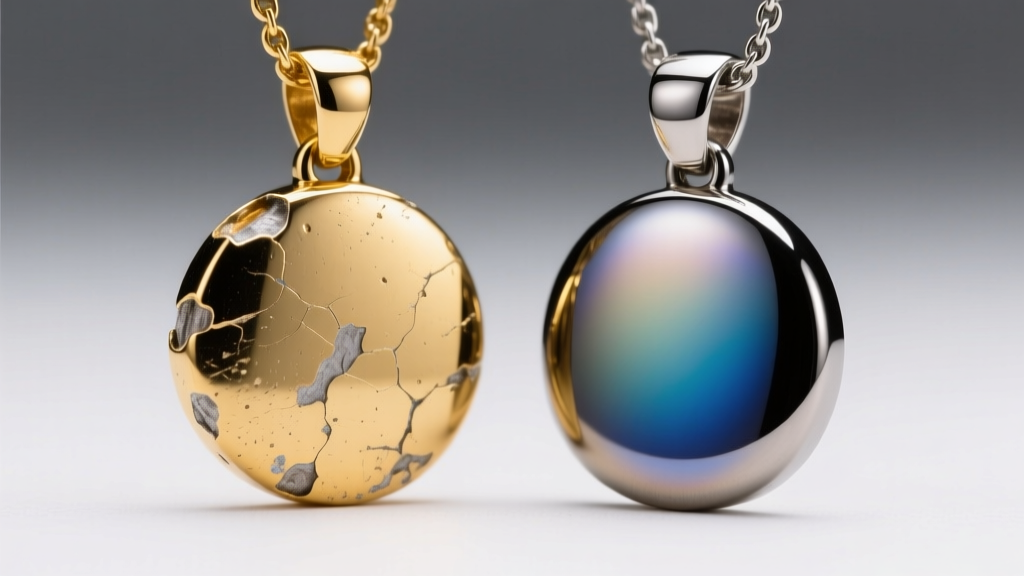
The Micron Metric: Why Thickness Dictates Lifespan
When evaluating a plated gold necklace, karatage (14k vs 18k) matters far less than the actual thickness of the gold layer, measured in microns (µm). A 24k gold layer that is only 0.1 microns thick will wear through in weeks, while a 14k layer that is 3.0 microns thick can last a decade.
The Federal Trade Commission (FTC) Jewelry Guides strictly regulate the terminology brands are legally allowed to use on their packaging and marketing materials:
- Gold Flashed / Gold Washed: Minimum 0.175 microns. This is essentially a microscopic mist of gold. It will wear off on high-friction areas (like clasps and chain links) within a month of daily wear.
- Gold Plated: Minimum 0.5 microns. Suitable for occasional wear, pendants, and earrings, but will eventually show brass or steel on chain necklaces that experience constant friction against the skin and clothing.
- Heavy Gold Electroplate (HGE): Minimum 2.5 microns. The gold standard for electroplated jewelry. At this thickness, the gold layer is substantial enough to withstand years of daily wear and can even be lightly polished without stripping the finish.
Red Flags: Spotting Poorly Manufactured Pieces
Retailers often use deceptive lighting and clever copywriting to mask inferior manufacturing. When inspecting a necklace in person or analyzing high-resolution macro photos online, look out for these critical failure points:
- Rough Jump Rings and Clasps: Gold plating perfectly mirrors the surface beneath it. If the jump rings (the tiny circles connecting the clasp) feel rough, porous, or have visible file marks, the manufacturer skipped the essential pre-plate polishing stage. The gold will flake off these rough edges almost immediately.
- Missing Hallmarks: Premium brands stamp their base metal and plating thickness (e.g., "925" for vermeil, or "14k HGE"). If a necklace has no stamps whatsoever, assume it is flash-plated brass.
- The "Dipped" Terminology: Legitimate jewelers use terms like "electroplated" or "PVD coated." If a brand uses "gold dipped," they are usually referring to a manual, unregulated process that results in wildly inconsistent thicknesses.

Pricing Expectations: What Should You Actually Pay?
Understanding the intersection of base metals, plating thickness, and manufacturing methods allows you to spot inflated pricing. Use this 2026 market matrix to ensure you are paying a fair price for the actual metallurgy you are receiving.
| Category | Base Metal | Plating Type | Fair Price Range (Pendant & Chain) |
|---|---|---|---|
| Fast Fashion | Brass/Zinc | Flash Plated (<0.5µm) | $15 - $35 |
| Mid-Tier Boutique | Brass w/ Strike | Standard Plated (0.5µm - 1.5µm) | $45 - $85 |
| Modern Minimalist | 316L Steel | PVD Coated (TiN + Gold) | $60 - $130 |
| Fine Accessible Luxury | Sterling Silver | Vermeil (2.5µm+) | $110 - $280 |
Maintenance Protocols for Plated Longevity
Even a Heavy Gold Electroplate (HGE) necklace will fail prematurely if subjected to harsh chemicals. The most common mistake consumers make is using ultrasonic jewelry cleaners. The high-frequency cavitation bubbles generated by these machines will literally blast the microscopic gold layers off the base metal, leaving you with a patchy, ruined chain.
Instead, adopt the "Last On, First Off" protocol. Your plated gold necklace should be the very last thing you put on after applying perfumes, lotions, and hairspray, and the first thing you take off before showering. For routine cleaning, use a single drop of mild, phosphate-free dish soap in lukewarm water. Gently agitate the chain with a baby-soft toothbrush, rinse thoroughly, and immediately pat dry with a microfiber cloth to prevent water spots from etching into the gold layer.
The Golden Rule of Plating: Friction is the enemy of electroplated jewelry. If you wear a delicate, flash-plated chain to the gym, the combination of salt sweat, friction from your collarbone, and the abrasive nature of your workout shirt will strip the gold down to the bare brass in a matter of days. Reserve delicate plated chains for low-impact, climate-controlled environments, and opt for PVD-coated steel for active lifestyles.


