James Avery Charm Necklace: Silver vs Gold Material Properties
Compare the metallurgy, durability, and patina of a James Avery charm necklace in 925 sterling silver versus 14k gold for lasting wear.

The Metallurgy of Memory: Why Material Choice Matters
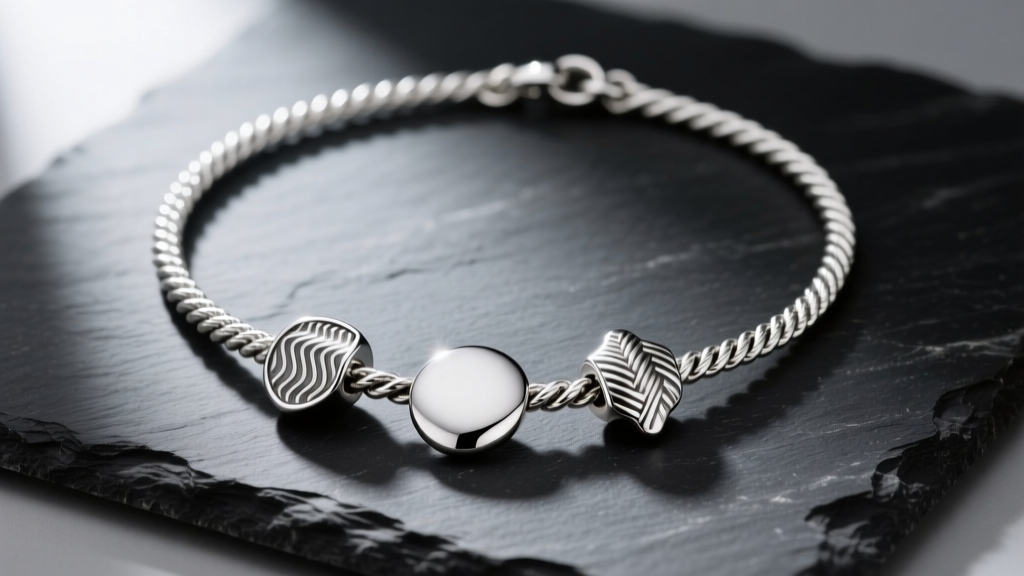
A James Avery charm necklace is rarely just a piece of jewelry; it is a modular archive of personal milestones. Whether you are adding a graduation cross, a wedding ring holder, or a birthstone initial, the structural integrity of the underlying chain and the metallurgical properties of the charms dictate how well this archive survives daily wear. While the brand's designs are iconic, the physical behavior of their primary metals—925 sterling silver and 14k gold—diverges significantly under the stress of dynamic loads, friction, and environmental exposure.
As of 2026, advancements in sustainable alloy sourcing have slightly refined the trace element profiles in commercial jewelry metals, but the fundamental physics of silver and gold remain unchanged. Choosing between a silver or gold foundation for your charm necklace requires understanding Vickers hardness, tensile strength, and the inevitable reality of bail friction. This guide dissects the material science behind these iconic necklaces to help you engineer a piece that lasts generations.
Sterling Silver (925): The Signature Patina and Structural Limits
James Avery built its legacy on high-polish sterling silver. By definition, sterling silver is an alloy comprising 92.5% pure silver and 7.5% copper. Pure silver (999) is far too malleable for jewelry, possessing a Vickers hardness (HV) of roughly 25. The addition of copper elevates the hardness to approximately 60-70 HV, providing the necessary tensile strength to support the weight of multiple cast charms.
However, this copper content is the Achilles' heel of the alloy. Copper readily reacts with sulfur compounds in the atmosphere and on human skin, forming copper sulfide—the black tarnish familiar to silver wearers. While many contemporary brands apply rhodium plating to prevent this, traditional James Avery silver is often left unplated to allow for a natural, high-polish finish that can be easily buffed. Over time, the micro-abrasions from polishing and the natural oils from the skin create a soft, lived-in patina that many collectors actively seek out.
Tensile Strength and Chain Gauge Requirements
When building a silver charm necklace, chain gauge is critical. Silver has a lower specific gravity (10.36) and lower yield strength than gold alloys. A delicate 1.2mm silver rope chain might support a single lightweight charm, but the cumulative dynamic load of three or four heavy cast charms swinging against the chest will eventually cause metal fatigue at the solder points of the links. For a multi-charm silver necklace, a minimum gauge of 1.8mm to 2.5mm in a rope or box chain configuration is highly recommended to distribute shear stress effectively.
14k Gold (585): Alloy Composition and Tarnish Resistance
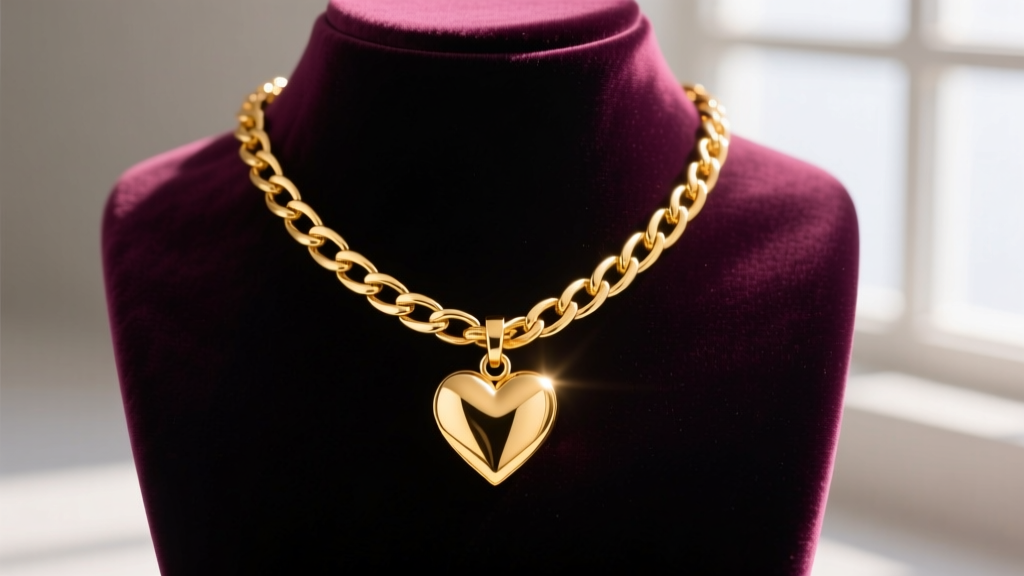
For those seeking a lower-maintenance alternative, a 14k gold James Avery charm necklace offers superior environmental resistance. 14k gold contains 58.5% pure gold, with the remaining 41.5% consisting of a proprietary mix of copper, silver, and sometimes zinc. This specific alloy ratio pushes the Vickers hardness to approximately 120-140 HV, making it nearly twice as hard and resistant to deformation as sterling silver.
The most significant advantage of 14k gold in the context of charm necklaces is its resistance to sulfur-based tarnishing. While the copper in the alloy can still cause slight darkening over decades, it does not oxidize at the rapid rate of the copper in sterling silver. Furthermore, the higher hardness of 14k gold means that the chain links are less prone to stretching under the gravitational pull of heavy charm bails.
Yellow vs. White Gold Considerations
When selecting a gold James Avery necklace, the color of the alloy impacts long-term maintenance. 14k yellow gold is a homogeneous alloy; if it scratches, the metal beneath is the same color. Conversely, 14k white gold is alloyed with palladium or nickel and plated with rhodium to achieve a bright white finish. As the charm bails rub against the chain links, this rhodium plating will eventually wear away, revealing the slightly yellowish undertone of the white gold beneath, necessitating re-plating every few years.
Material Comparison Matrix
To visualize the physical differences between the metals commonly used in charm necklaces, refer to the metallurgical comparison below. Note that pricing is indicative of raw material markets as of early 2026 and does not reflect the craftsmanship premium of branded jewelry.
| Property | 925 Sterling Silver | 14k Yellow Gold | 14k White Gold | Platinum (950) |
|---|---|---|---|---|
| Pure Metal Content | 92.5% | 58.5% | 58.5% | 95.0% |
| Vickers Hardness (HV) | 60 - 70 | 120 - 140 | 120 - 150 | 110 - 130 |
| Tarnish Resistance | Low (Reacts to Sulfur) | High | High (Rhodium dependent) | Exceptional |
| Friction Wear Rate | Moderate to High | Low | Low (Plating wears) | Low (Displaces, not lost) |
| Approx. Raw Cost / Gram | $0.80 - $1.00 | $45.00 - $50.00 | $45.00 - $50.00 | $30.00 - $35.00 |
Clasp Mechanics and Bail Wear: The Hidden Failure Points
The most common point of failure on any charm necklace is not the chain snapping, but the clasp giving way or the bail sawing through the link. According to the Gemological Institute of America (GIA), understanding mechanical stress is vital for jewelry longevity.
The Sawing Effect
When a silver charm hangs on a silver chain, you are subjecting two pieces of metal with identical hardness to continuous friction. Every time you move, the charm bail acts like a blunt saw against the chain link. Over 5 to 10 years of daily wear, this friction can literally saw through a 1.5mm silver link. Gold-on-gold friction is slightly less aggressive due to the higher hardness and natural lubricity of the alloy, but it still occurs. To mitigate this, jewelers often recommend using a small, hardened steel jump ring or a specialized charm clip to act as a sacrificial buffer between the charm and the chain.
Spring Ring vs. Lobster Clasps
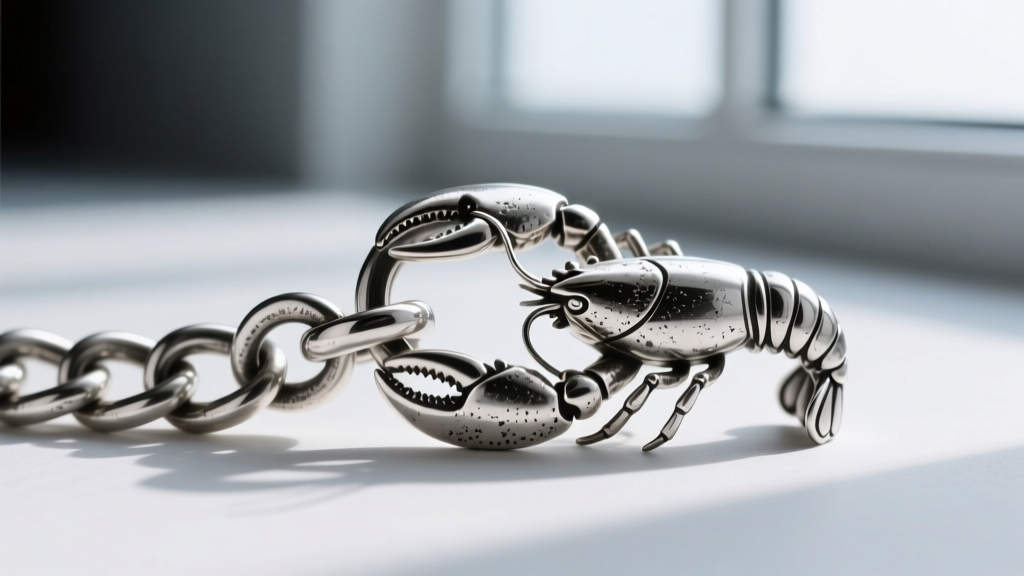
Never use a spring ring clasp for a charm necklace loaded with more than 15 grams of total charm weight. The internal steel spring in a silver spring ring clasp is prone to fatigue, and the small solder joint on the catch can easily pull apart under dynamic stress. A solid cast lobster clasp, particularly one in the 12mm to 15mm range, provides a vastly superior mechanical lock and a thicker cross-section of metal at the stress points.
Maintenance Protocols for Mixed-Metal Charm Necklaces
If you choose to mix metals—such as hanging a 14k gold charm on a sterling silver chain, a popular styling choice in 2026—you must be aware of galvanic corrosion and differential wear. When two dissimilar metals are in constant contact in the presence of an electrolyte (like human sweat), the less noble metal (silver) will corrode at an accelerated rate at the exact point of contact.
- Ultrasonic Cleaning: Safe for plain silver and gold chains, but avoid ultrasonic cleaners if your charms feature porous gemstones like turquoise, opals, or pearls, which are common in vintage and modern charm designs.
- Chemical Dips: Avoid harsh silver dip solutions. They strip the natural patina and can leave microscopic residues in the crevices of the charm bails, accelerating future tarnishing.
- Polishing Cloths: Use a treated jeweler's cloth (like a Sunshine cloth) for weekly maintenance. The mild abrasives remove copper sulfide without removing significant layers of the base metal.
Final Verdict: Engineering Your Generational Piece
Selecting the right metal for your James Avery charm necklace ultimately depends on your tolerance for maintenance versus your budget. Sterling silver offers an accessible, historically rich canvas that develops a unique, personalized patina over time, provided you are diligent about polishing and mindful of chain gauge limits. 14k gold demands a significantly higher initial investment but rewards the wearer with superior structural rigidity, exceptional tarnish resistance, and a lower rate of friction-induced wear. By matching the correct chain gauge to the total weight of your charms and utilizing robust lobster clasps, you ensure that your necklace remains a secure vessel for your most cherished memories.
For more detailed instructions on preserving the finish of your specific pieces, always refer to the official James Avery Jewelry Care Guide to ensure you are using manufacturer-approved cleaning methods.


