Authentic Brazil Necklace Buying Guide: What to Look For
Discover how to shop for an authentic Brazil necklace. Learn about Figa charms, 18k gold purity, Bonfim ribbons, and pricing in this expert buying guide.

The Cultural Weight of the Brazil Necklace
When you search for a Brazil necklace, you are not just looking for a piece of metal; you are engaging with a rich tapestry of Afro-Brazilian heritage, indigenous craftsmanship, and Portuguese colonial influences. In 2026, the global demand for culturally significant jewelry has surged, but this has also flooded the market with mass-produced, inauthentic tourist trinkets. As a buyer, understanding the distinction between a genuine artisan-crafted piece and a factory-stamped replica is critical.
Brazilian jewelry is deeply intertwined with spirituality, protection, and regional identity. From the bustling markets of Salvador, Bahia, to the high-end ateliers of São Paulo, the materials and motifs used carry centuries of meaning. This comprehensive buying guide will decode the most popular styles, material grades, and pricing structures to ensure your investment is both authentic and culturally respectful.
Decoding Popular Brazilian Amulets and Styles
The Figa (Fig Hand) Charm
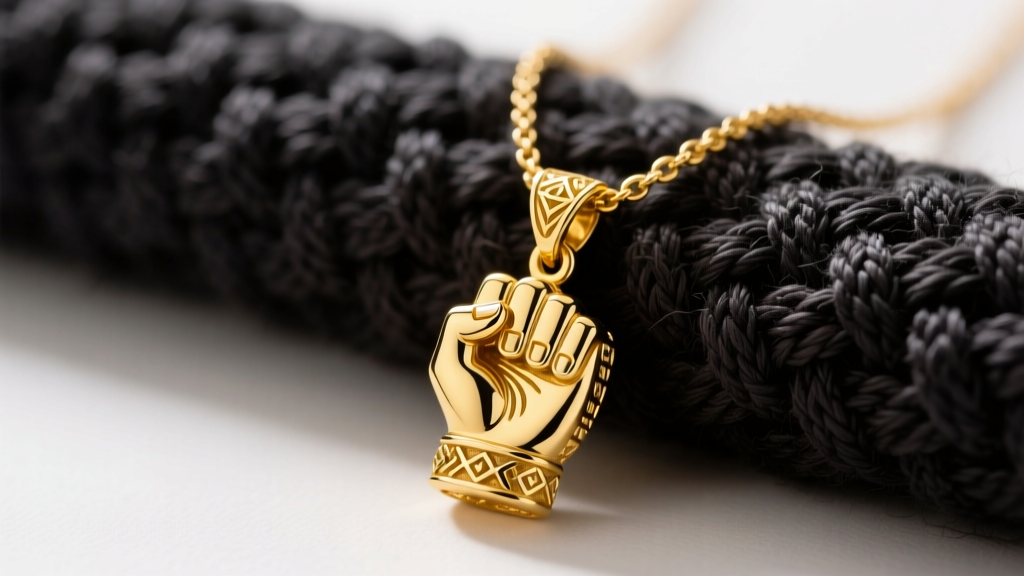
The Figa is arguably the most iconic Brazilian pendant. Depicting a closed fist with the thumb protruding between the index and middle fingers, this amulet dates back to Roman times but was deeply adopted into Bahian culture as a powerful talisman against the evil eye (mau-olhado) and a magnet for good fortune. Authentic Figas are traditionally carved from jet (azabache), red coral, or cast in solid 18k gold. Beware of cheap plastic or resin molds sold in airport gift shops; a genuine jet Figa will feel surprisingly heavy for its size and will leave a faint brown streak when rubbed against unglazed porcelain.
Fios de Contas (Spiritual Beaded Necklaces)
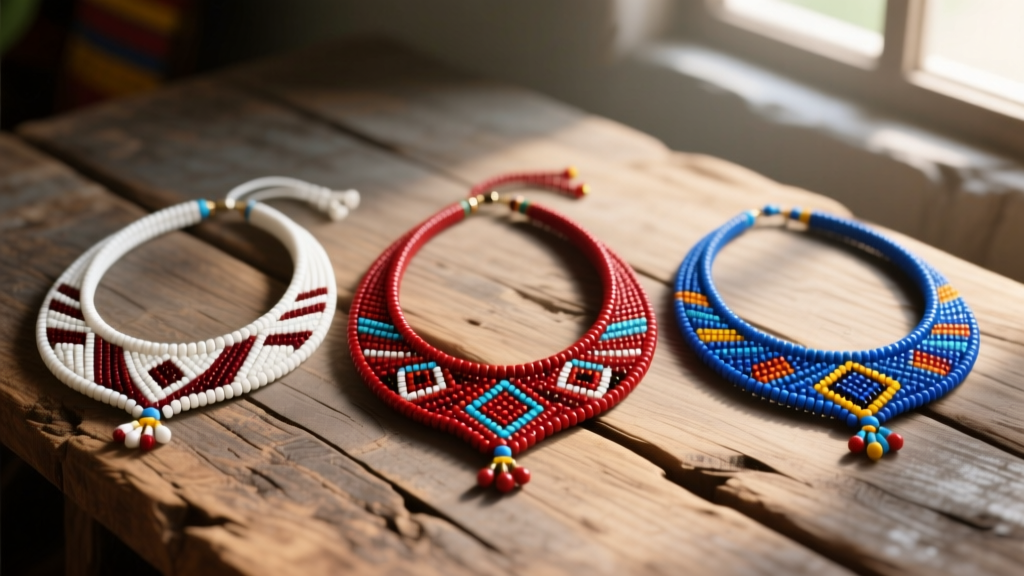
Originating from Afro-Brazilian religions like Candomblé and Umbanda, Fios de Contas are intricate beaded necklaces that represent specific Orixás (deities). The color combinations and bead counts are highly sacred. For example, white and blue beads often represent Iemanjá (goddess of the sea), while red and black signify Exu.
If you are purchasing a Fio de Contas, it is vital to buy from recognized artisans connected to a terreiro (spiritual house) rather than mass-market souvenir shops, ensuring the cultural and spiritual integrity of the piece is maintained.
Senhor do Bonfim Ribbons
While often worn as bracelets, the Fita do Bonfim is frequently incorporated into layered necklace stacks. These cotton ribbons originate from the Church of Nosso Senhor do Bonfim in Salvador. An authentic ribbon must measure exactly 47 centimeters—the length of the right arm of the wooden statue of Jesus in the church—and feature the text 'Lembrança do Senhor do Bonfim da Bahia'. They are meant to be tied with three knots, each representing a wish.
Material Guide: Gold Purity and Silver Standards
Unlike the United States, where 14k gold is the standard for everyday jewelry, Brazil's fine jewelry market predominantly relies on 18k gold. According to the Gemological Institute of America (GIA), 18k gold consists of 75% pure gold, offering a richer, warmer yellow hue that perfectly complements the Brazilian aesthetic. When inspecting a gold Brazil necklace, always look for the '750' or '18k' hallmark stamped on the clasp or the back of the pendant bail.
| Material | Standard Stamp | Durability | Avg. Price Range (USD) |
|---|---|---|---|
| 18k Yellow Gold | 750 or 18k | High (Scratch resistant) | $250 - $1,200+ |
| 14k Yellow Gold | 585 or 14k | Very High | $150 - $800 |
| Sterling Silver | 925 | Moderate (Tarnishes) | $40 - $150 |
| Jet (Azabache) | N/A (Organic) | Low (Brittle) | $30 - $90 |
| Waxed Cotton Cord | N/A | High (Water resistant) | $5 - $25 |
Sterling silver (stamped 925) is also widely used, particularly for larger, more ornate filigree pieces from the northern regions. However, silver requires regular polishing due to the high humidity in many parts of Brazil, which accelerates oxidation.
Chain Weaves: Traditional Brazilian Link Styles
The chain is just as important as the pendant in Brazilian jewelry design. Local goldsmiths have perfected specific weaves that maximize light reflection and durability.
Corda de Violão (Guitar String Chain)
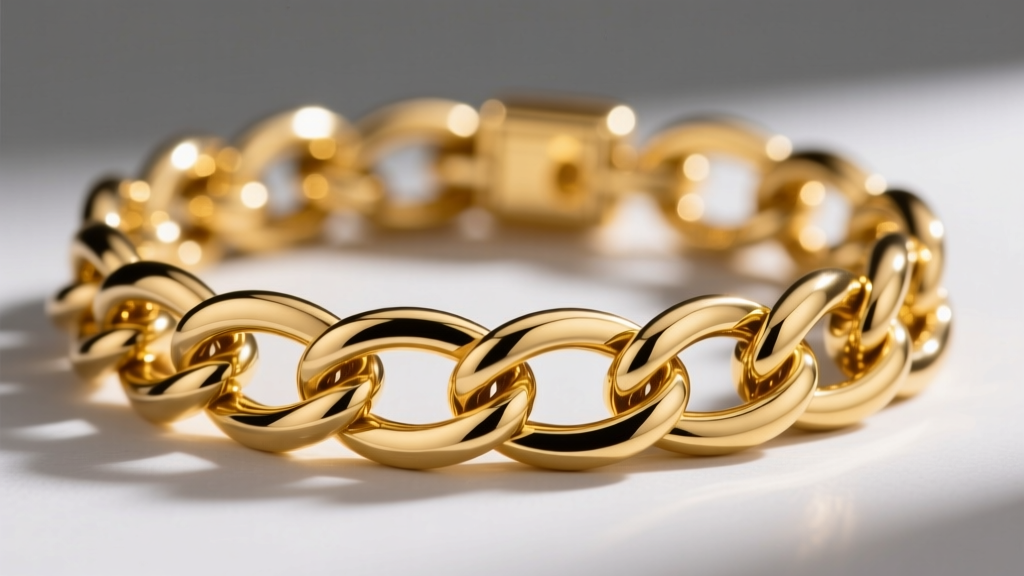
Named after the wound strings of an acoustic guitar, the Corda de Violão is a tightly twisted, rope-like chain. It is incredibly dense, heavy, and features a high-polish finish that catches the light brilliantly. This weave is highly resistant to kinking, making it an excellent choice for holding heavier gold Figa or Hamsa pendants. Expect to pay a premium for this weave due to the high labor intensity and gold weight.
Grumet (Mariner Link)
The Brazilian Grumet is a variation of the classic mariner link, featuring a distinct oval link with a horizontal bar across the center. In Brazil, these links are often crafted with a slightly more rounded, puffy profile (sometimes called Grumet Vazado if hollow, though solid is preferred for longevity). It offers a masculine, nautical aesthetic that pairs well with both casual linen shirts and formal evening wear.
How to Spot Authentic Brazilian Jewelry vs. Tourist Fakes
As the popularity of global artisan jewelry grows, so does the prevalence of counterfeit pieces. Use this checklist to verify the authenticity of your Brazil necklace:
- The Magnet Test: Genuine 18k gold and sterling silver are non-magnetic. If your necklace clings to a neodymium magnet, it contains a ferrous base metal and is likely gold-plated brass or steel.
- Clasp Construction: Authentic Brazilian gold chains typically use a sturdy lobster clasp or a custom barrel clasp with a figure-eight safety catch. Flimsy spring-ring clasps are a red flag for mass-produced imports.
- Weight and Density: Gold is exceptionally dense. An authentic 18k Corda de Violão chain will feel significantly heavier than a similarly sized gold-plated chain. According to market data tracked by the World Gold Council, the raw material cost of gold alone dictates a high baseline price; if a 'solid gold' necklace is priced under $150, it is almost certainly plated.
- Bead Uniformity: For Fios de Contas, authentic hand-strung beads will have slight, natural variations in size and shape, whereas machine-made tourist replicas will feature perfectly uniform, injection-molded plastic beads.
Sizing and Layering Your Brazil Necklace
Brazilian jewelers typically size necklaces in centimeters rather than inches. The standard lengths you will encounter are:
- 45 cm (17.7 inches): Sits at the collarbone. Ideal for delicate silver chains or single Bonfim ribbon chokers.
- 50 cm (19.7 inches): The most versatile length, resting just below the collarbone. Perfect for showcasing a medium-sized 18k gold Figa pendant.
- 60 cm (23.6 inches): Falls on the upper chest. Best suited for heavy, layered Fios de Contas or thick Grumet chains worn over clothing.
Layering is a staple of Brazilian street style. A popular 2026 layering technique involves combining a 45cm waxed cotton cord with a small jet Figa, a 50cm 18k gold Corda de Violão with a Hamsa hand, and a 60cm strand of white and blue Candomblé beads. This mix of textures—organic cotton, polished gold, and glass beads—creates a deeply personalized, culturally rich aesthetic.
Final Verdict: Where to Buy Authentic Pieces
To ensure you are purchasing a genuine Brazil necklace, bypass generic online marketplaces that drop-ship mass-produced goods. Instead, seek out specialized online boutiques that source directly from artisans in Salvador, Recife, or São Paulo. If buying in person, visit established jewelers in the Largo do Pelourinho or reputable galleries that provide a certificate of authenticity detailing the exact gold weight and gemstone origin. By prioritizing material integrity and cultural provenance, your Brazilian necklace will serve not just as a beautiful accessory, but as a meaningful artifact of a vibrant heritage.


