The Ultimate Dracula Necklace Material & Gemstone Guide
Discover the best metals and gems for a Dracula necklace. Compare oxidized silver, black rhodium, and garnets for lasting gothic elegance.

Defining the Dracula Necklace Aesthetic
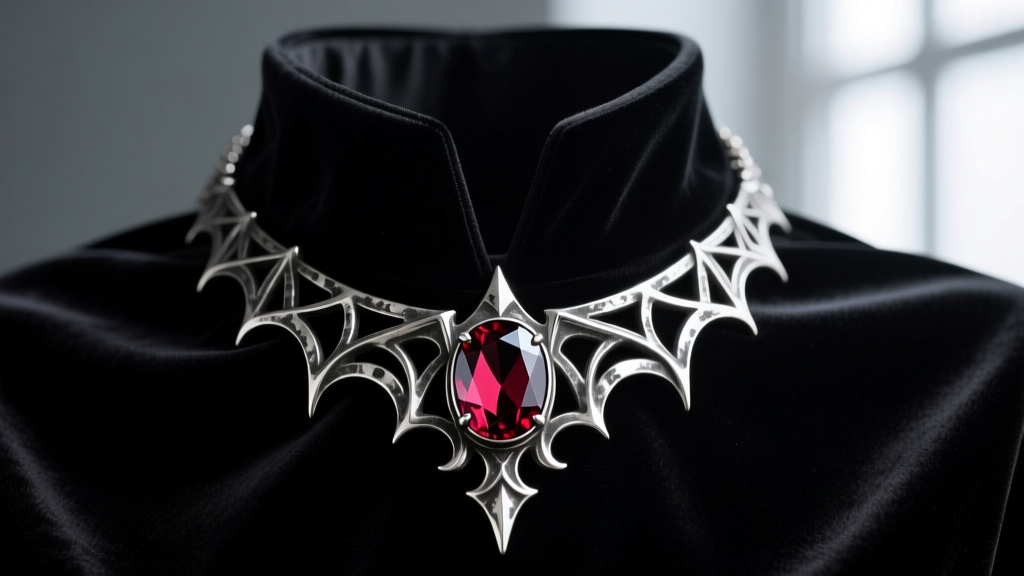
When collectors, historians, and avant-garde designers discuss a dracula necklace, they are rarely referring to cheap Halloween costume jewelry. In the realm of fine and artisan jewelry, this term describes a specific Victorian-revival high-collar choker. Characterized by its imposing neck coverage, dark metallurgical finishes, and deep crimson gemstones, the style draws heavy inspiration from late 19th-century mourning jewelry and gothic literature. As we navigate the 2026 fine jewelry market, buyers are no longer satisfied with plated brass or fleeting trends; they demand heirloom-quality materials that can withstand daily wear while maintaining their dark, romantic allure.
Choosing the right material for a dracula necklace requires a deep understanding of metallurgy, gemology, and structural engineering. The high-collar design inherently places more stress on the metal and findings, while the dark finishes require specific chemical treatments that must be carefully maintained. This guide breaks down the exact material properties, failure modes, and gemstone alternatives you need to consider before investing in or crafting a high-end gothic choker.
Base Metals: Oxidized Silver vs. Black Rhodium vs. Titanium
The foundation of any authentic gothic choker lies in its base metal. The dark, moody aesthetic requires materials that absorb light rather than reflect it. However, achieving a permanent dark finish on jewelry-grade metals is a complex chemical challenge.
Oxidized Sterling Silver (The Traditional Choice)
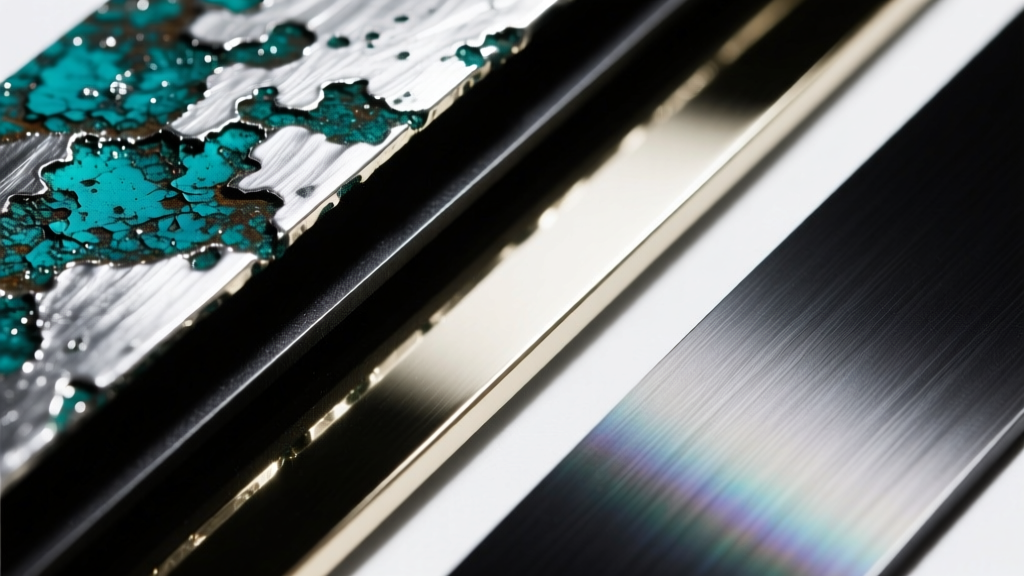
Sterling silver (925) remains the most popular canvas for a dracula necklace due to its malleability and historical accuracy. To achieve the signature blackened look, silversmiths use a chemical process involving potassium sulfide, commonly known as liver of sulfur. This reacts with the copper in the sterling alloy to create a layer of silver sulfide on the surface. According to The Silver Institute, while pure silver is highly resistant to tarnish, the copper alloy in 925 silver is what allows for this deliberate, controlled oxidation.
The Failure Mode: Silver sulfide is relatively soft (Mohs 2.5). On a high-collar necklace that rubs against the neck and clothing, the patina will inevitably wear off on the high-friction ridges, revealing the bright silver underneath. To mitigate this, expert jewelers apply a matte finish before oxidation and use protective waxes, but buyers must accept that oxidized silver requires periodic re-patina maintenance.
Black Rhodium over White Gold (The Luxury Standard)
For those seeking a maintenance-free dark metal, black rhodium plated over 14k or 18k white gold is the premier choice. Rhodium is a platinum-group metal known for its extreme hardness and tarnish resistance. Black rhodium is created by adding specific organic pigments or metals like ruthenium to the plating bath.
Critical Specification: Standard fashion jewelry uses a flash plating of 0.05 to 0.1 microns, which will wear through in months. For a heavy dracula necklace meant for regular wear, you must specify a plating thickness of at least 0.5 to 1.0 microns. In 2026, advancements in PVD (Physical Vapor Deposition) coating have also introduced black titanium nitride (TiN) over white gold, offering a scratch-resistant alternative that will not rub off like traditional electroplated rhodium.
Anodized Titanium (The Hypoallergenic Alternative)
Grade 5 Titanium (Ti-6Al-4V) is increasingly used in avant-garde gothic jewelry. Through an electrolytic anodizing process, the titanium oxide layer on the surface is thickened to interfere with light, creating deep, permanent shades of dark purple, gunmetal grey, and midnight blue without the use of dyes or plating. It is completely hypoallergenic and weighs 45% less than steel, making it ideal for massive, high-collar dracula designs that would otherwise cause neck fatigue.
The Crimson Centerpiece: Gemstone Material Properties
A true dracula necklace requires a centerpiece that mimics the deep, visceral red of arterial blood, often darkening to near-black in low light. While ruby is the traditional red gemstone, it is often too bright and vibrant for the moody gothic aesthetic. Here is a metallurgical and gemological breakdown of the best materials for the centerpiece.
| Gemstone Material | Mohs Hardness | Toughness & Cleavage | Optical Properties & Color Profile |
|---|---|---|---|
| Almandine Garnet | 7.0 - 7.5 | Fair to Good (No cleavage, but brittle) | High RI (1.76-1.82). Deep, dark crimson that borders on black in dim light. |
| Red Spinel | 8.0 | Excellent (No cleavage, highly durable) | RI (1.712-1.736). Rich, velvety red with excellent brilliance and fewer inclusions. |
| Lab-Created Ruby | 9.0 | Good to Excellent (High hardness) | RI (1.762-1.770). Intensely bright red; requires a dark foil backing to fit the aesthetic. |
| Red Tourmaline (Rubellite) | 7.0 - 7.5 | Fair (Prone to internal fracturing) | Strong pleochroism. Deep magenta-red, but highly susceptible to thermal shock. |
According to the GIA Gem Encyclopedia, Almandine Garnet is historically the most accurate choice for Victorian-revival jewelry. Its high refractive index and tendency to absorb light make it the quintessential "vampire" stone. However, because garnet is brittle, it must be set in a protective bezel or heavy prong setting, especially on a high-collar necklace that may be bumped against tables or doorways.
Chain and Findings: Hidden Failure Points in Gothic Chokers
The most catastrophic failures in heavy gothic jewelry do not occur in the metalwork or the gemstones; they occur at the clasp. A dracula necklace featuring a high collar, heavy chainmail, and a large cabochon garnet can easily weigh between 40 and 80 grams.
Clasp Engineering
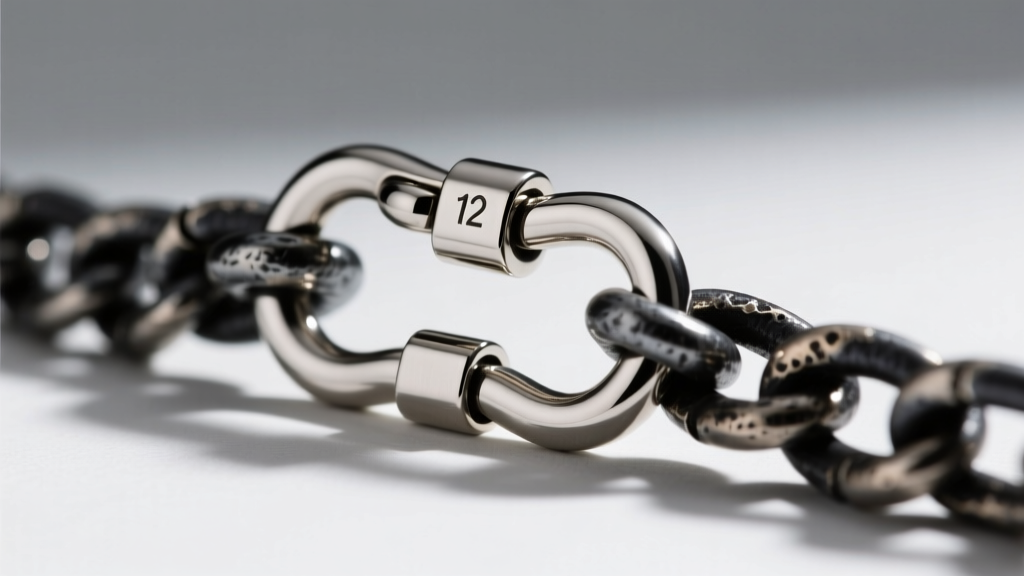
Using a standard 5mm spring-ring clasp or a lightweight lobster clasp on a 60-gram choker is a structural liability. The internal spring mechanism in small clasps will fatigue and fail under constant tension. For heavy gothic necklaces, you must utilize:
- 12mm to 15mm Solid Lobster Clasps: Ensure the clasp is cast or machined from solid metal, not stamped sheet metal. The jump rings connecting the clasp to the chain must be soldered shut or made of heavy-gauge wire (minimum 18-gauge).
- Neodymium Magnetic Clasps: For ease of wear, high-end gothic jewelers are increasingly using rare-earth neodymium magnets encased in oxidized silver or blackened steel tubes. These provide a secure hold capable of supporting up to 5kg of tensile weight, far exceeding the needs of any necklace.
Chain Selection
The chain must complement the heavy aesthetic without snapping. Rolo chains (minimum 4mm thickness) and thick Byzantine weaves are preferred for their structural integrity and historical accuracy. Avoid hollow-curb chains, which will easily crush under the weight of a high collar.
Care and Maintenance for Dark Metals
Maintaining a dracula necklace requires unlearning standard jewelry cleaning habits. Ultrasonic cleaners, silver dip solutions, and polishing cloths are strictly forbidden for oxidized or black-rhodium pieces. Ultrasonic waves will literally shake the delicate silver sulfide patina right off the metal, leaving you with a bright, ruined silver collar.
To clean your gothic choker, use a soft-bristled baby toothbrush, lukewarm water, and a mild, phosphate-free dish soap. Gently brush the crevices to remove skin oils and cosmetic buildup, then pat dry with a microfiber cloth. For oxidized silver, storing the piece in an anti-tarnish bag is actually counterproductive if the piece is already fully oxidized; instead, store it in a rigid jewelry box to prevent the patina from rubbing off against other items.
By understanding the specific material properties, gemological profiles, and structural requirements of a dracula necklace, collectors and designers can ensure their pieces remain dark, dramatic, and structurally sound for generations.


