The 2026 Breast Cancer Survivor Necklace Gift Guide
Discover meaningful, skin-safe breast cancer survivor necklace ideas for 2026. Expert tips on metals, symbolism, and chest-wall comfort for every milestone.

Gifting a breast cancer survivor necklace is a profound gesture that marks a transition from active treatment to a new chapter of healing. However, as we move through 2026, the jewelry industry and survivor communities are actively shifting away from generic, mass-produced "pink ribbon" merchandise. Today’s survivors seek pieces that offer deep personal resonance, superior material safety, and ergonomic comfort for post-surgical bodies. Whether you are shopping for a spouse, a sister, or a dear friend, this comprehensive guide will help you select a necklace that honors her unique journey with dignity, scientific material awareness, and impeccable style.
Matching the Necklace to the Survivor’s Milestone
The timing of your gift dictates its design and emotional weight. Survivorship is not a single event but a series of distinct milestones, each requiring a different symbolic approach.
- "Ringing the Bell" (End of Active Treatment): This marks the end of chemo or radiation. The focus should be on lightness and forward momentum. Opt for delicate, airy designs like open-circle pendants or subtle feather motifs that symbolize lifting a heavy burden.
- The First "Cancerversary" (1 Year NED): One year of No Evidence of Disease is a monumental emotional hurdle. This occasion calls for permanence and grounding. Solid gold lockets containing a hidden message, or heavy-gauge chain necklaces that feel substantial and secure, are ideal.
- The 5-Year Milestone: In oncology, five years often signifies a clinical cure or long-term remission. This is the time for legacy jewelry—think custom topographic map pendants of a place she retreated to during recovery, or high-carat gemstone pieces that serve as a permanent testament to her resilience.
Material Science: Navigating Post-Treatment Skin Sensitivity
The most critical, yet frequently overlooked, aspect of gifting jewelry to a breast cancer survivor is material biocompatibility. Treatments like radiation therapy permanently alter the skin's barrier function on the chest wall, making it highly susceptible to contact dermatitis. Furthermore, chemotherapy can induce acquired metal allergies.
According to Breastcancer.org, post-radiation skin can remain fragile, dry, and reactive for years. Therefore, the metal composition of the necklace is non-negotiable.
Metals to Strictly Avoid
- Sterling Silver (.925): While popular, sterling silver is an alloy containing 7.5% copper, and sometimes trace nickel. When it tarnishes, the copper reacts with skin acids, causing green discoloration and severe irritation on compromised chest skin.
- Gold Vermeil or Plated Brass: Plating eventually wears off, exposing the base metal (often brass or nickel-silver) directly to the skin, triggering immediate allergic contact dermatitis.
The 2026 Safe-Metal Standard
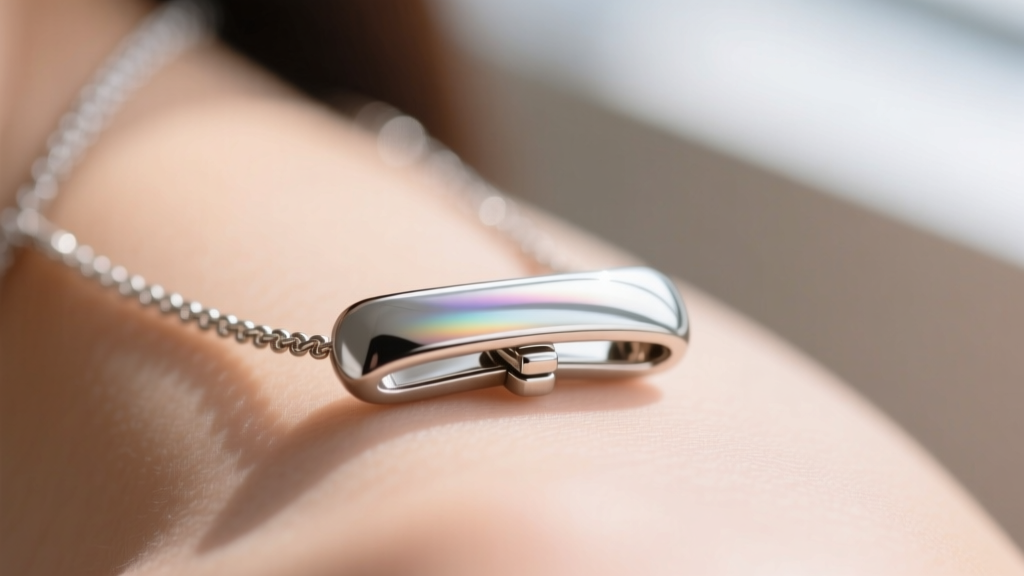
- ASTM F136 Implant-Grade Titanium: This is the gold standard for hypersensitive skin. It is 100% nickel-free, incredibly lightweight, and impervious to corrosion. Many high-end artisans now craft beautiful, polished titanium pendants that rival traditional precious metals in luster.
- Niobium: A highly reactive metal that is completely hypoallergenic and can be anodized into stunning, iridescent colors without using toxic dyes or plating.
- Solid 14k or 18k Gold (Nickel-Free): If she prefers traditional precious metals, ensure the gold is alloyed with silver and copper only. Always request a "nickel-free" certification from the jeweler, as standard white gold is frequently alloyed with nickel for whiteness.
Rethinking Symbolism: Moving Beyond the Pink Ribbon
Many survivors experience "pink fatigue." The commercialization of October can feel alienating, reducing a deeply traumatic and transformative personal experience to a marketing color palette. In 2026, the most thoughtful breast cancer survivor necklace gifts utilize universal symbols of resilience, rebirth, and hidden strength.
"I put my pink ribbon away the day my hair grew back. What I wear now is a tiny gold Kintsugi pendant—a reminder that the places where I was broken and put back together are the most beautiful parts of me." — Sarah, 4-year NED survivor.
Meaningful Alternatives for 2026
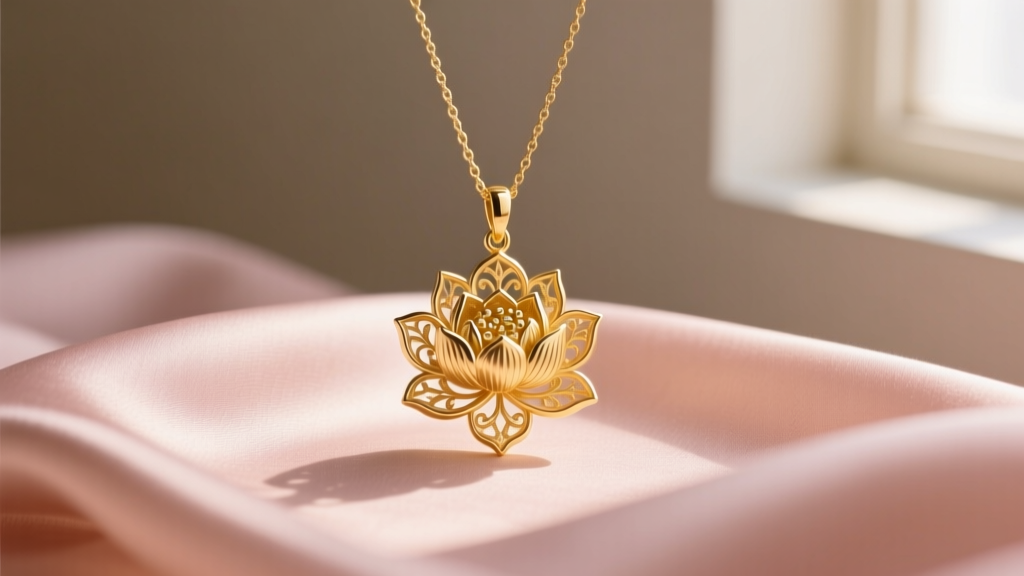
- The Lotus Flower: Rooted in mud but blooming flawlessly above the water, the lotus is the ultimate symbol of spiritual and physical rebirth.
- Kintsugi-Inspired Pendants: Drawing from the Japanese art of repairing pottery with gold, these pendants feature intentional "fracture" lines filled with gold enamel, celebrating the beauty of healing.
- Morse Code Beads: A strand of tiny onyx and seed beads spelling out "Warrior," "Breathe," or "Still Here" offers a deeply personal message that remains invisible to strangers.
- Botanical Pressings: Custom resin or enamel pendants featuring the exact flora from her hometown or the garden she tended to during recovery.
Ergonomics: Weight, Length, and Neuropathy-Friendly Clasps
A beautifully designed pendant is useless if it causes physical discomfort. Surgical interventions, including lumpectomies, mastectomies, and reconstructive procedures (like DIEP flaps or submuscular implants), fundamentally change the topography and nerve sensitivity of the chest wall.
Weight and Friction
Avoid heavy statement pendants (anything over 12 grams). A heavy pendant on a thin chain acts like a pendulum, swinging and striking the chest wall, which can be painful over reconstructed tissue or radiated skin. Opt for lightweight, low-profile bezels that sit flush against the sternum.
Chain Selection
Skip box chains or herringbone chains, which have micro-edges that can catch on delicate skin or post-surgical garments. Instead, choose a smooth snake chain or a rounded 1.2mm cable chain. An adjustable 16-to-18-inch slider chain is ideal, allowing her to customize the drop based on her neckline and daily comfort levels.
The Neuropathy Factor
Chemotherapy-induced peripheral neuropathy (CIPN) often results in lingering numbness or loss of fine motor dexterity in the fingers. Standard 5mm lobster clasps can be incredibly frustrating to operate. Upgrade the necklace with a high-quality neodymium magnetic clasp or an oversized 12mm spring-ring clasp to ensure she can put the necklace on independently and with dignity.
2026 Curated Gifting Tiers
Use this framework to match your budget with the highest quality, skin-safe materials available this year.
| Gifting Tier | Price Range | Recommended Materials | Ideal Design Focus |
|---|---|---|---|
| Thoughtful & Accessible | $45 - $95 | ASTM F136 Titanium, Niobium, Surgical Steel (if verified nickel-free) | Morse code strands, anodized titanium lotus pendants, adjustable slider chains. |
| Mid-Range Milestone | $150 - $350 | Solid 14k Yellow or Rose Gold (Nickel-free alloy) | Custom coordinate engravings, Kintsugi enamel pendants, solid gold tree-of-life motifs. |
| Luxury Legacy | $500+ | Solid 18k Gold, Platinum, Ethically Sourced Lab-Grown Diamonds | Bespoke topographic maps, pavé-set infinity loops, custom heirloom lockets. |
Presentation and Gifting Etiquette
When presenting a breast cancer survivor necklace, the emotional delivery is just as important as the object itself. The American Cancer Society notes that survivorship brings complex emotions, including anxiety about recurrence and grief for the "pre-cancer" self.
Avoid framing the gift solely around "beating" the disease, as this can inadvertently pressure the survivor to always appear strong. Instead, frame the gift around her—her beauty, her enduring spirit, and your unwavering love for the person she is today. Include a handwritten letter detailing why you chose the specific symbolism (e.g., "I chose the lotus because I watched you bloom through the darkest mud"). Let her dictate the narrative of her survival, and let the necklace serve as a quiet, beautiful anchor to her own strength.


