The Breathe Free Necklace Trend: 2026 Somatic Jewelry Guide
Discover the 2026 breathe free necklace trend. Learn how somatic pendants, porous materials, and open-link chains blend wellness with high-end style.

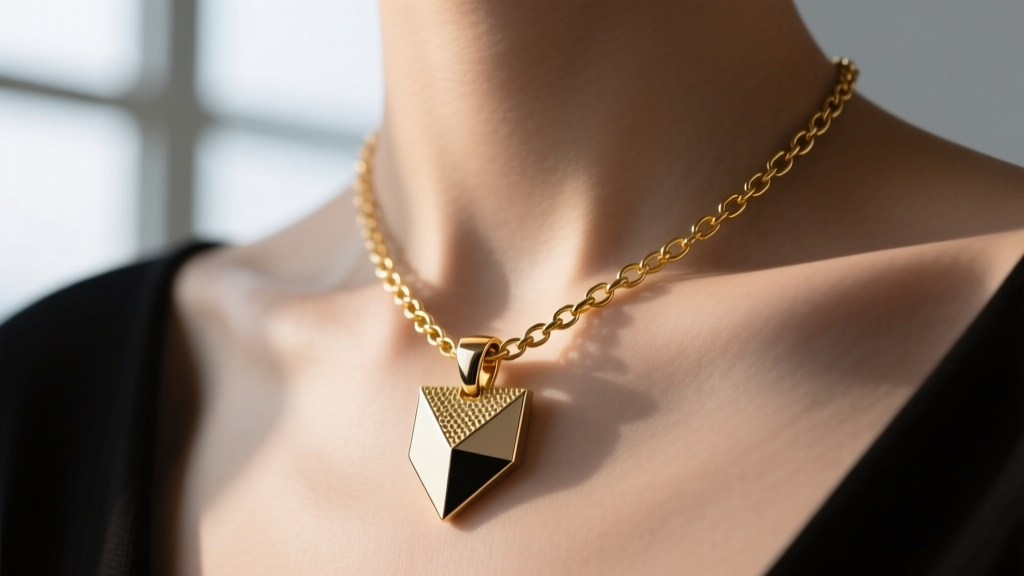
The Rise of Somatic Jewelry: What is a Breathe Free Necklace?
In the evolving landscape of 2026 fine jewelry, the breathe free necklace has emerged as the definitive intersection of high-end aesthetics and functional wellness. Far from the literal 'word pendants' of the early 2010s, today's breathe free necklace is an architectural, somatic tool designed for tactile grounding and skin health. As consumers increasingly seek jewelry that supports mental regulation and physical comfort, this specific design archetype has dominated the market.
At its core, the breathe free necklace consists of two vital components: a textured, porous, or mechanically interactive sternum pendant designed for aromatherapy and nervous system grounding, paired with an 'open-air' chain architecture that prevents sweat trapping. This is not merely a stylistic choice; it is a biomechanical response to the widespread issue of contact dermatitis caused by traditional, tightly woven jewelry chains.
Anatomy of the Design: Materials That Actually 'Breathe'
To understand why the breathe free necklace has captured the attention of both metallurgists and fashion editors, we must examine the specific material grades and manufacturing techniques that define the 2026 standard.
Sintered Titanium vs. Porous Ceramic Pendants
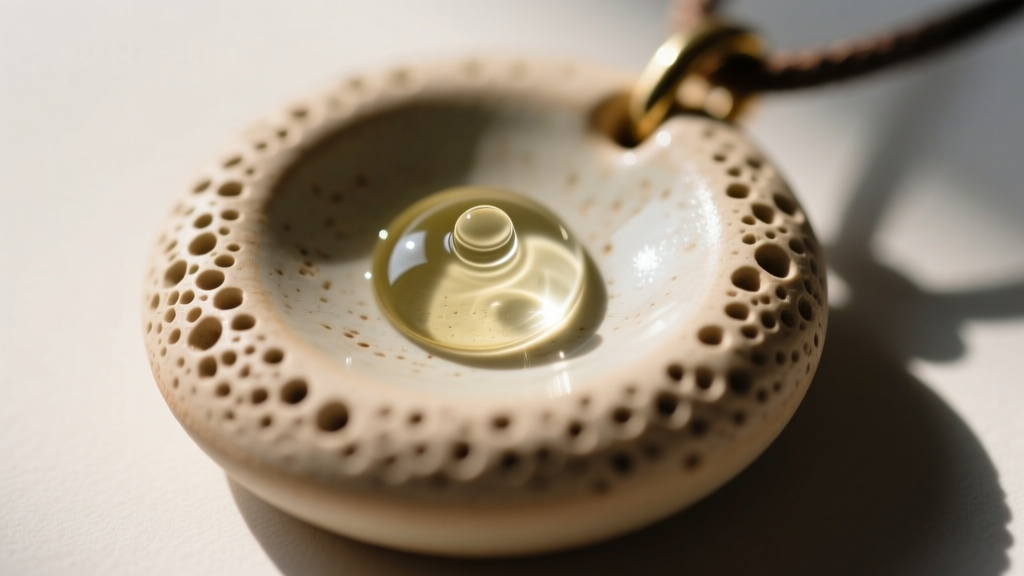
The pendant is the anchor of the breathe free necklace, typically resting directly on the sternum where the pulse is palpable, aiding in somatic breathing exercises. Designers are currently favoring two primary materials for these pendants:
- Sintered Grade 5 Titanium (Ti-6Al-4V): Using Selective Laser Melting (SLM) 3D printing, jewelers create titanium pendants with a controlled porous surface. According to material research highlighted by the Gemological Institute of America (GIA), titanium is inherently hypoallergenic and highly resistant to corrosion. The sintering process leaves microscopic valleys (approximately 50-100 microns deep) that can hold a single drop of essential oil for up to 12 hours without degrading the metal.
- Unglazed Bisque Ceramic: Fired at cone 6 (approximately 2200°F), these pendants offer a warmer, matte finish. The natural pore structure of the ceramic acts as a superior diffuser for heavier carrier oils, though it requires more careful maintenance than titanium.
The Open-Air Chain Architecture
A true breathe free necklace abandons traditional cable or curb chains. Instead, it utilizes 'skip-link' or 'ladder' chains. These designs feature 1.2mm wire gauge links separated by 4mm to 6mm rigid spacer bars. This architecture reduces the chain's skin-contact area by nearly 60%, allowing the microclimate of the neck to breathe and preventing the accumulation of sebum and sweat.
'The neck and décolletage have a high density of sebaceous glands. Tightly woven chains create an occlusive environment that accelerates nickel leaching and bacterial growth. Open-architecture chains are a medical necessity for sensitive skin, not just a design trend.' — Board-Certified Dermatological Advisory, 2025
This approach directly addresses the widespread issue of metal allergies, a topic extensively documented by the American Academy of Dermatology, which notes that sweat acts as an electrolyte, accelerating the release of allergenic ions from base metals.
2026 Market Breakdown: Pricing and Brand Tiers
As the breathe free necklace transitions from niche wellness brands to mainstream luxury, the market has stratified into distinct tiers based on material integrity and manufacturing precision.
| Tier | Pendant Material | Chain Architecture | Price Range (USD) | Oil Retention |
|---|---|---|---|---|
| Entry | Pumice stone / Alloy | Standard skip-link (brass) | $45 - $90 | 4-6 hours |
| Mid-Tier | Bisque Ceramic / Recycled Silver | Silver ladder chain (1.2mm) | $120 - $280 | 8-12 hours |
| Luxury | Sintered Titanium / 18k Gold | Solid gold open-air links | $850 - $2,400 | 12-18 hours |
| Haute | Carved Jade / Platinum spacers | Articulated platinum joints | $5,000+ | N/A (Tactile only) |
Styling the Breathe Free Necklace: Necklines and Layering
Because the breathe free necklace is inherently structural and slightly heavier than a standard pendant chain, styling it requires an understanding of proportion and neckline geometry.
Optimal Neckline Pairings
- The Deep V-Neck: The ideal canvas. The V-shape naturally frames the sternum, drawing the eye directly to the porous pendant. Ensure the pendant sits exactly 1.5 inches above the apex of the V.
- The Scoop Neck: Works best with an 18-inch chain length. The curve of the scoop neck mirrors the circular or oval geometry of most ceramic breathe free pendants.
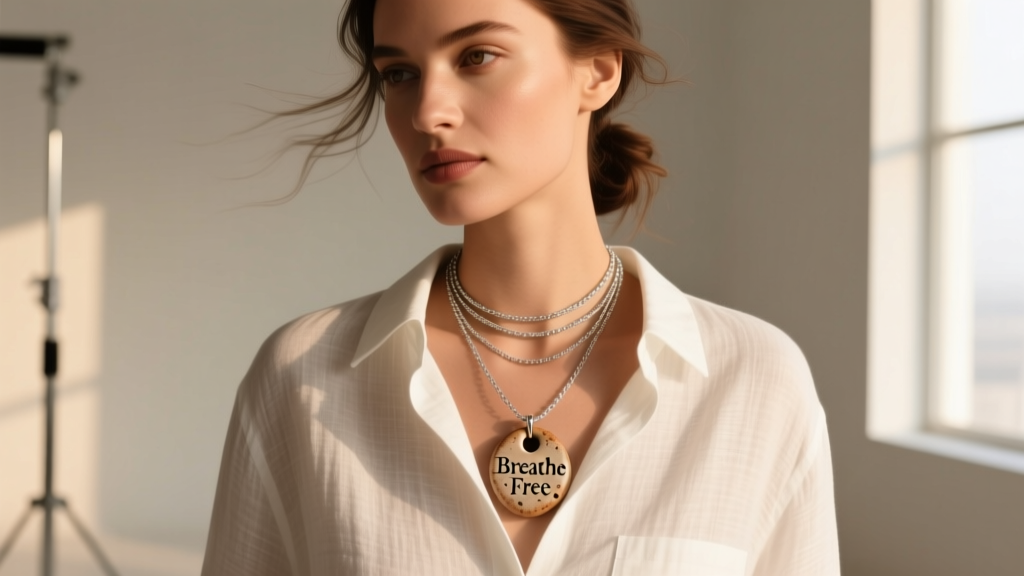
- The Crew Neck / Button-Down: For a more avant-garde, menswear-inspired look, wear a 20-inch breathe free necklace over a crisp, unbuttoned linen shirt. The matte texture of the ceramic or sintered titanium contrasts beautifully with woven fabrics.
The 2026 Layering Formula
Layering a breathe free necklace requires balancing its visual weight. Do not pair it with other heavy pendants. Instead, use the 'Weight-Sandwich' technique:
- Top Layer (14 inches): A delicate, 1mm solid box chain with a tiny, flush-set diamond or sapphire bezel. This catches the light near the collarbone.
- Center Layer (18 inches): Your primary breathe free necklace. The open-link chain provides visual breathing room.
- Bottom Layer (22 inches): A heavier, 3mm solid paperclip chain without a pendant. This anchors the stack and provides a metallic base that grounds the textured pendant above it.
Care and Maintenance: Preventing Essential Oil Degradation
The functional aspect of the breathe free necklace—its ability to hold essential oils and resist sweat—requires specific maintenance protocols that differ vastly from traditional fine jewelry.
Cleaning Porous Ceramics
Never place a bisque ceramic pendant in an ultrasonic cleaner. The high-frequency cavitation will fracture the microscopic pore structure, causing the pendant to crumble or lose its oil-retention capabilities. Furthermore, dead skin cells and thick carrier oils (like jojoba or sweet almond) can clog the pores over time.
The Thermal Reset Method: To unclog a ceramic breathe free pendant, place it on a foil-lined baking sheet and heat it in a standard home oven at 350°F (175°C) for 20 minutes. This safely carbonizes and burns off organic residue without damaging the cone-6 fired clay. Let it cool completely before reapplying oils.
Maintaining Sintered Titanium and Chains
Titanium pendants can be cleaned using a soft boar-bristle brush and 91% isopropyl alcohol. However, you must be cautious with the chain. If you are using a mid-tier recycled silver chain, highly acidic essential oils (like lemon, bergamot, or grapefruit) can cause rapid oxidation if they drip onto the metal. Always apply oils to the pendant while it is off your neck, allowing 60 seconds for the oil to absorb into the pores before putting the necklace on.
Final Verdict: Is the Hype Justified?
The 2026 breathe free necklace is not a fleeting micro-trend; it is a permanent evolution in how we interact with the objects we wear. By prioritizing skin health through open-air chain architecture and offering genuine somatic utility via porous, oil-retaining pendants, it bridges the gap between clinical wellness and luxury adornment. Whether you opt for an entry-level pumice design or a luxury sintered titanium piece, investing in a breathe free necklace is an investment in both your physical comfort and your daily mindfulness practice.


