Breathe Necklace Materials: Titanium vs. Steel vs. Silver
Discover the best materials for a breathe necklace. Compare titanium, stainless steel, and silicone for oral safety, durability, and anxiety relief.

The Functional Demands of a Breathe Necklace
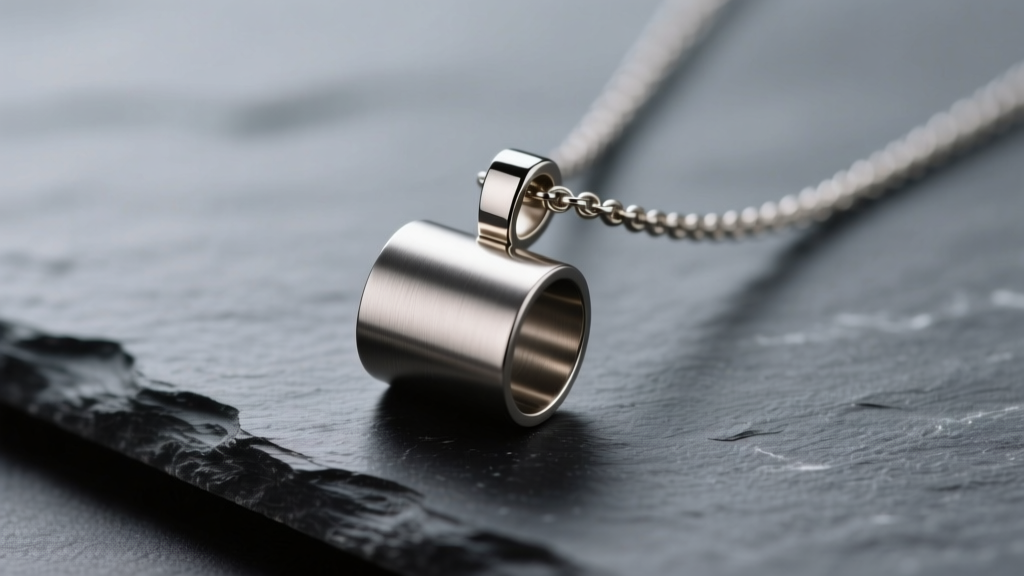
In the realm of functional jewelry, the breathe necklace occupies a unique and highly specialized niche. Originally popularized as a mindfulness tool and anxiety-relief aid, these pieces typically feature a hollow cylindrical pendant or a specialized tactile chamber designed for resistance breathing. By exhaling slowly through the pendant, users stimulate the vagus nerve, activating the parasympathetic nervous system to lower heart rates and reduce acute stress.
However, because a breathe necklace frequently comes into direct contact with the lips, teeth, and oral mucosa—and is repeatedly exposed to the enzymatic and slightly acidic environment of human saliva—material selection is not merely an aesthetic choice. It is a critical biocompatibility imperative. Standard jewelry metals that perform adequately on the skin can degrade, leach heavy metals, or harbor bacteria when subjected to daily oral contact. In this comprehensive guide, we deconstruct the metallurgical and polymer properties of the most common breathe necklace materials, evaluating them against strict safety and durability metrics.
Material Matrix: Biocompatibility & Performance
Before diving into the atomic nuances of each alloy, it is essential to understand how these materials behave under the specific stressors of oral and dermal contact. The table below outlines the baseline specifications you should demand from any reputable manufacturer.
| Material | Standard / Grade | Oral Safety Rating | Nickel Release (µg/cm²/week) | Avg. Price Range |
|---|---|---|---|---|
| Implant-Grade Titanium | ASTM F136 (Ti-6Al-4V ELI) | Excellent | 0.00 (Nil) | $65 - $140 |
| Marine Stainless Steel | 316L (Surgical) | Good (with caveats) | < 0.50 | $30 - $75 |
| Sterling Silver | 925 (Copper Alloy) | Poor | 0.00 (Nil) | $45 - $120 |
| Medical Silicone | Platinum-Cured (Shore 40A-60A) | Excellent | 0.00 (Nil) | $20 - $50 |
Implant-Grade Titanium: The Gold Standard for Oral Contact
When evaluating a breathe necklace for daily resistance breathing, Implant-Grade Titanium (specifically ASTM F136) is the undisputed apex material. Unlike commercially pure titanium (ASTM F67), F136 is an alloy composed of Titanium, 6% Aluminum, and 4% Vanadium, designated as ELI (Extra Low Interstitial).
The ELI Advantage and Passivation
The 'Extra Low Interstitial' designation means the alloy is processed in a vacuum to drastically reduce interstitial elements like oxygen, nitrogen, carbon, and iron. This reduction prevents the formation of brittle compounds within the crystal lattice, resulting in a metal that is highly ductile and exceptionally resistant to the corrosive chloride ions present in human saliva. Furthermore, titanium instantly forms a dense, inert titanium dioxide (TiO2) passivation layer when exposed to oxygen. This layer is self-healing; if you accidentally scratch the inner bore of your breathing tube with your teeth, the oxide layer reforms in milliseconds, preventing any metallic taste or ion leaching.
Anodizing vs. Plating
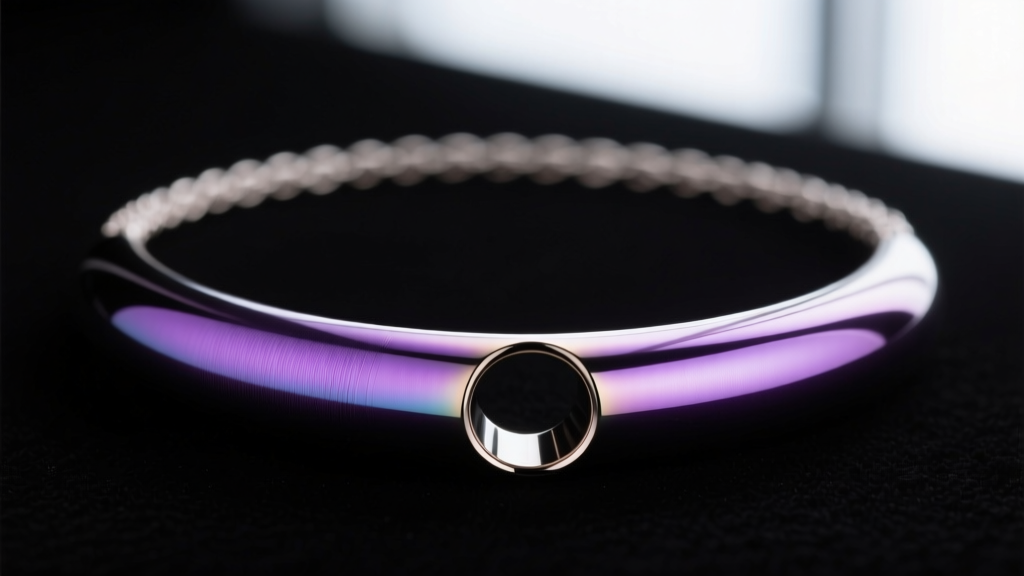
High-end titanium breathe necklaces are often colored via anodizing rather than chemical plating. Anodizing uses controlled electrical voltage to thicken the natural TiO2 layer, causing light interference that produces vibrant, permanent colors (like iridescent purples or deep blues) without introducing foreign dyes or toxic heavy metals into the oral cavity. According to ASTM International standards, F136 titanium is the exact same alloy used in pacemaker casings and orthopedic joint replacements, guaranteeing absolute biocompatibility.
Stainless Steel: The 316L vs. 304 Trap
Stainless steel is ubiquitous in the jewelry market, but not all grades are suitable for a breathe necklace. The critical distinction lies between 304 (standard commercial grade) and 316L (marine/surgical grade).
Why Molybdenum Matters
316L stainless steel contains 2-3% Molybdenum, an alloying element specifically added to prevent pitting corrosion in chloride-rich environments. Human saliva contains sodium chloride; over months of daily use, a 304 stainless steel breathing tube will develop microscopic pits inside the bore. These pits become breeding grounds for anaerobic bacteria and are impossible to sterilize with standard soap and water. 316L resists this pitting effectively.
The Nickel Allergy Variable
Despite the 'surgical' moniker, 316L contains 10-14% Nickel. While the nickel release rate of polished 316L generally falls below the European EN 1811:2011 standard of 0.5 µg/cm²/week for dermal contact, the oral mucosa is significantly more permeable than the stratum corneum (outer skin). Users with known systemic nickel allergies should strictly avoid stainless steel breathe necklaces, as the constant friction of lips and saliva can accelerate ion migration, triggering contact stomatitis or systemic flare-ups.
Sterling Silver: A Metallurgical Mismatch
Sterling Silver (925) is a beloved jewelry staple, comprising 92.5% silver and 7.5% copper. While beautiful for standard pendants, it is fundamentally ill-suited for the functional demands of a breathe necklace.
The Tarnish and Toxicity Cycle
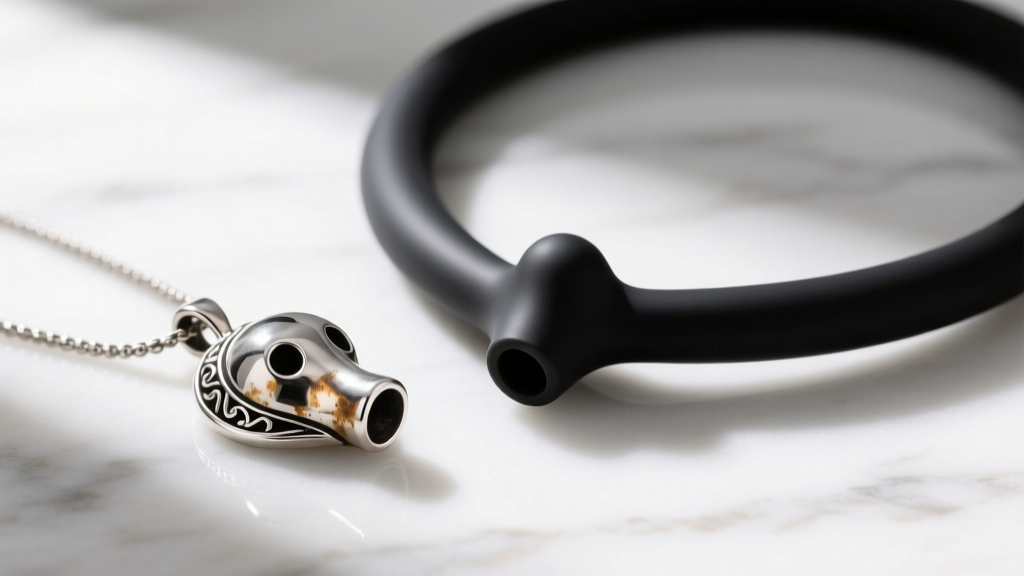
Copper is highly reactive to sulfur and the slightly acidic pH of the human mouth. When you exhale warm, moist breath through a sterling silver tube, the copper alloy rapidly oxidizes, forming copper sulfide and copper chloride. This manifests as a dark, crusty tarnish inside the breathing chamber and leaves a distinct, unpleasant metallic taste on the tongue. While some manufacturers attempt to solve this by rhodium-plating the silver, the plating on the inner bore will inevitably wear away within weeks due to the friction of breath moisture and lip contact, exposing the reactive copper core beneath.
Platinum-Cured Silicone: The Tactile Alternative
For users who utilize a breathe necklace primarily for sensory grounding or who suffer from severe metal hypersensitivities, medical-grade silicone offers a compelling, non-metallic alternative. However, the curing process of the silicone dictates its safety.
Addition Cure vs. Condensation Cure
You must seek out platinum-cured (addition cure) silicone. This process uses a platinum catalyst to cross-link the polymer chains, resulting in a completely inert, food-safe material that emits no volatile organic compounds (VOCs) or toxic byproducts. Conversely, tin-cured (condensation cure) silicones release alcohol and acetic acid as they cure, leaving residual toxins that are unsafe for prolonged oral contact. The FDA's regulations for rubber articles intended for repeated use strictly govern the allowable extractives in these polymers, ensuring platinum-cured variants remain stable even when exposed to boiling water for sterilization.
Understanding Shore A Durometer
When selecting a silicone breathe necklace, pay attention to the Shore A hardness rating. A rating of 30A to 40A provides a soft, chewable texture ideal for neurodivergent users seeking oral sensory input (stimming). A rating of 60A to 70A mimics the rigidity of hard rubber, providing the structural integrity needed to maintain a perfectly round, uncollapsible airway for precise resistance breathing exercises.
Decision Framework: Selecting Your Ideal Material
Choosing the right material for your breathe necklace requires aligning the metallurgical properties with your specific physiological needs and usage habits. Use this framework to make your final decision:
- Choose ASTM F136 Titanium if: You demand a lifetime heirloom piece, require absolute zero nickel exposure, and want a lightweight, thermally neutral metal that will never alter the taste of your breath.
- Choose 316L Stainless Steel if: You are on a strict budget, have no history of contact dermatitis or nickel allergies, and are committed to sterilizing the inner bore with an ultrasonic cleaner weekly.
- Choose Platinum-Cured Silicone if: You are purchasing the necklace for a child, require a chewable/sensory-friendly texture, or need a completely non-conductive, non-metallic option for MRI safety or severe metal allergies.
- Avoid 925 Sterling Silver entirely for any breathe necklace design that involves direct exhalation through a hollow chamber.
Final Thoughts on Functional Jewelry
The breathe necklace represents a brilliant intersection of ancient pranayama breathing techniques and modern wearable design. However, its efficacy as a mental health and grounding tool is entirely dependent on the integrity of its materials. By prioritizing implant-grade titanium or platinum-cured silicones over reactive alloys, you ensure that your mindfulness practice remains safe, hygienic, and enduring for years to come.


