The Vintage Pink Pearl Necklace Trend: 2026 Style Guide
Discover the 2026 vintage pink pearl necklace trend. Learn to authenticate natural vs. dyed pink pearls, grade nacre, and style heirloom pieces.

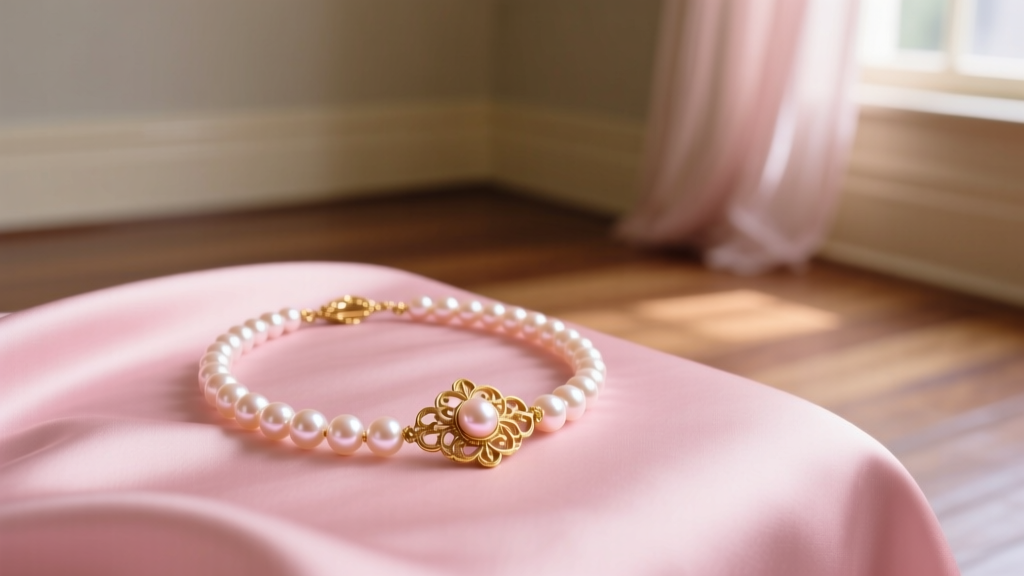
The Resurgence of the Vintage Pink Pearl Necklace in 2026
The jewelry landscape in 2026 has seen a definitive pivot away from stark minimalism toward a nuanced, romantic aesthetic. At the forefront of this shift is the vintage pink pearl necklace. No longer confined to the stereotypical 'grandmother's jewelry box,' these heirloom pieces are being reclaimed by a new generation of collectors and style enthusiasts who value the sustainability of vintage markets and the unique, irreplaceable luster of aged nacre. The modern 'coquette' and 'quiet luxury' movements have merged, creating a demand for pieces that offer both historical weight and delicate femininity.
However, navigating the vintage market requires a sharp gemological eye. A pink pearl strand from the 1950s differs vastly in composition, treatment, and value from a pastel strand produced during the 1980s costume jewelry boom. Understanding the origins of the pink hue, the structural integrity of the nacre, and the hallmarks of vintage craftsmanship is essential for making an informed investment.
Decoding the Pink: Natural vs. Treated Vintage Pearls
The most critical factor in evaluating a vintage pink pearl necklace is determining the origin of its color. The Gemological Institute of America (GIA) notes that true, naturally occurring pink pearls are exceptionally rare, meaning the vast majority of vintage pieces on the market have undergone some form of enhancement.
1. The 'Pinking' Treatment in Vintage Akoya Pearls
During the mid-20th century, particularly in the 1950s and 1960s, Japanese Akoya pearls (Pinctada fucata martensii) dominated the fine jewelry market. Naturally, high-quality Akoya pearls possess a white or cream body color with a subtle rose overtone. To meet the mid-century demand for distinctly pink strands, the Japanese pearl industry developed a universal post-harvest treatment known as 'pinking.' This involves a mild irradiation or chemical dyeing process designed to permanently enhance the rose overtone, giving the pearls a uniform, blush-pink appearance. While considered an acceptable and disclosed industry practice for Akoya pearls, heavily dyed vintage strands can sometimes show color pooling near the drill holes.
2. Dyed Freshwater Pearls (1970s-1980s)
The 1980s saw a massive influx of Chinese freshwater pearls. To capitalize on the era's love for bold pastels, many of these pearls were heavily dyed to achieve vivid 'bubblegum' or salmon-pink hues. Unlike the subtle pinking of Akoya pearls, these dyes are often organic and can fade or become brittle over decades of wear. When inspecting a suspected 1980s freshwater strand, look for chalky luster and uneven color distribution.
3. The Holy Grail: Natural Conch Pearls
True natural pink pearls typically come from the Queen Conch (Strombus gigas) found in the Caribbean. These are non-nacreous, meaning they do not have the traditional iridescent luster of oyster pearls; instead, they exhibit a porcelain-like surface with a unique 'flame structure.' Finding a fully matched, vintage strand of natural pink conch pearls is a museum-grade rarity, often commanding prices well into the six figures.
Authentication and Grading: A Buyer's Framework
When evaluating a vintage pink pearl necklace, you must look beyond the color and assess the structural integrity and hardware. Here is a practical framework for authentication and quality grading.
The Nacre Thickness Test
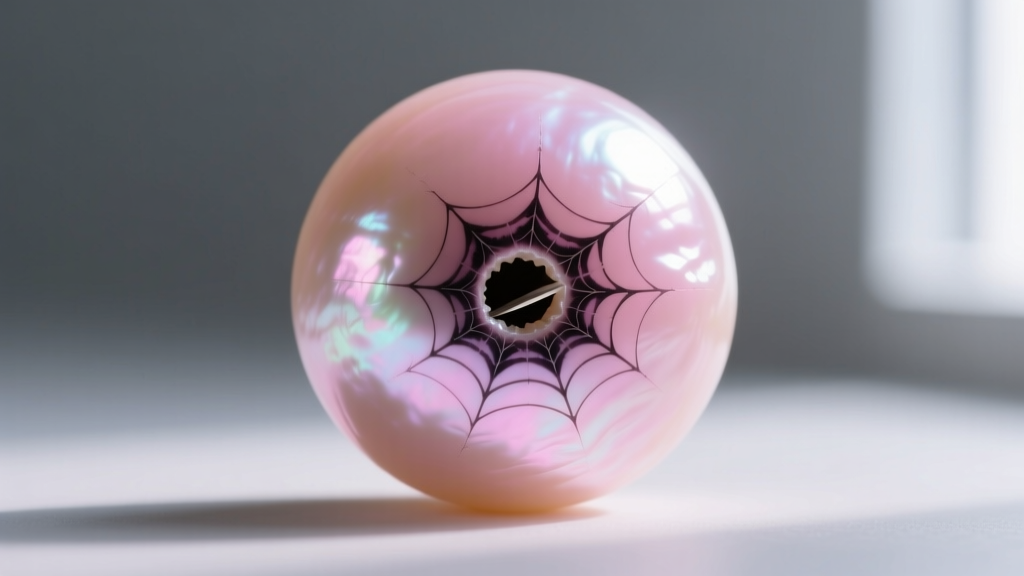
Vintage Akoya pearls, particularly those from the 1970s and 1980s, sometimes suffer from thin nacre due to accelerated harvesting practices of that era. Thin nacre (under 0.4mm) will eventually peel or crack, revealing the dull shell bead nucleus underneath. According to GIA Pearl Quality Factors, high-quality vintage Akoya strands should possess a nacre thickness of at least 0.8mm. You can often gauge this by looking closely at the drill hole with a jeweler's loupe; a thick, distinct layer of nacre over a lighter bead indicates superior longevity.
Inspecting the Clasp and Silk
The hardware on a vintage piece tells the story of its provenance. Authentic mid-century fine jewelry strands will feature solid 14k or 18k gold clasps, often with intricate filigree work or safety chains. Look for maker's marks or stamps such as '14K', '585', or '750'. Additionally, vintage pearls are strung on silk thread with individual knots between each pearl to prevent loss if the strand breaks. If the pearls are strung on unknotted synthetic wire or cotton, the piece is likely a later restrung imitation or a lower-tier vintage costume piece.
The Tooth Test
To quickly differentiate between real vintage pearls and glass or plastic imitations (like the famous Majorica pearls of the mid-century), gently rub the pearl against the biting edge of your front tooth. Real nacre, composed of microscopic aragonite platelets, will feel distinctly gritty or sandy. Imitation pearls will feel perfectly smooth.
Market Pricing and Investment Value
The value of a vintage pink pearl necklace varies wildly based on its gemological origins, condition, and provenance. Below is a 2026 market pricing guide to help you benchmark potential purchases.
| Pearl Type & Era | Color Origin | Condition Indicators | Estimated Market Value (16-inch Strand) |
|---|---|---|---|
| 1950s Akoya | Mild 'Pinking' / Rose Overtone | High luster, 14k gold clasp, thick nacre | $1,200 - $3,500 |
| 1980s Freshwater | Heavy Organic Dye | Chalky luster, potential dye fading, 10k or gold-filled clasp | $150 - $400 |
| Mid-Century Imitation (e.g., Majorica) | Painted Glass/Coating | Smooth tooth test, pristine coating, branded box | $80 - $250 |
| Natural Conch (Rare Heirloom) | Natural Pink (Non-Nacreous) | Visible flame structure, custom platinum/gold settings | $15,000 - $100,000+ |
Styling Heirloom Pink Pearls for the Modern Wardrobe
The key to wearing a vintage pink pearl necklace in 2026 is contrast. The inherent sweetness of the pink hue must be balanced with modern tailoring, unexpected textures, or mixed metals to avoid looking overly costumey.
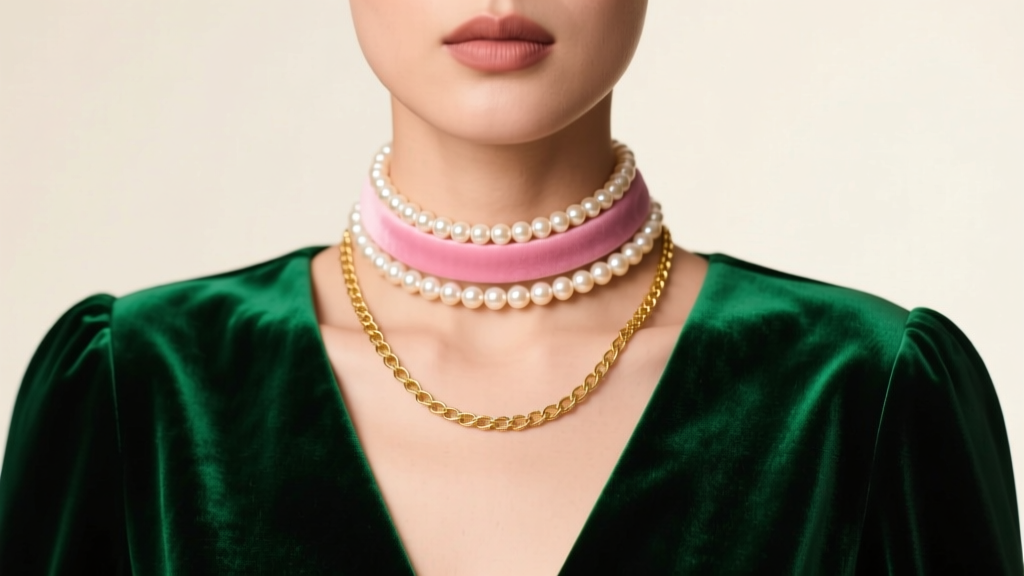
- The Mixed-Metal Layer: Pair a 16-inch vintage pink Akoya choker with a slightly longer, 18-inch matte gold paperclip chain. The juxtaposition of the organic, blush nacre against industrial, brushed gold creates a sophisticated tension that defines current luxury trends.
- Textile Contrast: Avoid pairing pink pearls with pastel fabrics, which can wash out the pearls' subtle overtones. Instead, drape them over deep, rich textiles like emerald green velvet, charcoal grey cashmere, or structured black leather. The dark background acts as a canvas, allowing the pearls' natural orient and luster to pop.
- Neckline Pairing: Vintage pink pearl strands (typically 16 to 18 inches) sit best on sweetheart or square necklines, framing the collarbone perfectly. Avoid high turtlenecks, which can cause friction against the vintage silk threading and accelerate wear.
Preservation and Care for Vintage Nacre
Owning a vintage pink pearl necklace comes with the responsibility of proper preservation. Pearls are organic gems with a Mohs hardness of only 2.5 to 3.0, making them highly susceptible to scratching and chemical damage.
Always adhere to the 'Last On, First Off' rule. Pearls should be the last item you put on after applying perfumes, hairsprays, and cosmetics, and the first item you remove at the end of the day. The alcohol and acids in modern beauty products can rapidly degrade the delicate nacre of vintage strands.
Store your necklace flat in a soft, unbleached cotton pouch. Avoid hanging vintage silk-strung pearls, as the weight of the pearls will stretch the decades-old silk over time, leading to gaps between the knots and an increased risk of breakage. If you notice the silk stretching or fraying near the clasp, take the piece to a professional jeweler for a modern restringing using high-tensile silk or specialized bead cord, ensuring the original vintage clasp is preserved and reattached.
By understanding the gemological history, mastering the authentication process, and styling with modern intentionality, the vintage pink pearl necklace transforms from a dated relic into a cornerstone of a sophisticated, forward-thinking 2026 jewelry collection.


