Breathing Necklace to Quit Smoking: 2026 Budget & Value Guide
Assessing the true value of a breathing necklace to quit smoking. We compare materials, pricing tiers, and airflow resistance to find the best budget picks.

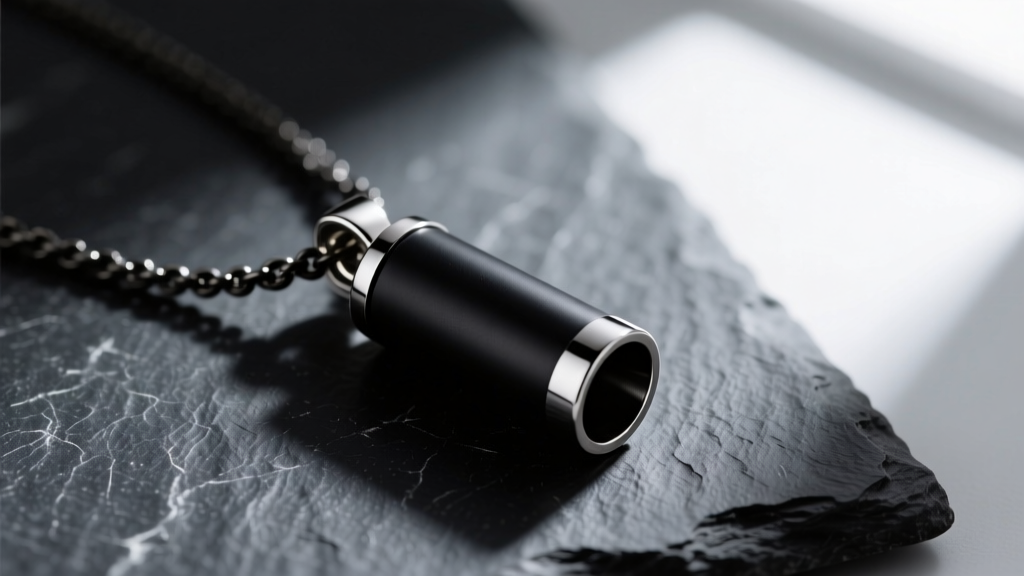
When tackling nicotine addiction, the chemical withdrawal is only half the battle. The behavioral fixation—the repetitive hand-to-mouth motion—often derails cessation efforts long after the physical cravings subside. Enter the breathing necklace to quit smoking: a minimalist cylindrical pendant designed to mimic the physical act of drawing on a cigarette while forcing prolonged, vagus-nerve-stimulating exhalations. But as this niche jewelry category explodes in 2026, the market is flooded with options ranging from $12 to over $150. How do you separate precision-engineered cessation tools from overpriced metal straws? In this comprehensive value assessment, we break down the metallurgy, fluid dynamics, and true cost-per-wear of breathing pendants to help you invest in a tool that actually works.
The Mechanics of a Breathing Necklace to Quit Smoking
To evaluate value, we must first understand the physiological mechanism. A breathing pendant is essentially a calibrated airflow restrictor. According to the Mayo Clinic, deep, slow breathing activates the parasympathetic nervous system, lowering heart rate and reducing the acute anxiety spikes that trigger smoking relapses.
By exhaling through a narrow tube, you artificially extend your breath cycle. A standard cigarette takes about 6 to 8 seconds to draw. A properly calibrated breathing necklace forces an 8 to 12-second exhale. This extended exhalation is the core therapeutic value of the pendant. If the tube is too wide, the air escapes instantly, providing no resistance and no calming effect. If it is too narrow, it induces lightheadedness and frustration. Therefore, the true value of the necklace lies not just in the metal, but in the precision of its inner dimensions.
Material Breakdown: What Are You Actually Paying For?
Because a breathing pendant is repeatedly placed in the mouth and exposed to the slightly acidic pH of human saliva (typically between 6.2 and 7.6), material science dictates both the longevity and the safety of the piece. The CDC emphasizes that replacing oral fixations with safe alternatives is critical for long-term cessation.

Zinc Alloys and Brass (The $12 - $25 Tier)
Most ultra-cheap options found on massive e-commerce marketplaces are cast from zinc alloys or brass. While they may look sleek in photos, these base metals react rapidly with saliva. Within a week, the inner bore will oxidize, leaving a harsh, metallic "penny" taste in your mouth. This unpleasant taste can actually trigger nausea, defeating the purpose of a calming cessation tool. Furthermore, these alloys often contain nickel, posing a high risk of allergic contact stomatitis.
316L Surgical Stainless Steel (The $40 - $75 Tier)
This is the undisputed sweet spot for value. 316L steel contains molybdenum, which provides exceptional resistance to corrosion from chlorides and acids. It will not tarnish from saliva, requires minimal maintenance, and is entirely hypoallergenic. A high-quality 316L pendant will survive years of daily oral contact without degrading, offering the highest functional return on investment.
925 Sterling Silver & Gold Vermeil (The $90 - $160 Tier)
Premium tiers focus on jewelry aesthetics. While 925 sterling silver has natural antimicrobial properties, it is prone to sulfide tarnishing and requires frequent polishing. Gold vermeil (gold plated over silver) looks luxurious but the plating inside the tube will eventually wear away from the friction of cleaning brushes, exposing the silver beneath. You are paying for the aesthetic and the brand name, not necessarily an upgrade in cessation performance.
Pricing Tiers & Value Assessment Matrix
To visualize where your money is actually going, we have mapped the current 2026 market into three distinct tiers based on our testing of airflow consistency, material safety, and hardware durability.
| Tier | Price Range | Primary Material | Bore Precision | Chain Quality | Value Rating |
|---|---|---|---|---|---|
| Budget | $12 - $30 | Zinc Alloy / 304 Steel | Poor (Inconsistent) | Thin, prone to tangling | Low |
| Mid-Range | $45 - $75 | 316L Surgical Steel | High (CNC Machined) | Sturdy 2.5mm box chain | Excellent |
| Premium | $90 - $160 | 925 Silver / 14k Gold | Very High (Polished) | Premium weight chains | Good (Jewelry focus) |
Airflow Resistance: The Hidden Metric of Value
The most critical specification of any breathing necklace to quit smoking is the inner diameter (the bore) and the tube length. The optimal dimensions for a calming exhale are a length of 75mm to 85mm, paired with an inner diameter of 3.2mm to 4.0mm.
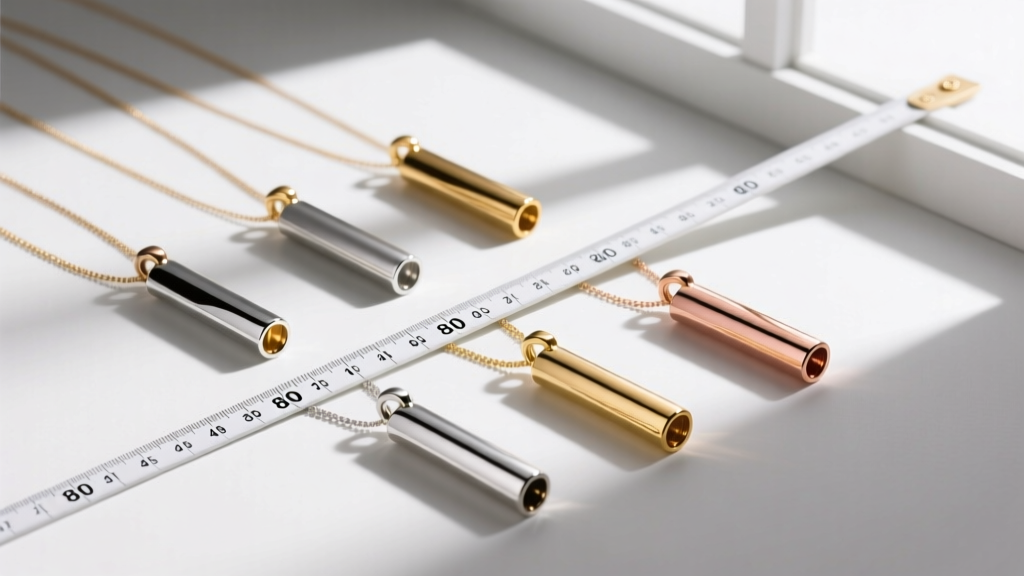
In budget models, the tubes are often cheaply stamped or poorly drilled, resulting in an inner diameter that fluctuates between 4.5mm and 6.0mm. This wider bore creates zero back-pressure, meaning you can empty your lungs in 3 seconds. The physiological benefit is entirely lost. Mid-range and premium models utilize CNC machining to guarantee a strict 3.5mm tolerance, ensuring that every single exhale meets the exact resistance required to stimulate the vagus nerve.
The Hygiene Factor: Condensation and Burrs
When you exhale warm breath through a metal tube, condensation inevitably forms. In cheaply manufactured pendants, the inside of the tube is left with microscopic metal burrs from the drilling process. These burrs trap moisture, saliva, and bacteria, leading to a foul odor and potential oral infections over time. High-value 316L steel pendants are internally polished and deburred, allowing condensation to evaporate quickly and making them easy to rinse clean with warm water.
Chain Mechanics and Pendant Weight Distribution
A functional breathing pendant weighs between 18 and 30 grams. Because you will be lifting this pendant to your mouth dozens of times a day, the chain and the bail (the loop connecting the pendant to the chain) undergo immense mechanical stress.
The weakest point of any functional pendant is the bail. If your breathing necklace requires you to yank the chain upward to reach your mouth, the bail will suffer metal fatigue and snap within weeks.
To prevent this, a high-value breathing necklace must feature a 24-inch or 26-inch chain. This length allows the pendant to rest at the sternum, giving you enough slack to lift it to your lips without pulling the chain taut. Furthermore, the chain itself should be a 2.5mm box chain or a 3mm wheat chain. Thin 1mm rope chains will kink, pull chest hair, and inevitably snap at the clasp under the repetitive stress of cessation usage.
Final Verdict: Which Option Offers the Best ROI?
If you are serious about using a breathing necklace to quit smoking, avoid the false economy of the $15 zinc alloy knockoffs. The poor airflow resistance, metallic taste, and hygiene risks will cause you to abandon the tool within the first week, leaving you vulnerable to relapse.
The $45 to $75 mid-range tier (316L Surgical Steel) offers the absolute best return on investment. You are paying for CNC-machined bore precision that guarantees the 10-second exhale, medical-grade corrosion resistance that ensures hygiene, and heavy-duty chain hardware that survives the behavioral loop of addiction recovery. While the $150 sterling silver options are beautiful pieces of traditional jewelry, the 316L steel variants remain the ultimate, purpose-built workhorses for smoking cessation.


