2026 Bronze Chain Necklace Buying Guide & Care Tips
Discover what to look for when buying a bronze chain necklace. Learn about alloys, gauge sizes, patina care, and how to prevent skin discoloration.

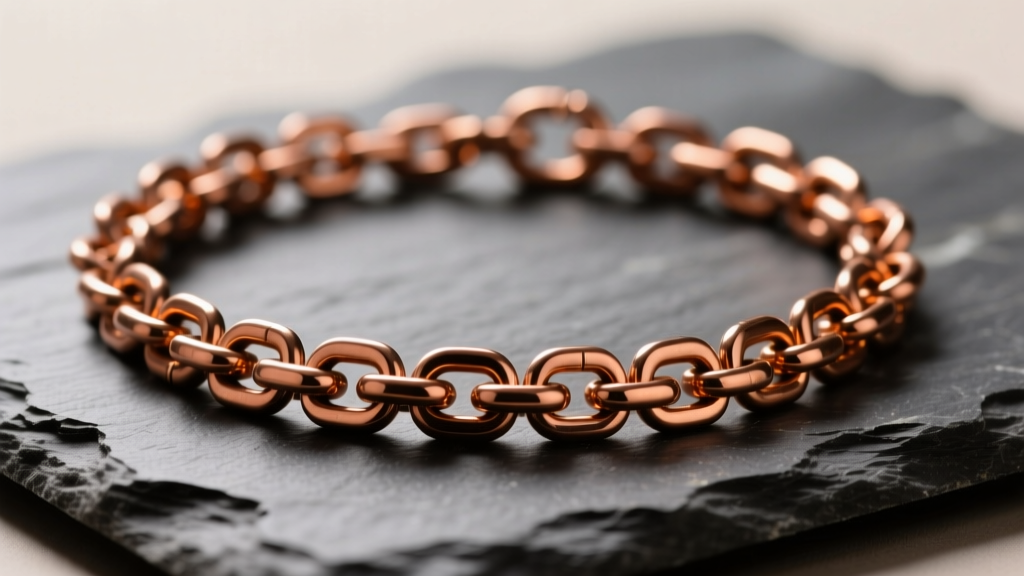
The Resurgence of Bronze in Modern Jewelry
In the landscape of 2026 jewelry trends, the bronze chain necklace has carved out a definitive space for itself, bridging the gap between raw, industrial aesthetics and refined artisan craftsmanship. Unlike the high-shine polish of sterling silver or the traditional prestige of yellow gold, bronze offers an earthy, warm, and deeply organic visual profile. However, buying a bronze chain necklace requires a fundamentally different approach than purchasing precious metals. Because bronze is an alloy with varying compositions, understanding its metallurgy, structural integrity, and aging process is critical to making a purchase that lasts a lifetime.
This comprehensive buying guide will walk you through the exact specifications, alloy grades, and maintenance protocols you need to know before investing in your next bronze piece.
Decoding Bronze Alloys: What Are You Actually Buying?
The term "bronze" is frequently misused in the mass-market jewelry sector. True bronze is an alloy consisting primarily of copper and tin. However, many commercial manufacturers use the term loosely to describe brass (copper and zinc) or even copper-plated base metals. When shopping for a high-quality bronze chain necklace, you must look beyond the marketing label and investigate the specific alloy grade.
"For jewelry applications, silicon bronze is vastly superior to traditional tin bronze due to its enhanced tensile strength, superior corrosion resistance, and hypoallergenic properties."
Silicon Bronze (C65500 / Everdur)
According to metallurgical standards outlined by jewelry suppliers like Rio Grande, silicon bronze (typically 95% copper, 3% silicon, 1% manganese, and 1% zinc) is the gold standard for contemporary bronze jewelry. The addition of silicon deoxidizes the copper during casting, resulting in a denser, stronger chain that resists snapping under tension. More importantly, C65500 is generally nickel-free, making it a safer choice for those with contact dermatitis.
Phosphor Bronze (C51000)
Containing copper, tin, and a small amount of phosphorus, this alloy is incredibly hard and wear-resistant. While excellent for mechanical parts, it is slightly less common in delicate chain links due to its rigidity, but it excels in heavy, structural statement collars.
Commercial "Bronze" (Brass)
Beware of pieces labeled as "architectural bronze" or "commercial bronze." In the metals industry, these are actually brass alloys (copper and zinc). While beautiful, brass has a yellower hue and lacks the deep, reddish-brown warmth of true tin or silicon bronze.
Chain Link Styles and Gauge Sizing Matrix
The longevity of your necklace is dictated by the wire gauge (thickness) and the link architecture. Because bronze is slightly softer than stainless steel or white gold, opting for a thicker gauge is highly recommended to prevent the links from pulling apart over time. Below is a structural matrix to help you choose the right configuration for your needs.
| Chain Style | Recommended Gauge | Ideal Use Case | Avg. Price Range (Solid) |
|---|---|---|---|
| Cable | 18g - 20g (0.8-1.0mm) | Lightweight Pendants | $35 - $60 |
| Rolo | 14g - 16g (1.2-1.6mm) | Everyday Standalone | $65 - $110 |
| Curb | 10g - 12g (2.0-2.5mm) | Statement Pieces | $120 - $250 |
| Figaro | 12g - 14g (1.6-2.0mm) | Textured Layering | $85 - $150 |
When evaluating gauge, remember that the lower the number, the thicker the wire. A 12-gauge (2.0mm) curb chain provides a substantial, masculine weight that drapes beautifully, while an 18-gauge (1.0mm) cable chain is best reserved for holding lightweight cast pendants.
The Patina Factor: Bug or Feature?
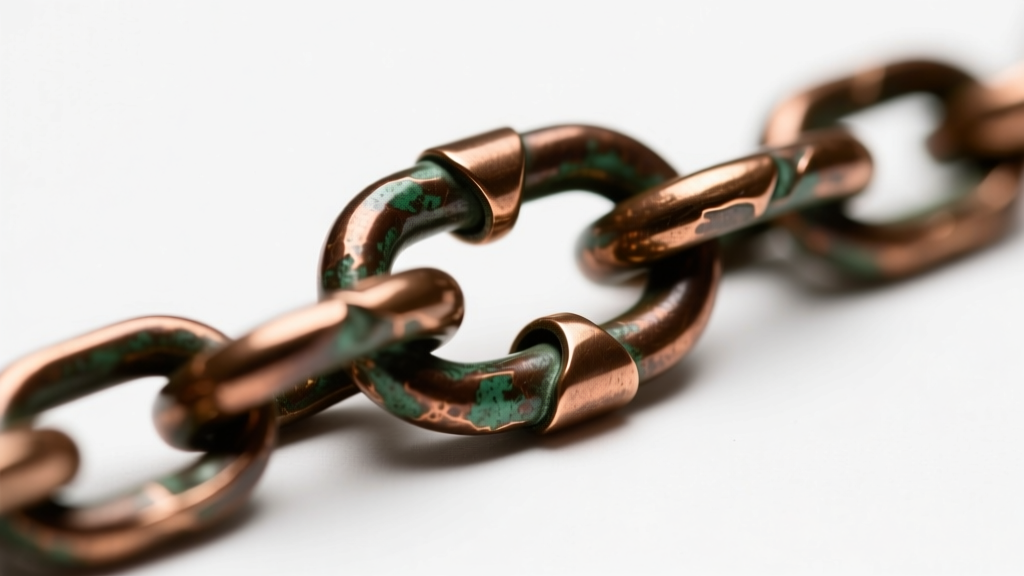
The most polarizing aspect of owning a bronze chain necklace is the inevitable development of a patina. When the copper in the bronze reacts with oxygen, moisture, and the natural acids in your skin, it forms a layer of copper carbonate. This darkens the metal, shifting it from a bright, penny-like orange to a deep, antiqued brown.
Embracing the Aging Process
Many collectors specifically seek out bronze for this living finish. A well-worn bronze chain tells a story, with the high-polish areas remaining bright where the chain rubs against the skin, and the recessed crevices of the links darkening to create striking contrast. If you prefer this organic evolution, simply wear the necklace daily and allow the environment to do the work.
Restoring the Shine
If you prefer your chain to maintain its original, bright metallic luster, maintenance is straightforward. The Jewelers of America recommends avoiding harsh ultrasonic cleaners for porous or oxidized alloys. Instead, use a gentle chemical reduction method:
- The Ketchup Method: The acetic acid in tomatoes breaks down copper oxide. Coat the chain in ketchup, let it sit for 15 minutes, scrub with a soft toothbrush, and rinse thoroughly.
- Lemon and Salt: Create a paste with lemon juice and coarse salt. The citric acid dissolves the tarnish while the salt provides mild abrasion.
- Sealing the Finish: Once polished, apply a microcrystalline wax (like Renaissance Wax) to create a barrier against oxygen and skin oils, locking in the shine for months.
Hardware and Clasp Mechanics
A chain is only as strong as its weakest link, which is almost always the clasp. Because bronze is a relatively soft alloy, the internal spring mechanism inside a standard spring-ring clasp can fatigue or fail if manufactured entirely from bronze. Always verify that the clasp features a stainless steel or titanium internal spring, even if the exterior housing is cast in bronze to match the chain. Lobster claw clasps are generally preferred for bronze chains weighing over 50 grams, as their solid-lever mechanics do not rely on delicate internal coils.
Troubleshooting the "Green Skin" Effect
It is a well-documented chemical reality that copper-heavy alloys can leave a green or black residue on the skin. This is not a sign of poor quality or toxic materials; it is simply a harmless reaction between copper and lactic acid in human sweat. According to educational resources from the Gemological Institute of America (GIA), this copper chloride transfer is entirely safe and washes off easily with soap and water.
However, if you wish to prevent this discoloration without sacrificing the look of bronze, consider these actionable solutions:
- Clear Barrier Coatings: Apply a thin layer of clear polyurethane or jewelry-specific clear lacquer to the inside of the chain links that touch your skin.
- Rhodium Flashing: Some high-end artisan jewelers offer bronze chains with a microscopic flash-plating of rhodium on the interior links, providing a hypoallergenic, non-tarnishing barrier.
- Keep it Dry: Remove your bronze necklace before exercising, swimming, or showering. Moisture accelerates the copper-acid reaction exponentially.
Layering Bronze in 2026: Styling Frameworks
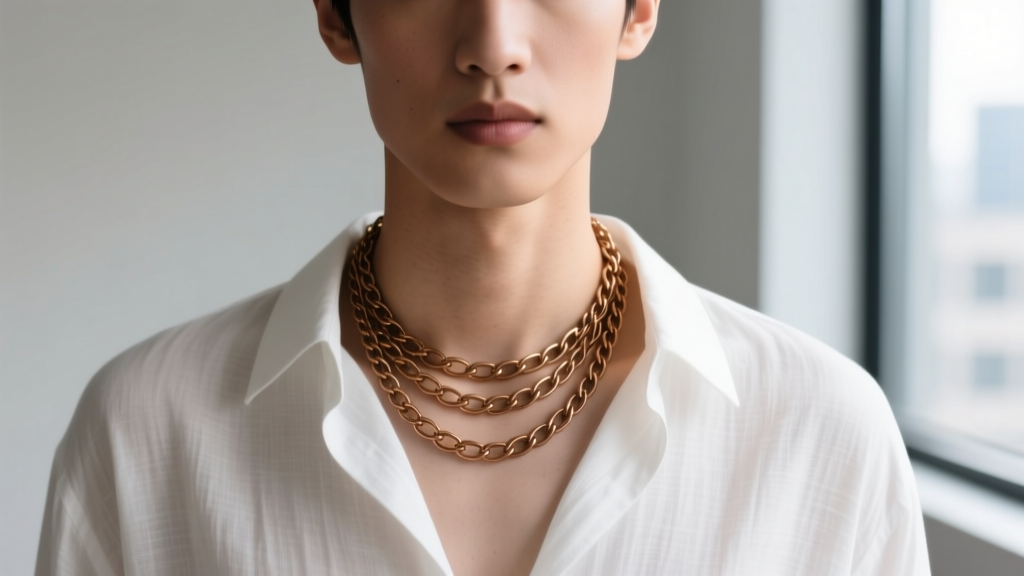
Bronze is no longer relegated to solo, bohemian pendants. The prevailing styling framework in 2026 treats bronze as a "bridge metal" in mixed-metal layering stacks. Because its warm, muted tone sits perfectly between the stark coolness of sterling silver and the bright luxury of yellow gold, it acts as a visual anchor.
The Tri-Metal Cascade: Start with a 16-inch oxidized silver choker, follow with an 18-inch bright polished bronze rolo chain, and finish with a 20-inch matte yellow gold pendant chain. The bronze mid-layer softens the contrast between the silver and gold, creating a cohesive, intentional look rather than a chaotic clash of metals.
Final Verdict: Who Should Buy Bronze?
A bronze chain necklace is an exceptional investment for the wearer who values character, warmth, and artisanal craftsmanship over traditional precious metal prestige. It is ideal for those who appreciate the wabi-sabi philosophy of finding beauty in imperfection and aging. By prioritizing silicon bronze alloys, selecting a robust wire gauge, and understanding the simple chemistry of patina maintenance, you can secure a versatile, striking piece of jewelry that will evolve beautifully with you over decades of wear.


