2026 Budget Guide to Finding the Perfect Bridal Diamond Necklace
Discover how to maximize value on a bridal diamond necklace in 2026. Compare lab-grown vs. natural prices, carat weights, and setting styles.

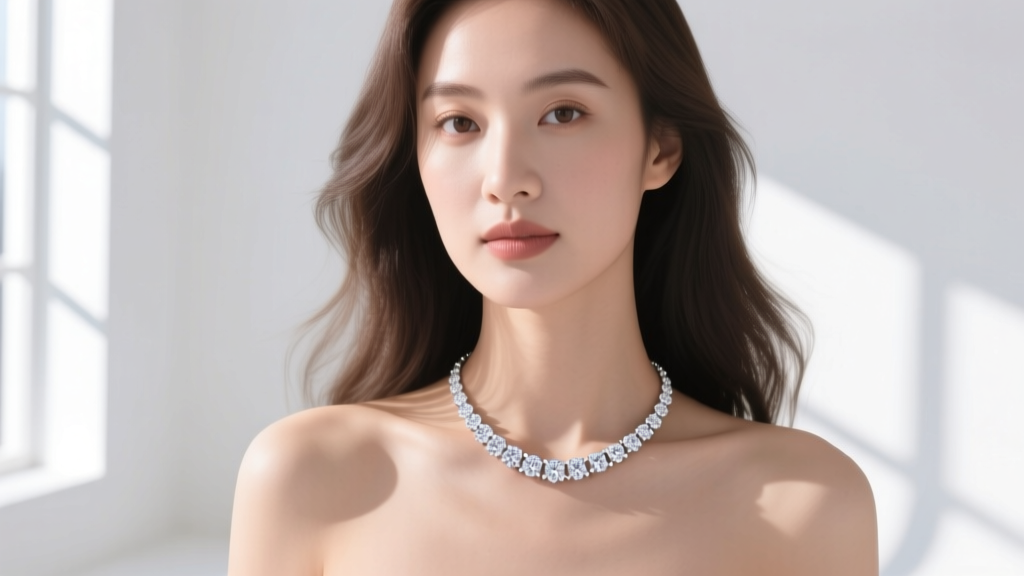
The Real Cost of a Bridal Diamond Necklace in 2026
Planning a wedding involves a labyrinth of financial decisions, and bridal jewelry often takes a backseat to venue and catering costs. However, the bridal diamond necklace remains a focal point of the wedding day aesthetic and a cherished heirloom for decades to come. In 2026, the diamond market has undergone massive shifts, primarily driven by the mainstream acceptance and plummeting costs of lab-grown diamonds, alongside fluctuating natural diamond premiums. For the budget-conscious bride, this means unprecedented opportunities to acquire high-carat, exceptional-clarity pieces without compromising the wedding fund.
Understanding where your money actually goes when purchasing a bridal diamond necklace requires looking past the marketing gloss. Retail markups in traditional brick-and-mortar stores can inflate prices by 100% to 200% compared to online, direct-to-consumer jewelers. By leveraging wholesale pricing models and understanding the precise metrics of diamond valuation, you can secure a breathtaking piece that aligns perfectly with your financial boundaries.
Lab-Grown vs. Natural: The Ultimate Value Breakdown
The most significant budget lever you can pull in 2026 is choosing between earth-mined and lab-created diamonds. Chemically, physically, and optically identical, lab-grown diamonds are graded on the exact same scales as natural stones. According to the IGI Lab-Grown Diamond Grading standards, these stones offer the same fire and scintillation, but at a fraction of the cost due to a highly efficient, controlled supply chain.
| Total Carat Weight (ctw) | Natural Diamond Price Range | Lab-Grown Diamond Price Range | Visual Difference |
|---|---|---|---|
| 0.50 ctw (Pendant) | $1,200 - $2,200 | $350 - $600 | None |
| 1.00 ctw (Pendant) | $2,800 - $4,500 | $650 - $1,100 | None |
| 2.00 ctw (Station) | $6,500 - $10,000 | $1,200 - $2,000 | None |
| 5.00 ctw (Tennis) | $18,000 - $30,000 | $3,500 - $5,500 | None |
As the table illustrates, opting for a lab-grown bridal diamond necklace can save you anywhere from 70% to 85% compared to its natural counterpart. For brides who prioritize size and sparkle, reallocating the savings from a natural 1.00 ctw pendant to a lab-grown 3.00 ctw tennis necklace creates a vastly superior visual impact on the wedding day.
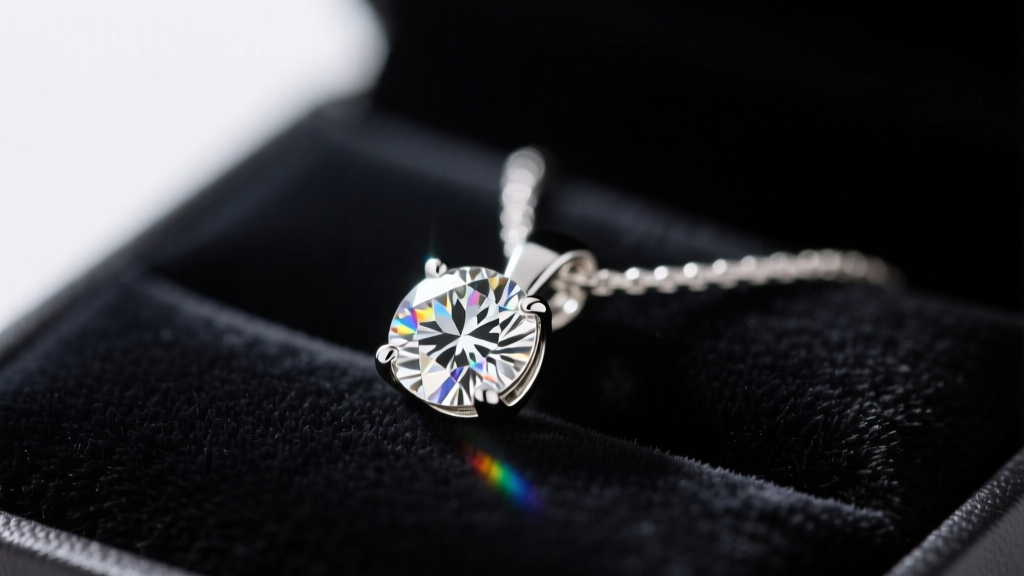
Strategic Compromises: The 4Cs Hierarchy for Bridal Pendants
If you are committed to purchasing a natural diamond, or simply want to maximize the quality of your lab-grown stone, you must understand how to manipulate the 4Cs (Cut, Color, Clarity, Carat) to your financial advantage. The GIA Diamond Quality Factors dictate that not all Cs are created equal, especially for necklaces that sit further from the observer's eye than an engagement ring.
1. Cut: The Non-Negotiable Metric
Never compromise on cut. A poorly cut 2-carat diamond will look like a dull piece of glass, while an ideally cut 0.75-carat diamond will out-sparkle it from across the room. For round brilliants, insist on "Excellent" or "Ideal" cut grades. For fancy shapes (oval, pear, marquise), rely on 360-degree video assessments to check for bow-tie effects and light return, as these shapes do not receive official cut grades from major gemological labs.
2. Color: The Metal Setting Loophole
Diamond color is graded from D (colorless) to Z (light yellow). However, the metal you choose for your necklace setting heavily influences how the diamond's color is perceived. If you are setting your bridal diamond necklace in 14k or 18k yellow gold or rose gold, you can safely drop down to a J, K, or even L color grade. The warm reflections of the metal will mask the faint yellow tint of the diamond, saving you up to 40% compared to a D-color stone. For white gold or platinum settings, stick to the G-I range to ensure the stone faces up white.
3. Clarity: Avoid the "Flawless" Tax
Because a necklace rests on the décolletage, it is rarely subjected to the intense, close-up scrutiny of an engagement ring. You do not need a VVS (Very Very Slightly Included) or Flawless clarity grade. A VS2 or even a well-chosen SI1 (Slightly Included) diamond will appear completely eye-clean to the naked eye, especially when set in a pendant where the stone is in constant motion. Avoid SI2 and I1 grades, as dark carbon inclusions can block light and dull the stone's brilliance.
Chain and Setting Metals: Hidden Budget Drains
The diamond is only half the equation; the metal chain and setting hardware can silently devour your budget if you aren't careful. Understanding the metallurgy of fine jewelry is crucial for assessing long-term value and immediate cost.
- Platinum: The premium choice. It is naturally white, hypoallergenic, and highly durable. However, platinum is dense and expensive. A sturdy 18-inch platinum box chain can add $800 to $1,500 to your total bill. It is best reserved for heavy pendants or high-carat tennis necklaces where structural integrity is paramount.
- 18k Gold (White, Yellow, Rose): Contains 75% pure gold. It offers a rich color and high prestige but is softer than 14k gold. It is an excellent choice for pendants but may stretch over time if used for heavy diamond station necklaces.
- 14k Gold: The undisputed champion of budget and durability. Containing 58.5% pure gold, it is highly resistant to scratching and bending. A 14k white gold chain will cost roughly 40% less than its platinum equivalent, allowing you to funnel those savings directly into a larger center stone.
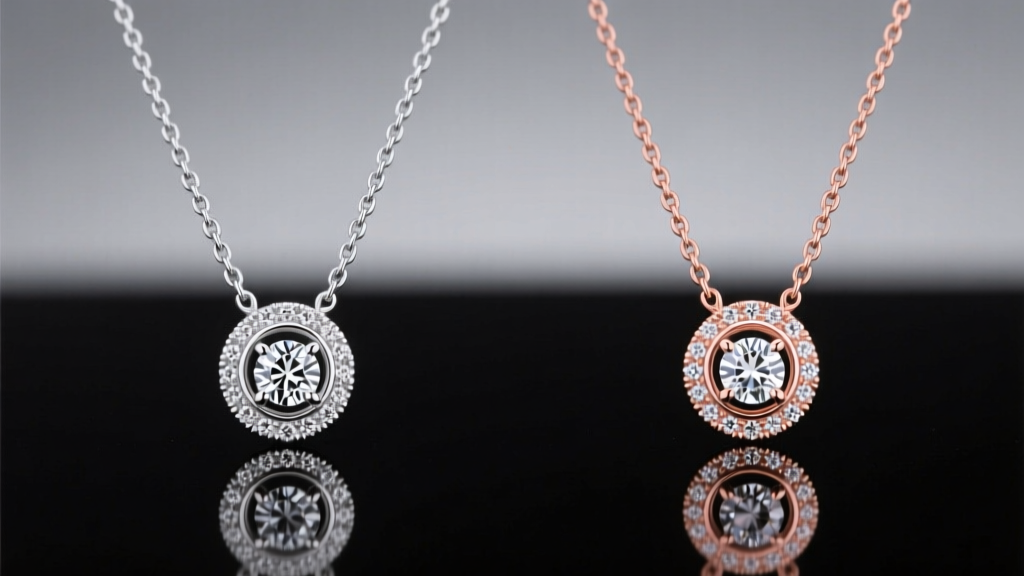
The Halo Illusion and Bezel Settings
If your heart is set on a massive pendant look but your budget caps at a 0.50-carat center stone, consider the halo setting. A halo of micro-pavé diamonds encircling the center stone can increase the overall face-up diameter by 30% to 50%, creating the illusion of a 1.5-carat solitaire for a fraction of the price. Alternatively, a bezel setting—where a thin rim of metal encircles the diamond's girdle—adds structural security and makes a smaller stone appear visually larger, though it sacrifices a small amount of edge-to-edge light return.
Certification Traps and Retailer Recommendations
A diamond without a reputable grading report is a financial liability. Never purchase a bridal diamond necklace without a certificate from the GIA (Gemological Institute of America) or IGI (International Gemological Institute). Beware of "in-house" certifications or lesser-known labs, which notoriously inflate color and clarity grades by one to two tiers, tricking consumers into overpaying for inferior stones.
For the best balance of price, transparency, and selection in 2026, bypass traditional mall jewelers and utilize specialized online retailers:
- James Allen: Offers unparalleled 360-degree high-resolution imagery, allowing you to inspect the exact inclusions of an SI1 diamond before purchasing.
- Blue Nile: Features a massive virtual inventory of loose diamonds and customizable pendant settings, often running 20% off sales on precious metal settings.
- Brilliant Earth: An excellent resource for ethically sourced natural diamonds and premium lab-grown options, with a strong focus on eco-friendly metal sourcing.
Final Verdict: Maximizing Your Bridal Jewelry Budget
Securing the perfect bridal diamond necklace in 2026 is an exercise in strategic allocation. By embracing lab-grown diamonds, prioritizing cut over flawless clarity, leveraging warm-toned metals to mask lower color grades, and purchasing from transparent online retailers, you can acquire a piece of fine jewelry that looks vastly more expensive than it actually was. Your bridal necklace should be a source of joy and confidence on your wedding day, not a lingering financial burden.


