How to Buy a Rose Gold Ruby Necklace: Step-by-Step Guide
Learn how to evaluate, authenticate, and buy a genuine rose gold ruby necklace with our expert gemological step-by-step purchasing guide.

Introduction to Rose Gold and Ruby Pairings
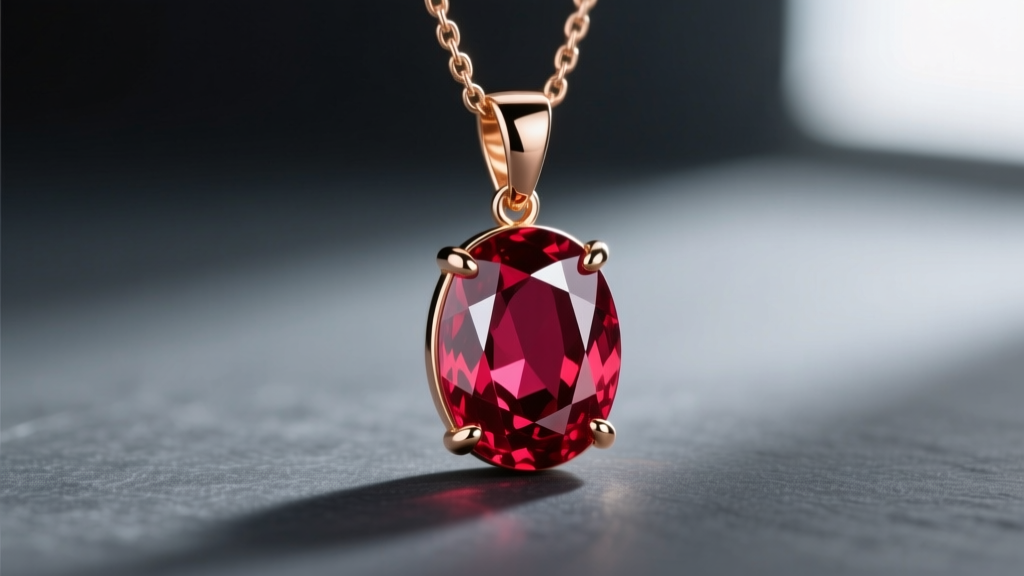
The combination of a rose gold ruby necklace represents one of the most romantic and visually striking pairings in fine jewelry. The warm, coppery undertones of rose gold perfectly complement the deep, fluorescent reds of a natural ruby. However, navigating the market for colored gemstones and specialized gold alloys requires a precise, gemological approach. Synthetic rubies, undisclosed glass-fillings, and misleading gold karat stamps are common pitfalls for uneducated buyers. This step-by-step guide provides the exact technical specifications, alloy compositions, and certification requirements you need to confidently purchase a high-quality rose gold ruby necklace in 2026 and beyond.
Step 1: Evaluate the Ruby's Gemological Profile
Rubies are the red variety of the mineral corundum (aluminum oxide), scoring a 9 on the Mohs hardness scale. When evaluating the center stone of your necklace, you must look beyond basic visual appeal and assess the stone's origin, color saturation, and treatment history.
Color and the 'Pigeon's Blood' Standard
The most prized ruby color is historically termed 'pigeon's blood'—a vivid, highly saturated red with a very slight purplish secondary hue and strong red fluorescence under ultraviolet light. According to the Gemological Institute of America (GIA), color is the most significant value factor for rubies. Avoid stones that are too dark (which can appear blackish in low light) or too light (which are often classified as pink sapphires rather than rubies).
Clarity and Treatment Disclosure
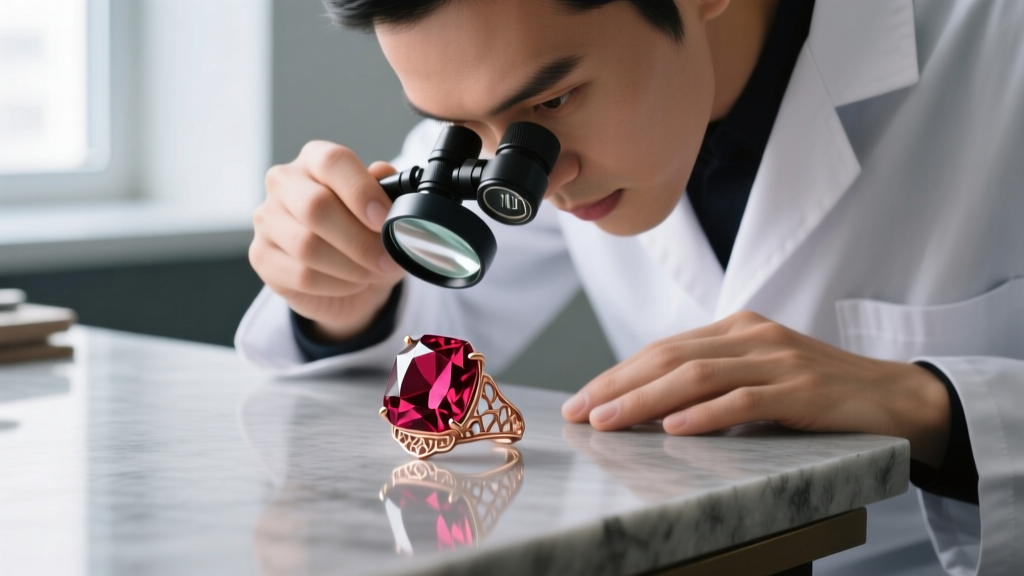
Natural rubies almost always contain inclusions, commonly referred to as 'silk' (rutile needles). While eye-clean stones command a massive premium, completely flawless rubies are exceptionally rare and should be treated with suspicion, as they are likely synthetic (e.g., flame-fusion or flux-grown). More importantly, you must verify the treatment status. Heat treatment is an accepted industry standard that improves color and clarity. However, fracture-filling with lead-glass is a deceptive practice that drastically lowers the stone's value and structural integrity. Never buy a glass-filled ruby for a fine jewelry necklace.
Step 2: Choose the Right Rose Gold Alloy
Rose gold is not a naturally occurring metal; it is an alloy created by mixing pure yellow gold with copper and a small amount of silver. The copper content is what gives the metal its signature pinkish-red hue. When selecting your necklace chain and pendant setting, understanding the karat weight is crucial for both color and durability.
14k vs. 18k Rose Gold Composition
- 18k Rose Gold: Composed of 75% pure gold, approximately 22.25% copper, and 2.75% silver. It offers a softer, more subtle blush-pink color and is highly hypoallergenic. However, it is slightly softer, making it less ideal for extremely delicate, high-tension prong settings.
- 14k Rose Gold: Composed of 58.3% pure gold, roughly 31% copper, and 10.7% silver. The higher copper content yields a deeper, more pronounced rose-copper color. It is significantly more durable and scratch-resistant than 18k, making it the superior choice for everyday necklace chains and secure gemstone settings. Note that the high copper content can cause contact dermatitis in individuals with specific metal allergies.
Step 3: Select the Setting and Chain Hardware
The structural integrity of your necklace relies heavily on the setting style and the chain gauge. Rubies are tough, but they can chip if struck directly on a facet junction.
Prong vs. Bezel Settings
For oval and round rubies, a four-prong or six-prong setting in 14k rose gold is ideal. Ensure the prongs are at least 0.8mm thick at the base to prevent bending and stone loss. If your ruby is pear-shaped or marquise-cut, demand V-prongs at the pointed tips to protect against chipping. A bezel setting offers maximum protection but will cover more of the ruby's perimeter, slightly reducing its visible face-up size and limiting light return.
Chain Gauge and Clasp Mechanics
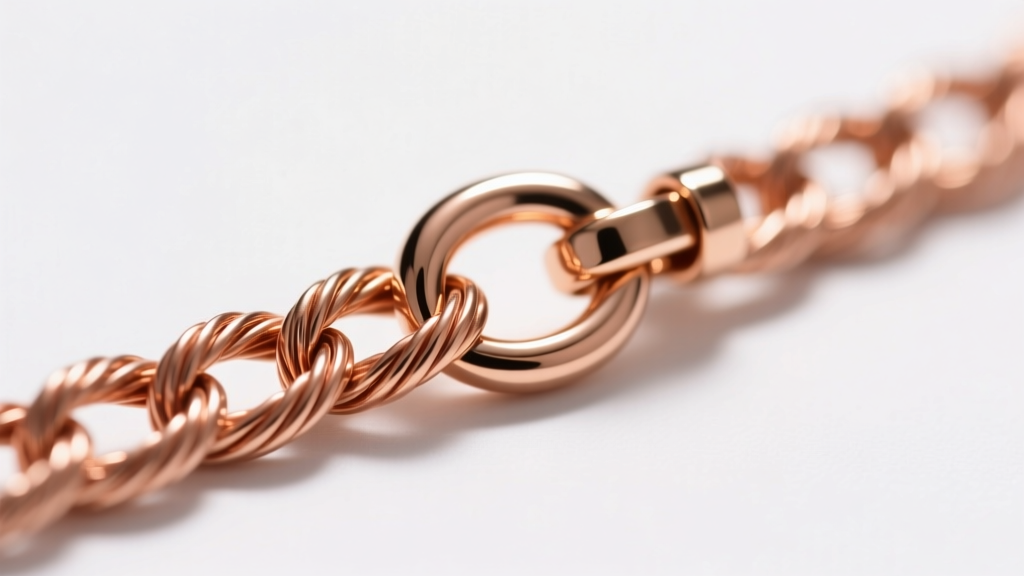
A pendant necklace requires a chain that balances delicate aesthetics with tensile strength. For pendants weighing under 5 grams, a 0.9mm to 1.2mm cable or box chain is optimal. Avoid hollow chains, as they crush easily. Always ensure the necklace features a solid lobster claw clasp (minimum 12mm in length) rather than a spring ring clasp, which is prone to internal spring failure.
Step 4: Demand Independent Certification
Never purchase a natural ruby necklace without a report from a reputable, independent gemological laboratory. The seller's in-house appraisal is not sufficient for verifying origin and treatment. According to American Gemological Laboratories (AGL), a comprehensive colored stone report will detail the exact weight, dimensions, shape, cutting style, color grade, and most importantly, the specific enhancements the stone has undergone. For high-value Burmese rubies, reports from GRS (GemResearch Swisslab) or Gübelin are also highly respected for origin determination.
Market Pricing: Ruby Origins and Treatments
Understanding the price per carat based on origin and treatment will help you identify fair market value and avoid overpaying. Below is a general pricing framework for a 1.00 to 1.50 carat ruby suitable for a pendant.
| Origin | Treatment Status | Estimated Price Per Carat (USD) | Market Notes |
|---|---|---|---|
| Burma (Myanmar) | Unheated | $15,000 - $40,000+ | Premium for 'pigeon's blood' and strong UV fluorescence. |
| Mozambique | Heated | $2,500 - $6,000 | Excellent clarity and rich red tones; best value for fine jewelry. |
| Madagascar | Heated | $1,800 - $4,500 | Often slightly purplish; beautiful in rose gold settings. |
| Various | Glass-Filled | $10 - $50 | Avoid. Structurally compromised and virtually worthless. |
Step 5: Long-Term Care and Maintenance
While rubies are highly durable, the rose gold setting requires specific care. Rose gold does not require rhodium plating (unlike white gold), but the copper content can oxidize slightly over time, leading to a darker patina. Clean your necklace using a soft-bristled brush, warm water, and mild dish soap. Never use ultrasonic cleaners if your ruby has been fracture-filled or if it contains liquid inclusions, as the high-frequency vibrations can shatter the stone. Have a professional jeweler inspect the prongs and clasp every 12 months to ensure the stone remains secure.
Conclusion
Purchasing a rose gold ruby necklace is a significant investment in both artistry and geology. By meticulously evaluating the ruby's color and treatment, selecting the appropriate 14k or 18k rose gold alloy for your lifestyle, and demanding rigorous third-party certification, you ensure that your necklace will remain a breathtaking heirloom for generations. Focus on structural integrity in the chain and setting, and always prioritize transparent gemological data over unverified sales claims.


