How to Choose Your First Black Pearl Necklace: A Beginner Guide
Learn how to buy your first black pearl necklace. We compare Tahitian vs. dyed freshwater pearls, grading systems, and how to spot fakes.

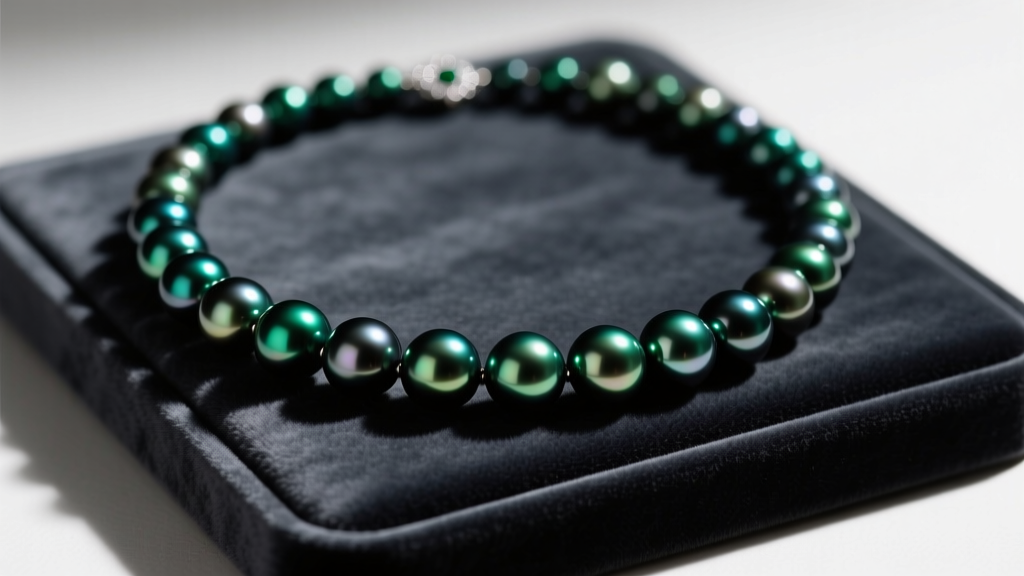
The Allure of the Dark Gem: Understanding Black Pearls
For beginners stepping into the world of fine jewelry, a black pearl necklace represents the pinnacle of mystery and elegance. Unlike the classic white Akoya or the pastel hues of freshwater pearls, black pearls offer a moody, iridescent depth that feels both modern and timeless. However, the market is flooded with misleading terminology, dyed imitations, and confusing grading scales. If you are preparing to invest in your very first dark pearl strand, you need to look past the marketing jargon and understand the gemological realities.
The term "black pearl" is frequently used as a catch-all phrase, but in the gemological community, it specifically refers to pearls produced by the Pinctada margaritifera saltwater oyster. According to the Gemological Institute of America (GIA), true naturally dark pearls are primarily cultured in French Polynesia, the Cook Islands, and the Seychelles. Understanding the biological and geographical origins of your necklace is the first step in making an informed, high-value purchase.
The Big Three: Tahitian, Dyed Freshwater, and Dyed Akoya
When shopping, you will encounter three primary categories of dark pearls. Knowing the difference will save you from overpaying for treated gems.
- Tahitian Pearls (Natural Color): The gold standard. Cultured in the black-lipped oyster, these pearls naturally secrete dark nacre ranging from charcoal gray to deep aubergine, often with spectacular "peacock" overtones.
- Dyed Freshwater Pearls: Produced by mussels (like Hyriopsis cumingii) in China. These are naturally white or pastel but are submerged in organic dyes to achieve a uniform black color. They are an affordable entry point but lack the depth and value of saltwater gems.
- Dyed Akoya Pearls: Historically, smaller saltwater Akoya pearls were treated with silver nitrate to darken the conchiolin (the organic protein inside the pearl). This practice is rare today due to market demand for natural colors, but vintage or heavily discounted strands may still feature this treatment.
Market Comparison: What You Should Expect to Pay
Pricing for a black pearl necklace varies wildly based on origin, size, and luster. Below is a benchmark table for a standard 18-inch princess-length strand in the current market.
| Pearl Type | Mollusk Species | Color Origin | Typical Size (mm) | Average Price Range (USD) |
|---|---|---|---|---|
| Tahitian (Commercial) | Pinctada margaritifera | Natural | 8.0 - 9.0 | $400 - $900 |
| Tahitian (Fine/Gem) | Pinctada margaritifera | Natural | 9.5 - 11.0 | $1,500 - $5,000+ |
| Dyed Freshwater | Hyriopsis (Hybrid) | Organic Dye | 7.0 - 9.0 | $40 - $150 |
| Dyed Akoya | Pinctada fucata | Silver Nitrate | 6.0 - 8.0 | $200 - $600 |
How to Spot a Dyed or Fake Black Pearl Necklace
The American Gem Society emphasizes that disclosure of treatments is a fundamental ethical requirement in jewelry sales. Unfortunately, not all sellers are transparent. Here is how you can perform a preliminary inspection at home or in the store.
The 10x Loupe Drill Hole Test
Every pearl on a necklace must be drilled to be strung. This tiny hole is your window into the pearl's true nature. Using a standard 10x jeweler's loupe, inspect the drill hole closely.
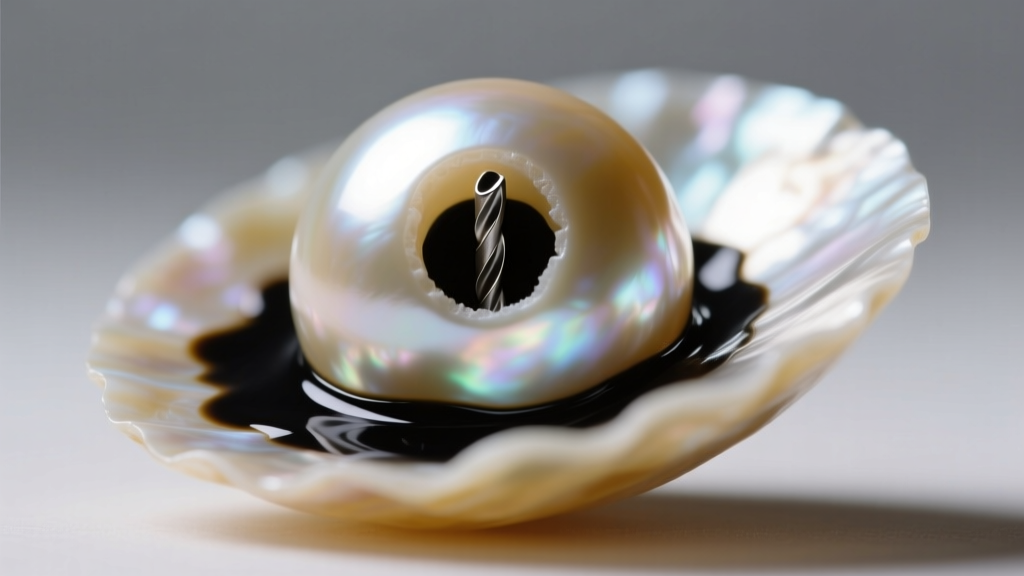
What to look for: In a dyed freshwater pearl, the dye often pools and concentrates around the drill hole, creating a dark, unnatural ring. You may also see a distinct boundary line between the white nucleus bead and the dyed nacre. A natural Tahitian pearl will show a seamless transition of dark nacre all the way to the nucleus, with no artificial color pooling.
The Tooth Test and Luster Check
If you suspect you are looking at a glass or plastic imitation rather than a real pearl, gently rub the pearl against the biting edge of your front tooth. A genuine pearl (whether dyed or natural) will feel distinctly gritty or sandy due to the microscopic aragonite platelets. A glass or plastic fake will feel perfectly smooth. Furthermore, natural Tahitian pearls possess a deep, mirror-like luster that seems to glow from within, whereas dyed pearls often have a flat, matte, or "chalky" appearance because the dye penetrates and obscures the natural crystalline structure.
Sizing and Grading: Decoding the Millimeters and Letters
When evaluating a black pearl necklace, size and surface quality are the primary drivers of value. Tahitian pearls are notably larger than Akoya pearls. The "sweet spot" for a beginner's first strand is between 8.5mm and 9.5mm. This size offers substantial presence on the neckline without the heavy, cumbersome feel of 12mm+ statement pieces.
The Tahitian Grading Scale
Unlike the AAA-A system used for freshwater and Akoya pearls, the French Polynesian government established an A-D grading scale specifically for Tahitian pearls:
- Grade A: Highest quality. Flawless on at least 90% of the surface. Exceptional luster.
- Grade B: Very high quality. Minor, shallow blemishes on up to 30% of the surface. High luster.
- Grade C: Medium quality. Noticeable flaws on up to 60% of the surface. Medium luster. (Most common in mid-tier retail).
- Grade D: Lowest commercial grade. Heavy blemishing. Often used for pendants where the flaw can be hidden by a drill hole or setting, rarely used for full matching strands.
Pro Tip: Do not be afraid of Grade B or C pearls for your first necklace. Pearls are organic gems; minor "pinpricks" or "growth rings" prove their natural origin. A strand of perfectly flawless, mirror-luster Tahitian pearls will cost tens of thousands of dollars.
Stringing Matters: The Hidden Architecture of Your Necklace
Beginners often obsess over the pearls and ignore the string. A high-end black pearl necklace ruined by poor stringing is a tragic failure mode. Because Tahitian pearls are heavy (a 10mm strand can weigh over 60 grams), the tensile strength of the thread is critical.
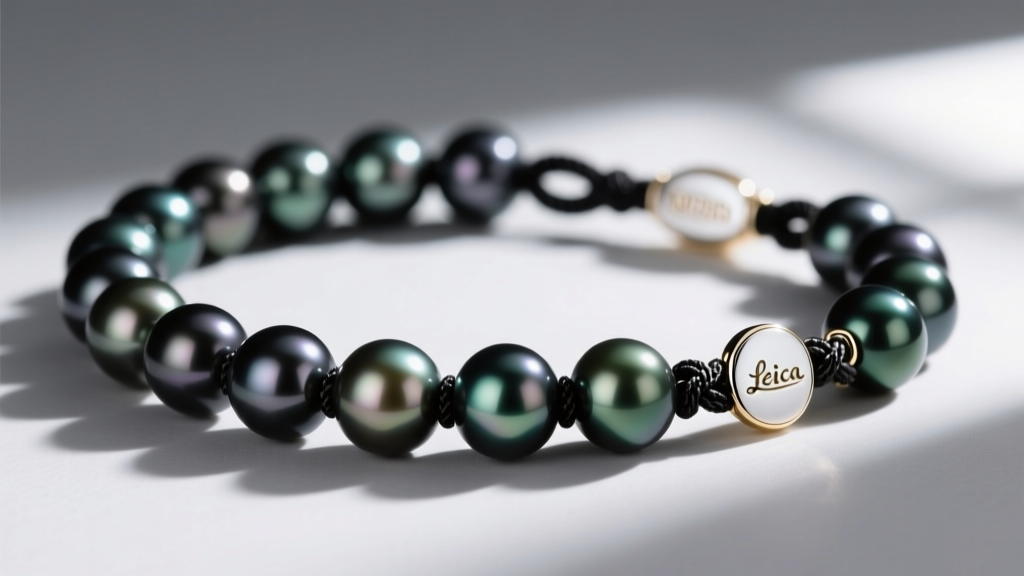
Historically, pure silk thread was the industry standard. However, silk stretches, degrades with body oils, and rots over time. Modern high-end jewelers now prefer synthetic, high-tensile threads (like Beaders Secret or Power Pro) which do not stretch and resist moisture. Ensure that your necklace is individually knotted between every single pearl. This prevents pearl-on-pearl abrasion (which destroys the nacre) and ensures that if the strand breaks, you only lose one pearl, not the entire necklace. Additionally, check the ends of the strand for French wire (gimp)—a tiny coiled metal spring that protects the thread from being sawed in half by the metal clasp ring.
Essential Care and Maintenance for Dark Pearls
Black pearls are softer and more porous than diamonds or sapphires, ranking at roughly 2.5 to 4.5 on the Mohs hardness scale. They require specific, gentle care to maintain their iridescent overtones.
The Golden Rule of Pearl Care: "Last on, first off." Always put your black pearl necklace on after applying cosmetics, perfumes, hairspray, and lotions. The acids and alcohols in these products will rapidly degrade the nacre and strip the pearl of its natural luster. Take them off first when you return home.
Never, under any circumstances, place a pearl necklace in an ultrasonic jewelry cleaner. The high-frequency vibrations will shatter the nacre layers and cause the pearl to peel. Instead, wipe your necklace down with a soft, damp microfiber cloth after every wear, and lay it flat in a breathable fabric pouch. Storing pearls in airtight plastic bags or safety deposit boxes without moisture can cause the nacre to dry out, crack, and peel.
Final Verdict: Where to Start Your Collection
Investing in your first black pearl necklace is a rewarding journey into organic gemology. For a beginner, we highly recommend targeting an 8.5mm to 9.5mm Tahitian strand in a Grade B or high-Grade C. Look for the coveted "peacock" overtone—a mesmerizing play of green, purple, and pink that dances across the dark gray body color. By equipping yourself with a 10x loupe, understanding the stringing architecture, and knowing how to identify dyed alternatives, you can confidently navigate the market and secure a dark, luminous heirloom that will last a lifetime.


