Bvlgari B Zero Necklace Materials: Gold vs Ceramic
Compare 18k gold and high-tech ceramic in the Bvlgari B Zero necklace. Explore hardness, durability, pricing, and material properties.

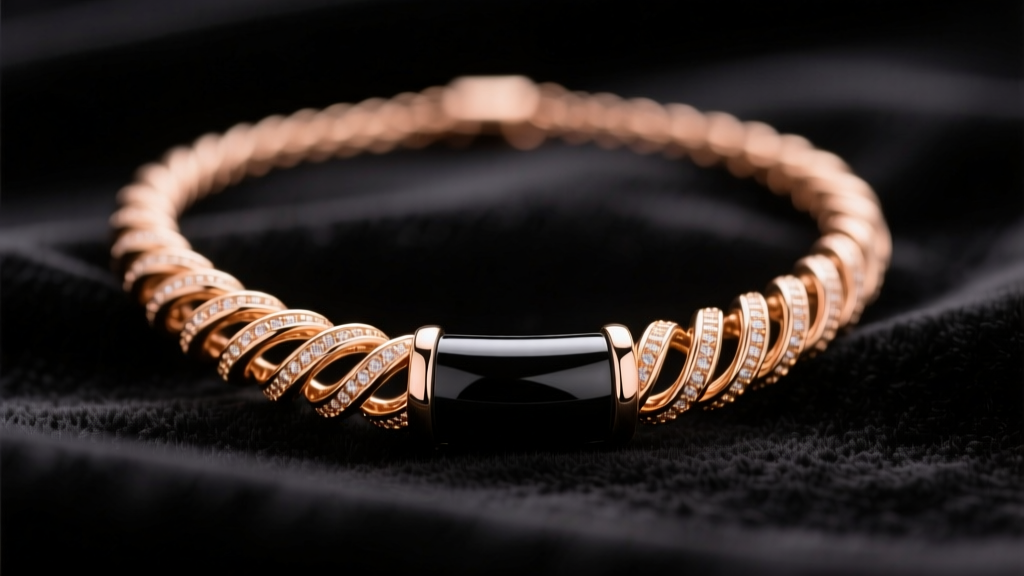
When evaluating luxury architectural jewelry, few pieces command the immediate recognition and structural intrigue of the bvlgari b zero necklace. Inspired by the sweeping curves of the Roman Colosseum, the B.zero1 collection utilizes a complex internal spring mechanism and the iconic Tubogas tubular banding. However, beyond its mechanical marvel lies a critical decision for collectors and daily wearers alike: the material composition. Bvlgari masterfully juxtaposes traditional 18-karat gold alloys with advanced high-tech ceramics. Understanding the metallurgical and material science behind these components is essential for making an informed purchase, predicting long-term wear patterns, and maintaining the piece's structural integrity.
The Metallurgy of Bvlgari’s 18k Gold Alloys
Pure gold (24k) is far too malleable for the structural demands of the B.zero1's spring-loaded core and outer coils. Therefore, Bvlgari utilizes 18k gold, stamped with the '750' hallmark, indicating 75% pure gold and 25% alloying metals. The specific alloy composition drastically alters the metal's color, tensile strength, and long-term patina.
Rose Gold: Copper Content and Oxidation
Bvlgari’s 18k rose gold achieves its signature warm, pinkish hue through a high copper content—typically around 22.25% copper and 2.75% silver. While copper increases the alloy's overall hardness and tensile strength compared to yellow gold, it also introduces a vulnerability to surface oxidation. Over decades of wear, exposure to skin acidity and environmental sulfur can cause rose gold to develop a slightly darker, richer patina. This is not a defect, but a natural metallurgical reaction that many vintage collectors prize.
Yellow Gold: The Classic Balance
The 18k yellow gold variant balances the remaining 25% with equal parts silver and copper. This creates a highly stable alloy that resists tarnishing and maintains its bright, warm luster indefinitely. Yellow gold is softer than rose gold on the Vickers hardness scale, meaning it is more susceptible to micro-scratches from daily friction against clothing or other jewelry.
White Gold: Rhodium Depletion on Tubogas Coils
To achieve a silvery-white appearance, the gold is alloyed with palladium or nickel. Because 18k white gold naturally retains a faint yellowish-gray undertone, it is electroplated with a microscopic layer of rhodium. According to the Gemological Institute of America (GIA), rhodium provides a brilliant white finish but wears away over time. On a bvlgari b zero necklace, the high-friction areas between the Tubogas coils and the central band experience the most contact, meaning white gold models may require professional re-rhodium plating every 3 to 5 years to maintain their uniform color.
High-Tech Ceramic: The Scratch-Resistant Core
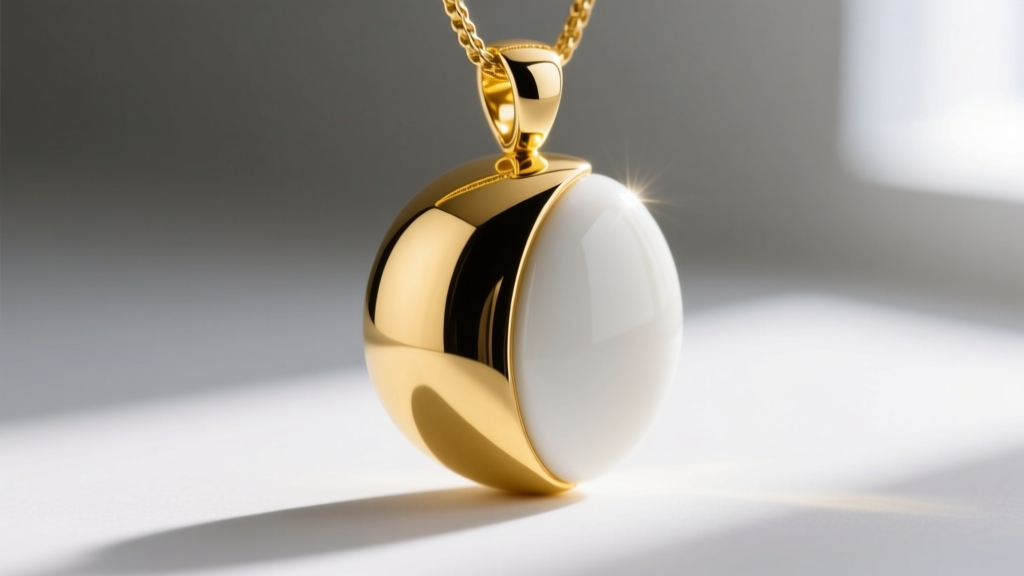
In the late 2000s, Bvlgari revolutionized the B.zero1 line by introducing high-tech ceramic inserts, expanding the design's visual weight and color palette. The ceramic used in luxury jewelry is not traditional fired clay; it is an advanced technical ceramic, primarily composed of zirconium dioxide (ZrO2) stabilized with yttrium oxide.
This material is formed through a process called sintering, where zirconia powder is subjected to extreme heat and pressure, resulting in a dense, non-porous structure. The resulting material boasts a Mohs hardness rating of approximately 8.5. To put this in perspective, a steel knife sits at 5.5, and sapphire crystal sits at 9. This means the ceramic core of the necklace is virtually impervious to scratching from everyday metals, keys, or accidental abrasions against stone surfaces.
Furthermore, the color of the ceramic—whether deep black, pure white, or vibrant green—is not a surface coating. The pigmentation is integrated into the zirconia powder before sintering, ensuring that the color remains completely uniform throughout the entire depth of the material, even if subjected to extreme, albeit unlikely, surface damage.
Material Comparison Matrix
To objectively compare the material options available in the B.zero1 lineup, we must look at specific physical properties that dictate daily wearability.
| Material | Mohs Hardness | Vickers Hardness (HV) | Impact Resistance | Primary Maintenance |
|---|---|---|---|---|
| 18k Yellow Gold | 2.5 - 3.0 | ~140 HV | High (Malleable) | Occasional polishing |
| 18k Rose Gold | 2.8 - 3.2 | ~160 HV | High (Malleable) | Monitor for oxidation |
| 18k White Gold | 2.5 - 3.0 | ~135 HV | High (Malleable) | Rhodium replating |
| High-Tech Ceramic | 8.5 | ~1200 HV | Low (Brittle) | Wipe with damp cloth |
Real-World Failure Modes and Wear Patterns
While the bvlgari b zero necklace is engineered for durability, the juxtaposition of soft gold and hard ceramic creates unique failure modes that owners must understand.
The Ceramic Shatter Risk
High-tech ceramic's greatest strength—its extreme hardness—is also its primary weakness. Materials with high Mohs ratings lack malleability. If a ceramic-insert B.zero1 necklace is dropped from chest height onto a hard, unyielding surface like marble or porcelain tile, the kinetic energy cannot be absorbed through deformation (as it would with gold). Instead, the energy transfers through the crystal lattice, potentially causing micro-fractures or outright shattering. Replacement of a shattered ceramic core requires sending the piece back to Bvlgari for a complete factory rebuild, which can be costly and time-consuming.
Gold Micro-Abrasions and the Patina Debate
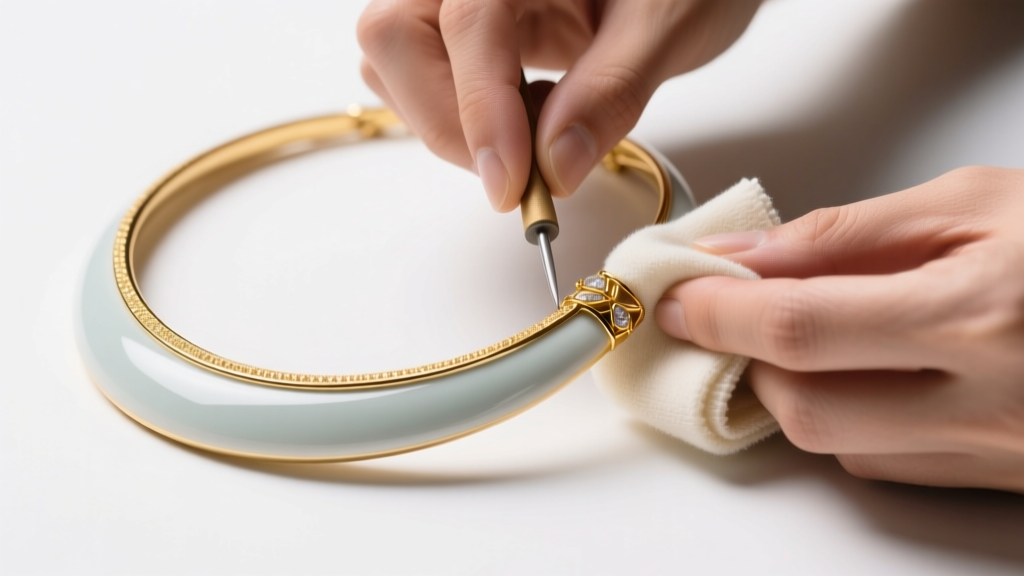
The solid gold variants, particularly the multi-band 4-band and 5-band models, feature exposed gold surfaces that act as a canvas for daily life. Over years of continuous wear, the polished finish will inevitably transition to a satin-like patina due to thousands of micro-scratches. While Bvlgari's official care guidelines recommend professional polishing to restore the mirror finish, seasoned collectors often advise against frequent polishing. Each polishing session removes a microscopic layer of gold, which, over decades, can slightly soften the sharp, architectural edges of the Colosseum-inspired engraving.
Secondary Market Value and Pricing Tiers
When analyzing the 2026 luxury resale market, material composition plays a distinct role in value retention. Historically, full 18k gold models (especially the heavier 4-band and 5-band iterations) command a higher initial retail price due to the intrinsic commodity value of the precious metal. However, ceramic-insert models often present a more accessible entry point into the brand, retailing at a 15% to 25% discount compared to their full-gold counterparts.
On the secondary market, full gold pieces tend to track closer to the fluctuating spot price of gold, providing a soft 'floor' for their resale value. Ceramic models, conversely, rely entirely on brand desirability and condition. A ceramic B.zero1 with a flawless core and pristine gold edges will retain excellent value, but any visible chipping on the ceramic will result in a disproportionate drop in resale price due to the high cost of factory repair.
Final Verdict: Choosing Your Material
Selecting the right bvlgari b zero necklace ultimately depends on your lifestyle and maintenance preferences. If you work in a hands-on environment or frequently travel, the full 18k yellow or rose gold models offer the peace of mind that comes with a malleable metal that can be easily buffed and restored if dented or scratched. Conversely, if you prioritize a pristine, scratch-free surface and are willing to exercise caution against blunt-force impacts, the high-tech ceramic variants offer a striking, modern aesthetic that will look exactly as vibrant in twenty years as it does on the day of purchase.


