Carat Gold Necklace Troubleshooting: Purity, Tarnish, and Breakage
Troubleshoot your carat gold necklace with expert fixes for tarnish, chain breakage, and purity confusion. Learn hallmark decoding and repair costs.

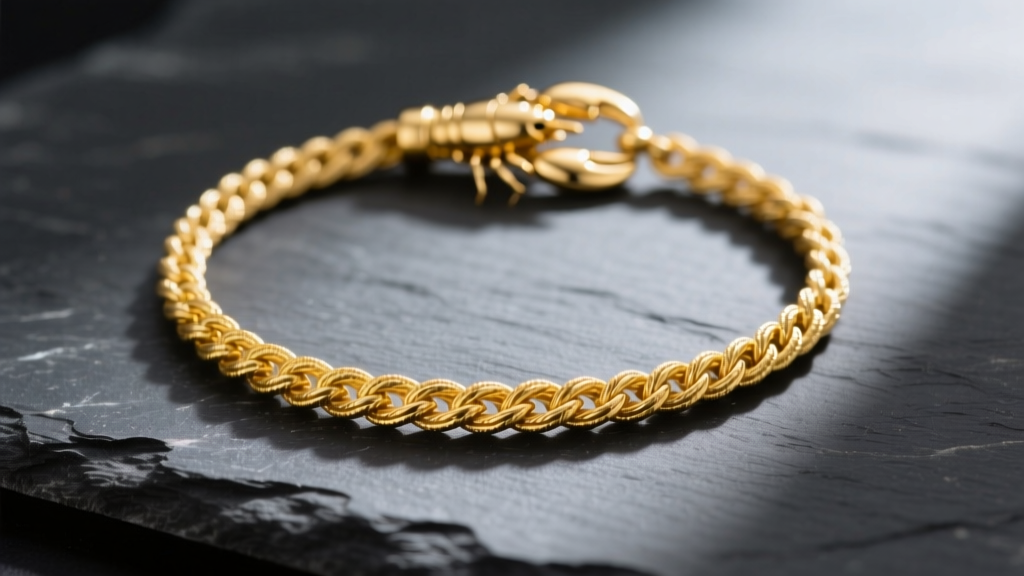
Owning a fine piece of jewelry is an investment in both style and sentiment, but it is not without its maintenance hurdles. If you have recently searched for solutions regarding a carat gold necklace, you are likely dealing with one of three common issues: confusion over gold purity markings, unexpected tarnishing, or mechanical chain failure. Troubleshooting these problems requires a precise understanding of metallurgy, jewelry construction, and gemological terminology.
In this comprehensive diagnostic guide, we will decode the terminology traps that confuse buyers, identify the chemical culprits behind gold discoloration, and provide actionable mechanical fixes for failing clasps and broken links. Whether your necklace is a delicate 9ct cable chain or a heavy 22ct rope chain, these expert-level troubleshooting protocols will help you restore your piece to its original condition.
The Terminology Trap: Purity vs. Gemstone Weight
The most frequent point of confusion in jewelry troubleshooting stems from the word "carat." In the United States, karat (abbreviated as k or kt) measures gold purity, while carat (abbreviated as ct) measures gemstone weight. However, in the UK, Australia, India, and many Commonwealth nations, "carat" (ct) is the standard spelling for gold purity. Therefore, a "18ct gold necklace" refers to the metal's purity (75% gold), whereas a "1-carat gold necklace" might imply a gold chain featuring a 1.00-carat diamond pendant.
Before attempting any chemical cleaning or physical repair, you must accurately diagnose the metal's composition. Misidentifying gold-plated brass as solid 9ct gold, for example, will result in catastrophic damage if you use harsh ultrasonic cleaners or abrasive polishing cloths. According to the Gemological Institute of America (GIA), authentic gold purity is verified through specific hallmarks stamped near the clasp.
Decoding International Hallmarks
- 9ct (375): 37.5% pure gold. Highly durable but prone to tarnishing due to high copper/zinc alloy content.
- 14k / 14ct (585): 58.3% pure gold. The industry standard for everyday durability and moderate tarnish resistance.
- 18k / 18ct (750): 75% pure gold. Rich color, highly hypoallergenic, but softer and more prone to stretching.
- 22k / 22ct (916): 91.6% pure gold. Extremely soft; rarely used for intricate chain weaves due to structural weakness.
If your necklace lacks a hallmark or exhibits magnetic properties, it is likely gold-plated or gold-filled. The Federal Trade Commission (FTC) strictly regulates these markings, so an unmarked piece claiming to be solid gold should be tested with an electronic gold verifier or nitric acid assay by a professional.
Diagnosing Tarnish and Discoloration on Solid Gold
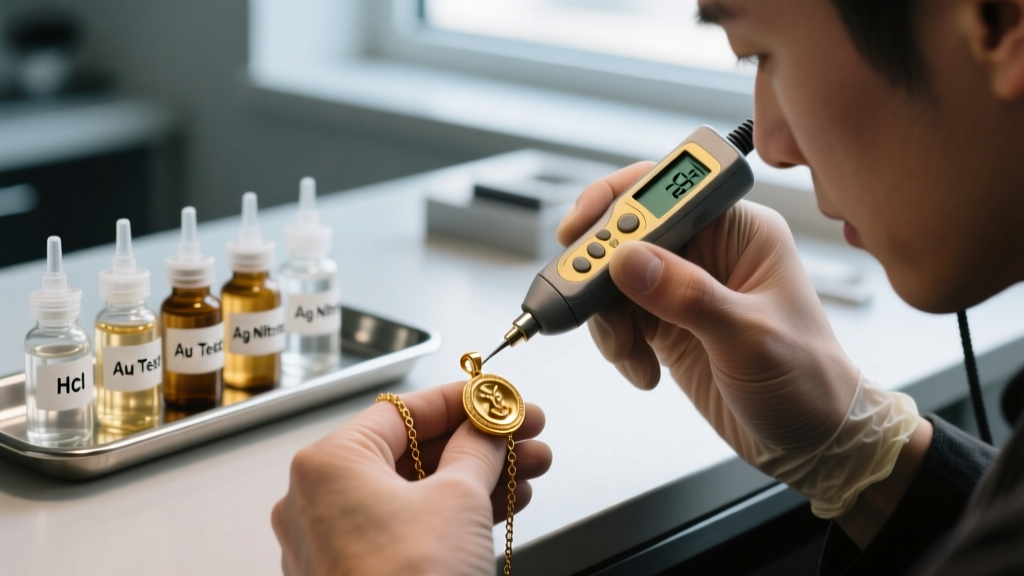
A common misconception is that all gold tarnishes. Pure 24k gold is entirely inert and will never oxidize. However, because a carat gold necklace (specifically 9ct, 14k, or 18k) is an alloy mixed with metals like copper, silver, nickel, and zinc to increase tensile strength, these secondary metals are highly reactive. If your necklace has developed a dark, dull film or is leaving green/black marks on your skin, you are witnessing alloy oxidation, not the gold itself degrading.
The Chemical Culprits
Copper reacts with oxygen and moisture to form copper chloride, which manifests as a green residue on the skin. Silver alloys react with sulfur compounds in the air (and in everyday items like eggs, rubber, and wool) to form silver sulfide, creating a black tarnish on the chain links. Furthermore, everyday cosmetics, perfumes, and lotions contain emulsifiers and alcohols that accelerate this microscopic corrosion.
The Safe Cleaning Protocol
To safely remove tarnish from a solid carat gold necklace without scratching the metal or damaging any gemstone settings, follow this precise methodology:
- Prepare a Surfactant Bath: Mix three drops of mild, phosphate-free dish soap (like Dawn) into a bowl of lukewarm distilled water. Avoid tap water, as chlorine can react with the alloys.
- Soak and Agitate: Submerge the necklace for exactly 15 minutes. Gently agitate the water to force the solution into the crevices of the chain weave.
- Microfiber Detailing: Use a baby-soft toothbrush or a lint-free microfiber cloth to gently wipe the links. Never use stiff bristles, which will leave micro-scratches on 18ct and 22ct gold.
- Thorough Drying: Pat dry with a clean cotton towel and use a hairdryer on the "cool" setting to evaporate trapped moisture inside the jump rings.
Never use commercial silver dip or harsh chemical tarnish removers on a gold alloy. These solutions contain thiourea, which can strip the copper from the surface layer of the gold, leaving behind a porous, pinkish, and permanently damaged finish.
troubleshooting Gemstone Setting Failures
If your "carat gold necklace" refers to a gold chain holding a carat-weight gemstone pendant, the troubleshooting focus must shift to the setting mechanics. The most common failure mode for diamond and sapphire pendants is prong degradation. Over time, the friction of clothing and the impact of daily wear cause the precious metal prongs to thin, bend, or snap.
Inspect the pendant under a 10x jeweler's loupe. Look for the following warning signs:
- Light Leaks: If you can see a gap between the gemstone's girdle and the metal seat, the stone is loose and at immediate risk of falling out.
- Flattened Prong Tips: The tiny bead of metal resting on the crown of the gemstone should be rounded. If it is flat or snagging on fabric, it needs immediate re-tipping.
- Bezel Gaps: For bezel-set pendants, ensure the metal rim is flush against the stone's edge with no visible lifting.
If you detect any movement or rattling when you gently tap the pendant, stop wearing the necklace immediately. Place it in a soft pouch and take it to a bench jeweler for a prong re-tightening or laser welding repair.
Mechanical Chain Failures and Clasp Diagnostics
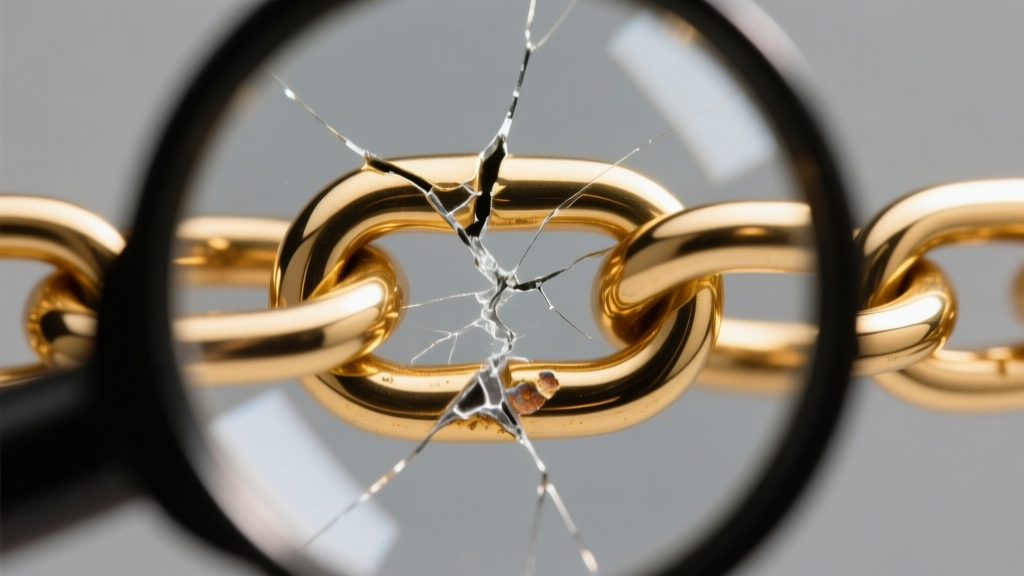
Chain breakage is the most physically destructive issue a carat gold necklace can face. The structural integrity of a chain depends on its weave pattern, the gauge of the wire, and the soldering of the jump rings. Understanding where and why chains break is critical for both prevention and repair.
Identifying Weak Points by Chain Style
| Chain Style | Common Failure Mode | Troubleshooting & Prevention |
|---|---|---|
| Cable / Link | Jump rings pull apart at the unsoldered seam. | Have a jeweler laser-solder all jump rings. Avoid pulling the chain taut. |
| Rope | Links unravel and kink when snagged. | Store flat or hanging. Never attempt to untwist a kinked rope chain with pliers; it will snap. |
| Curb / Cuban | Links stretch and thin out under heavy pendant weight. | Match the chain gauge to the pendant. A 10g pendant requires at least a 2.5mm curb chain. |
| Box | Internal hinges crush, causing stiff, broken segments. | Avoid sleeping in box chains. Crushing damage usually requires complete segment replacement. |
The Lobster Clasp Spring Failure
If your necklace frequently unfastens itself, the issue is rarely the clasp breaking, but rather the internal spring mechanism failing or the tiny lever bending. Salt from sweat and skin oils can calcify inside the clasp housing, preventing the trigger from fully closing. To troubleshoot this, apply a microscopic drop of synthetic watch oil to the clasp hinge and work the trigger back and forth. If the lever remains loose or fails to snap shut with an audible click, the clasp must be replaced. Upgrading to a heavier, solid-cast lobster clasp or a locking screw-clasp is highly recommended for heavy carat gold chains.
Professional Repair Costs and When to DIY
While basic cleaning and clasp oiling can be done at home, structural repairs on a carat gold necklace require professional bench jewelry tools. Attempting to solder gold with a standard hardware store soldering iron will result in melted links and ruined hallmarks. Jewelers use specialized laser welders or oxygen-acetylene micro-torches to fuse gold without overheating the surrounding links.
Here is a realistic pricing matrix for professional necklace repairs in 2026:
- Standard Solder (Single Link/Jump Ring): $35 - $60
- Laser Welding (For intricate ropes or hollow chains): $75 - $120
- Clasp Replacement (Including new 14k/18k lobster clasp): $50 - $150 (depending on gold weight)
- Prong Re-tipping (Per prong on pendant): $25 - $45
- Professional Ultrasonic & Steam Cleaning: $15 - $30 (Often complimentary with inspection)
By understanding the precise metallurgy and mechanical engineering behind your carat gold necklace, you can transition from reactive panic to proactive maintenance. Regular inspections, proper chemical avoidance, and timely professional interventions will ensure your gold jewelry remains structurally sound and visually brilliant for generations.


