Kate Spade Necklace Black: Enamel vs Onyx Materials
Discover the material properties behind every Kate Spade necklace black design. We compare enamel, onyx, and PVD coatings for durability.

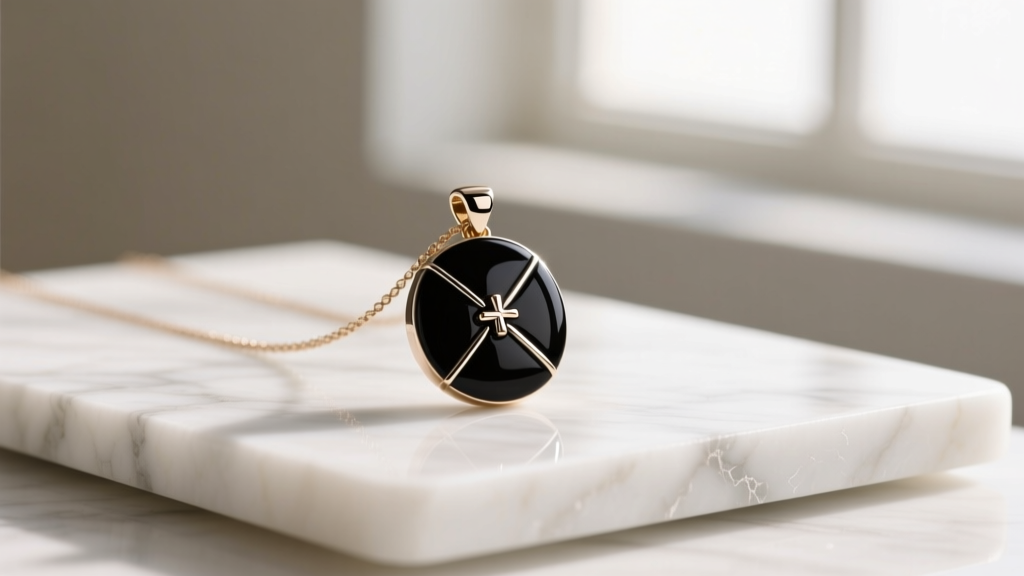
The Anatomy of a Kate Spade Black Necklace
When jewelry enthusiasts search for a kate spade necklace black design, they are usually drawn to the brand's iconic Heritage Spade motifs, initial pendants, or the classic charm necklaces. The signature black aesthetic is a cornerstone of the brand's bridge jewelry lineup, offering a versatile, high-contrast look that transitions seamlessly from office wear to evening attire. However, not all black finishes are created equal. Beneath the glossy surface lies a complex world of material science, ranging from poured epoxy resins to chemically treated gemstones and advanced vacuum-deposited metal coatings.
Understanding the specific material properties of these black finishes is crucial for making an informed purchase. A piece that relies on cold enamel will behave vastly differently under daily wear than one crafted from natural black onyx or coated in black PVD. In this comprehensive guide, we deconstruct the materials used in black necklaces, evaluating their hardness, failure modes, and long-term durability to help you choose the right piece for your lifestyle.
Black Enamel: The Signature Resin Finish
The vast majority of black pendant necklaces in the fashion and bridge jewelry market utilize a technique known as cold enameling. Unlike traditional vitreous enamel, which requires fusing powdered glass to metal at temperatures exceeding 1,400°F, cold enamel is actually a two-part epoxy resin. The resin and a chemical hardener are mixed, tinted with black pigment, and carefully poured into stamped cavities on a brass or sterling silver base.
Composition, Curing, and Hardness
Once poured, the epoxy undergoes an exothermic curing process. As of 2026, modern jewelry-grade epoxies are formulated with UV inhibitors to prevent the resin from yellowing or becoming brittle over time. However, epoxy resin is relatively soft. On the Mohs scale of mineral hardness, cured epoxy sits at approximately 2.5 to 3.0. This means it can be easily scratched by everyday materials like quartz dust (Mohs 7) found in the environment, or even by the edge of a ceramic coffee mug.

Failure Modes: Chipping and Pop-Outs
The most common failure mode for black enamel jewelry is impact chipping. Because the resin is merely glued to the metal base via a mechanical bond, a sharp drop onto a hard surface like a bathroom tile floor can cause the enamel to fracture or 'pop out' entirely. Furthermore, extreme temperature fluctuations—such as wearing the necklace in a hot sauna and then jumping into a cold pool—can cause the metal base and the resin to expand and contract at different rates, breaking the adhesive bond and leading to micro-cracking.
Black Onyx: The Natural Stone Alternative
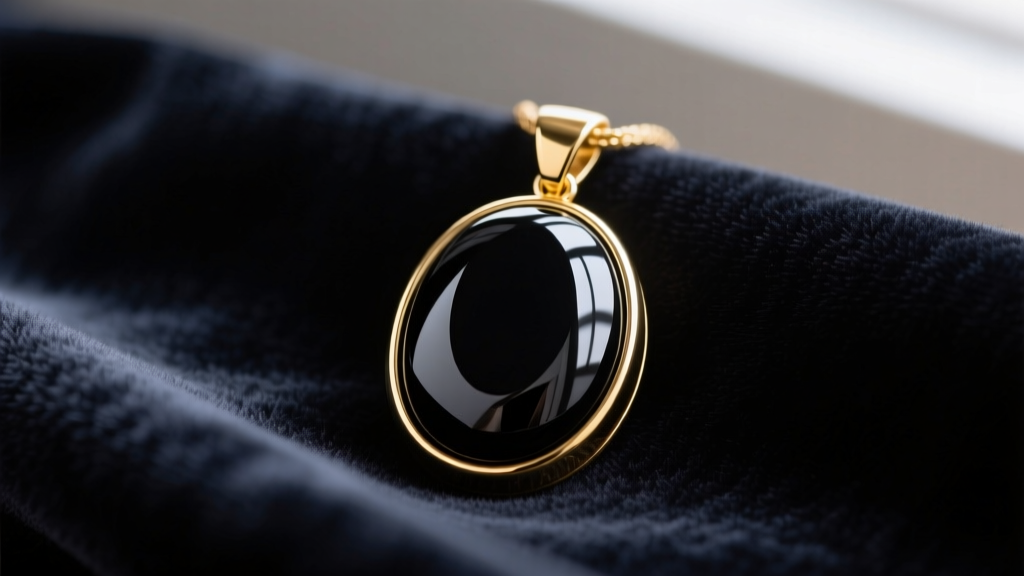
For those seeking a more premium, gemstone-based alternative to resin, black onyx is a frequent choice in elevated pendant designs. According to the Gemological Institute of America (GIA), onyx is a variety of chalcedony, which is a microcrystalline form of quartz. It possesses a Mohs hardness of 6.5 to 7, making it significantly more scratch-resistant than epoxy enamel.
The Reality of Dyed Agate
It is a closely guarded secret in the gemological world that naturally occurring, uniformly black onyx is exceedingly rare. Almost all commercial black onyx used in jewelry is actually gray or white agate that has been artificially dyed. The traditional dyeing process involves soaking the porous agate in a hot sugar solution for several weeks, followed by boiling it in concentrated sulfuric acid. The acid dehydrates the sugar, leaving behind black carbon deposits deep within the stone's microscopic pores.
While this process results in a beautiful, deep black stone with a high polish, the carbon deposits can be vulnerable to harsh chemicals. Prolonged exposure to bleach, ammonia, or even highly acidic skincare products can slowly leach the carbon from the stone, causing the onyx to fade to a muddy gray or develop uneven patching over years of wear.
Black Rhodium and PVD: The Metal Finishes
When the black element of the necklace is the metal itself—such as a black chain or a solid black metal pendant—manufacturers typically rely on one of two surface treatments: black rhodium electroplating or Physical Vapor Deposition (PVD).
Black Rhodium Electroplating
Black rhodium is created by alloying standard rhodium with dark metals like ruthenium or specialized organic compounds during the electroplating process. While it offers a stunning, dark, mirror-like finish, it is notoriously fragile. The plating layer is usually less than 0.1 microns thick. Because it is applied to the exterior of the jewelry, it is subject to constant friction against the skin and clothing. It is common for black rhodium chains to wear down to the base metal (usually brass or silver) within six to twelve months of daily wear, particularly at the clasp and the back of the neck.
PVD (Physical Vapor Deposition) Coatings
To combat the poor wear-resistance of black rhodium, modern jewelry manufacturers have increasingly adopted PVD coatings. PVD involves placing the jewelry in a vacuum chamber, vaporizing a target material (like titanium or zirconium), and introducing a reactive gas to form a microscopically thin, incredibly hard ceramic layer (such as Titanium Carbonitride, or TiCN) on the metal's surface. PVD coatings are typically 0.3 to 0.5 microns thick and boast a surface hardness exceeding Mohs 8. A black PVD-coated chain will retain its color and resist scratching for years, making it the superior choice for hardware and chains.
Material Comparison Matrix
To help you evaluate your options, we have compiled a technical comparison of the primary black materials used in pendant necklaces.
| Material | Mohs Hardness | Base / Composition | Primary Failure Mode | Estimated Price Range |
|---|---|---|---|---|
| Cold Enamel (Epoxy) | 2.5 - 3.0 | Poured Resin over Brass | Impact chipping, pop-outs | $40 - $85 |
| Black Onyx | 6.5 - 7.0 | Dyed Chalcedony (Agate) | Chemical fading, thermal shock | $70 - $130 |
| Black Rhodium | 4.5 - 5.0 | Electroplated Alloy | Friction wear, rubbing off | $60 - $110 |
| Black PVD | 8.0+ | TiCN Ceramic Vapor Coat | Extreme abrasion, deep gouges | $80 - $150 |
Care and Maintenance Protocols
Proper care is highly dependent on the specific material of your black necklace. The Jewelers of America strongly advises against using ultrasonic cleaners for porous or treated gemstones. The high-frequency cavitation bubbles generated by ultrasonic machines can easily fracture black onyx along its internal dyed lines or cause micro-fissures in cold enamel.
Expert Maintenance Tip: Never spray perfume, hairspray, or alcohol-based sanitizers directly onto a black epoxy enamel or dyed onyx pendant. The solvents in these products can degrade the chemical bonds in the resin and strip the carbon dye from the stone. Always apply your cosmetics first, wait for them to dry, and put your necklace on last.
For routine cleaning, use a lint-free microfiber cloth. If the piece requires deeper cleaning, a drop of mild, phosphate-free dish soap diluted in lukewarm water applied with a soft baby toothbrush is the safest method for all black materials. Avoid hot water, as thermal shock is the enemy of both poured resins and treated chalcedony.
Final Verdict: Choosing Your Black Pendant
Selecting the right kate spade necklace black design ultimately comes down to your personal wear habits. If you prefer a lightweight, highly graphic pendant and are careful with your jewelry, a black enamel piece offers excellent visual impact at an accessible price point. If you desire a luxurious, heavy gemstone with deep luster and are mindful of chemical exposure, black onyx is the superior choice. Finally, if you are investing in a black chain or hardware-heavy piece, always verify that the manufacturer utilizes PVD coating rather than black rhodium to ensure your necklace survives the rigors of daily wear without fading.


