How to Make Candy Necklaces for Graduation: A DIY Guide
Learn how to make candy necklaces for graduation with our expert buying guide. Discover food-safe strings, best candies, and school-color styling tips.

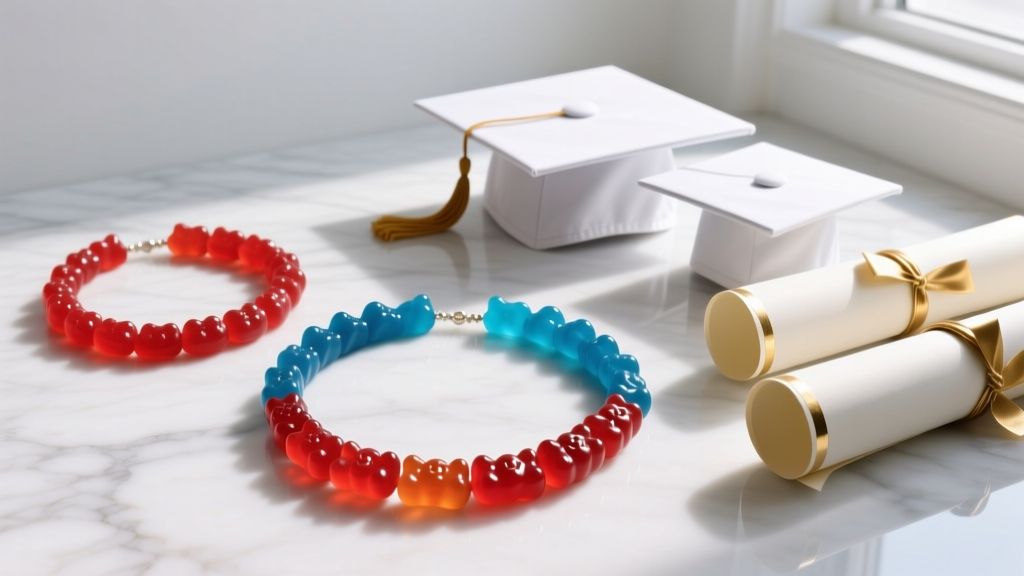
The Rise of Edible Graduation Jewelry
When planning graduation party favors for the class of 2026, standard goodie bags are being replaced by interactive, customizable edible jewelry. Learning how to make candy necklaces for graduation is no longer just a children's craft; it has evolved into a niche culinary art form requiring an understanding of material science, structural integrity, and food safety. At Jewel Style Radar, we approach edible novelty jewelry with the same rigorous material standards we apply to fine pendants and chain necklaces. This comprehensive buying guide will walk you through exactly what to look for when sourcing food-safe stringing materials, structurally sound confections, and professional-grade assembly tools to create graduation candy necklaces that are as durable as they are delicious.
Essential Materials: What to Buy for Food-Safe Stringing
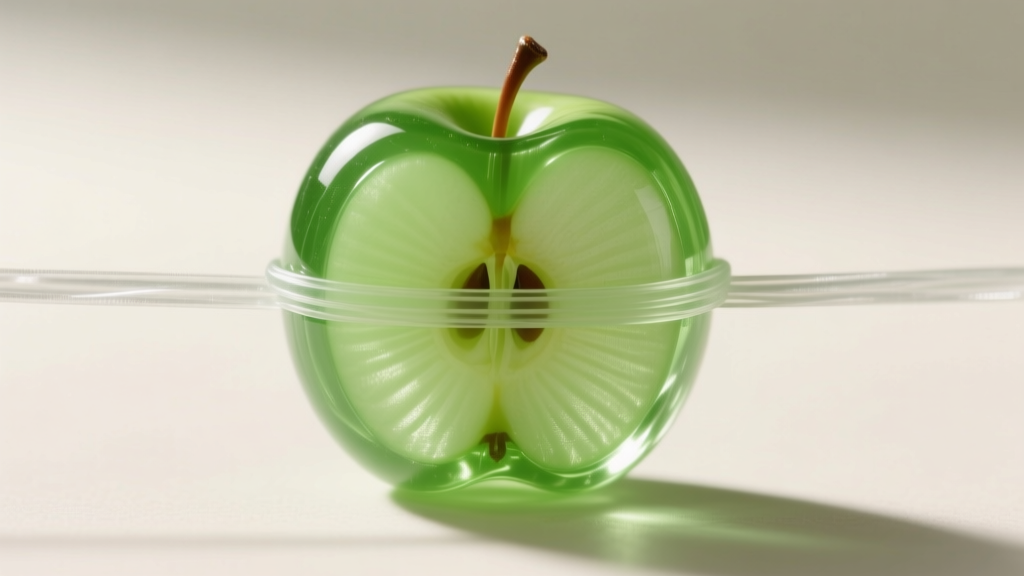
The most critical failure point in any candy necklace is the stringing material. Standard jewelry elastics, such as polyurethane-based Stretch Magic, are not manufactured in FDA-compliant facilities and should never be used for items intended for oral consumption. When shopping for your base cord, you must prioritize food-contact safety and tensile strength.
Comparing Stringing Materials
| Material Type | Diameter | Pros | Cons | Best Candy Pairing |
|---|---|---|---|---|
| Food-Grade Silicone Cord | 1.5mm - 2.0mm | Hypoallergenic, highly elastic, FDA-compliant | Can stretch out over time if heavily weighted | Large gummy bears, marshmallows |
| Licorice Laces | 3.0mm (Standard) | Fully edible, classic aesthetic, no knotting required | Prone to snapping, sticky in high humidity | Cereal loops, hard candy with large holes |
| Nylon Braided Cord (Food-Safe) | 1.0mm | High tensile strength, zero stretch, excellent knot retention | Not elastic, requires precise sizing and clasp | Heavy rock candy, dense hard candies |
For graduation necklaces, we highly recommend purchasing 1.5mm food-grade silicone cord from specialized culinary suppliers. It provides the stretch needed to slip over the head without a clasp while maintaining strict food safety standards.
Selecting the Right Candy: Structural Integrity & School Colors
Not all candies are engineered to be worn. High moisture content, extreme brittleness, or uneven weight distribution will ruin a necklace before the graduation ceremony ends. When buying candy in bulk, evaluate the structural integrity and colorfastness of the confections.
- Gummy Bears & Worms (High Pectin): Look for gummies with a high pectin or gelatin concentration. Brands like Albanese or Haribo offer dense, tear-resistant gummies that hold up well to piercing. Avoid sour-sugar-coated gummies, as the citric acid degrades the stringing material and creates a messy, sticky necklace.
- Hard Candies (Life Savers, Jolly Ranchers): Pre-drilled hard candies are essential. Attempting to drill standard hard candy at home often results in micro-fractures and shattering. If you must use solid hard candies, purchase a diamond-tipped micro-drill bit (1.5mm) and use a low-speed rotary tool with constant water lubrication to prevent melting.
- Freeze-Dried Candies: A massive trend for 2026 graduation parties is freeze-dried candy. While visually striking and lightweight, freeze-dried gummies are highly hygroscopic (they absorb moisture from the air). If you use these, they must be assembled in a low-humidity environment and sealed in airtight packaging immediately.
To match specific school colors, avoid using artificial liquid food coloring on finished candies, which causes weeping and stickiness. Instead, source custom-dyed candy melts or naturally colored confections from specialized bulk suppliers like Candy Warehouse.
Step-by-Step Assembly & Pro Troubleshooting
Assembling a candy necklace requires a delicate touch to prevent tearing the medium. Follow this professional workflow to ensure structural longevity:
- Temperature Control: Place your gummy candies in the freezer for exactly 15 to 20 minutes at 0°F (-18°C). This temporarily increases their tensile strength and prevents the elastic cord from tearing through the gummy during threading.
- Piercing Technique: Use a 1.5mm stainless steel awl or a blunt-tipped tapestry needle. Never use a sharp sewing needle, as it will slice the internal gelatin matrix rather than cleanly parting it.
- Weight Distribution: Alternate heavy candies (like chocolate-covered cherries or large gummies) with lightweight spacer beads (like cereal loops or mini marshmallows) to prevent the cord from sagging and stretching unevenly.
- The Surgeon's Knot: To finish the necklace, tie a double surgeon's knot. Standard square knots will slip on silicone cord. After tying, trim the tails to 2mm and tuck the knot inside the hole of the final, largest gummy bear to hide it completely.
Expert Tip: Never use cyanoacrylate (Super Glue) to seal your knots on edible jewelry. If you need to secure a knot, apply a microscopic drop of melted, food-safe beeswax using a toothpick. This locks the knot in place while remaining 100% non-toxic.

Cost Breakdown & Bulk Buying Sourcing
Creating high-quality candy necklaces at scale for a graduation party of 50+ guests requires strategic bulk purchasing. Below is an estimated cost breakdown for sourcing premium, food-safe materials for 50 necklaces (assuming 18-inch lengths).
| Item | Quantity Needed | Estimated Cost | Sourcing Tip |
|---|---|---|---|
| 1.5mm Food-Grade Silicone Cord | 100 feet (on a spool) | $14.00 - $18.00 | Buy from culinary supply stores, not craft aisles |
| Premium Gummy Bears (School Colors) | 5 lbs bulk bag | $22.00 - $28.00 | Look for 'no-starch' dusted options |
| Hard Candy Spacers (e.g., Life Savers) | 3 lbs bulk bag | $12.00 - $15.00 | Check expiration dates on bulk closeouts |
| Food-Safe Beeswax (for knot sealing) | 1 oz block | $5.00 - $8.00 | Ensure it is 100% pure, unbleached beeswax |
| Stainless Steel Awl (1.5mm) | 1 tool | $6.00 - $10.00 | Sanitize with 70% isopropyl alcohol before use |
Total Estimated Cost: $59.00 - $79.00 for 50 necklaces, averaging roughly $1.18 to $1.58 per premium, custom-colored edible necklace.
Food Safety & Storage Best Practices
Because these necklaces are handled extensively and worn against the skin, hygiene and storage are paramount. According to the U.S. Food and Drug Administration (FDA), any material that comes into direct, prolonged contact with food must be classified as a safe Food Contact Substance (FCS). This is why standard jewelry findings and craft-store elastics are strictly prohibited.
Furthermore, the National Confectioners Association notes that temperature fluctuations can cause 'sugar bloom' on hard candies and 'sweating' on gummies. To maintain the aesthetic and structural integrity of your graduation candy necklaces:
- Always assemble the necklaces while wearing powder-free nitrile gloves to prevent transferring skin oils and bacteria to the candy.
- Store the finished necklaces in individual, food-grade cellophane bags with a small, food-safe silica gel desiccant packet to control humidity.
- Keep the packaged necklaces in a cool, dark environment (ideally between 60°F and 65°F) until the moment they are distributed to guests. Avoid refrigeration, as the condensation formed upon removal will instantly dissolve the exterior of gummy candies and ruin the visual appeal.
By treating the creation of candy necklaces with the same precision, material awareness, and safety standards as traditional jewelry making, you can provide graduation guests with a memorable, high-quality, and entirely edible accessory that perfectly captures the celebratory spirit of the occasion.


