Care Guide: White Crystal Necklace Brown Strong Cord
Learn expert care and cleaning tips for your white crystal necklace brown strong cord. Discover material-specific maintenance and washing methods.

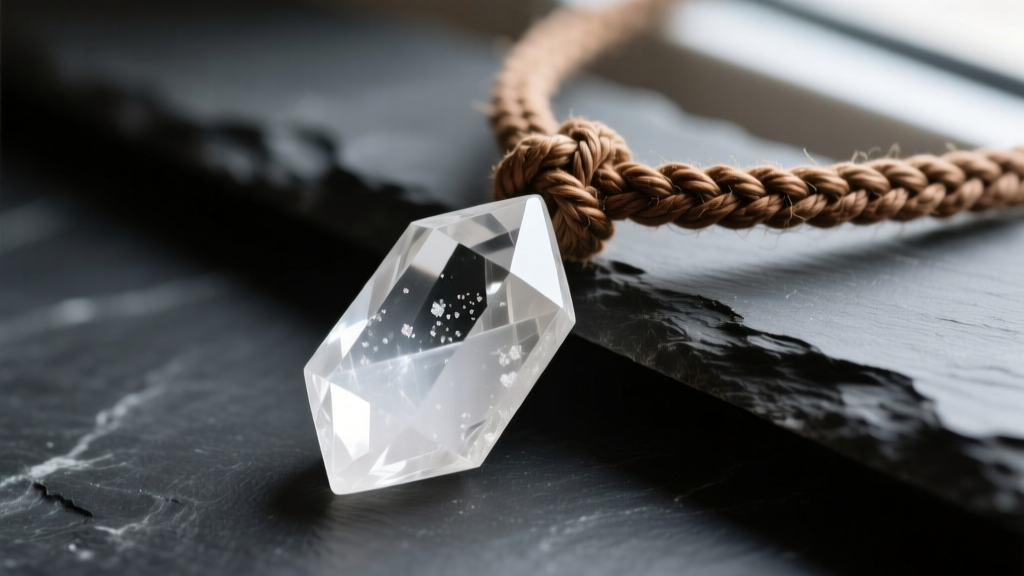
Maintaining a white crystal necklace brown strong cord assembly requires a bifurcated approach to jewelry care. The juxtaposition of a delicate, often porous or water-sensitive white crystal (such as selenite, howlite, or clear quartz) against a rugged, durable brown cord (typically waxed cotton, leather, or hemp) creates a unique maintenance challenge. While the crystal demands gentle, non-abrasive polishing to maintain its optical clarity, the brown strong cord requires deep sanitation to remove sebum, dead skin cells, and environmental grime without stripping its protective waxes or natural oils.
In this comprehensive 2026 guide, we break down the exact chemical and mechanical protocols required to clean, condition, and store this specific necklace configuration, ensuring both the pendant and the cord retain their structural integrity and aesthetic appeal.
Identifying Your White Crystal and Cord Materials
Before applying any moisture or cleaning agents, you must accurately identify the specific mineral and cord material. The term 'white crystal' is frequently used in commercial jewelry to describe several vastly different minerals, each with unique vulnerabilities.
Crystal Hardness and Water Tolerance
- Clear Quartz (Mohs 7): Highly durable, water-safe, and resistant to mild acids. Can withstand ultrasonic cleaners, though manual cleaning is preferred when attached to organic cords.
- Selenite (Mohs 2): Extremely soft and water-soluble. Submerging selenite in water will cause it to dissolve, fray, and lose its polished finish. Must be dry-cleaned only.
- Howlite (Mohs 3.5): A porous, opaque white stone often dyed. It can absorb dirty water, leading to permanent gray or brown staining. Requires localized, minimal-moisture cleaning.
Brown Strong Cord Varieties
The 'brown strong' cord element usually refers to one of three high-tensile materials used in artisan jewelry:
- Waxed Cotton/Macrame: Treated with beeswax or paraffin for water resistance. Heat and alcohol-based cleaners will melt or strip the wax, leaving the cotton brittle.
- Braided Leather: Prone to drying out and cracking. Requires pH-balanced leather conditioners and must never be soaked.
- Hemp or Jute: Highly absorbent and prone to harboring bacteria and odors if not dried properly after exposure to sweat.
Step-by-Step Cleaning Protocol
According to gemological care standards outlined by the Gemological Institute of America (GIA), separating the cleaning process for the stone and the mounting is critical when organic or treated materials are involved. Never submerge the entire necklace.
Phase 1: Dry Dusting and Debris Removal
Use a clean, dry makeup brush or a soft-bristled bamboo toothbrush to gently dislodge dry particulate matter from the crystal's facets and the cord's braided knots. For intricate macrame knots, a wooden skewer can be carefully threaded through the gaps to push out trapped lint without snagging the fibers.
Phase 2: Localized Crystal Cleaning
For water-safe crystals like clear quartz, mix a few drops of pH-neutral liquid Castile soap (which typically sits at a safe 8.9 pH) with distilled water. Distilled water is crucial; tap water contains dissolved calcium and magnesium that will leave hard water spots on white crystals, creating a cloudy film. Dampen a microfiber cloth in the solution, wring it out until it is barely damp, and gently wipe the crystal. Avoid letting the moisture wick down into the cord's wrapping or bail.
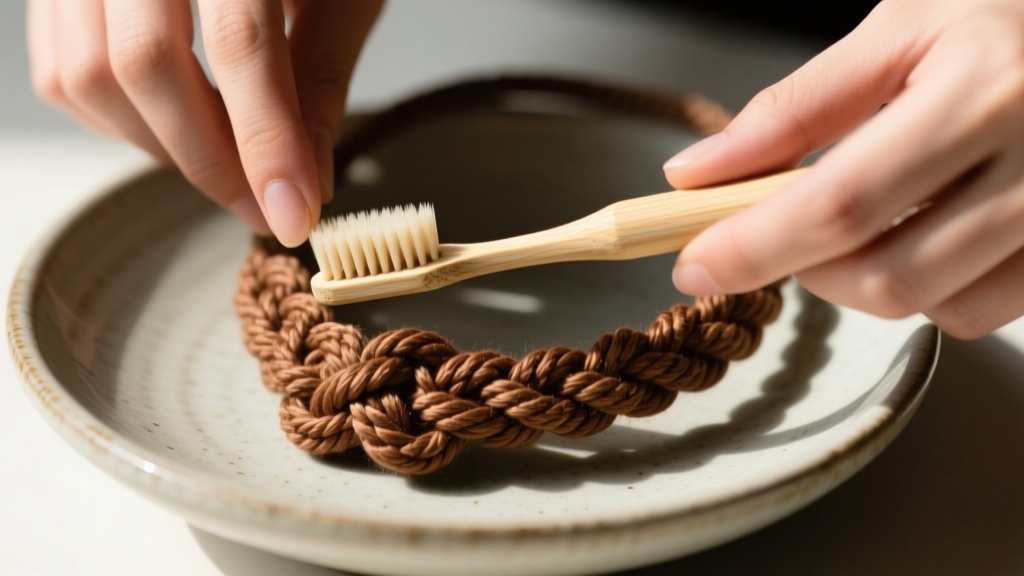
Phase 3: Sanitizing the Brown Strong Cord
Cords absorb body oils, perfumes, and sweat, which degrade the fibers over time. To clean a waxed cotton or leather cord without stripping it:
- Dampen a microfiber cloth with a 50/50 mix of distilled water and witch hazel (an alcohol-free astringent).
- Pinch the cord between the cloth and pull the cord through your fingers, applying gentle friction.
- Repeat this process along the entire length of the cord, rinsing the cloth frequently.
- For stubborn odors in hemp or cotton, lightly dust the cord with baking soda, let it sit in a sealed container for 24 hours to absorb the oils, and then brush it off completely.
Material Compatibility Matrix
Use the following table to determine the safe cleaning parameters for your specific necklace combination. Technical jewelry suppliers like Rio Grande emphasize that mismatching cleaning agents to material porosity is the leading cause of jewelry degradation.
| Material Component | Water Exposure | Safe Cleaning Agent | Agents to Avoid |
|---|---|---|---|
| Clear Quartz | Safe (Distilled) | Mild Castile Soap | Hydrofluoric acid |
| Selenite | Strictly Prohibited | Dry Microfiber Only | Water, Ultrasonic, Steam |
| Howlite | Minimal / Damp Cloth | Distilled Water | Colored soaps, acids |
| Waxed Cotton Cord | Avoid Soaking | Witch Hazel, Dry Brush | Alcohol, Hot Water, Bleach |
| Leather Cord | Strictly Prohibited | Leather Cleaner, Saddle Soap | Household degreasers |
Reconditioning and Drying Techniques
Cleaning a brown strong cord inevitably removes some of its factory-applied protective coatings. Reconditioning is mandatory to prevent fraying and snapping.
Re-waxing Cotton and Hemp
If your waxed cotton cord feels fuzzy, dry, or lacks its original sheen, it needs re-waxing. Apply a small amount of Otter Wax or pure, unbleached beeswax to your fingertips. Rub the wax vigorously into the cord; the friction will generate enough heat to melt the wax into the cotton fibers. Once coated, take a piece of smooth, unbleached parchment paper and pull the cord through it to buff off excess wax and seal the fibers.
Conditioning Leather
For brown strong leather cords, apply a single drop of Lexol or Bick 4 leather conditioner to a soft cloth and massage it into the leather. Allow it to absorb for 15 minutes, then buff away any residue. Never use olive oil or coconut oil, as these will eventually go rancid and degrade the leather's structural proteins.
The Drying Process
Never use a hairdryer or place the necklace near a radiator. Heat will warp the crystal's setting (especially if glued) and melt the cord's wax. Lay the necklace flat on a dry towel in a well-ventilated room, reshaping the cord into its natural curve to prevent stiff kinks from forming as it dries.
Long-Term Storage and UV Protection
Proper storage is the final pillar of jewelry maintenance. White crystals and brown organic cords are both susceptible to environmental damage when left exposed.
- UV Degradation: Prolonged exposure to direct sunlight will cause brown leather and dyed hemp cords to fade and become brittle. Furthermore, certain white crystals (like white howlite or treated quartz) can yellow or develop micro-fractures under intense UV radiation.
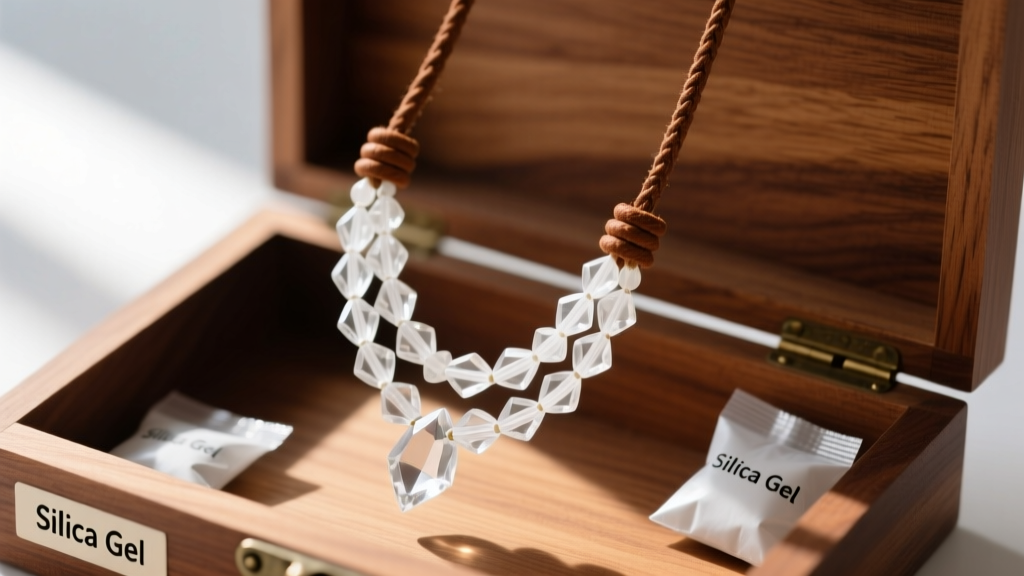
- Moisture Control: Store the necklace in a cedar-lined wooden box or an anti-tarnish pouch. Include a small silica gel packet to maintain a low-humidity environment, which prevents mold growth on organic cotton or hemp cords.
- Physical Protection: Always store the necklace flat or hung on a wide, padded hook. Hanging a heavy white crystal pendant on a thin nail can create a permanent stress point on the brown strong cord, eventually leading to tensile failure and a lost pendant.
By adhering to these material-specific protocols, your white crystal and brown cord necklace will remain a durable, striking staple in your collection for years to come.


