18 Inch vs 20 Inch Necklace: Care, Cleaning & Wear Guide
Discover how necklace length impacts wear and tear. Learn expert care, cleaning, and storage tips for your 18 inch vs 20 inch necklace styles.

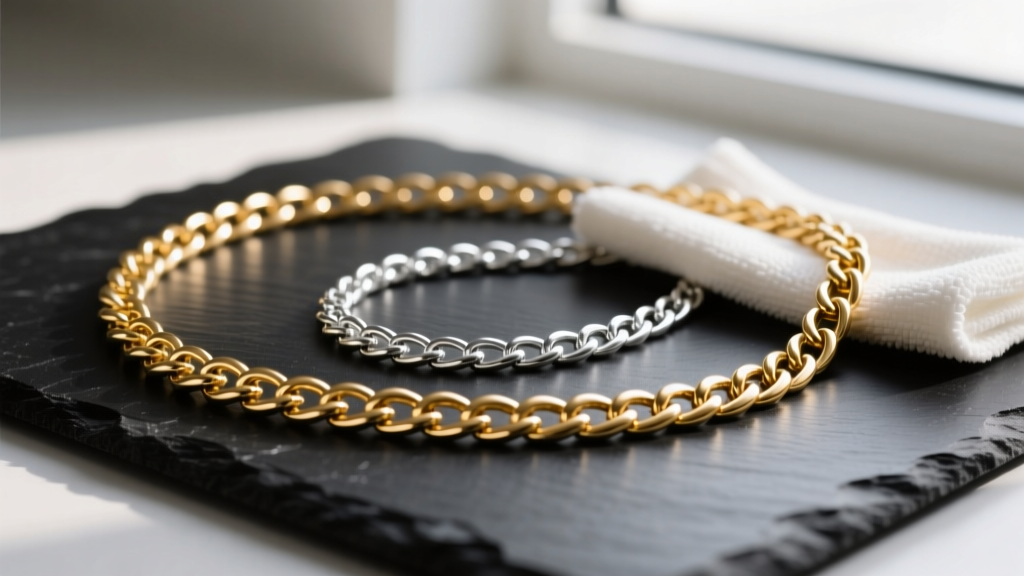
When jewelry enthusiasts debate the merits of an 18 inch vs 20 inch necklace, the conversation almost exclusively revolves around styling, necklines, and pendant placement. However, as a jewelry care specialist, I look at necklace length through a completely different lens: environmental exposure, mechanical stress, and degradation rates. The distance a chain drops from your nape fundamentally alters its 'micro-climate,' dictating how often it needs cleaning, how it should be stored, and where structural failures are most likely to occur.
In this comprehensive 2026 maintenance guide, we break down the exact care protocols required for 18-inch and 20-inch necklaces, ensuring your precious metals and gemstones maintain their structural integrity and brilliance for decades.
The Micro-Climate of Necklace Lengths
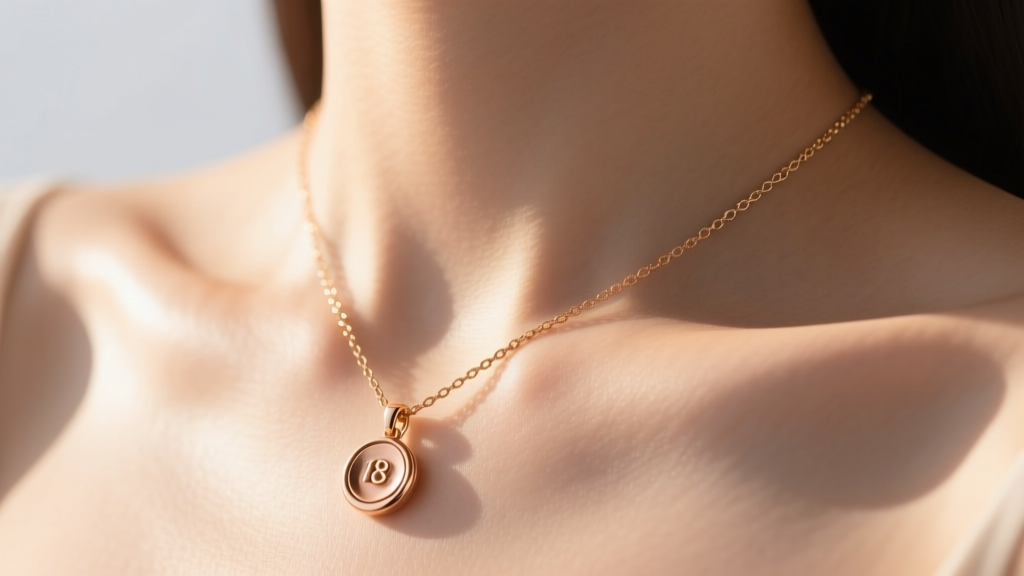
Human skin is not a uniform surface; it is a complex ecosystem of varying temperatures, sebum (oil) production, and friction points. An 18-inch necklace typically rests precisely at the base of the neck and the clavicle hollow. This is a high-heat, high-moisture zone that is frequently exposed to cosmetics and perfumes. Conversely, a 20-inch necklace drops to the upper bust or cleavage line. While it may have less direct skin contact, it is subjected to entirely different mechanical forces, including clothing friction and the pendulum effect of heavier pendants. Understanding these distinct wear environments is the first step in targeted jewelry maintenance.
18-Inch Necklaces: Collarbone Zone Maintenance
Sebum, Cosmetics, and Skin pH
The clavicle hollow acts as a natural catchment area for dead skin cells, sebum, and cosmetic fallout. Human sebum has a pH ranging from 4.5 to 7.0, which is mildly acidic. When an 18-inch chain—especially intricate styles like 1.2mm rope chains or box chains—rests here, the links trap these acidic oils. Over time, this accelerates the oxidation of sterling silver and dulls the high-polish finish of white gold. Furthermore, the base of the neck is the primary target for perfume sprays. The alcohol and synthetic musk compounds in fragrances can degrade the porous surface of organic gems like pearls or coral if they are set in an 18-inch pendant.
Cleaning the Clavicle Hollow Chain
Because 18-inch necklaces endure higher chemical exposure, they require a more frequent, gentle cleaning regimen. Do not wait for visible tarnish. Instead, implement a 'wipe-down' protocol: after every wear, gently pull the chain through a 100% cotton flannel cloth. Avoid microfiber for 18-inch chains featuring porous gemstones, as the synthetic fibers can sometimes catch on delicate prongs or scratch soft stones like opals.
20-Inch Necklaces: Bust-Line Mechanics & Friction
The Pendulum Effect on Jump Rings
When you step up to a 20-inch necklace, you introduce a new physical variable: kinetic energy. A 20-inch chain has a longer drop, meaning any attached pendant acts as a pendulum against your chest. If you are wearing a substantial stone—such as a 15-carat amethyst or a solid gold geometric pendant—the swinging motion transfers significant lateral stress to the jump ring connecting the pendant to the chain. The most common failure mode for 20-inch necklaces is the jump ring slowly pulling apart due to this repetitive micro-stress.
Expert Maintenance Tip: Every three months, inspect the jump ring on your 20-inch pendants. Use two pairs of smooth-jawed chain-nose pliers to twist the ring shut. Never pull the ends laterally, as this warps the circle and weakens the metal's temper.
Mitigating Clothing Friction
A 20-inch necklace sits squarely in the 'friction zone' of shirt collars, sweater hems, and even seatbelts. This constant rubbing creates micro-scratches on high-polish metals and can snag the prongs of pavé-set diamond pendants. If you wear your 20-inch necklace daily, have a jeweler check the prong height every six months. For high-polish chains, consider a professional re-polish every two years to remove the accumulated haze of micro-abrasions caused by textile friction.
Storage & Tangling: A Length-Specific Approach
The physics of tangling change dramatically depending on the radius of the chain. Storing your necklaces incorrectly based on their length is a guaranteed way to damage delicate links during the untangling process.
| Feature | 18-Inch Necklace | 20-Inch Necklace |
|---|---|---|
| Tangle Type | Tight, complex 'bird's nest' knots due to smaller radius. | Loose, sweeping wraps; prone to wrapping around other chains. |
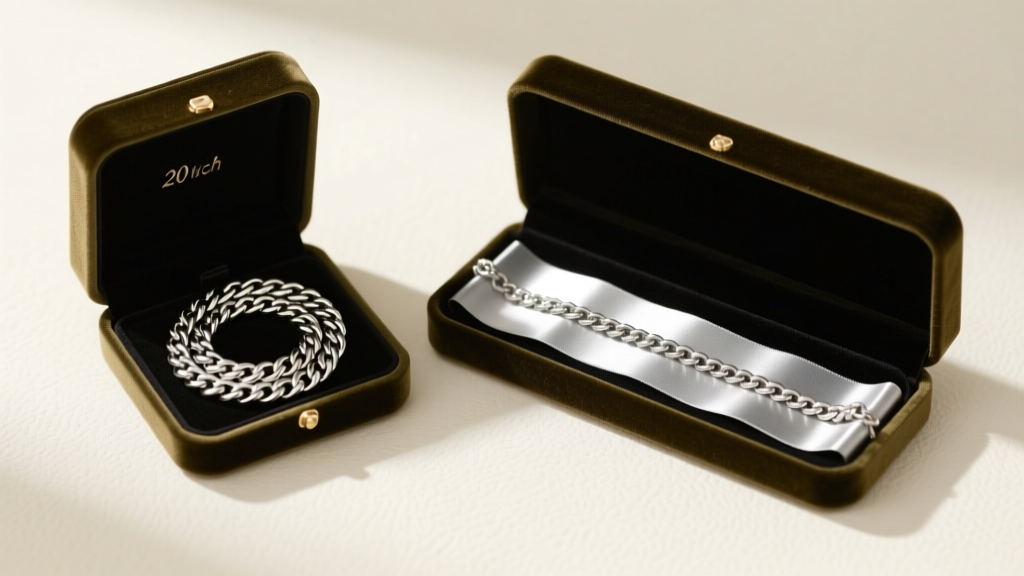
| Optimal Storage | Lay completely flat in a lined drawer, or hang with clasp unfastened. | Store individually in polyethylene ziplock bags to prevent wrapping. |
| Tarnish Prevention | Silica gel packets in the drawer to absorb clavicle-zone moisture. | 3M anti-tarnish strips inside individual baggies. |
| Travel Packing | Thread through a plastic drinking straw to maintain tension. | Coil loosely in a hard-shell jewelry roll to prevent crushing. |
Formulating the Right Cleaning Solutions
Generic 'jewelry cleaner' is a marketing myth; different lengths and materials require specific chemical approaches. According to the Gemological Institute of America (GIA), understanding your gemstone's Mohs hardness and porosity is critical before submerging it in any solution.
- For 18-Inch Gold & Platinum Chains (Daily Wear): Mix 3 drops of mild, phosphate-free dish soap (like Dawn) into 1 cup of distilled water. Soak for exactly 15 minutes. Agitate gently with a baby-soft toothbrush, focusing on the clasp and the links immediately adjacent to it, where neck oils accumulate most heavily.
- For 20-Inch Sterling Silver Chains (Heavy Pendants): Use the aluminum foil and baking soda method for severe tarnish, but only if the pendant does not contain porous stones (like turquoise or lapis lazuli) or oxidized (blackened) silver details. Line a glass bowl with foil, add 1 tablespoon of baking soda, and pour in boiling water. Submerge the chain for 60 seconds, then rinse thoroughly in cool distilled water.
- Pearl & Organic Care: As noted in Blue Nile's jewelry care guidelines, pearls should never be submerged. If your 18-inch pearl necklace loses its luster from skin oils, wipe each pearl individually with a damp cloth and a tiny drop of mineral oil, then let them dry flat on a towel to prevent the silk thread from stretching.
Clasp Maintenance by Length
The clasp is the weakest mechanical link on any necklace, and the size of the clasp is directly correlated to the chain's length and weight.
18-Inch Clasp Care: Delicate 18-inch chains (typically 1.0mm to 1.5mm) usually rely on 5mm or 6mm spring ring clasps. The internal tension spring in these tiny mechanisms is prone to losing elasticity or becoming clogged with lotion. If your spring ring feels stiff or fails to snap back, apply a microscopic drop of synthetic watch oil to the hinge using a toothpick. Wipe away any excess immediately to prevent oil from attracting dust.
20-Inch Clasp Care: Because 20-inch chains support heavier pendants, they are generally fitted with 7mm to 10mm lobster clasps. Lobster clasps are more robust but are highly susceptible to lateral bending if caught on a sweater. If the lever on your lobster clasp becomes misaligned and no longer meets the catch perfectly, a jeweler can gently adjust the tension arm with pliers in seconds. Never force it shut yourself, as you risk snapping the cast metal lever.
Final Thoughts on Length and Longevity
Choosing between an 18 inch vs 20 inch necklace is about more than just matching your outfit; it is about committing to the specific care routine that length demands. By respecting the unique environmental and mechanical stresses placed on your jewelry based on its drop length, you can prevent premature wear, avoid costly chain repairs, and keep your favorite pieces looking flawless for a lifetime.


