How to Clean a 14kt Gold Plated Necklace Without Ruining It
Learn how to safely clean a 14kt gold plated necklace. Discover expert tips on preventing tarnish, removing oils, and extending your jewelry's lifespan.

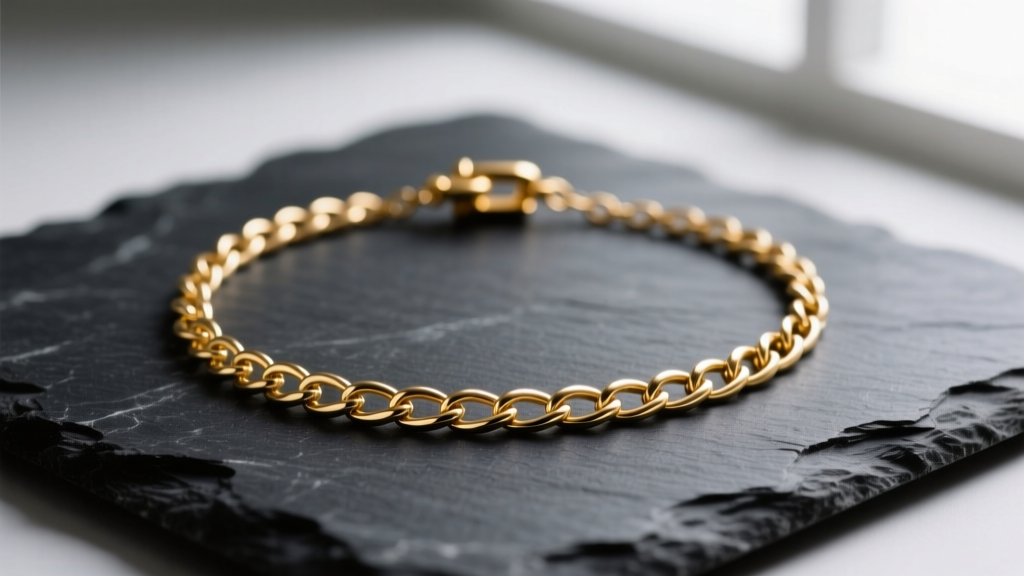
A 14kt gold plated necklace offers the luxurious warmth and brilliance of solid gold at a fraction of the cost. However, because the gold layer is a microscopic veneer over a base metal, its longevity depends entirely on how you treat it. Many owners accidentally ruin their favorite pieces within months by using harsh chemicals or abrasive cleaning methods. In this comprehensive care guide, we break down the exact science of gold plating, the chemistry of tarnish, and the professional protocols for safely cleaning and maintaining your jewelry.
The Anatomy of Plating: Understanding Your Necklace
Before you clean your jewelry, you must understand its construction. According to the Federal Trade Commission Jewelry Guides, the term "gold plated" refers to a base metal (usually brass, copper, or stainless steel) that has been submerged in an electrolyte bath containing 14-karat gold ions. An electrical current bonds the gold to the surface.
The thickness of this layer dictates its lifespan:
- Flash Plating (0.17 microns): Often found in fast-fashion jewelry. This ultra-thin layer can wear through to the base metal in as little as three months of daily wear.
- Standard Gold Plating (0.5 microns): The industry standard for mid-tier jewelry. With proper care, it lasts 1 to 3 years before requiring replating.
- Heavy Gold Electroplate / Vermeil (2.5+ microns): If the base is sterling silver, it is legally classified as vermeil. This thick layer can last decades and withstands more aggressive cleaning.
Understanding your necklace's micron thickness helps you gauge how gently you need to handle it during the cleaning process.
The Chemistry of Tarnish: Why Gold Plating Fades
Pure gold is a noble metal; it does not oxidize or tarnish. When your 14kt gold plated necklace turns dull, dark, or green, you are actually seeing the chemical reaction of the base metal beneath the gold.
Human sweat has a pH ranging from 4.5 to 7.0 and contains urea, lactic acid, and salts. When the microscopic gold barrier develops micro-fissures from daily friction, sweat penetrates the surface and reacts with the copper or brass core. This galvanic corrosion creates copper chloride and copper carbonate—the compounds responsible for the dreaded green residue on your skin. Furthermore, environmental sulfur compounds (from polluted air, hot springs, or even certain foods like onions) can cause the alloyed metals in the 14kt gold layer itself to darken, as 14kt gold is only 58.3% pure gold and contains reactive metals like silver and zinc.
Step-by-Step Cleaning Protocol
To safely remove sebum, dead skin cells, and cosmetic buildup without stripping the gold layer, follow this professional cleaning protocol endorsed by experts at the Gemological Institute of America (GIA).
What You Will Need
- Distilled water (never tap water, as chlorine and hard water minerals can pit the metal)
- Phosphate-free, mild dish soap (e.g., original Dawn)
- Two ultra-soft microfiber cloths
- A glass or ceramic bowl (avoid metal bowls to prevent galvanic transfer)
The Cleaning Steps
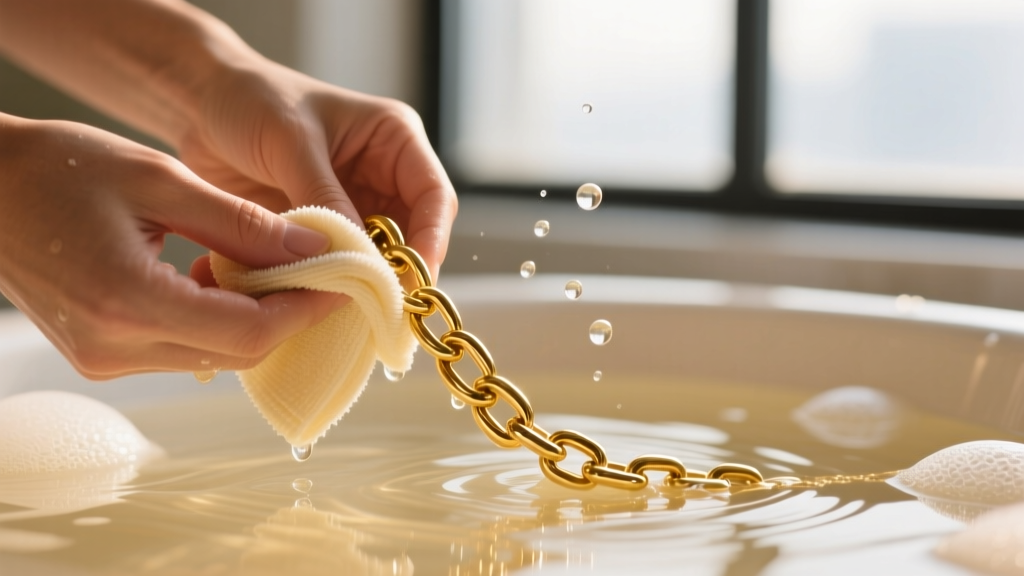
- Prepare the Solution: Mix one cup of lukewarm distilled water with exactly one teaspoon of mild dish soap in your glass bowl. Avoid hot water, which can expand the base metal and cause the gold layer to micro-crack.
- Soak Briefly: Submerge the 14kt gold plated necklace for no more than 3 to 5 minutes. This loosens oils and cosmetic residues trapped in the chain links.
- Gently Agitate: Swish the necklace gently through the water. If the clasp area is heavily soiled, use a brand-new, ultra-soft baby toothbrush to lightly sweep the crevices. Never scrub.
- Rinse Thoroughly: Rinse the chain under a slow stream of distilled water to remove all soap residue.
- Pat Dry: Lay the necklace flat on a dry microfiber cloth and gently pat it dry. Never rub or pull the chain, as wet plating is slightly more susceptible to friction damage.
Critical Warning: Never use toothpaste, baking soda, or commercial silver dips on gold plated jewelry. Toothpaste contains abrasive silica that will scratch the 14kt layer, while baking soda is highly alkaline and can pit the exposed base metal. Furthermore, never use ultrasonic cleaners; the high-frequency cavitation bubbles literally strip the plated layer off the core.
Daily Wear & Storage: Preventative Maintenance
The Jewelers of America emphasizes that preventative care is vastly superior to reactive cleaning. Adopt the "Last On, First Off" rule: your necklace should be the last thing you put on after applying perfumes, lotions, and hairsprays, and the first thing you take off when you get home.
Optimal Storage Conditions
Tarnish is accelerated by humidity and airborne sulfur. To protect your necklace during storage:
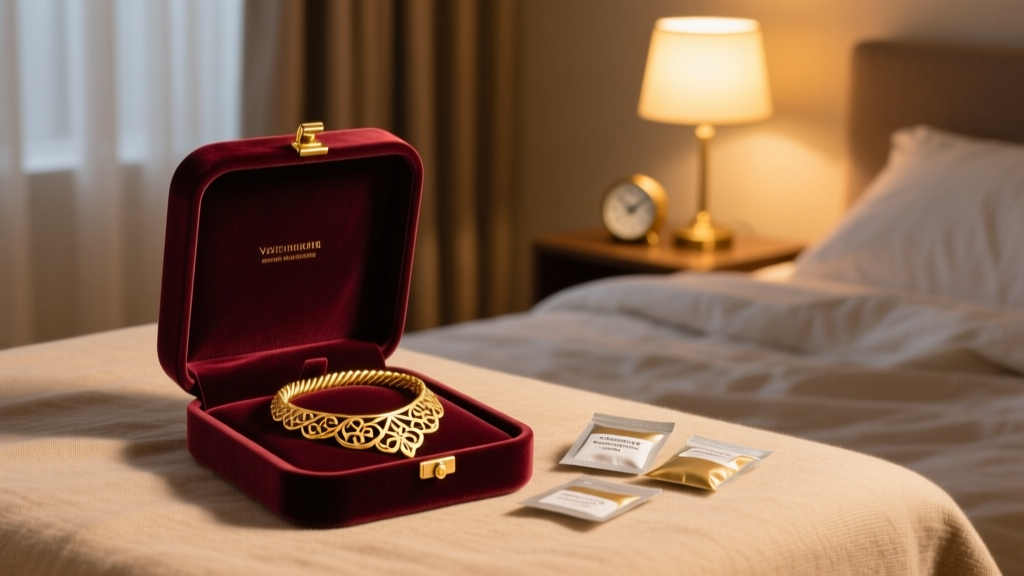
- Use Anti-Tarnish Strips: Place a 3M anti-tarnish strip inside your jewelry box or storage bag. These strips contain treated copper particles that absorb and neutralize sulfur compounds before they reach your necklace.
- Control Humidity: Toss a small silica gel packet into your jewelry drawer or storage box to keep the ambient relative humidity below 40%.
- Isolate the Chain: Store your 14kt gold plated necklace in an individual, airtight polyethylene ziplock bag. Squeeze out all excess air before sealing to minimize oxygen exposure.
Troubleshooting Common Plating Disasters
Even with meticulous care, plated jewelry can encounter issues. Use this diagnostic table to identify and resolve common problems.
| Symptom | Root Cause | Actionable Fix |
|---|---|---|
| Green discoloration on skin | Copper base reacting with acidic sweat | Clean the chain thoroughly. Apply a microscopic layer of clear nail polish to the back of the pendant or clasp, or upgrade to a sterling silver base. |
| Dull, cloudy appearance | Buildup of sebum, lotion, and dead skin cells | Perform the gentle soap bath protocol outlined above and buff lightly with a dry microfiber cloth. |
| Flaking or peeling gold | Galvanic corrosion or severe physical abrasion | Stop wearing the piece immediately. Send it to a professional jeweler for polishing and replating. |
| Dark, blackish spots | Sulfur exposure (hot springs, polluted air) | Professional polishing is required. Home remedies will not remove deep sulfur pits in the gold alloy. |
When to Replate: Cost and Considerations
Eventually, the friction from your skin and clothing will wear through the 0.5-micron gold layer. When the brass or copper core becomes visible, it is time for replating.
As of 2026, professional replating typically costs between $45 and $95, depending on the complexity of the chain. A simple cable or box chain is on the lower end of the pricing spectrum. However, intricate designs like rope or snake chains trap oils deep within their twists and require extensive, careful ultrasonic prep by the jeweler before they can be submerged in the new gold bath, driving the cost higher.
When sending your piece to a jeweler, specify that you want a "heavy gold electroplate" (at least 2.5 microns) to ensure your newly restored 14kt gold plated necklace lasts for years to come.
Final Thoughts
Caring for a 14kt gold plated necklace requires a shift in mindset: treat the gold layer as a precious, finite resource rather than an indestructible shield. By avoiding harsh chemicals, understanding the chemistry of your skin, and storing your pieces in sulfur-free environments, you can easily extend the life of your favorite necklaces from a single season to a multi-year staple in your jewelry wardrobe.


