How to Authenticate a Fabergé Necklace: Step-by-Step Guide
Learn how to authenticate a Fabergé necklace with our step-by-step expert guide covering hallmarks, guilloché enamel, and workmaster marks.

The Reality of the Antique Fabergé Necklace
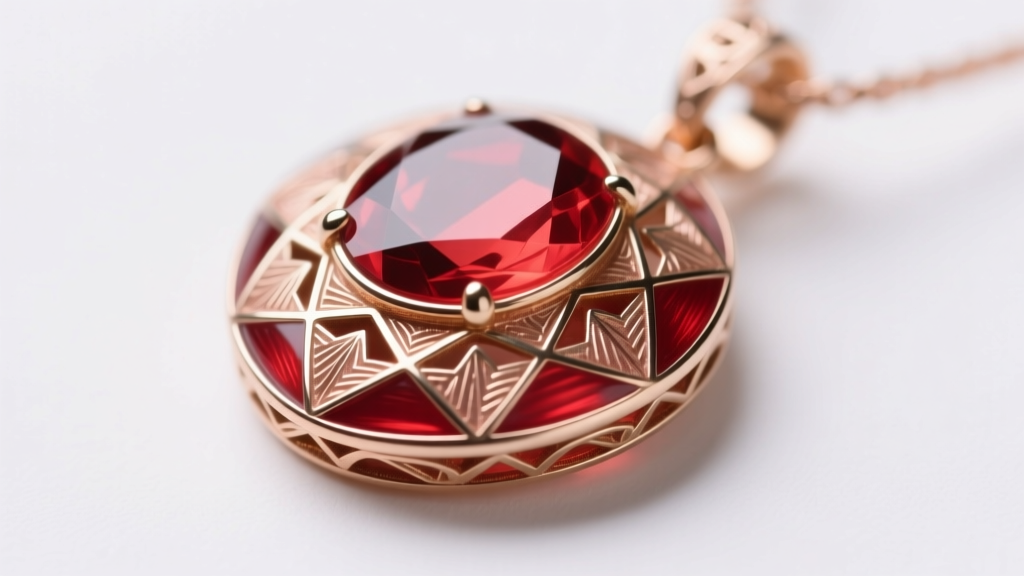
When collectors and enthusiasts search for a Fabergé necklace, they are often met with a complex market reality. The House of Fabergé (1882–1917), under the direction of Carl Fabergé, rarely produced what we consider a modern "necklace." Instead, they created exquisite pendants, collet diamond rivieres, and brooches that were later converted or suspended on chains by subsequent owners. Today, the market is flooded with counterfeit pieces, later Soviet-era reproductions, and modern brand revivals. Authenticating a genuine Imperial-era Fabergé pendant or necklace requires a meticulous, step-by-step forensic approach. This guide will walk you through the exact methodologies used by appraisers to verify provenance, material integrity, and historical accuracy.
Step 1: Decode the Russian Hallmarks and Workmaster Marks
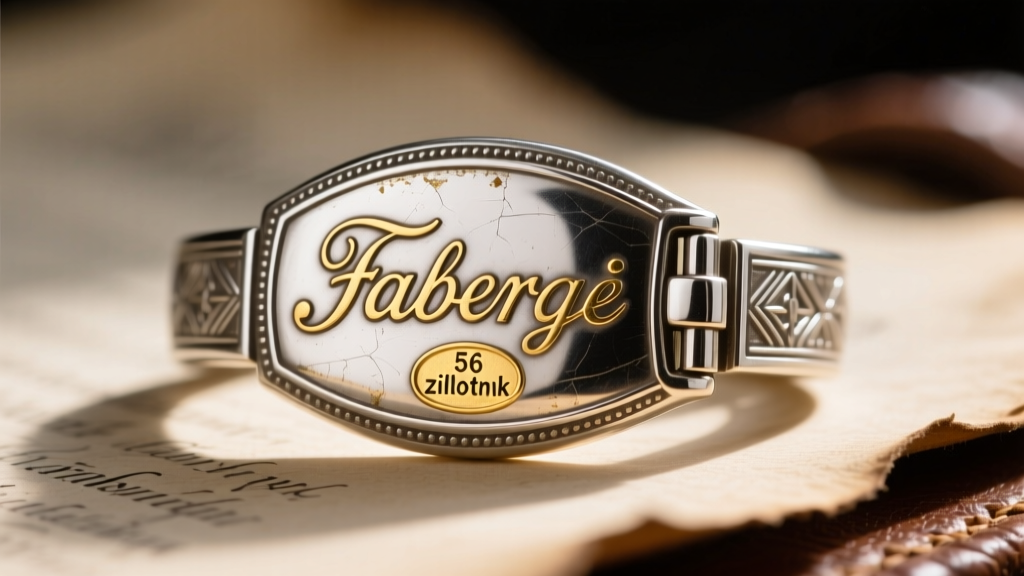
The first and most critical step in authentication is locating and deciphering the hallmarks. Genuine Imperial Fabergé pieces were strictly regulated by the Russian state assay offices. You must look for three distinct stamps, usually hidden on the clasp, the pendant bail, or the interior of the mounting.
The Zolotnik Purity System
Russia used the Zolotnik system rather than karats or parts-per-thousand. For gold necklaces and pendants, you should look for:
- 56 Zolotnik: Equivalent to 14k gold (58.3% pure). This is the most common mark for Fabergé jewelry.
- 88 Zolotnik: Equivalent to roughly 91.6% pure silver, often used for enamel bases or secondary chain links.
Workmaster Initials
Carl Fabergé was a mastermind who oversaw independent workshops. A genuine piece will bear the Cyrillic or Latin initials of the specific workmaster. For necklaces and pendants, look for:
- М.П (Michael Perchin): Head workmaster from 1886 to 1903. Known for vibrant, opaque enamels and intricate gold chasing.
- H.W (Henrik Wigström): Head workmaster from 1903 to 1917. Specialized in neoclassical designs, guilloché enamel, and diamond-heavy collet necklaces.
- А.Н (August Hollming): Often crafted smaller, delicate pendants and chain links.
Step 2: Inspect the Guilloché Enamel Under Magnification
Fabergé is globally revered for its guilloché (engine-turned) enamel. This technique involves using a rose-engine lathe to carve precise, geometric patterns into the gold base, which is then covered with translucent, lead-glass enamel flux and fired in a kiln. Counterfeiters often use painted resin or cold enamel to mimic this effect.
The Loupe Test
Using a 10x or 20x jeweler's loupe, examine the surface of the enamel. Authentic fired glass enamel will have a distinct, glass-like depth. You should be able to see the engraved metal lines through the translucent color. Furthermore, antique guilloché will often show microscopic "fingerprint" ripples or tiny, trapped air bubbles from the kiln-firing process. If the surface is perfectly flat, plastic-like, or shows brush strokes, it is a modern resin fake.
"The brilliance of a true Fabergé guilloché pendant lies in the optical illusion of depth; the light catches the engine-turned gold beneath the glass, creating a shimmering, three-dimensional moiré effect that cold enamel simply cannot replicate."
Step 3: Analyze the Gemstone Cuts and Metal Alloys
The gemstones used in an authentic antique Fabergé necklace will reflect the cutting technology of the late 19th and early 20th centuries.
- Diamonds: Expect to see rose-cut, old mine-cut, or early European-cut diamonds. If the pendant features modern, laser-cut brilliant diamonds with perfect symmetry, it is either a modern revival piece or a counterfeit.
- Colored Stones: Fabergé frequently used cabochon sapphires, rubies, and emeralds, often left unheated and untreated.
- Gold Color: The House of Fabergé heavily favored Russian rose gold (an alloy with a higher copper content) and green gold. Bright, rhodium-plated white gold is a major red flag for an alleged Imperial-era piece.
Step 4: Compare Against the Era Matrix
To accurately appraise your piece, you must categorize it into one of the three distinct Fabergé production eras. Use the table below to cross-reference your findings.
| Era / Category | Typical Marks | Enamel & Materials | Market Value Range (USD) |
|---|---|---|---|
| Imperial Antique (1882–1917) | Cyrillic Фаберже, 56/88 Zolotnik, Kokoshnik mark, Workmaster initials (МП, HW) | Fired glass guilloché, rose-cut diamonds, Russian rose gold | $15,000 – $150,000+ |
| Revival / Armory Era (1980s–2000s) | English hallmarks, 18k/750, "Fabergé" in Latin script | Machine-guilloché, modern brilliant diamonds, 18k yellow/white gold | $2,000 – $12,000 |
| Modern Gemfields Era (2009–Present) | 750, Gemfields origin stamps, modern brand serial numbers | High jewelry techniques, Zambian emeralds, Mozambique rubies, 18k gold | $5,000 – $45,000 |
| Counterfeit / Fake | Stamped "925", missing workmaster marks, laser-etched Cyrillic | Painted resin, cold enamel, synthetic stones, brass base | $20 – $150 |
Step 5: Verify Provenance and Consult the Authorities
Because the financial stakes of an Imperial Fabergé necklace are so high, physical inspection must be paired with provenance research. You should request any original invoices, auction catalogs, or exhibition history. The most authoritative sources for verifying Fabergé jewelry include Wartski, the historic London-based antique dealer holding Royal Warrants and the premier archive of Fabergé workmaster records. Additionally, reviewing past auction archives via Sotheby's Russian Works of Art department can help you match your piece's mounting and enamel patterns to documented historical sales. For educational baseline comparisons, the Victoria and Albert Museum's jewelry archives offer high-resolution macro photography of verified Imperial pieces.
Step 6: Implement Archival Care Protocols
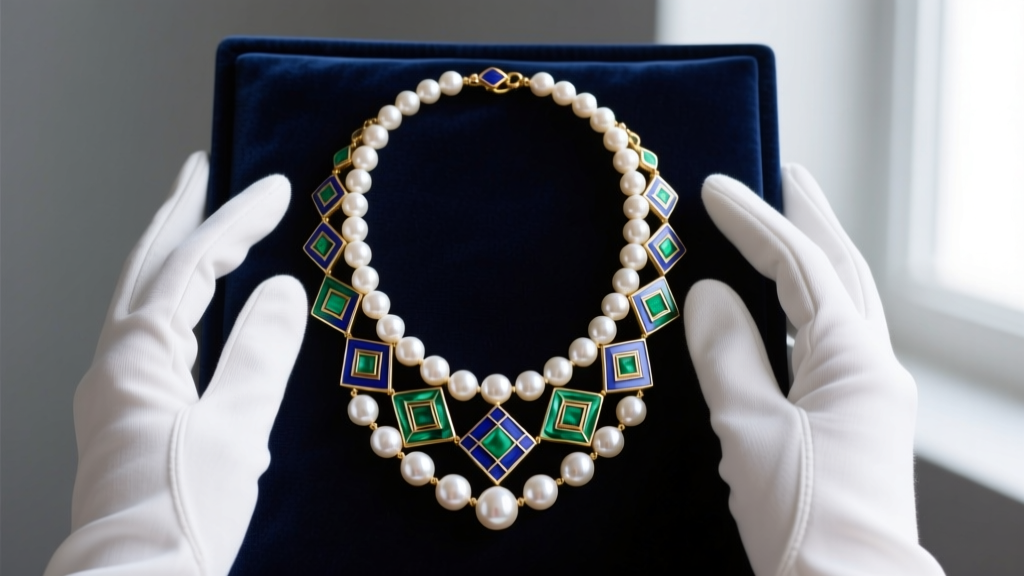
If you have successfully authenticated a vintage or antique Fabergé pendant or necklace, standard jewelry care will destroy it. Fired glass enamel is highly susceptible to thermal shock and mechanical vibration.
What to Avoid
- Ultrasonic Cleaners: The high-frequency vibrations will shatter the antique glass enamel and loosen the delicate rose-cut diamonds from their foil-backed settings.
- Steam Cleaners: Sudden temperature changes will cause the enamel to crack or "craze" (develop a spiderweb fracture pattern).
- Chemical Dips: Silver polish or gold dips will strip the historical patina and seep under the enamel, causing it to lift from the gold base.
Proper Cleaning Method
Use a soft, untreated microfiber cloth to gently wipe the gold and enamel. For the diamonds, use a soft-bristled camel hair brush lightly dampened with distilled water and a pH-neutral soap, carefully avoiding the enamel panels. Always store the necklace flat in a temperature-controlled, humidity-stable environment, separated from other jewelry to prevent the diamonds from scratching the glass enamel surface.
Final Thoughts on Acquiring Fabergé
Authenticating a Fabergé necklace is an exercise in historical forensics. Whether you are evaluating a Wigström-era diamond collet necklace or a Perchin guilloché pendant, the truth always lies in the microscopic details: the depth of the engine turning, the specific geometry of the Kokoshnik hallmark, and the alloy composition of the gold. When in doubt, always halt the transaction and seek a formal written appraisal from a certified Russian art specialist.


