How to Clean and Maintain a Mens Birthstone Necklace
Learn how to clean and maintain a mens birthstone necklace. Expert tips on gemstone hardness, chain polishing, and safe storage methods.

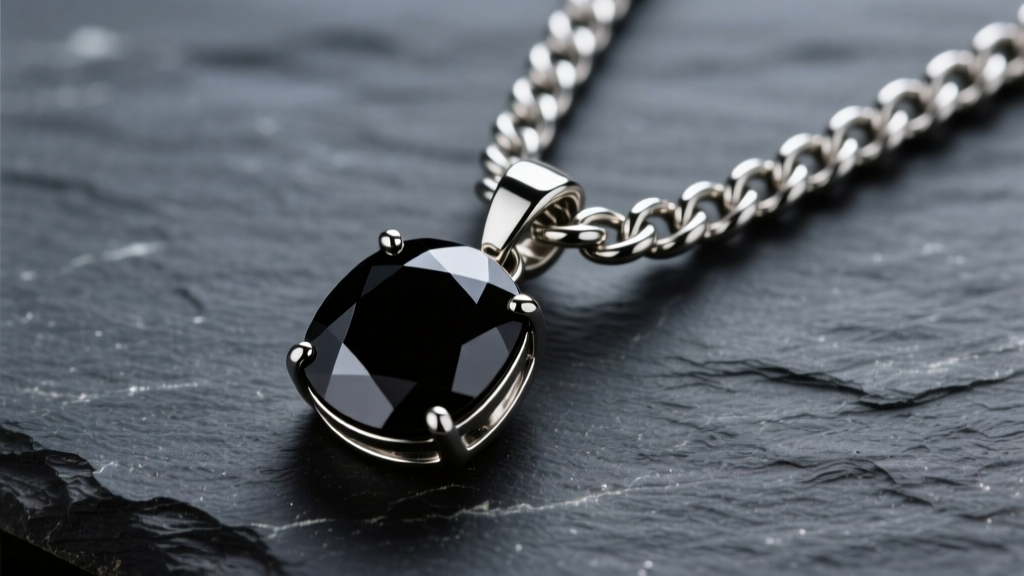
Understanding Your Stone's Hardness: The Mohs Scale Factor
Maintaining a mens birthstone necklace requires more than just a quick wipe with a cloth. Because men's jewelry is often subjected to rigorous daily environments—from the gym to the office desk—understanding the physical limitations of your specific gemstone is critical. The durability of a gemstone is measured on the Mohs scale of mineral hardness, which ranges from 1 (talc) to 10 (diamond). This scale is not linear; a diamond (10) is exponentially harder than a sapphire (9).
For instance, if your birthstone is a sapphire (September) or ruby (July), both corundum variants score a 9 on the Mohs scale, making them highly resistant to scratching. However, if you wear a turquoise (December) or opal (October) pendant, you are dealing with stones that score between 5 and 6.5. These softer, often porous stones can easily be scratched by a steel chain or damaged by accidental impacts against gym equipment. According to the Gemological Institute of America (GIA), knowing your stone's exact hardness dictates whether you can use commercial jewelry dips or if you must stick to gentle, dry-cleaning methods.
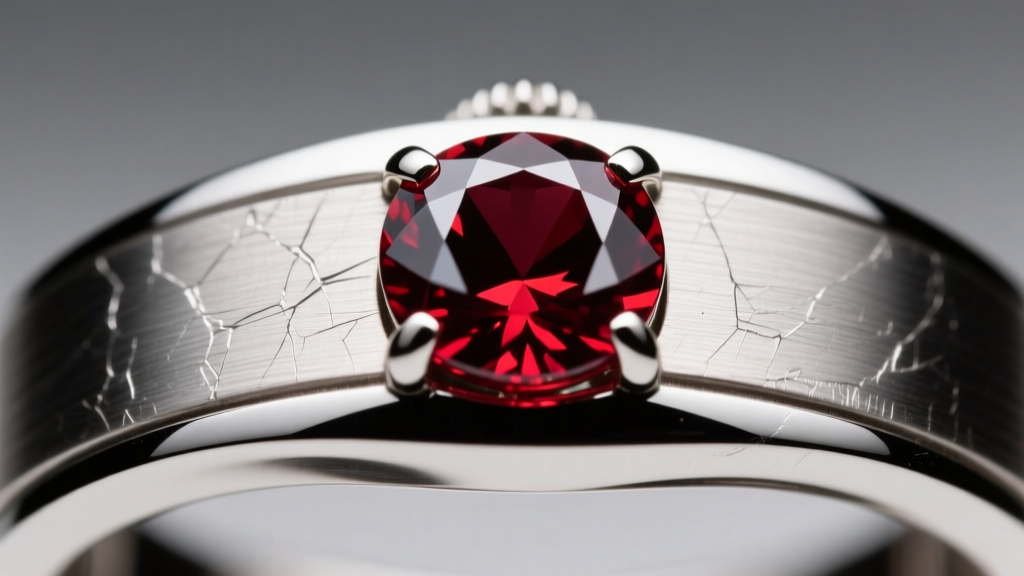
Daily Wear and Tear: Environmental Hazards for Men
Men's grooming routines and lifestyle habits introduce unique chemical hazards to birthstone pendants. The most common culprits include:
- Colognes and Aftershaves: Alcohol-based fragrances can strip the natural oils from organic gems like pearls (June) and amber, leading to severe drying and cracking over time.
- Sweat and Skin pH: The average male sweat pH ranges from 4.5 to 7.0. Prolonged exposure to acidic sweat can corrode the plating on gold vermeil chains and degrade the polish on softer stones like malachite or lapis lazuli.
- Chlorine and Saltwater: Swimming in chlorinated pools or the ocean is disastrous for porous stones. Chlorine can permanently alter the color of fracture-filled gems and degrade the structural integrity of the metal alloys used in the pendant's bezel or prong settings.
To mitigate these risks, always adopt the "last on, first off" rule. Your mens birthstone necklace should be the final accessory you put on after your cologne has dried, and the very first item you remove when you return home or head to the gym.
Step-by-Step Cleaning Protocols by Stone Type
There is no universal cleaning solution for every gemstone. Using an ultrasonic cleaner or harsh chemical dip on the wrong stone can result in catastrophic damage, such as shattering an opal or dissolving the dye in treated howlite (often sold as imitation turquoise). Below is a comprehensive guide to safely cleaning the most common birthstones found in men's pendants.
| Birthstone (Month) | Mohs Hardness | Safe Cleaning Method | Agents to Strictly Avoid |
|---|---|---|---|
| Garnet (January) | 7.0 - 7.5 | Warm water, mild dish soap, soft brush | Ultrasonic cleaners (if fractured) |
| Amethyst (February) | 7.0 | Warm soapy water, microfiber cloth | Prolonged direct sunlight, steam cleaners |
| Aquamarine (March) | 7.5 - 8.0 | Mild soap, distilled water rinse | Harsh chemicals, heavy impact |
| Diamond (April) | 10.0 | Ultrasonic safe, ammonia-based dips | Chlorine bleach (damages settings) |
| Emerald (May) | 7.5 - 8.0 | Damp cloth only, mild soap | Ultrasonic, steam, hot water |
| Pearl (June) | 2.5 - 3.0 | Dry microfiber wipe, damp cloth | ALL liquids, acids, ultrasonic |
| Ruby (July) | 9.0 | Warm soapy water, soft brush | Ultrasonic (if fracture-filled) |
| Peridot (August) | 6.5 - 7.0 | Warm soapy water only | Acids, steam, ultrasonic |
| Sapphire (Sept) | 9.0 | Warm soapy water, ultrasonic safe | Extreme thermal shock |
| Opal (October) | 5.5 - 6.5 | Dry polishing cloth only | Water immersion, heat, ultrasonic |
| Citrine (Nov) | 7.0 | Warm soapy water | Prolonged UV light exposure |
| Turquoise (Dec) | 5.0 - 6.0 | Dry soft brush, barely damp cloth | Chemicals, oils, ultrasonic, steam |
Source reference: Care guidelines adapted from the GIA Turquoise Care and general gemological maintenance standards.
The Hidden Danger of Ultrasonic Cleaners
Many men purchase commercial ultrasonic jewelry cleaners, assuming they are safe for all metals and stones. These devices use high-frequency sound waves to create microscopic bubbles that implode, blasting dirt away. While excellent for diamonds and solid gold, these vibrations can shatter emeralds (which are almost always oil-treated and naturally heavily included) and opals (which contain up to 20% water). Furthermore, many men's pendants feature cabochon stones secured with jeweler's epoxy rather than metal prongs; ultrasonic waves will melt or loosen this adhesive, causing the stone to fall out.
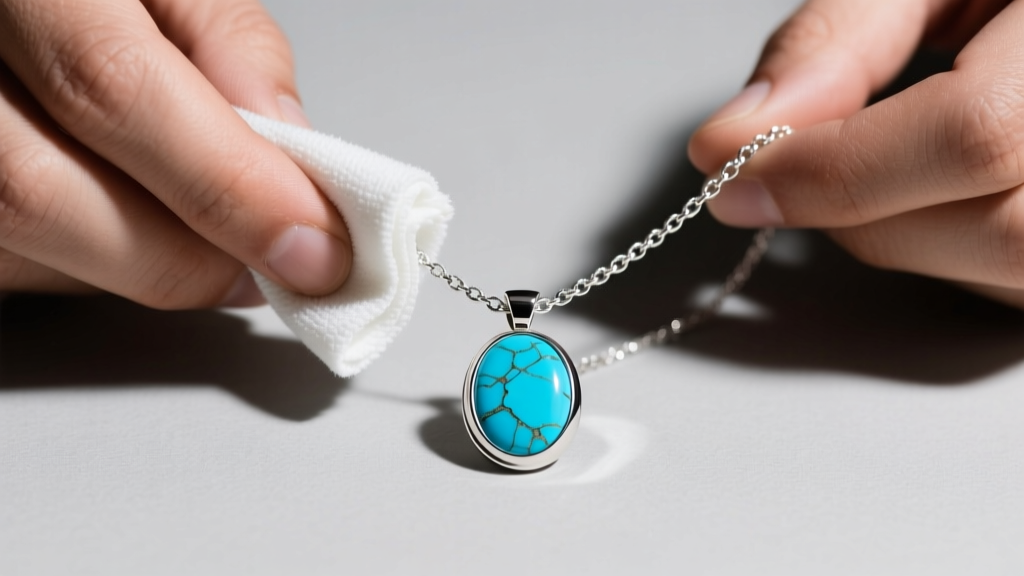
Chain Maintenance: Polishing 925 Silver and 316L Steel
The chain of your mens birthstone necklace requires its own maintenance protocol, separate from the gemstone. The two most common metals used in men's jewelry are 925 sterling silver and 316L surgical stainless steel.
Caring for 925 Sterling Silver
Sterling silver contains 92.5% pure silver and 7.5% copper. It is the copper that reacts with sulfur and moisture in the air, causing tarnish (silver sulfide). To clean a tarnished silver chain without damaging the attached birthstone:
- Create a paste using baking soda and a few drops of distilled water.
- Using a cotton swab, carefully apply the paste only to the silver chain links, avoiding the gemstone entirely.
- Gently rub the tarnished areas, then rinse the chain under lukewarm water while keeping the pendant elevated.
- Pat dry immediately with a lint-free microfiber cloth to prevent water spots.
Caring for 316L Surgical Stainless Steel
316L steel is highly prized in men's jewelry for its resistance to rust and tarnish. However, it is highly susceptible to accumulating skin oils, dead skin cells, and lotion buildup in the crevices of complex chain styles like Cuban links or Figaro chains. To deep clean a steel chain, submerge it in a bowl of warm water mixed with a high-quality degreasing dish soap (like Dawn) for 15 minutes. Use a soft-bristled baby toothbrush to agitate the links, rinse thoroughly, and air dry.
Proper Storage Techniques to Prevent Micro-Scratches
How you store your necklace is just as important as how you clean it. Tossing a mens birthstone necklace into a communal drawer or a generic jewelry box is a recipe for disaster. Diamonds and sapphires can easily scratch softer metals and neighboring gemstones. To preserve the structural integrity and polish of your jewelry, implement the following storage framework:
- Individual Pouches: Store every necklace in its own soft flannel or microfiber drawstring pouch. This prevents the metal chain from acting as an abrasive file against the birthstone pendant.
- Humidity Control: For silver chains, place a 3M anti-tarnish strip or a small silica gel packet inside the storage pouch or drawer to absorb ambient moisture and neutralize sulfur gases.
- Flat or Hanging: Heavy men's chains should either be hung on a wide, velvet-lined hook to prevent kinking, or laid completely flat. Never store heavy chains in a tangled pile, as the weight of the links can cause permanent deformation to the jump rings over time.
When to Seek Professional Jewelry Repair
While routine cleaning can be handled at home, structural maintenance requires a professional bench jeweler. Men's pendants often feature heavy bails and thick bezel settings that endure significant torque and pulling forces. You should take your necklace to a professional every 12 to 18 months for the following services:
- Jump Ring Welding: The jump ring connecting the pendant to the chain is the weakest structural point. A jeweler can laser-weld this ring shut, eliminating the risk of the pendant snapping off and being lost.
- Bezel Burnishing: Over time, the metal lip holding a cabochon stone (like onyx or turquoise) can lift slightly due to impacts. A jeweler will use a burnishing tool to securely push the metal back over the stone's edge.
- Rhodium Replating: If your pendant features white gold elements, the rhodium plating will eventually wear off, revealing the yellowish alloy beneath. Professional replating restores the bright, silvery finish and adds a layer of scratch resistance.
By understanding the specific material properties of your gems and metals, and by adopting a disciplined, proactive cleaning routine, your mens birthstone necklace will remain a sharp, meaningful staple in your wardrobe for decades to come.


