Expert Care Guide: Cleaning Your Ivory Bead Necklace
Learn expert techniques to clean, store, and maintain your ivory bead necklace. Discover safe oils, humidity controls, and methods to prevent cracking.

Understanding the Organic Nature of Ivory
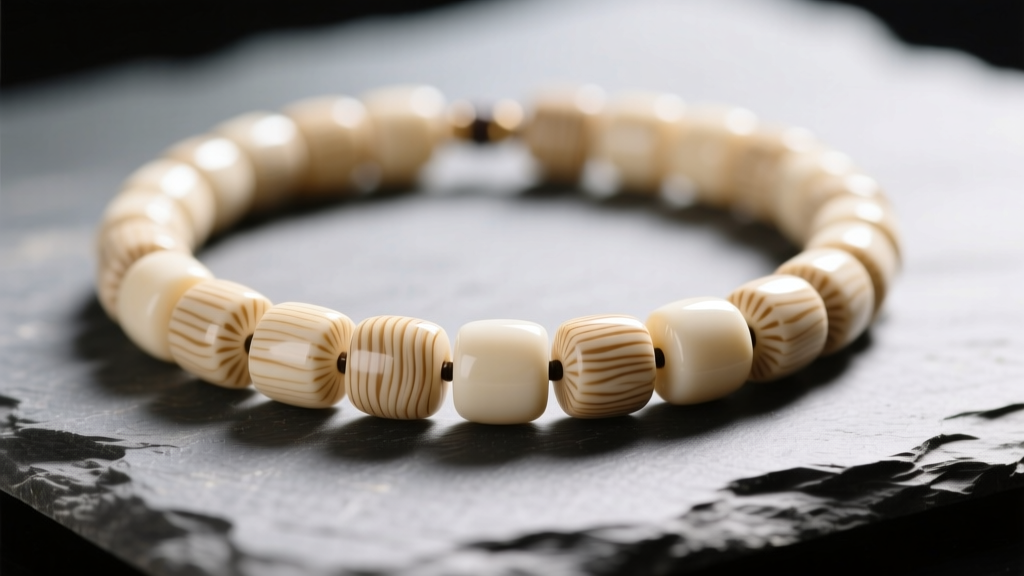
Caring for an ivory bead necklace requires a fundamental understanding of its biological origins. Unlike crystalline gemstones such as diamonds or sapphires, ivory is an organic material composed primarily of dentin. This structure consists of an inorganic mineral matrix (hydroxyapatite) bound together by an organic collagen network. This unique composition makes ivory exceptionally beautiful, characterized by its warm luster and the distinctive cross-hatch pattern known as Schreger lines, but it also renders the material highly porous and reactive to its environment.
Because of its collagen content, ivory is hygroscopic, meaning it readily absorbs and releases moisture from the surrounding air. This constant exchange causes the beads to expand and contract. If the environmental shifts are too rapid or extreme, the structural integrity of the dentin compromises, leading to micro-fractures, warping, or catastrophic cracking. According to conservation guidelines from the Victoria and Albert Museum, maintaining a stable environment is the single most critical factor in preserving antique and vintage organic jewelry.
The Daily Wear Rules: Prevention is Key
The best cleaning method is avoiding the need for deep cleaning altogether. Ivory is highly susceptible to chemical reactions, particularly from the acids and oils naturally present on human skin, as well as from synthetic cosmetics.
Chemicals and Cosmetics to Avoid
- Perfumes and Hairsprays: The alcohol and synthetic solvents in aerosol cosmetics can strip the natural moisture from the dentin, leaving the beads chalky and brittle.
- Perspiration: Human sweat contains lactic acid and urea. Prolonged exposure to sweat will slowly etch the surface of the ivory beads, dulling their polish and causing irreversible pitting over time.
- Lotions and Sunscreens: The complex emulsifiers in modern skincare products can become trapped in the microscopic pores of the ivory, leading to localized dark spots and rancid odors.
Expert Rule of Thumb: Always put your ivory bead necklace on after applying cosmetics, perfumes, and hair products, and remove it before exercising or engaging in strenuous activity.
Step-by-Step Cleaning Protocol for Ivory Beads
When your necklace accumulates everyday dust or light skin oils, it requires a gentle, non-invasive cleaning approach. The Gemological Institute of America (GIA) strongly advises against using commercial jewelry dips on any organic gem materials.
The Safe Cleaning Method
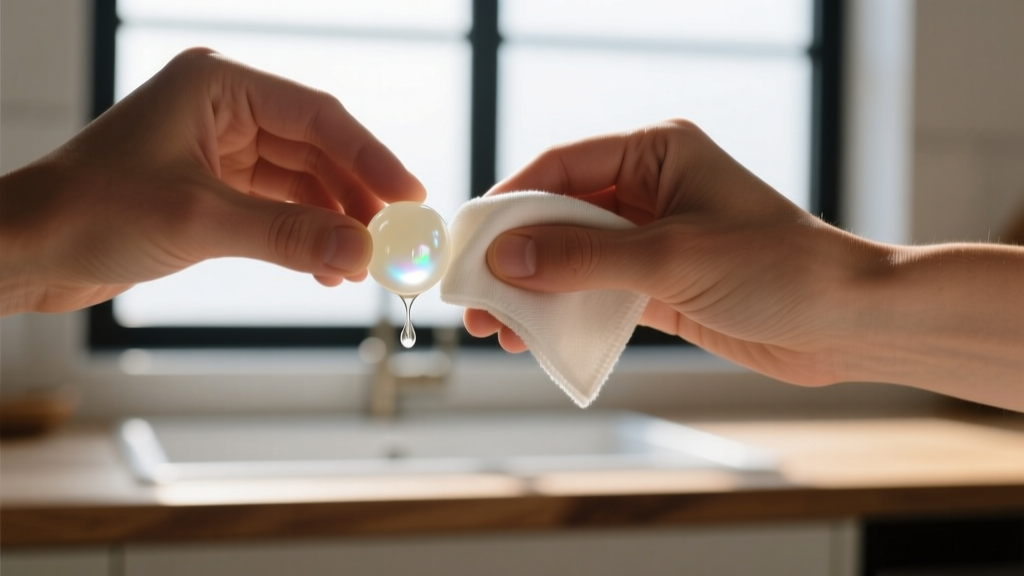
- Prepare the Solution: Mix a few drops of pH-neutral, fragrance-free liquid castile soap into a bowl of distilled water. Avoid tap water, as the chlorine and heavy minerals can stain the porous dentin.
- Dampen the Cloth: Dip a clean, lint-free microfiber cloth into the solution and wring it out until it is only barely damp. Never submerge an ivory bead necklace in water.
- Wipe Gently: Carefully wipe each individual bead, paying special attention to the areas around the drill holes where dirt and skin cells tend to accumulate.
- Dry Immediately: Use a second, completely dry microfiber cloth to immediately buff the beads dry. Do not allow any residual moisture to air-dry on the surface.
- Acclimate: Let the necklace rest in a room-temperature environment away from direct sunlight or heating vents for an hour before storing it.
What NEVER to Do (The Damage List)
To protect the structural integrity of your heirloom piece, strictly avoid the following modern cleaning conveniences:
- Ultrasonic Cleaners: The high-frequency vibrations will shatter the internal collagen bonds, causing the beads to split.
- Steam Cleaners: Sudden thermal shock and forced moisture will warp the beads and degrade the silk stringing material.
- Toothpaste or Baking Soda: These are highly abrasive and will permanently scratch the soft surface of the dentin, destroying the polish.
- Bleach or Ammonia: These harsh chemicals will break down the hydroxyapatite matrix, turning the ivory a sickly, unnatural yellow and weakening its core.
Hydration and Oiling: Preventing Micro-Fractures
Over decades, ivory can lose its internal moisture, resulting in a chalky appearance and a network of fine surface cracks known as crazing. To combat this, museum conservators occasionally use specific oils to rehydrate the material and stabilize the surface. However, choosing the wrong oil can ruin the piece.
| Oil Type | Suitability for Ivory | Reasoning |
|---|---|---|
| Food-Grade Mineral Oil | Excellent | Inert, non-drying, and will not oxidize or turn rancid over time. It safely penetrates the pores without altering the color. |
| Olive Oil | Poor | Organic vegetable oils oxidize, becoming sticky, attracting dust, and eventually turning rancid inside the bead pores. |
| Coconut Oil | Poor | Solidifies at room temperature and can trap moisture, leading to localized staining and microbial growth. |
| Walnut Oil | Moderate | A drying oil that hardens; while better for wood, it can alter the ivory's natural finish and create a plastic-like shell. |
How to Oil Your Necklace: Apply a single drop of food-grade mineral oil to a soft cotton cloth. Rub the cloth gently over the beads, ensuring an even, microscopic coating. Allow the necklace to sit for 15 minutes, then aggressively buff it with a clean, dry cloth to remove all excess surface oil. This should only be done once every 12 to 18 months, or when the beads begin to look noticeably dry and opaque.
Long-Term Storage and Humidity Control
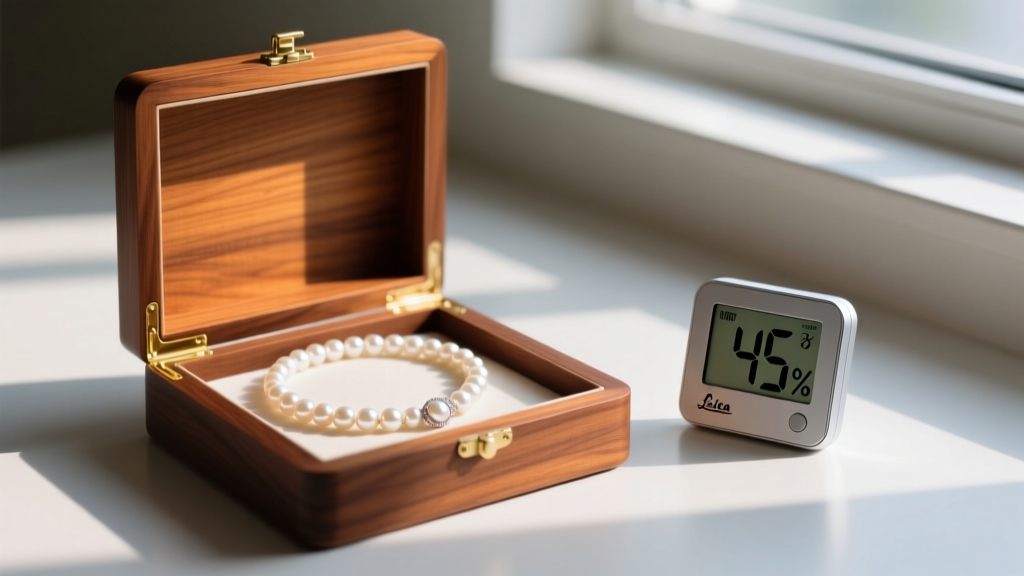
How you store your ivory bead necklace when it is not being worn is just as important as how you clean it. The ideal storage environment requires strict climate control. According to the American Institute for Conservation, organic artifacts thrive in a relative humidity (RH) range of 40% to 55%.
- Avoid Extreme Dryness: Storing ivory in a safe deposit box or near a radiator in winter can drop the RH below 30%, almost guaranteeing that the beads will crack.
- Avoid High Humidity: Environments with RH above 65% encourage the growth of mold spores, which will manifest as fuzzy black or green spots that are nearly impossible to remove from porous dentin.
- Light Exposure: Prolonged exposure to ultraviolet (UV) light from the sun or fluorescent bulbs causes a photochemical reaction that yellows and embrittles the surface. Always store the necklace in a dark, opaque container.
For optimal storage, place the necklace flat in a cedar-lined wooden jewelry box. Cedar naturally repels pests and helps buffer minor humidity fluctuations. Include a small, non-chemical humidity buffer pack (like silica gel conditioned to 50% RH or Boveda packs designed for wooden instruments) inside the box, but ensure the pack does not directly touch the ivory beads.
Restringing and Hardware Maintenance
The stringing material of an ivory bead necklace is usually its weakest point. High-quality vintage pieces are strung on pure silk thread. Silk is a protein fiber that degrades when exposed to sweat, UV light, and time. If you wear your necklace frequently, the silk should be professionally replaced every three to five years.
When having the necklace restrung, insist that the jeweler uses French wire (also known as gimp) at the clasp ends. This tiny coiled metal wire protects the silk from fraying against the metal jump rings. Furthermore, ensure the beads are individually knotted. Knotting not only prevents the beads from rubbing against one another and wearing down the drill holes, but it also prevents the total loss of beads in the event of a string break. Finally, always check the metal clasp and jump rings for signs of wear; a failing 14k gold or sterling silver clasp can easily result in the loss of a priceless organic heirloom.
Conclusion
An ivory bead necklace is more than just an accessory; it is a piece of natural history that demands respect and specialized care. By understanding the biological vulnerabilities of dentin, avoiding harsh modern chemicals, and maintaining strict control over humidity and hydration, you can ensure that the warm luster and intricate Schreger lines of your necklace remain pristine for future generations. Treat your organic jewelry with the same conservation mindset used by museum curators, and it will reward you with a lifetime of timeless elegance.


