Esmor Necklace Material Properties: A 2026 Comparison
Discover the unique material properties of the Esmor necklace. Compare its bio-resin and titanium blend to gold, silver, and platinum in 2026.

The Evolution of Mixed-Media Jewelry: Understanding the Esmor Necklace
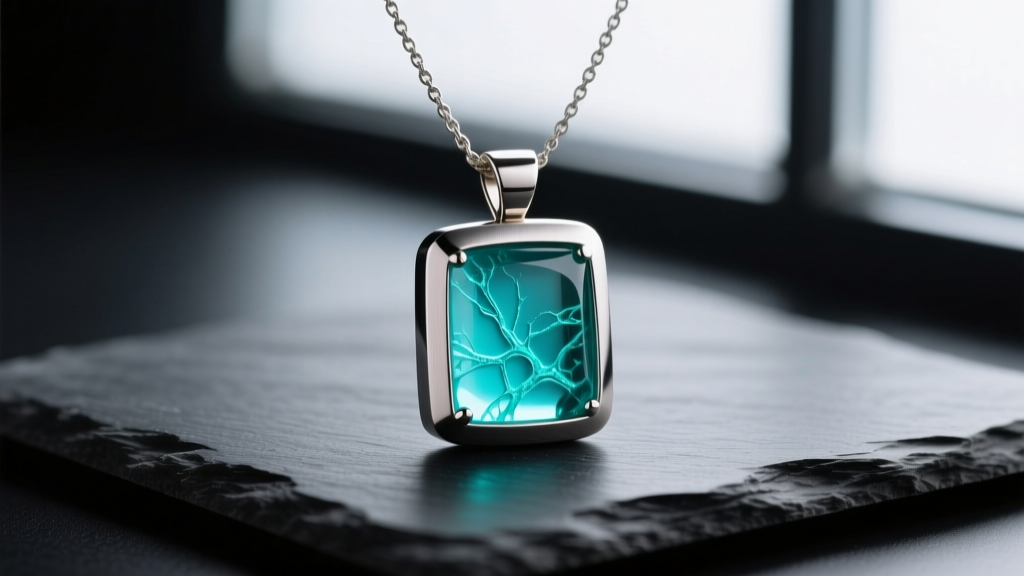
In the contemporary jewelry landscape of 2026, the traditional dominance of monolithic precious metals has been challenged by advanced mixed-media designs. Among the most highly sought-after innovations is the Esmor necklace, a proprietary material blend that bridges the gap between aerospace-grade metallurgy and artisanal polymer artistry. For collectors and daily wearers alike, understanding the exact material properties of an Esmor necklace is critical for evaluating its durability, skin compatibility, and long-term value. Unlike a standard solid gold chain or a simple sterling silver pendant, the Esmor design relies on a tripartite material structure: a Grade 5 titanium core, a cold-cured bio-resin inlay, and oxidized recycled silver accents. This article provides a deep-dive metallurgical and chemical comparison of the Esmor material signature against traditional fine jewelry standards.
Anatomy of the Esmor Material Signature
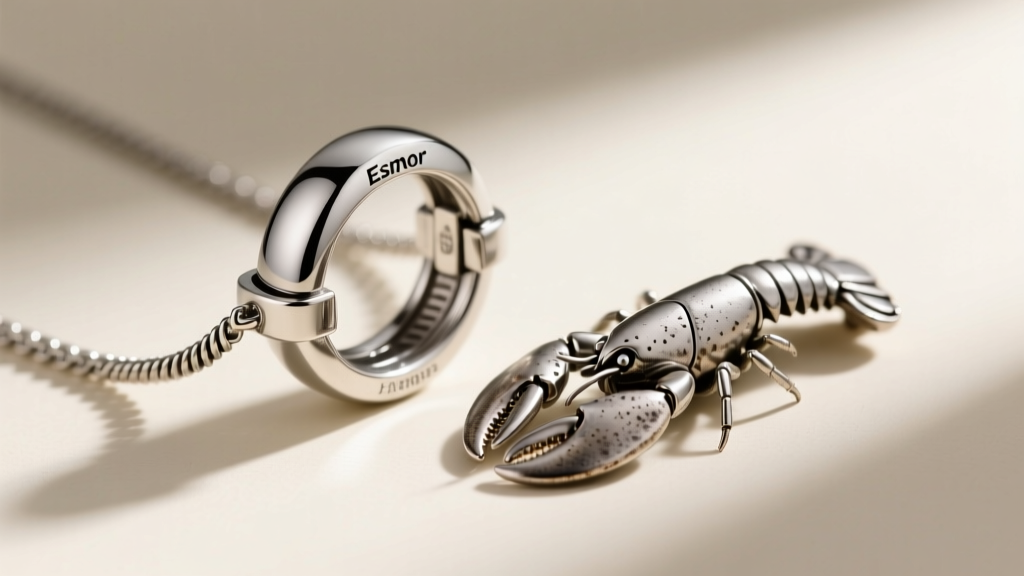
To accurately compare the Esmor necklace to traditional fine jewelry, we must first deconstruct its unique material triad. The structural integrity of an authentic Esmor pendant and its accompanying chain hardware relies on Ti-6Al-4V (Grade 5 Titanium). This is an alpha-beta titanium alloy containing 6% aluminum and 4% vanadium, widely documented by ASM International for its exceptional strength-to-weight ratio. In jewelry applications, this translates to a framework that is nearly 45% lighter than steel but possesses a Vickers hardness (HV) of approximately 350, making it highly resistant to the bending and warping that plagues softer metals.
The visual hallmark of the Esmor necklace, however, is its inlay. Rather than utilizing traditional vitreous enamel—which requires kiln firing at temperatures exceeding 1,400°F and can shatter upon impact—Esmor artisans utilize a UV-stabilized, epoxy-based bio-resin. This polymer is poured cold and cured under ultraviolet light, allowing for deep, translucent colorways that mimic the chatoyancy of natural gems. According to the GIA Gem Encyclopedia, while organic polymers lack the crystalline structure of mined gemstones, high-grade jewelry resins offer superior shock absorption, effectively protecting the titanium bezel from transferring kinetic energy to the wearer's chest upon impact.
Metallurgical Breakdown: Hardness and Tensile Strength
When evaluating the Esmor necklace against legacy materials like 14-karat gold, 925 sterling silver, and 950 platinum, the metrics of Vickers Hardness (HV) and Ultimate Tensile Strength (UTS) reveal stark differences in daily wear performance. The Manufacturing Jewelers and Suppliers of America (MJSA) frequently notes that while precious metals are prized for their luster and intrinsic value, their relative softness necessitates careful wear. Grade 5 titanium, the backbone of the Esmor chain links and pendant bail, fundamentally changes the durability equation.
Comparative Material Data Table
| Material Profile | Vickers Hardness (HV) | Ultimate Tensile Strength | Specific Gravity (Density) | Tarnish / Corrosion Resistance |
|---|---|---|---|---|
| Esmor Blend (Ti-6Al-4V Core) | ~350 HV | ~900 MPa | 4.43 g/cm³ | Exceptional (Passive Oxide Layer) |
| 14k Yellow Gold (58.5% Au) | ~140 HV | ~300 MPa | 12.9 g/cm³ | High (Alloy dependent) |
| 925 Sterling Silver | ~65 HV | ~170 MPa | 10.4 g/cm³ | Low (Prone to Sulfide Tarnish) |
| 950 Platinum | ~110 HV (Work-hardens) | ~340 MPa | 21.4 g/cm³ | Exceptional |
| Esmor Bio-Resin Inlay | ~15 HV (Mohs 2.5) | N/A (Compressive) | 1.1 g/cm³ | High (UV & Chemical Stable) |
As the data illustrates, the titanium framework of the Esmor necklace is more than double the hardness of 14k gold and over five times harder than standard sterling silver. This means the chain links and clasp mechanisms are virtually immune to the ovalization and stretching that eventually causes traditional gold chains to snap at the solder points.
Wearability, Hypoallergenic Properties, and Skin Sensitivity
One of the most significant advantages of the Esmor necklace in 2026 is its biocompatibility. Contact dermatitis caused by nickel and copper alloys is a persistent issue in the jewelry industry. Standard 14k white gold is often alloyed with nickel to achieve a silver hue, while sterling silver contains 7.5% copper, which can react with acidic skin pH and environmental humidity to form copper chloride, resulting in the dreaded 'green skin' effect. The Ti-6Al-4V titanium used in the Esmor structural components is entirely nickel-free and biologically inert. It is the exact same alloy utilized in surgical implants, making the Esmor necklace an ideal choice for wearers with severe metal hypersensitivities. The bio-resin inlay is similarly non-reactive, ensuring that the pendant resting against the sternum poses zero risk of allergic contact dermatitis.
Long-Term Durability and Real-World Failure Modes
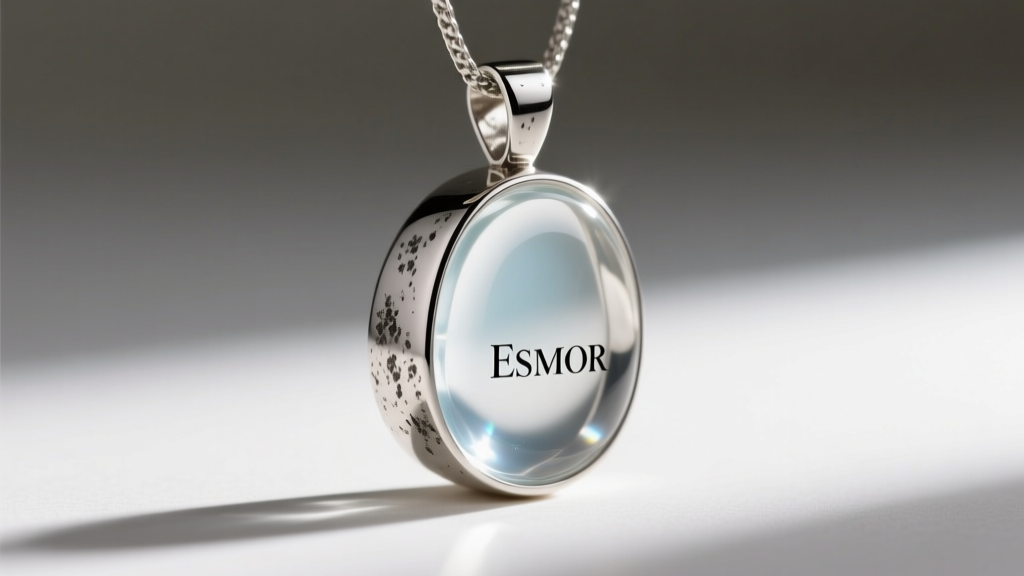
Despite its aerospace-grade framework, the Esmor necklace is not indestructible. Understanding its specific failure modes is essential for proper maintenance. The primary vulnerability lies not in the metal, but at the microscopic boundary where the bio-resin meets the titanium and silver bezel. Over years of continuous wear, thermal expansion and contraction can cause micro-fissures in the adhesive bond. While the resin itself will not shatter like glass or vitreous enamel, it is susceptible to surface micro-scratching. With a Mohs hardness of roughly 2.5, the resin inlay can be marred by contact with harder environmental dust (which often contains quartz particles at Mohs 7).
Furthermore, while the titanium core will not tarnish, the recycled 925 silver accents used for decorative filigree and contrast oxidization will naturally react with hydrogen sulfide in the atmosphere. This is an intentional aesthetic choice by Esmor artisans to create depth and shadow, but wearers who prefer a high-polish, uniform shine will need to manage the silver elements carefully without using harsh chemical dips that could degrade the adjacent bio-resin.
Expert Care and Maintenance Protocols
To preserve the optical clarity of the resin and the structural integrity of the mixed metals, adhere to the following care protocols:
- Chemical Avoidance: Never expose the Esmor necklace to acetone, alcohol-based perfumes, or chlorinated pool water. While the titanium is impervious, solvents can cause the bio-resin to cloud or soften over time.
- Targeted Polishing: Use a dry, untreated microfiber cloth to buff the titanium and silver elements. Avoid liquid silver polishes, as they can seep into the resin bezel and cause permanent discoloration.
- Thermal Stability: Do not leave the necklace on a car dashboard in direct summer sunlight. Prolonged UV and heat exposure beyond 140°F can accelerate the yellowing of the polymer matrix, even in UV-stabilized resins.
- Storage: Store flat in a low-humidity environment. Hanging the necklace for long periods in a humid bathroom can accelerate the oxidation of the decorative silver accents.
Final Verdict: Value and Material Superiority
The Esmor necklace represents a paradigm shift in how we define 'fine jewelry' in 2026. It sacrifices the intrinsic melt-value of heavy gold or platinum in favor of extreme durability, lightweight ergonomics, and cutting-edge material science. For the active individual who demands a piece that can transition from a high-intensity environment to a formal setting without fear of warping, tarnishing, or triggering skin allergies, the Esmor material blend offers a highly engineered, modern alternative to traditional metallurgy.


