Expert Care Guide for Your 16 Inch Necklace Gold Chain
Learn expert cleaning and maintenance tips for your 16 inch necklace gold chain. Discover safe solutions, storage hacks, and tarnish prevention.

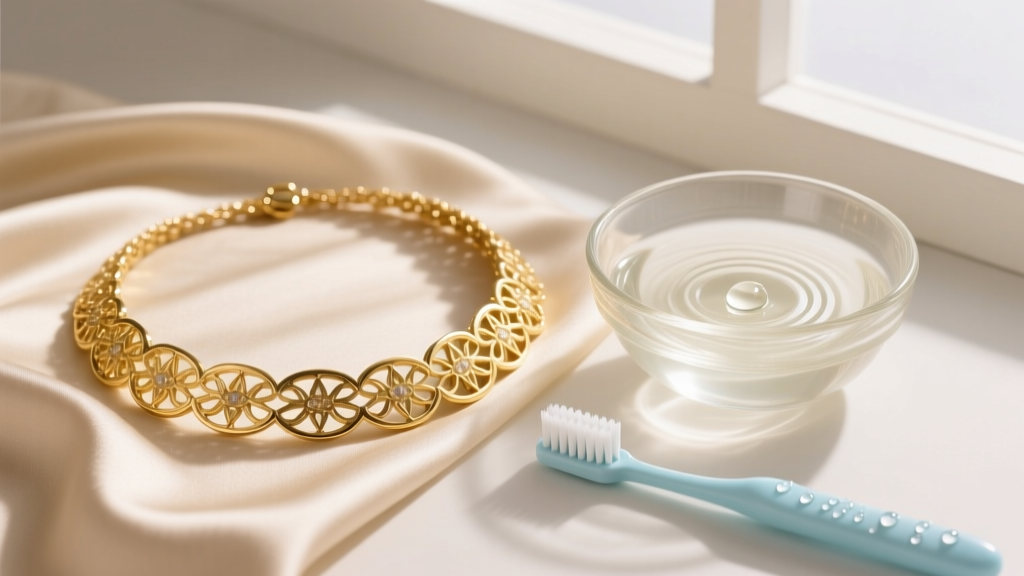
Owning a classic 16 inch necklace gold chain is a staple in any curated jewelry collection. Sitting perfectly at the collarbone, this versatile length transitions seamlessly from casual daytime wear to elegant evening layering. However, its prime anatomical position also means it is subjected to more friction, skin oils, and environmental pollutants than longer chains. To keep your gold jewelry radiant and structurally sound, you must adopt a rigorous, science-backed care routine.
In this comprehensive guide, we break down the metallurgy of gold alloys, outline precise cleaning protocols, and reveal the storage techniques used by professional jewelers to prevent micro-scratches and clasp failure.
The Anatomy of Wear: Why the 16-Inch Length Demands Special Care
A 16-inch chain rests directly on the lower neck and upper chest. This zone is a hotspot for perspiration, sebum (skin oils), and the direct application of cosmetics. When you apply perfume, hairspray, or lotion, the aerosolized particles settle directly onto the chain links. Over time, these chemicals create a microscopic film that dulls the gold's reflective properties.
Furthermore, the 16-inch length experiences constant kinetic friction. Every time you turn your head or adjust a collared shirt, the chain rubs against your skin and clothing. While gold is a noble metal, the alloys mixed with it to provide tensile strength are highly susceptible to abrasive wear. Understanding this daily abuse is the first step toward effective maintenance.
The Chemistry of Tarnish: Decoding Gold Alloys
Pure 24-karat gold does not tarnish; it is chemically inert. However, pure gold is far too soft for a durable 16-inch chain. To achieve the necessary durability, jewelers alloy gold with metals like copper, silver, zinc, and sometimes nickel. It is these alloy metals that react with sulfur and oxygen in the environment, leading to tarnish.
- 14k Gold (58.3% pure gold): Contains a higher percentage of copper and silver. It is highly durable but more prone to oxidation and darkening if exposed to sulfur-rich environments (like hot springs or certain rubber bands).
- 18k Gold (75.0% pure gold): Contains less alloy metal, making it more resistant to tarnish but softer and more prone to micro-scratching and losing its high-polish finish over time.
According to the Gemological Institute of America (GIA), the specific ratio of copper to silver in the alloy dictates the exact hue of the gold (yellow, rose, or white) and its specific chemical vulnerabilities. Rose gold, with its high copper content, requires particularly vigilant care to prevent deep oxidation.
Structured Maintenance: Daily Habits vs. Deep Cleaning
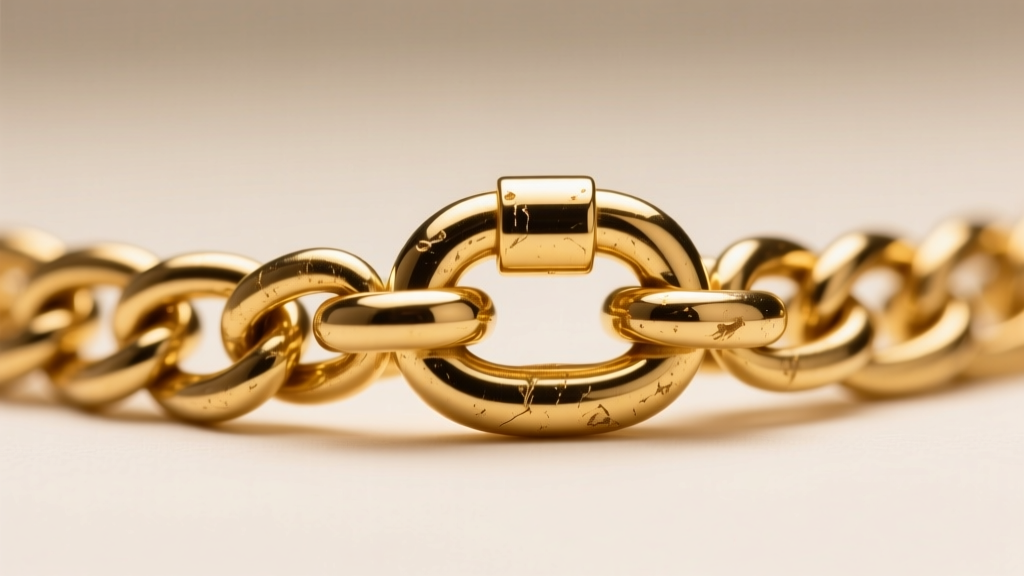
Maintaining your 16 inch necklace gold piece requires a bifurcated approach: daily preventative habits and periodic deep cleaning. Below is a structured framework based on wear frequency and gold purity.
| Gold Purity | Wear Frequency | Daily Maintenance | Deep Cleaning Interval |
|---|---|---|---|
| 14k Yellow/Rose | Daily (24/7) | Wipe with microfiber cloth nightly | Every 2 weeks |
| 14k Yellow/Rose | Occasional | Store immediately after wearing | Monthly |
| 18k Yellow | Daily (24/7) | Wipe gently; avoid harsh friction | Every 3 weeks |
| 18k Yellow | Occasional | Inspect for scratches before storage | Every 2 months |
The Professional DIY Cleaning Protocol
Many online guides suggest using toothpaste or baking soda to clean gold. Never do this. Both are abrasive and will permanently scour the surface of your gold, leaving it looking matte and scratched. Instead, follow this exact protocol endorsed by experts at Blue Nile and professional bench jewelers.
Step 1: Prepare the Solution
Fill a small glass bowl with distilled water. Tap water contains chlorine and dissolved minerals that can leave hard water spots or react with the alloys. Add exactly three drops of a mild, phosphate-free dish detergent (original blue Dawn is the industry standard for jewelry cleaning). Swirl gently to create a mild lather.
Step 2: The Soak
Submerge your 16-inch gold chain into the solution. Allow it to soak for exactly 15 to 20 minutes. This gives the surfactants in the soap time to break down the molecular bonds of the sebum and cosmetic buildup trapped between the tiny links.
Step 3: Agitation
Use an extra-soft baby toothbrush. Standard "soft" adult toothbrushes are often too stiff and can cause micro-marring on high-polish 18k gold. Gently brush the chain, paying special attention to the clasp mechanism and any soldered jump rings where grime accumulates.
Step 4: Rinsing and Drying
Rinse the chain under a gentle stream of lukewarm distilled water. Do not use hot water, as extreme temperature changes can stress older solder joints. Pat the chain dry with a lint-free microfiber cloth. Never use paper towels or tissues; their wood-pulp fibers will scratch the gold.
Advanced Storage: Preventing Micro-Scratches and Tangling
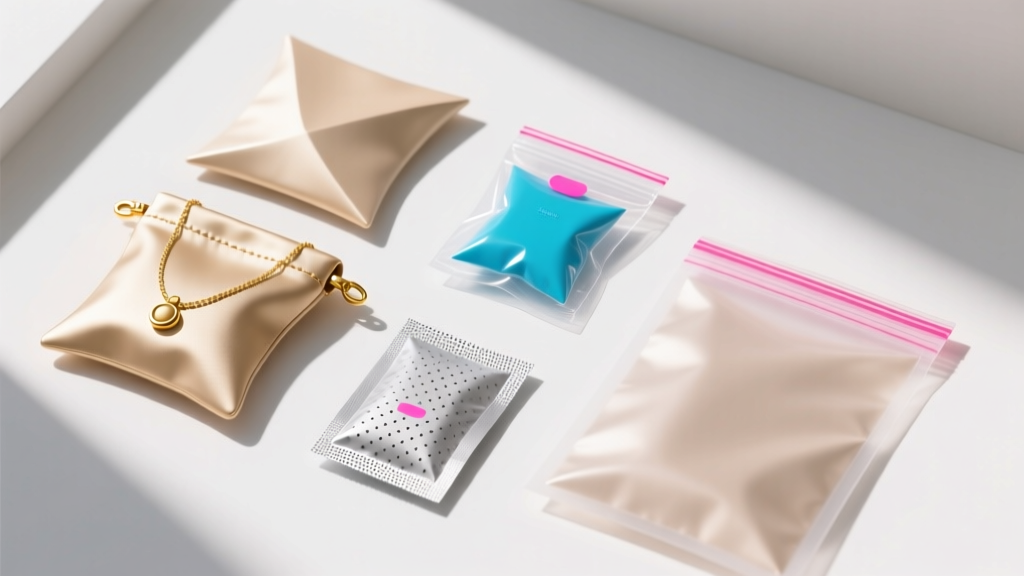
How you store your 16 inch necklace gold chain is just as critical as how you clean it. Tossing it into a communal jewelry box guarantees tangling and surface abrasion from harder gemstones or platinum pieces.
- Isolation: Store the chain in its own soft flannel pouch or a dedicated compartment lined with anti-tarnish fabric.
- Humidity Control: Moisture accelerates the oxidation of copper and silver alloys. Place a small silica gel packet inside your jewelry box or storage drawer to maintain a low-humidity environment.
- Anti-Tarnish Strips: Invest in 3M anti-tarnish paper strips. These strips absorb airborne sulfur compounds and hydrogen sulfide, effectively neutralizing the primary catalysts for gold alloy tarnish. Replace them every six months.
- Hanging vs. Laying Flat: If laying flat, ensure the chain is fully extended and not bunched up. If hanging, use a padded hook to prevent the chain from stretching under its own weight over long periods.
Clasp Mechanics and Structural Integrity Checks
A 16-inch chain typically utilizes a spring ring or a small lobster claw clasp. The weakest point of any necklace is not the chain itself, but the tiny jump ring that connects the clasp to the chain links.
Once a month, perform a tactile and visual inspection. Run your fingernail over the jump ring. If you feel a gap or a snag, the ring has pulled apart. This is a common failure mode caused by the tension of putting the necklace on and taking it off. A bench jeweler can easily solder this jump ring shut for a nominal fee, preventing the catastrophic loss of your jewelry. Additionally, if you use a spring ring clasp, test the tiny lever. If it feels spongy or fails to snap back crisply, the internal spring is compromised and the clasp must be replaced immediately.
Final Thoughts on Gold Longevity
Caring for your gold jewelry is not merely about aesthetics; it is about preserving the structural integrity and heirloom value of the piece. By understanding the specific vulnerabilities of gold alloys, utilizing non-abrasive cleaning agents, and implementing rigorous storage protocols, your 16-inch gold chain will remain a brilliant, enduring fixture in your wardrobe for decades to come.


