The Bale on a Necklace: A Budget and Value Assessment
Discover the true cost and value of the bale on a necklace. Learn how material, gemstones, and craftsmanship impact pendant bail pricing.

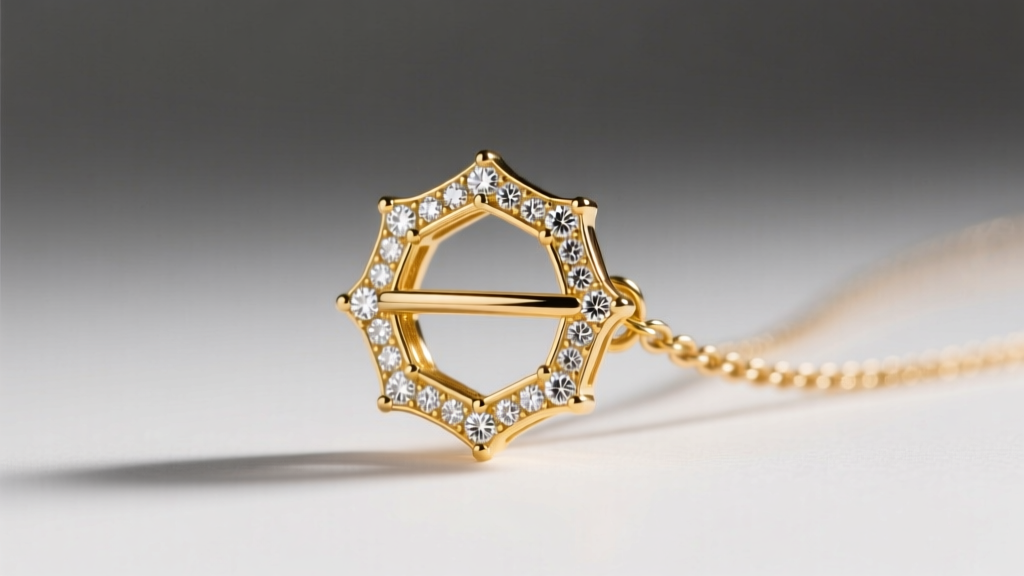
The Unsung Hero of Fine Jewelry: Understanding the Bale
When evaluating a fine jewelry pendant, the vast majority of a buyer’s attention—and budget—is directed toward the center gemstone or the primary metalwork of the design. However, the structural linchpin of the entire piece is often overlooked: the bale on a necklace. Also widely referred to in the trade as a 'bail,' this small but critical component is the connector that links your pendant to the chain.
From a budget and value assessment perspective, the bale is a hidden cost center that can drastically inflate a jewelry quote if you do not understand its manufacturing origins, material grades, and structural requirements. Whether you are commissioning a custom pendant, upgrading a family heirloom, or simply trying to understand a retail appraisal, knowing how to price and evaluate the bale on a necklace is essential for smart jewelry shopping in 2026.
Bale vs. Bail: Terminology and Trade Realities
Before assessing value, it is important to clarify terminology. Consumers and search engines frequently use the spelling 'bale,' while bench jewelers and wholesale findings catalogs (like Rio Grande) predominantly use 'bail.' Both refer to the exact same hardware.
The primary function of the bale is to allow the pendant to hang parallel to the body while the chain passes through it. Because it acts as the sole pivot point, the bale endures continuous kinetic friction. A poorly constructed or under-budgeted bale will eventually wear through, leading to the catastrophic loss of the pendant. Therefore, assessing the value of a bale is not just about aesthetics; it is an evaluation of long-term structural integrity and risk mitigation.
The Hidden Costs: Why Bales Impact Your Jewelry Budget
Many consumers are shocked when a custom jeweler adds $150 to $400 to a quote simply for 'the connector.' To understand the value proposition, you must break down the labor and material costs associated with the bale on a necklace. The cost drivers include:
- Metal Weight and Karat: A heavy, solid 18k gold bale requires significantly more raw material than a hollow, 14k gold casting.
- Stone Setting Labor: If the bale features pave or channel-set melee diamonds, a bench jeweler must spend 1 to 3 hours under a microscope setting stones that are often 1.0mm to 1.3mm in diameter.
- Finishing and Polishing: The interior of the bale must be polished to a mirror finish to reduce friction against the chain. This requires specialized tools like polishing pins and muslin buffs.
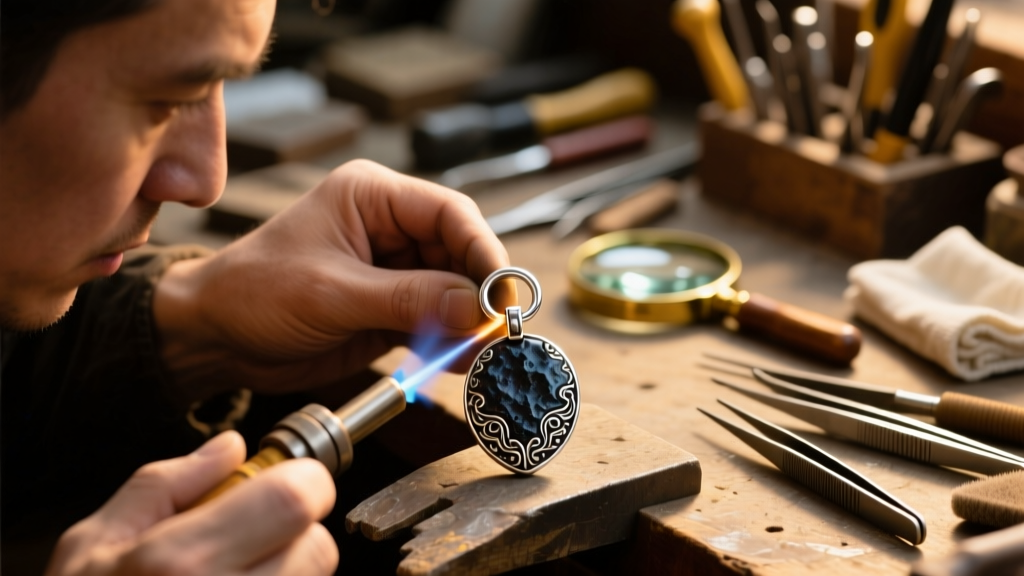
- Soldering vs. Mechanical Attachment: A soldered bale (where the bale is permanently fused to the pendant's top loop) requires flux, precise torch work, and subsequent pickling and clean-up, adding $35 to $75 in bench time.
Material and Gemstone Breakdown: Pricing the Bale
To help you assess whether you are being quoted fairly, below is a comprehensive value assessment table for necklace bales based on current precious metal markets and standard bench jeweler rates. These estimates reflect retail pricing for high-quality, independent jewelry studios.
| Bale Material & Style | Estimated Retail Cost | Value Assessment & Best Use Case |
|---|---|---|
| Sterling Silver (Plain Cast) | $25 - $60 | High value for everyday wear; prone to tarnish and faster friction wear. |
| 14k Yellow/White Gold (Plain) | $85 - $150 | The industry standard. Excellent balance of durability, cost, and prestige. |
| 18k Gold (Heavy Wall Tube) | $180 - $320 | Premium value. Best for heavy pendants requiring thick walls to resist chain friction. |
| 14k Gold with Melee Diamonds (0.10 ctw) | $250 - $450 | Good aesthetic value. Ensure the melee is GH color/SI clarity to match the center stone. |
| Platinum (Custom Cast with Sapphires) | $500 - $900+ | Ultimate structural value. Platinum's density prevents internal wear from heavy chains. |
When reviewing a quote, always ask the jeweler to itemize the bale separately from the main pendant body. This transparency ensures you are not being subjected to hidden markups on basic findings.
Manufacturing Methods: Stamped, Cast, and Hand-Fabricated
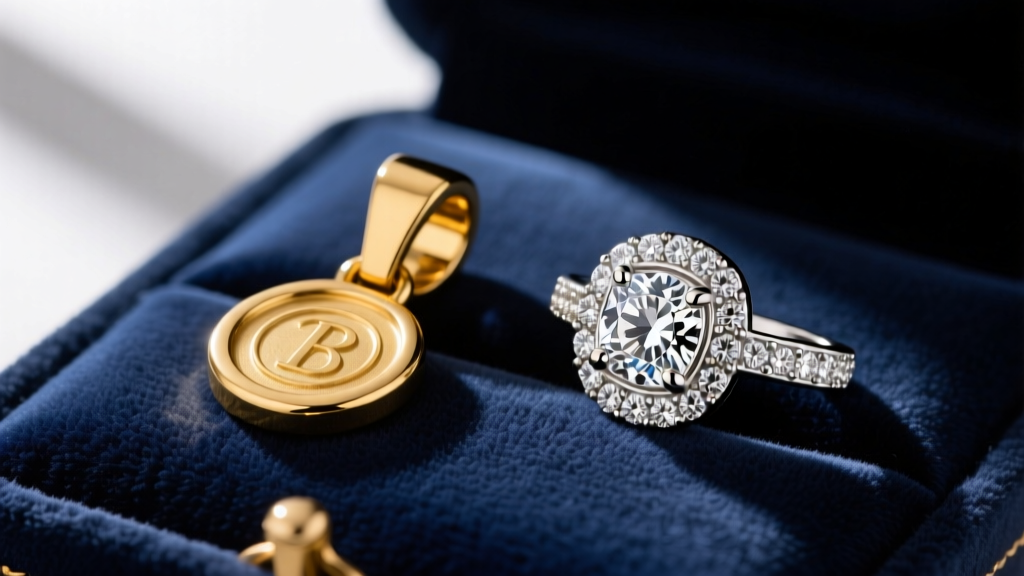
The way a bale is manufactured heavily dictates its price and its lifespan. According to jewelry anatomy guidelines from the Gemological Institute of America (GIA), understanding how a piece is constructed is vital for assessing its long-term wearability.
1. Die-Struck / Stamped Bales
These are mass-produced by stamping sheet metal under immense pressure. They are incredibly dense, highly resistant to friction wear, and very affordable (often under $40 retail). However, they are limited to basic shapes and cannot be easily customized to fit unique, asymmetrical pendant designs.
2. Cast Bales
The most common method for custom and designer jewelry. A wax model is created and cast in the desired metal. While cast bales allow for infinite design possibilities and intricate gemstone settings, the metal is slightly more porous than stamped metal. A high-quality cast bale should have a minimum wall thickness of 1.5mm to ensure it does not wear through within the first decade of daily wear.
3. Hand-Fabricated Bales
Cut, bent, and soldered directly from metal wire and sheet stock by a master jeweler. These command the highest premium ($300+ just for labor) but offer unparalleled structural integrity. Hand-fabricated bales are the gold standard for heirloom pieces and high-carat pendants where failure is not an option.
Chain Compatibility: A Critical Value Factor
A bale on a necklace only provides value if it is perfectly matched to the chain it will house. A common budgeting mistake is purchasing a beautiful pendant with a narrow, delicate bale, only to realize it cannot accommodate the heavy, secure chain required to safely support the pendant's weight.
For example, a 5-gram gold pendant requires a chain with a minimum breaking strength of 15 grams to maintain a safe 3:1 weight ratio. This usually necessitates a 1.5mm to 2.0mm rope or box chain. If the bale's internal diameter is only 2.5mm, the chain will bind, causing severe friction and eventually snapping the chain or wearing a hole through the bale. Always measure the internal dimensions of the bale (width, height, and depth) before finalizing a purchase, and ensure your chosen chain leaves at least 0.5mm of clearance on all sides.
Smart Shopping: How to Avoid Overpaying
To maximize your budget when buying or commissioning a pendant, apply these actionable assessment strategies:
- Request the Melt Value: If a jeweler quotes $400 for a plain gold bale, ask for the gram weight. If it weighs 2 grams of 14k gold, the raw material cost is roughly $80. The remaining $320 is pure labor and markup, which is excessive for a plain cast finding.
- Inspect the Interior: Use a jeweler's loupe to look inside the bale. If it is rough, pitted, or shows casting lines, it will act like sandpaper against your chain. Demand a mirror-polished interior.
- Consider the Soldered Loop: If your pendant frequently flips upside down, pay the extra $50 to have a fixed, soldered bale installed. The value of always presenting the front of your pendant far outweighs the minor bench fee.
- Upgrade the Wear Plate: For a fraction of the cost of a solid platinum bale, ask your jeweler to solder a small platinum or rhodium 'wear plate' inside a 14k gold bale. This provides the friction resistance of platinum at a fraction of the budget.
Ultimately, the bale on a necklace is a vital intersection of engineering and aesthetics. By shifting your focus from the center stone to the structural realities of the connector, you can make highly informed, budget-conscious decisions that protect your jewelry investment for decades to come.


