Blue Coral Necklace Material Guide: Genuine vs Dyed Alternatives
Discover the gemological properties of a genuine blue coral necklace. Learn to identify real Heliopora coerulea vs. dyed howlite and sponge coral.

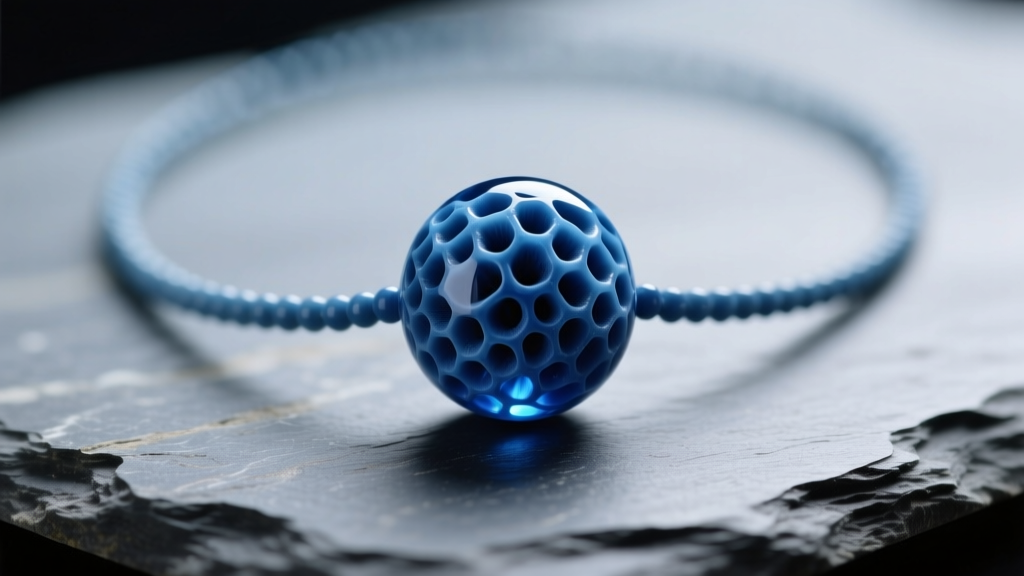
The Allure and Rarity of Genuine Blue Coral
When jewelry collectors and marine biologists intersect, few specimens generate as much fascination as Heliopora coerulea, the species responsible for genuine blue coral. Unlike the more common red and pink precious corals (Corallium species) that rely on carotenoid pigments for their hue, blue coral derives its striking indigo and slate-blue coloration from iron salts integrated directly into its calcium carbonate skeleton. For enthusiasts seeking a blue coral necklace, understanding the gemological properties, ethical constraints, and rampant market imitations is critical before making a purchase.
The modern jewelry market is flooded with materials masquerading as blue coral. Because genuine Heliopora coerulea is heavily restricted under international conservation treaties, the vast majority of 'blue coral' necklaces sold in retail boutiques and online marketplaces are actually dyed howlite, stabilized sponge coral, or reconstituted coral dust. This comprehensive material comparison will equip you with the exact data points and identification frameworks needed to separate genuine marine gemstones from commercial simulants.
Material Showdown: Genuine vs. Imitation Blue Coral
To accurately evaluate a blue coral necklace, one must look beyond surface color and examine the underlying physical and optical properties. The table below breaks down the core gemological metrics of the four most common materials sold under the 'blue coral' moniker.
| Material | Mohs Hardness | Specific Gravity | Porosity & Structure | Avg. Price (18' Strand) |
|---|---|---|---|---|
| Genuine Blue Coral | 3.5 - 4.0 | 2.60 - 2.70 | Low-Medium; Fibrous/Granular | $800 - $3,500+ |
| Dyed Howlite | 3.5 | 2.53 - 2.59 | Low; Web-like Matrix | $25 - $60 |
| Stabilized Sponge Coral | 2.5 - 3.5 (Resin dependent) | 1.80 - 2.20 | High (pre-stabilization); Epoxy-filled | $40 - $120 |
| Reconstituted Coral | 2.0 - 3.0 | 1.50 - 1.90 | None (Plastic/Resin binder) | $15 - $40 |
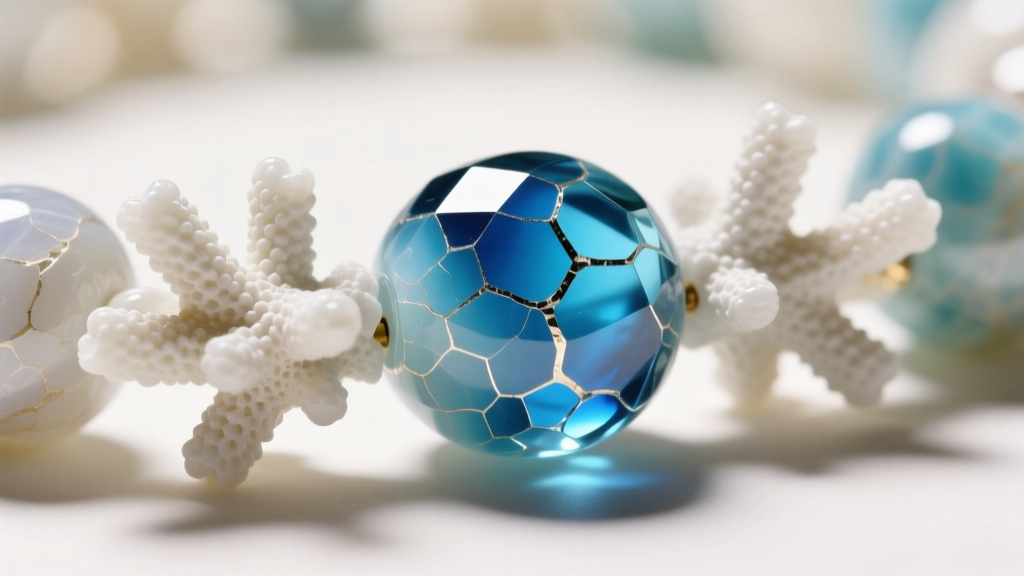
Gemological Properties and Identification Tests
Identifying a genuine blue coral necklace requires a systematic approach to testing, focusing on the material's reaction to solvents and its microscopic surface topology. According to the Gemological Institute of America (GIA), organic gemstones require specialized care and testing protocols that differ vastly from crystalline minerals.
The Acetone Swab Test
The most immediate way to identify dyed howlite or dyed sponge coral is the acetone test. Dip a cotton swab in pure acetone (or standard nail polish remover) and rub it vigorously against an inconspicuous area of the bead, such as near the drill hole. If the swab turns blue, the material is dyed. Genuine blue coral's color is structural and chemical, bound within the calcium carbonate lattice; it will not bleed or transfer color to a solvent. Note: Perform this test with caution, as acetone can melt or cloud the epoxy resins used in stabilized sponge coral and reconstituted pieces.
Magnification and Structural Topology
Under a 10x to 30x jeweler's loupe, the surface differences become undeniable. Genuine blue coral exhibits a distinct granular or fibrous structure with tiny, naturally occurring pinpoint pits and growth bands. Dyed howlite, conversely, will reveal a stark white, web-like or mottled matrix beneath the surface dye, often with dark blue dye pooling in the natural fractures of the stone. Stabilized sponge coral will show a highly uniform, almost plastic-like surface sheen due to the heavy epoxy resin infusion used to make the naturally brittle material durable enough for bead cutting.
Ethical Sourcing and CITES Regulations
Any discussion of genuine blue coral must address the legal and environmental frameworks governing its trade. Heliopora coerulea is listed under Appendix II of the Convention on International Trade in Endangered Species (CITES). This means that international trade is strictly monitored and requires specific export permits to ensure that harvesting does not threaten the survival of the species in the wild.
Because of these stringent CITES regulations, newly harvested genuine blue coral is exceptionally rare in the mainstream jewelry market. Most authentic blue coral necklaces available today are either vintage/antique pieces sourced from estate sales or require extensive documentation proving sustainable, pre-ban, or legally permitted harvesting. When a vendor offers a 'new' genuine blue coral necklace at a surprisingly low price without providing CITES documentation, it is almost certainly a simulant.
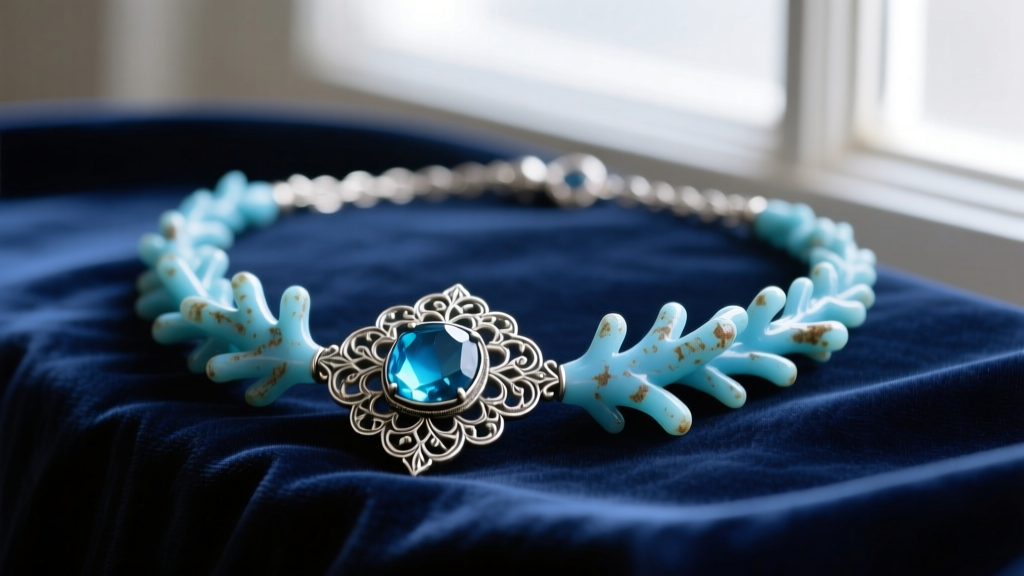
Stringing, Hardware, and Durability Considerations
Designing or restringing a blue coral necklace requires an understanding of its mechanical vulnerabilities. With a Mohs hardness of just 3.5 to 4.0, genuine blue coral is relatively soft and highly susceptible to scratching and abrasion.
- Avoid Wire Wrapping: Never use hard wire-wrapping techniques directly against genuine coral beads. The friction of metal wire will eventually gouge and wear away the calcium carbonate.
- Knotting on Silk: The traditional and safest method for stringing high-value coral is knotting between each bead using Size E or F silk thread. This prevents bead-on-bead abrasion and minimizes loss if the strand breaks.
- Flexible Beading Wire: If using nylon-coated stainless steel beading wire (such as 0.019-inch Soft Flex), you must use silicone bead bumpers or tiny seed beads as spacers between the coral beads to act as shock absorbers.
- Clasp Selection: Use lightweight clasps. Heavy silver or gold clasps can act as a pendulum, striking and chipping the coral beads at the nape of the neck during movement.
Long-Term Care and Maintenance Protocol
Because it is an organic, porous gemstone, a blue coral necklace requires a strict maintenance regimen to preserve its structural integrity and color. Calcium carbonate is highly reactive to acids. Even mild environmental acids, such as those found in perspiration, citrus juices, or vinegar, can etch the surface of the coral, leaving it dull and pitted.
Never clean a blue coral necklace in an ultrasonic cleaner or a steam cleaner. The high-frequency vibrations can shatter the internal fibrous structure, and the heat can cause thermal shock. Instead, wipe the necklace gently with a soft, damp microfiber cloth after every wear to remove skin oils and acidic sweat. Allow it to air dry completely before storing it in a soft pouch, separated from harder gemstones like quartz, topaz, or diamonds, which will easily scratch the coral's surface upon contact. Store the necklace flat to prevent the silk thread from stretching over time, ensuring your organic masterpiece remains pristine for generations.


