How to Clean and Care for Necklaces with Kids Names
Learn expert cleaning and care tips for necklaces with kids names. Protect engravings, prevent tarnish, and maintain your sentimental jewelry.

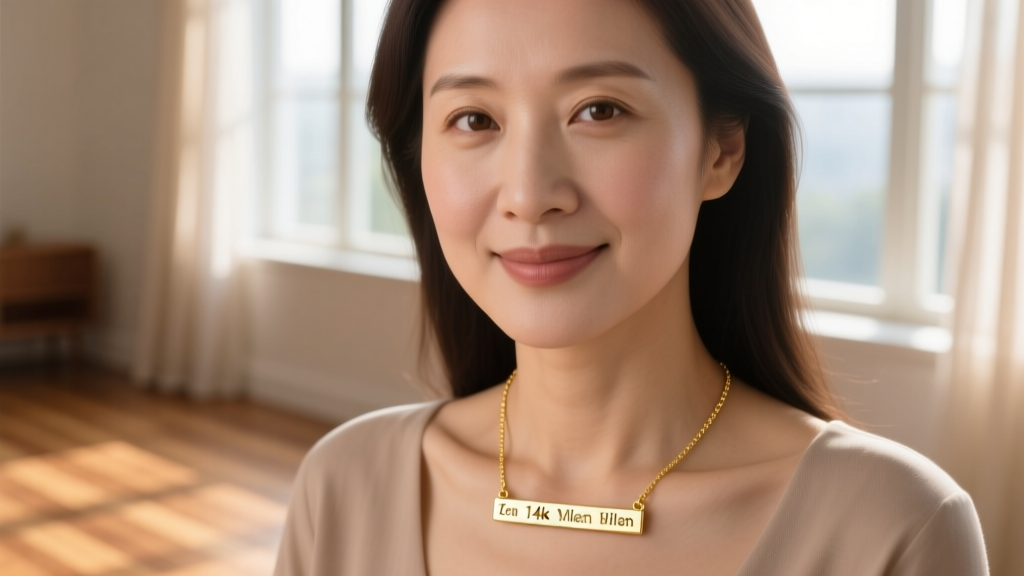
Sentimental jewelry holds a unique place in a mother’s collection. Specifically, necklaces with kids names are more than just accessories; they are wearable heirlooms that keep your children close to your heart. However, the reality of “mom life” means these delicate pieces are constantly exposed to a harsh environment. From baby lotions and perfume to the friction of carrying toddlers and the sweat of daily chores, custom name necklaces take a beating.
Unlike standard pendants, name necklaces feature intricate laser engravings or hand-stamped lettering that can easily trap oils, dead skin cells, and product buildup. If cleaned improperly, you risk stripping the intentional oxidation that makes the letters pop, or worse, wearing away the delicate gold vermeil plating. In this comprehensive guide, we break down the exact metallurgy, cleaning chemistry, and maintenance routines required to keep your custom name jewelry looking pristine for decades.
Material Breakdown: What Your Name Necklace is Actually Made Of
Before applying any cleaning solution, you must identify the base metal and finish of your necklace. The care protocol for solid 14k gold is vastly different from that of gold vermeil or sterling silver. Below is a quick-reference guide to the most common materials used for custom name pendants.
| Material | Composition | Tarnish Risk | Best Cleaning Method |
|---|---|---|---|
| Sterling Silver (925) | 92.5% Silver, 7.5% Copper | High | Mild soap soak, extra-soft brush |
| Gold Vermeil | 2.5+ microns of 10k+ gold over sterling silver | Medium (if plating wears) | Damp microfiber cloth only |
| Solid 14k Gold | 58.3% Gold, alloyed with copper/silver/zinc | Very Low | Soap soak, gentle polishing cloth |
| Stainless Steel | Iron, chromium, nickel alloy | Zero | Wipe with damp cloth, mild degreaser |
According to the Jewelers of America, understanding your metal’s alloy composition is the first step in preventing accidental chemical damage. For instance, the copper in sterling silver is what reacts with sulfur in the air to create black silver sulfide (tarnish), whereas solid 14k gold is highly resistant to this reaction.
The Chemistry of Engraving: Why Liquid Dips Are Dangerous
The most critical mistake owners of necklaces with kids names make is using commercial liquid silver dips (like Tarn-X). These products rely on thiourea, a harsh chemical that instantly strips tarnish through a reduction reaction. While it makes the silver shine, it also strips the antiquing (intentional dark oxidation) from the grooves of laser-engraved or hand-stamped letters.
Expert Warning: Never use thiourea-based liquid dips or ultrasonic cleaners on custom name jewelry. Ultrasonic waves can loosen the settings if your name necklace includes birthstone accents, and liquid dips will leave your engraving looking flat, faded, and incredibly difficult to read.
Furthermore, if your necklace is gold vermeil, abrasive polishing cloths (like those embedded with jeweler’s rouge) will act like sandpaper. The Federal Trade Commission (FTC) mandates that vermeil must have a minimum gold thickness of 2.5 microns. Aggressive rubbing will wear through this microscopic layer in a matter of weeks, exposing the silver beneath and leading to rapid, patchy tarnishing.
Step-by-Step Cleaning Guide for Engraved Pendants
To safely remove the invisible layer of lotion, sebum, and environmental dust that dulls your necklace, follow this gentle, surfactant-based cleaning method.
1. The Mild Surfactant Soak
Fill a small glass bowl with lukewarm (not hot) water and add two drops of a mild, phosphate-free dish soap (like original blue Dawn). The surfactants in the soap will break down the lipid bonds of body oils and baby lotions without reacting with the metal.
- Submerge the necklace completely and let it soak for 5 to 10 minutes.
- Remove the piece and gently agitate it in the water.
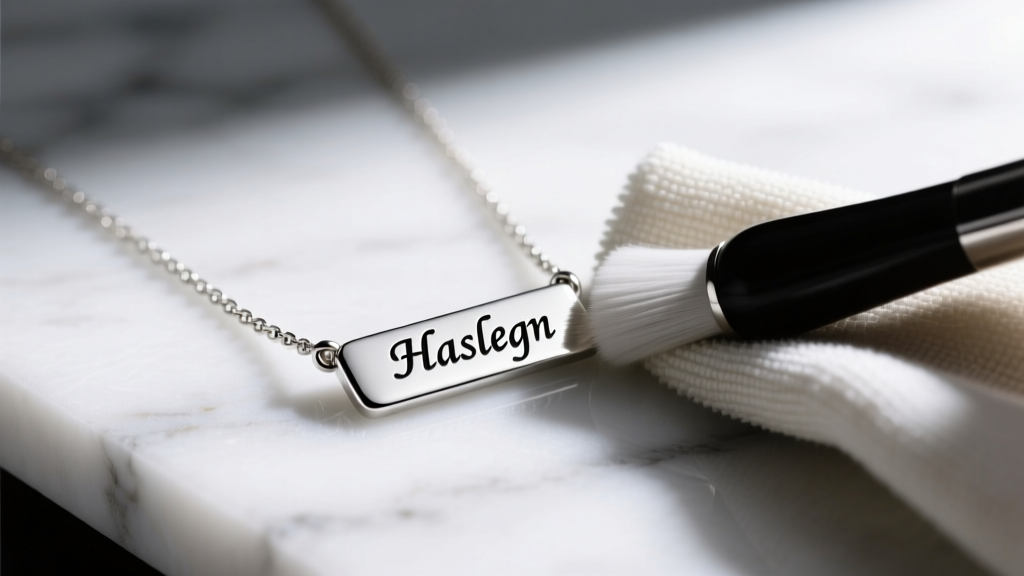
- Using an extra-soft baby toothbrush or a dedicated goat-hair jewelry brush, lightly sweep across the surface. Crucial: Brush parallel to the engraving lines, not perpendicular, to avoid packing debris deeper into the letter grooves.
2. Rinsing and Drying
Rinse the necklace under a gentle stream of lukewarm water. Ensure your sink drain is securely plugged! Pat the piece dry with a lint-free microfiber cloth. Do not use paper towels or tissues, as the wood pulp fibers can leave microscopic scratches on high-polish gold and silver surfaces.
Chain Maintenance: Box vs. Cable vs. Rope
The pendant is only half the equation; the chain requires equal attention. The structure of your chain dictates how much debris it will trap.
- Box Chains: The square, interlocking links of a box chain are notorious for trapping dead skin cells and thick moisturizers. Use a soft cotton swab dipped in soapy water to clean the interior corners of the links.
- Cable Chains: The classic oval links are the easiest to maintain. A simple soak and a gentle brush between the links will dislodge most buildup.
- Rope Chains: The twisted, spiraling nature of rope chains makes them highly susceptible to snagging on clothing and trapping oils deep within the twists. Avoid wearing rope chains while applying heavy body butters or lotions.
Cleaning the Clasp Mechanism
Lobster clasps and spring rings contain tiny internal steel springs that can become sticky or fail to close if clogged with lotion. If your clasp feels stiff, dip a cotton swab in isopropyl alcohol (90% or higher) and carefully swab the lever and opening of the clasp. The alcohol will evaporate quickly and dissolve the grease. Note: Keep alcohol strictly away from any porous gemstones like pearls, opals, or turquoise that may be integrated into the name design.
Environmental Hazards: When to Take It Off
While many mothers prefer to never remove their necklaces with kids names, certain environments will cause irreversible damage. The Tiffany & Co. Jewelry Care guidelines strongly recommend removing fine jewelry before exposure to harsh chemicals. Take your necklace off before:
- Swimming in Chlorinated Pools: Chlorine reacts with the copper and zinc alloys in 14k gold and sterling silver, causing structural weakening and a permanent cloudy discoloration known as “chlorine stress corrosion cracking.”
- Applying Self-Tanner or Bronzer: Dihydroxyacetone (DHA), the active ingredient in sunless tanners, will permanently stain porous gemstones and leave a stubborn, muddy film on metal that is incredibly difficult to polish out of engraved grooves.
- Using Household Cleaners: Bleach and ammonia-based cleaners will instantly oxidize sterling silver and degrade gold alloys.
Storage Solutions to Prevent Tangles and Scratches
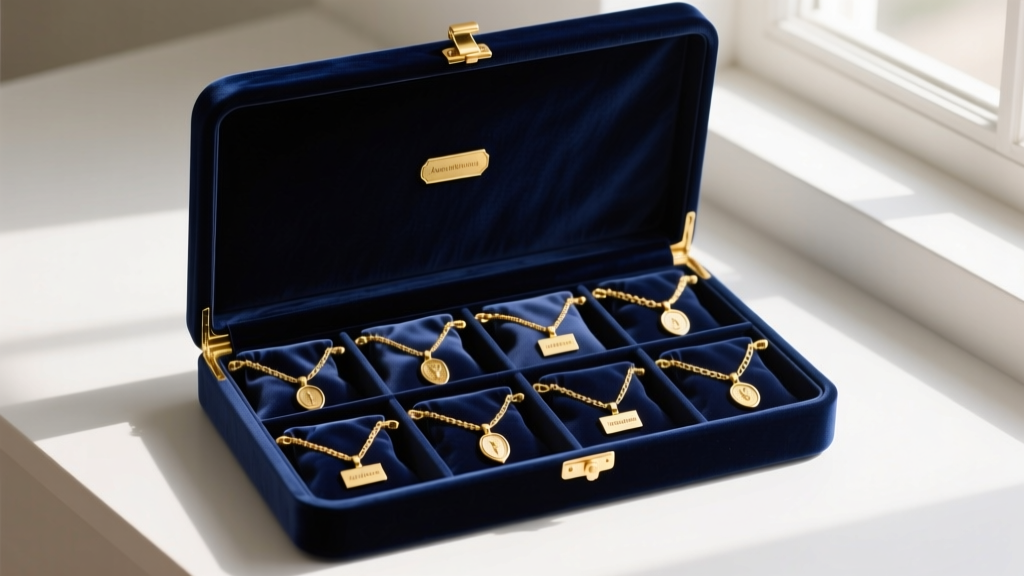
How you store your sentimental jewelry is just as important as how you clean it. Tossed into a communal jewelry box, delicate cable chains will inevitably tangle, and harder gemstones (like diamond birthstone accents) will scratch the softer gold or silver nameplates.
The Anti-Tarnish Protocol
For sterling silver and gold vermeil name necklaces, oxygen and humidity are the enemies. Store each necklace individually in an airtight polyethylene ziplock bag. To actively neutralize sulfur gases in the air, place a 3M Anti-Tarnish Strip inside the bag or your jewelry box drawer. These strips absorb airborne pollutants and can prevent silver from tarnishing for up to 12 months.
Always fasten the lobster clasp before storing. Leaving the clasp open allows the chain to slip through its own links, creating stubborn knots that can weaken the metal and require professional jeweler intervention to fix without breaking the delicate soldering points.
Conclusion: Preserving the Heirloom
Necklaces with kids names are destined to be passed down through generations, but their longevity relies entirely on proactive, informed care. By abandoning harsh chemical dips in favor of gentle surfactant soaks, respecting the delicate micron layers of vermeil plating, and storing your pieces in anti-tarnish environments, you ensure that the names etched into your jewelry remain as vivid and legible as the day they were custom-crafted. Treat your sentimental jewelry with the technical respect it deserves, and it will beautifully weather the beautiful chaos of motherhood.


